Shows
Shows to See in Switzerland, June 2026
Shuang Li
Alliance
Kunsthalle Basel
Basel
Jun 12–Sep 13, 2026
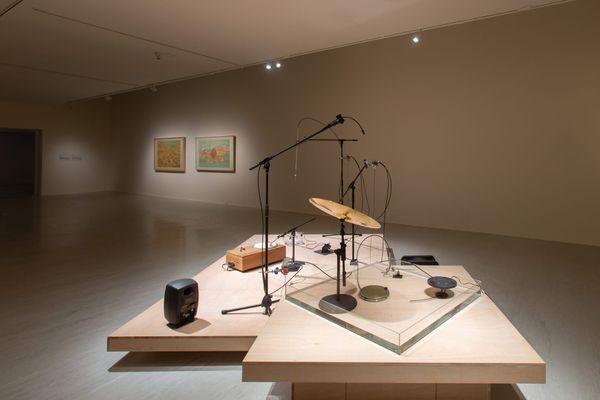
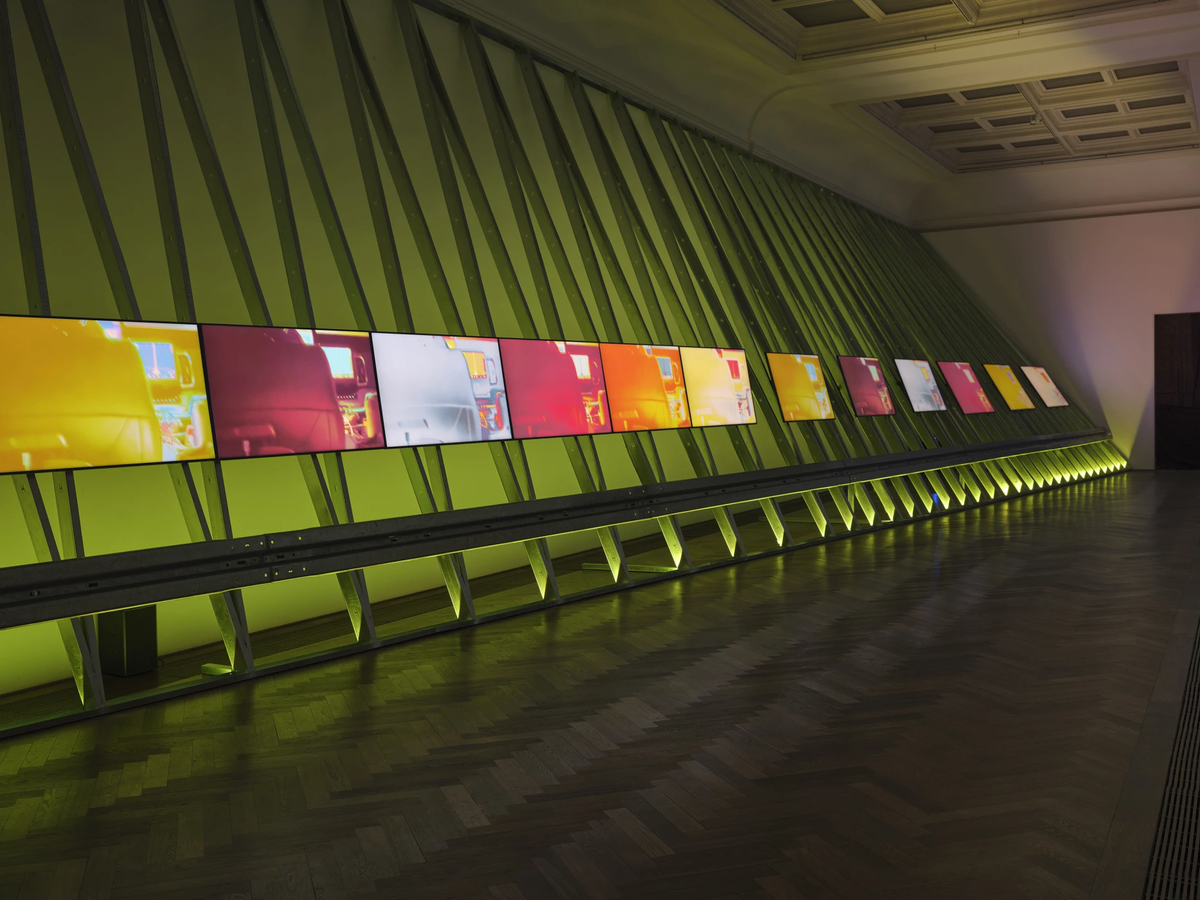
Shuang Li’s practice spans video, performance, and installation, probing the conditions of perception within digitally mediated environments. “Alliance,” her first solo institutional representation in Europe, assembles works produced in collaboration with multiple commissioning organizations. At its center is a recent film installation, Alliance (2026), developed through storm-chasing expeditions, in which extreme weather conditions are recorded and translated into immersive visual sequences. Rather than treating these phenomena as documentary subjects, Li unsettles the distinctions between direct physical experience and virtual simulation.
Angelica Mesiti
Reverb
Museum Tinguely
Basel
Mar 18–Aug 30, 2026
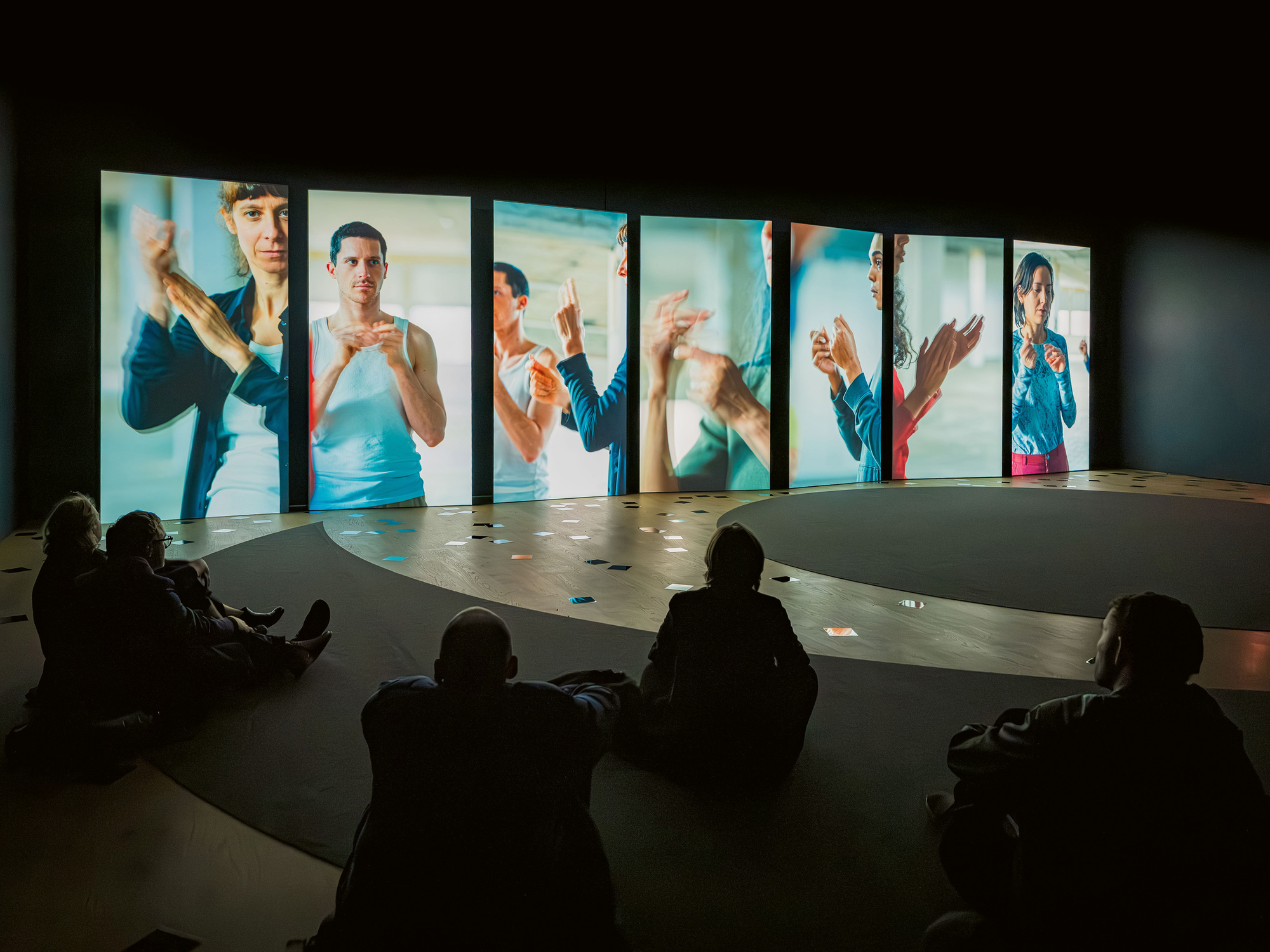
Australian artist Angelica Mesiti works primarily with moving image, sound, and performance to explore alternative forms of communication. “Reverb” brings together a selection of her video installations, each structured around choreographed routines, vocalization, or gesture. The works consider how shared cultural codes—whether ritualized or everyday—are transmitted and transformed. Included is The Rites of When (2024), her latest video installation, which examines ceremonial practices through a multisensory approach.
Pierre Huyghe
Fondation Beyeler
Riehen/Basel
May 24–Sep 13, 2026
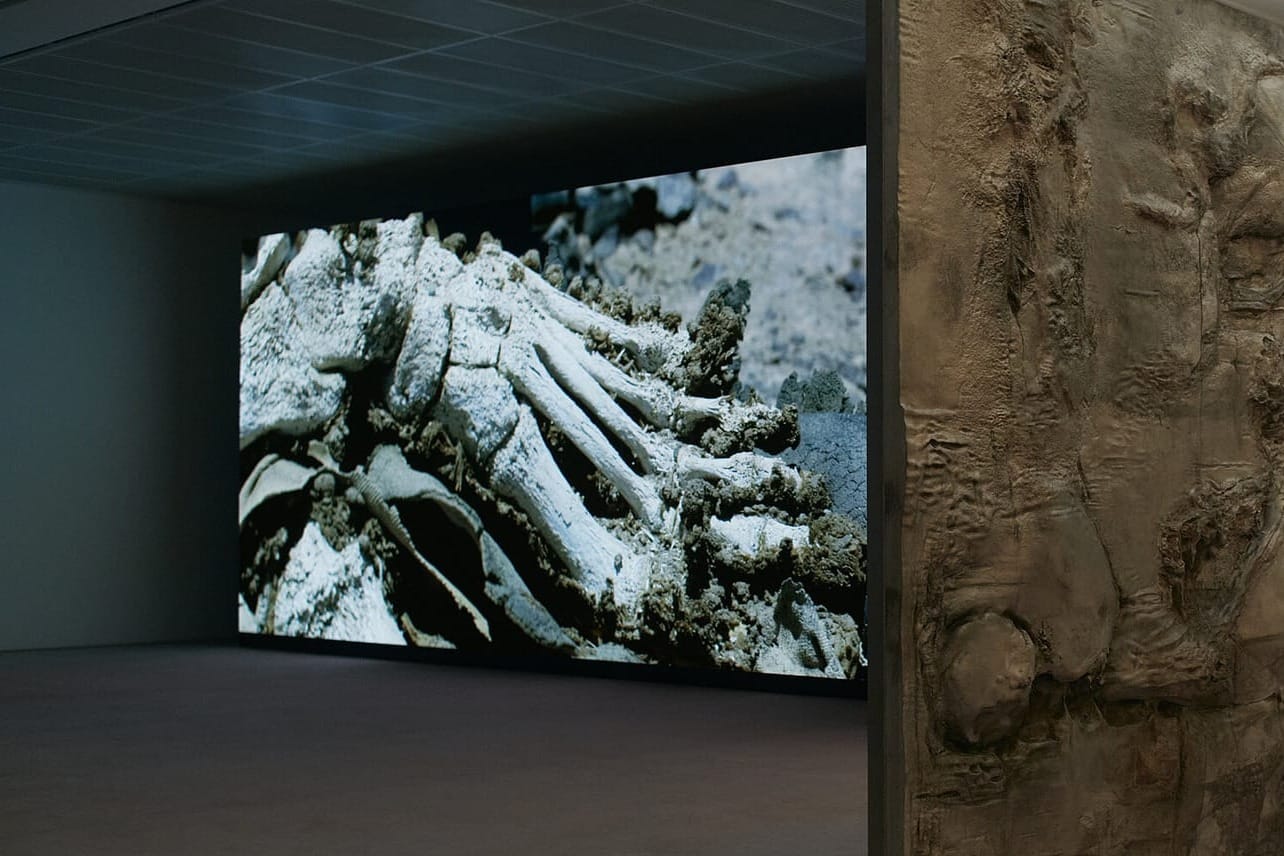
Pierre Huyghe’s first solo museum exhibition in Switzerland extends his ongoing interest in systems that evolve beyond the artist’s direct control. The presentation features recent works and newly developed installations, integrating film, biological mechanisms, and machine-learning processes to produce environments that unfold over time. Each a continually metamorphosing entity, the works culminate in a volatile landscape in which fiction and reality, human and nonhuman, organic and technical elements co-exist.
Marisol
Kunsthaus Zürich
Zurich
Apr 17–Aug 23, 2026
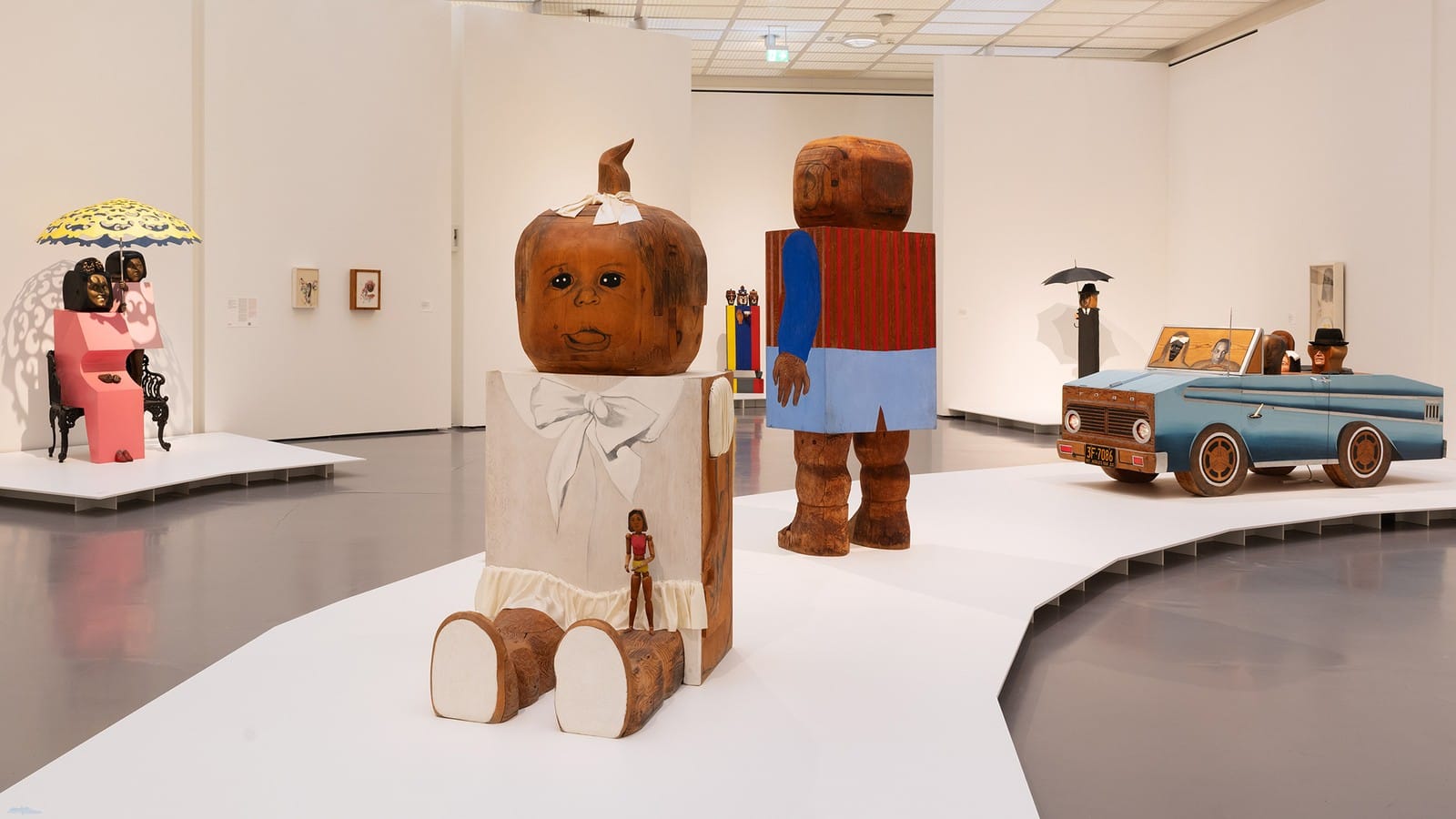
The first major European retrospective of María Sol Escobar, the Paris-born Venezuelan American artist known as Marisol who gained prominence in 1960s New York with her painted and assembled wooden sculptures, is organized as part of an international collaboration with the Louisiana Museum of Modern Art, Humlebæk; the Museum Boijmans Van Beuningen, Rotterdam; and the Museum der Moderne Salzburg. Bringing together around 100 works from across her career, the exhibition underscores how Marisol’s idiosyncratic sculptural language—combining elements of pop imagery, folk references, and pointed caricature—complicates fixed narratives of postwar Pop and Nouveau Réalisme.
Ju Ting
Summer
Galerie Urs Meile
Zurich
Jun 12–Aug 22, 2026
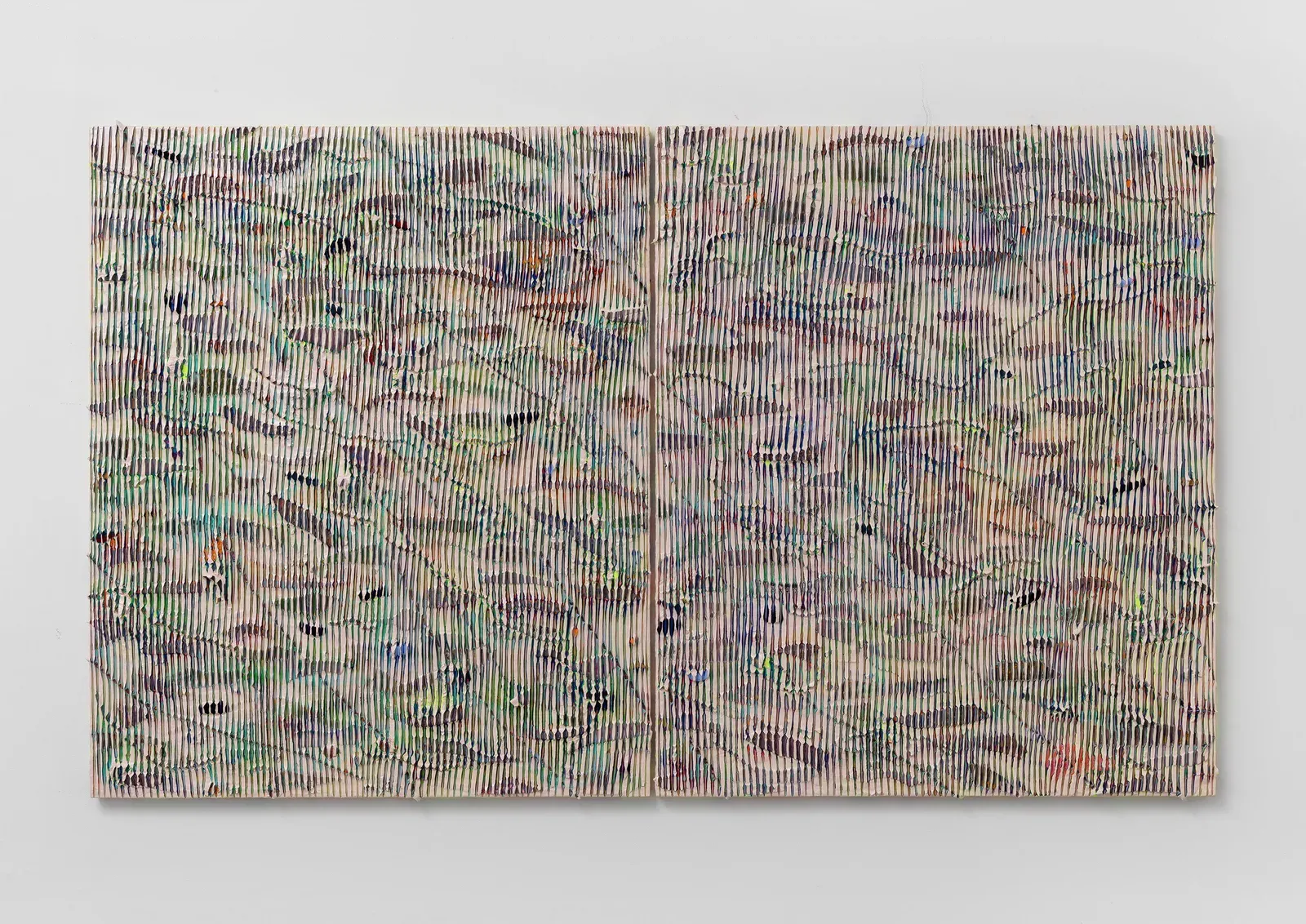
Beijing-based artist Ju Ting merges painting and sculptural processes by carving into dense thick layers of acrylic paint. Her solo exhibition at Galerie Urs Meile, titled “Summer,” includes pieces from her recent Deep Waters Run Quiet series (2026) alongside other works, emphasizing incision as a structuring device. Underlying strata are exposed in the tactile surfaces, giving the compositions a relief-like quality that recalls geological formations while foregrounding the theme of destruction as a generative and resilient mode of making.
Jiajia Zhang
And in 2084, You Are 62
Vontobel
Zurich
Jun 5–Aug 31, 2026
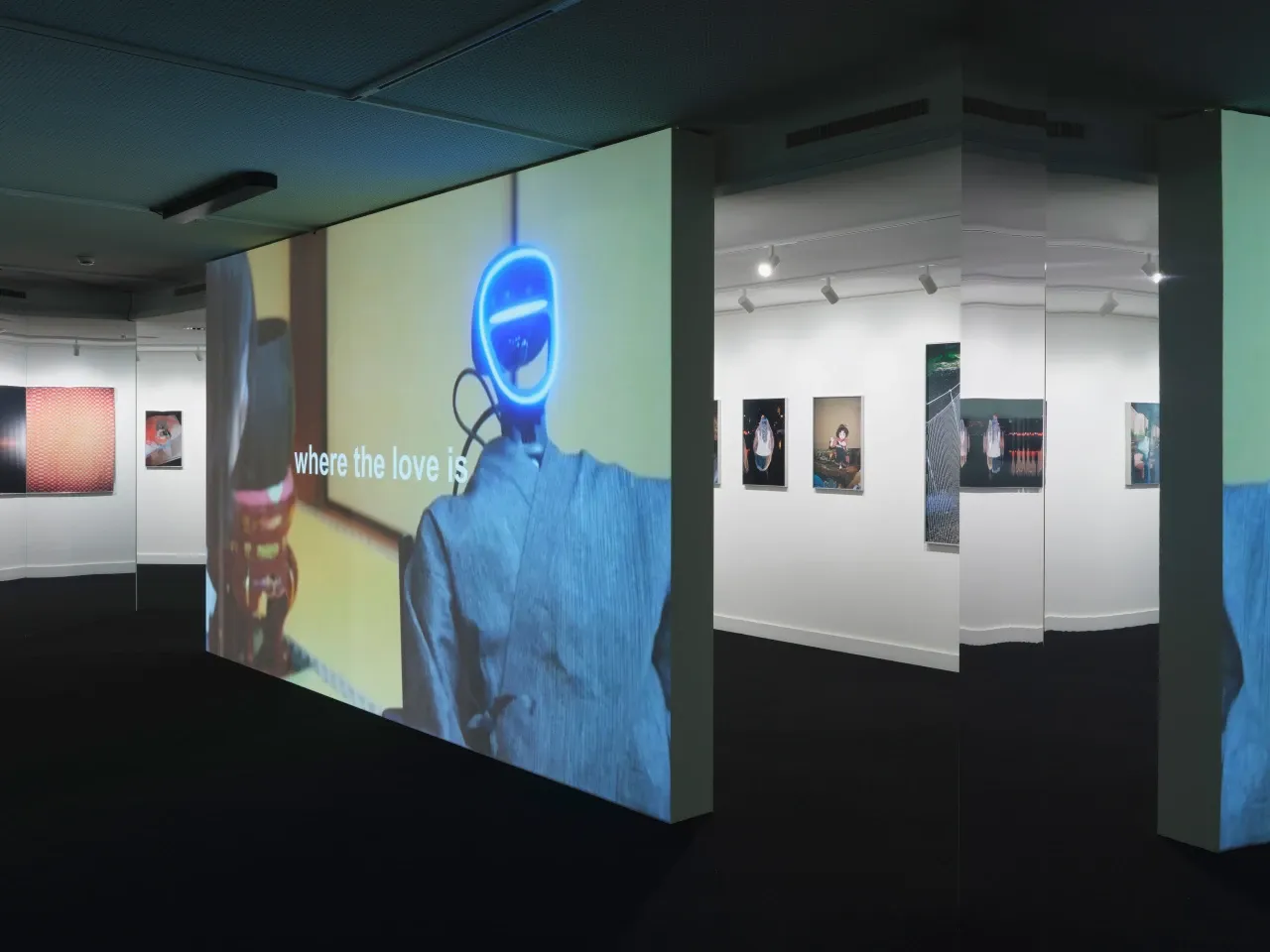
A recipient of the 2026 Art Vontobel Contemporary Photography Prize, Zurich-based Jiajia Zhang works across photography, video, sculpture, and installation. Her exhibition “And in 2084, You Are 62” takes the speculative prompt “Switzerland 2084” as a point of departure, assembling moving-image works, texts, and sculptural elements to critically examine modern existence. The project considers how technological conditions shape experiences of aging, identity, and social organization, situating imagined futures in relation to present-day concerns.
Fazal Sheikh
Erasure
Galerie & Edition Stephan Witschi
Zurich
May 28–Sep 5, 2026
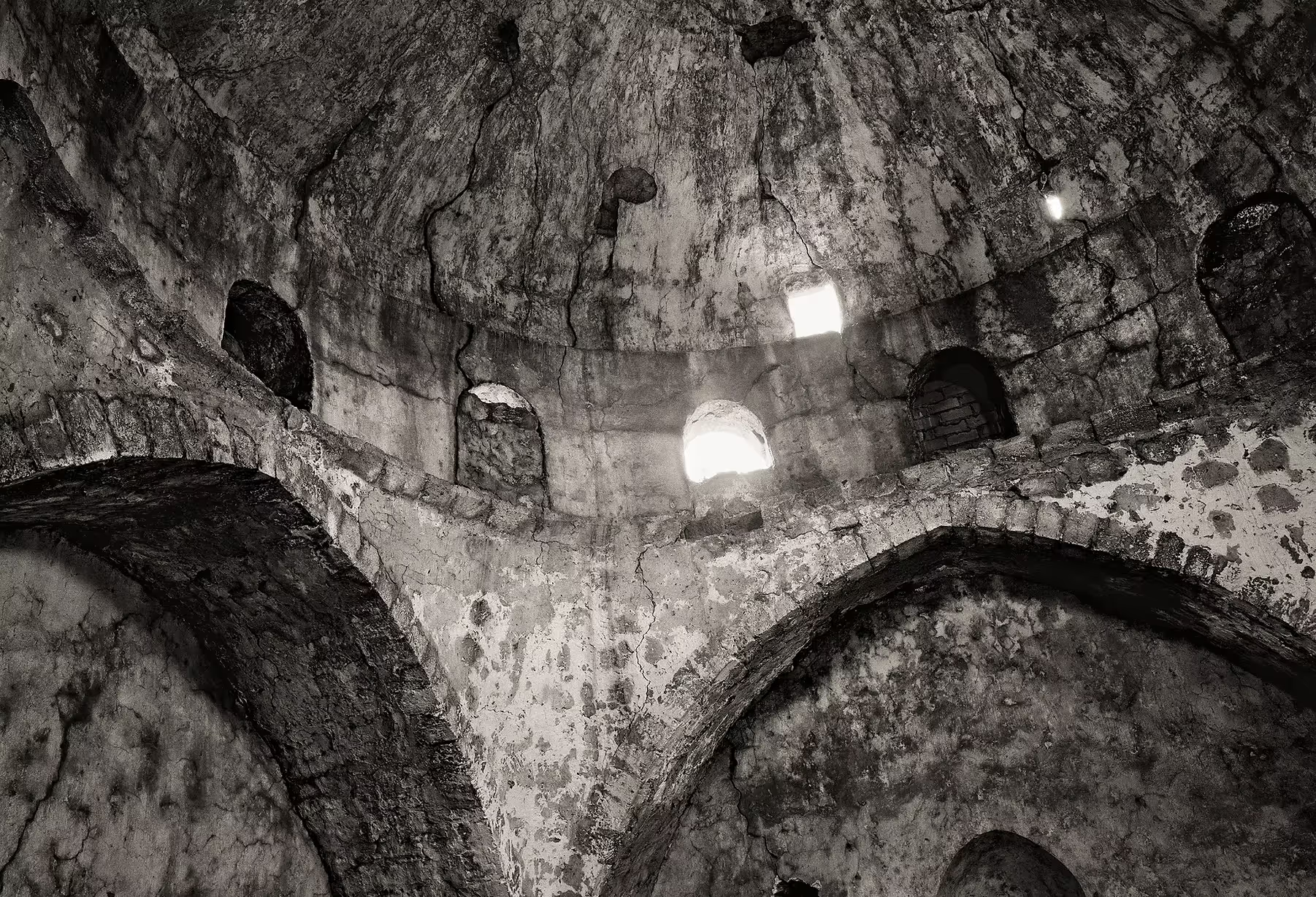
Fazal Sheikh’s “Erasure” draws from an extended body of work developed through repeated visits to the West Bank and Israel over more than a decade. His photographs address the ongoing impact of Palestinian displacement following the establishment of Israel in 1948, focusing on sites marked by absence as well as on individuals connected to these histories. Rendered in grayscale, the images register architectural remains, altered landscapes, and somber lived experience, evoking memory, loss, and suffering.
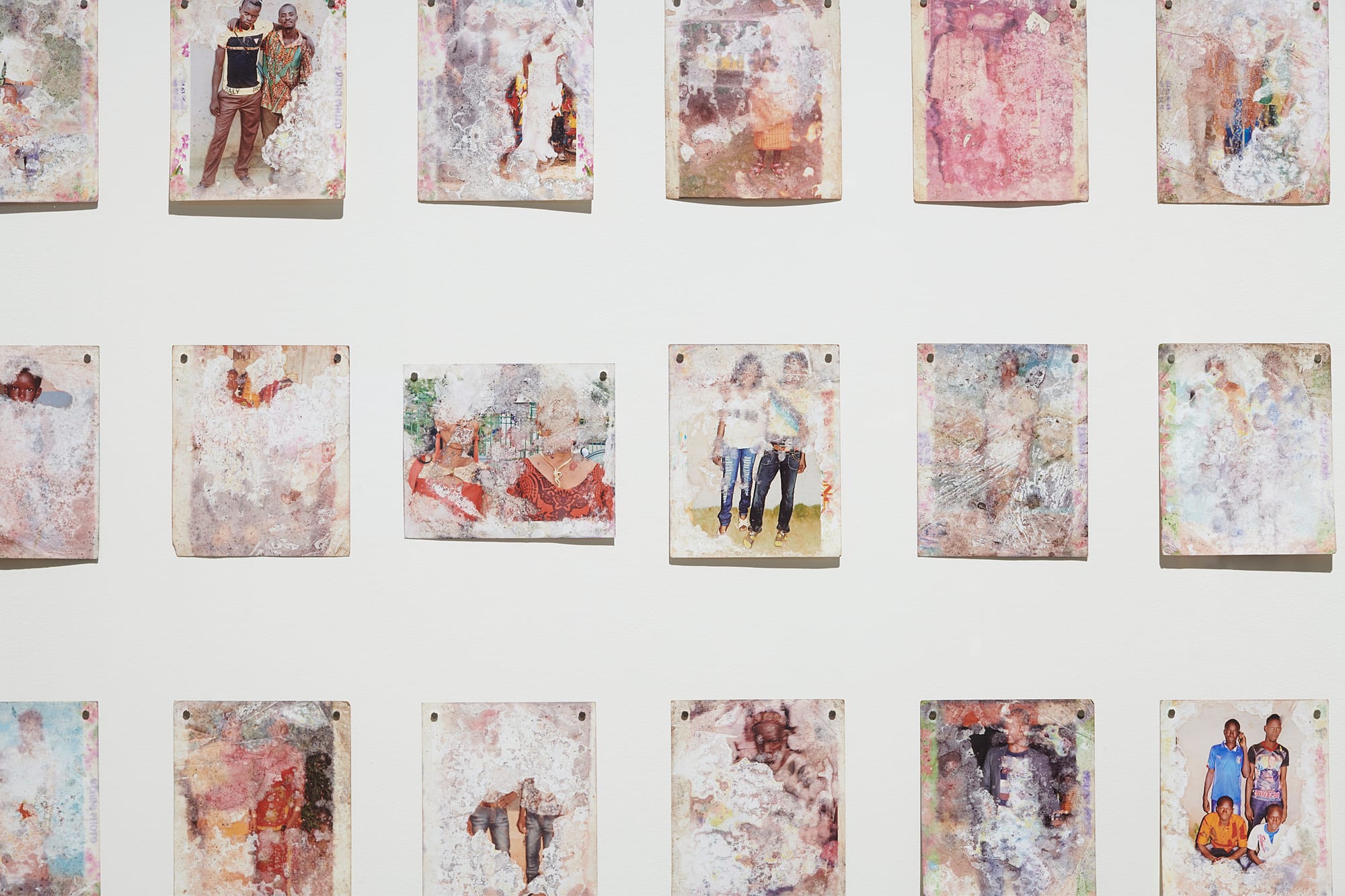
A Kind of Paradise – Colonial-Era Photography in Contemporary Art
Museum Rietberg
Zurich
Apr 16–Sep 6, 2026
Bringing together 20 international artists, “A Kind of Paradise – Colonial-Era Photography in Contemporary Art” engages with photographic images produced during the colonial period. Addressing the camera’s historical function within systems of classification and control, the works on view employ strategies including collage, archival reworking, and installation to examine how inherited visual records continue to shape understandings of identity, community, and history.