Shows
Shows to See in Hong Kong, July 2026
Isaac Chong Wai
An Intimate Surrender
Tai Kwun
Jul 10–Aug 9
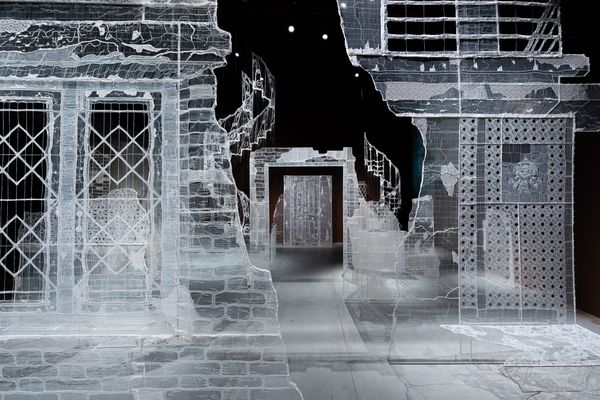
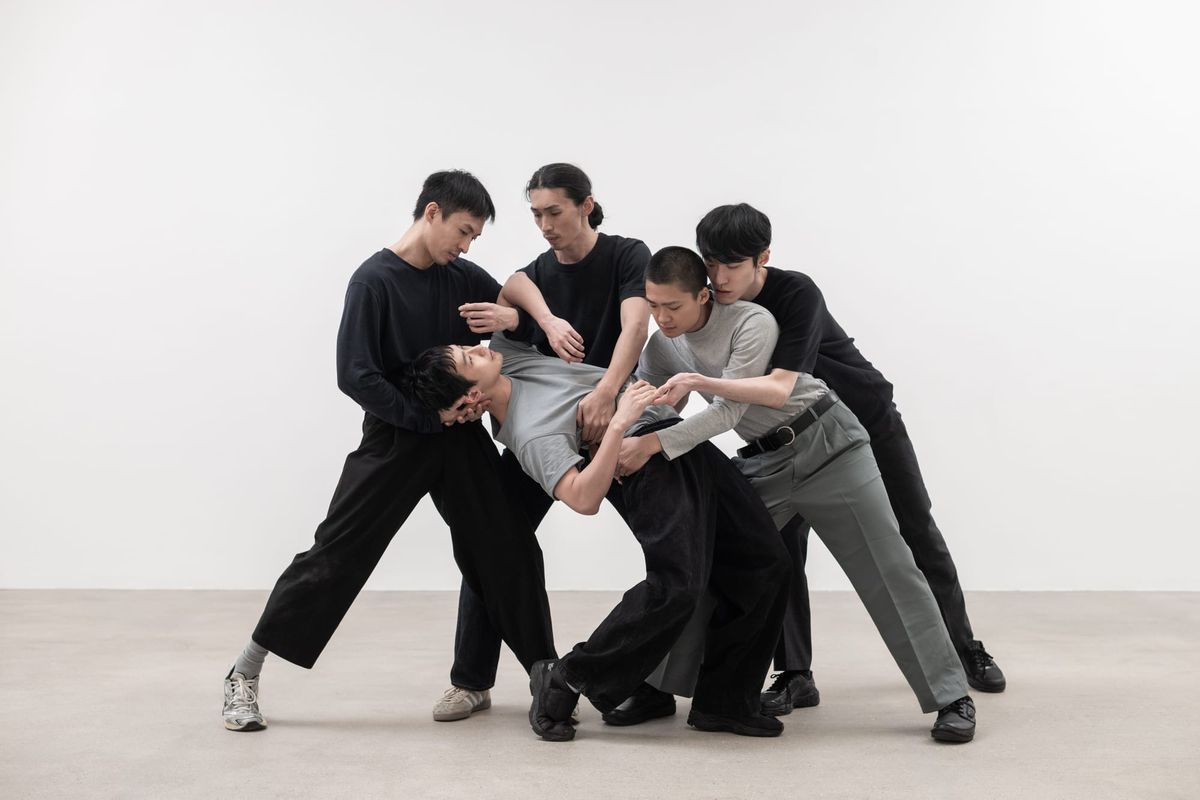
For his solo exhibition at Tai Kwun Contemporary, titled “An Intimate Surrender,” Isaac Chong Wai examines the tender violence within human relations through a new live art commission. The performance unfurls across the third-floor gallery, where dancers move through an immersive installation comprising metal frameworks, etched glass, mirrored panels, and textiles, which reference the physical infrastructure of film and theater scenes and gestures. Their choreographed motions draw on the 1993 historical drama Farewell My Concubine and Peking Opera, expressing the fluid nature of gender, corporeality, and memory, as well as the power dynamics that subtly inform our collective psyche.
Dan Flavin
Grids
David Zwirner
May 28–Aug 8
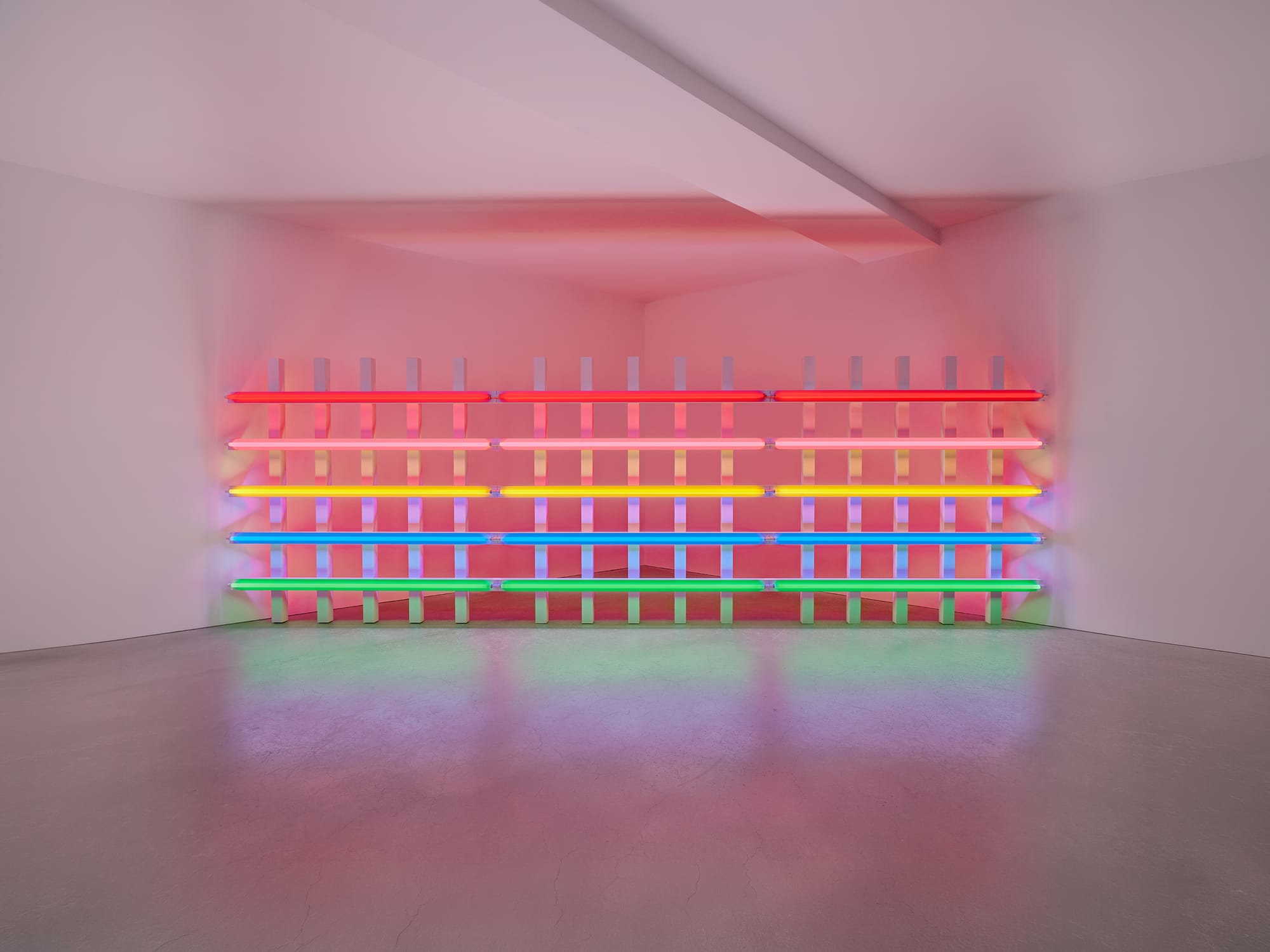
“Dan Flavin: Grids” is the late American artist’s first solo exhibition in Greater China. The grids, begun in 1976, deploy fluorescent tubes in vertical and horizontal rows: half facing the viewer, half turned toward the wall. The arrangement produces one of the artist’s most complex chromatic investigations—color blends and refracts across the junctions, spilling onto the floor and staining the walls, making the architecture itself an active part of the work. The presentation brings together loans from the Solomon R. Guggenheim Museum in New York, the Princeton University Art Museum, the San Francisco Museum of Modern Art, and the Estate of Dan Flavin.
Ha Bik Chuen
Ha Bik Chuen: 1960s–70s
Rossi & Rossi
May 23–Aug 8
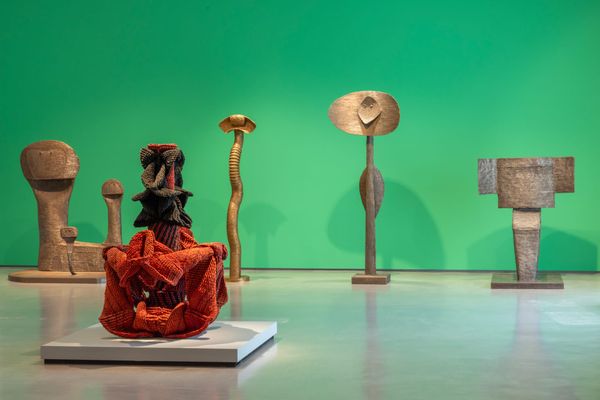
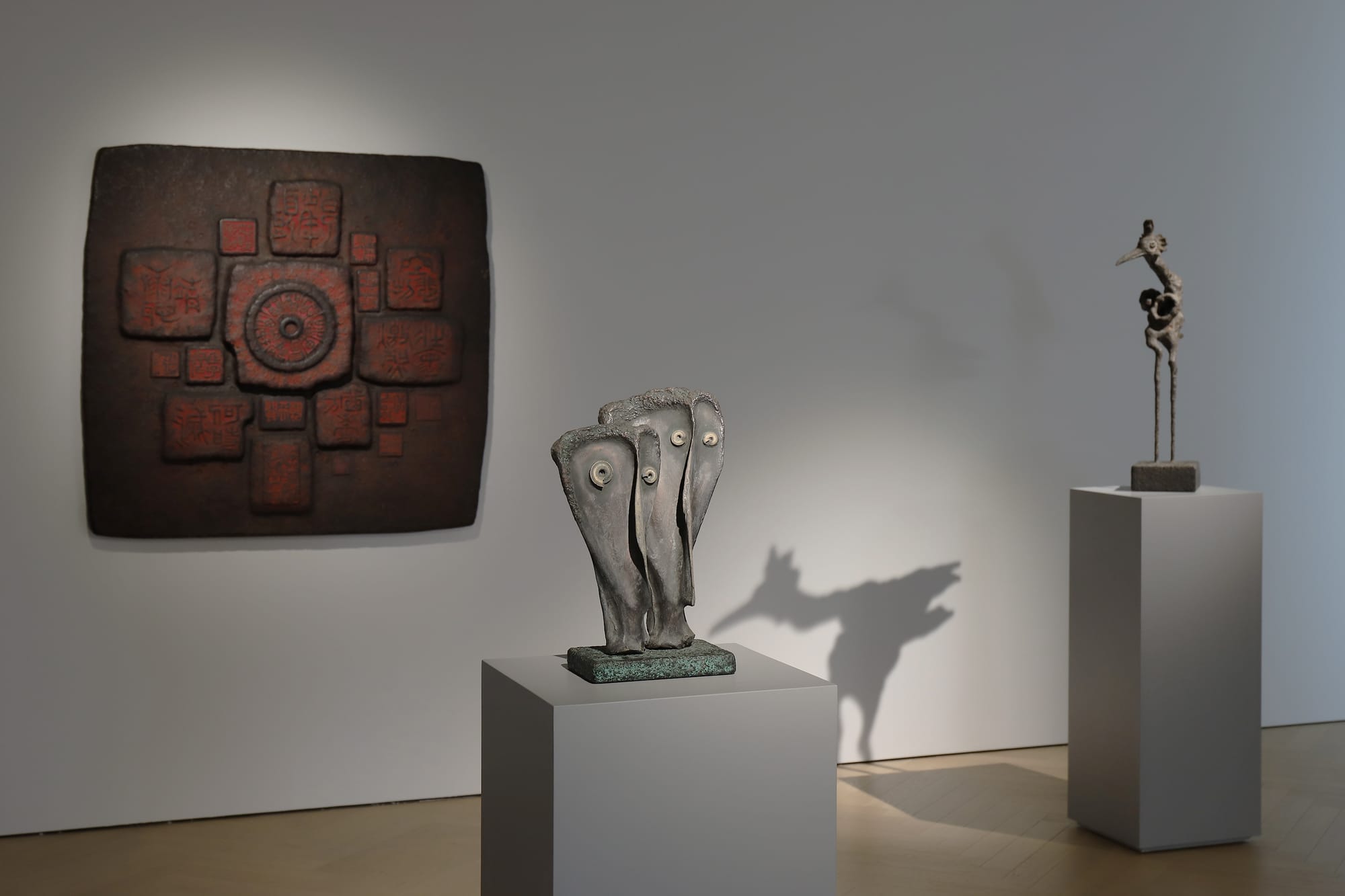
“Ha Bik Chuen: 1960s–70s” offers a glimpse into the early career of the late Hong Kong artist, presenting a selection of works long held in his home and largely unseen until now. The mixed-media sculptures and bas-reliefs showcase Ha’s distinctive technique for simulating aged bronze and stone—a skill he developed after the rise of plastic production displaced his paper flower business in the 1960s. Blurring the lines between art and industrial craft, the works trace Ha’s navigation of Hong Kong’s rapid modernization during the period, embodying the intersection of changing times and the meeting of Eastern and Western cultures.
Bosco Sodi
Scroll Paintings
Axel Vervoordt Gallery
May 30–Sep 5
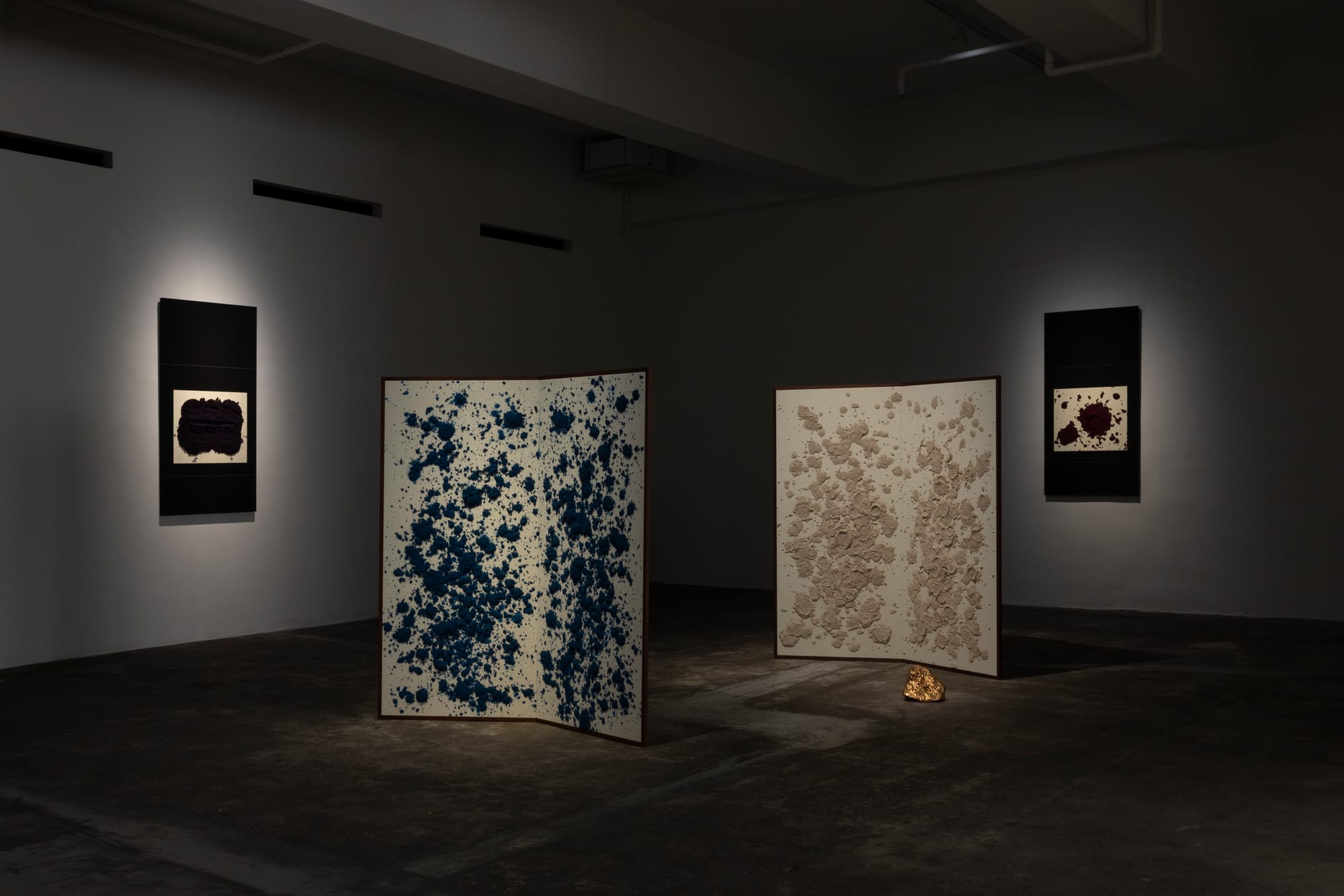
Mexican artist Bosco Sodi returns to Axel Vervoordt Gallery with “Scroll Paintings,” presenting works that marry his longstanding commitment to raw, natural materials with the historically laden format of the traditional scroll. Pigments are splattered against hand-crafted textile, capturing a singular, unrepeatable moment of material encounter. At once elemental and meditative, the tension between Sodi’s gestural spontaneity and the scroll’s deeply codified history gives the works their charge.
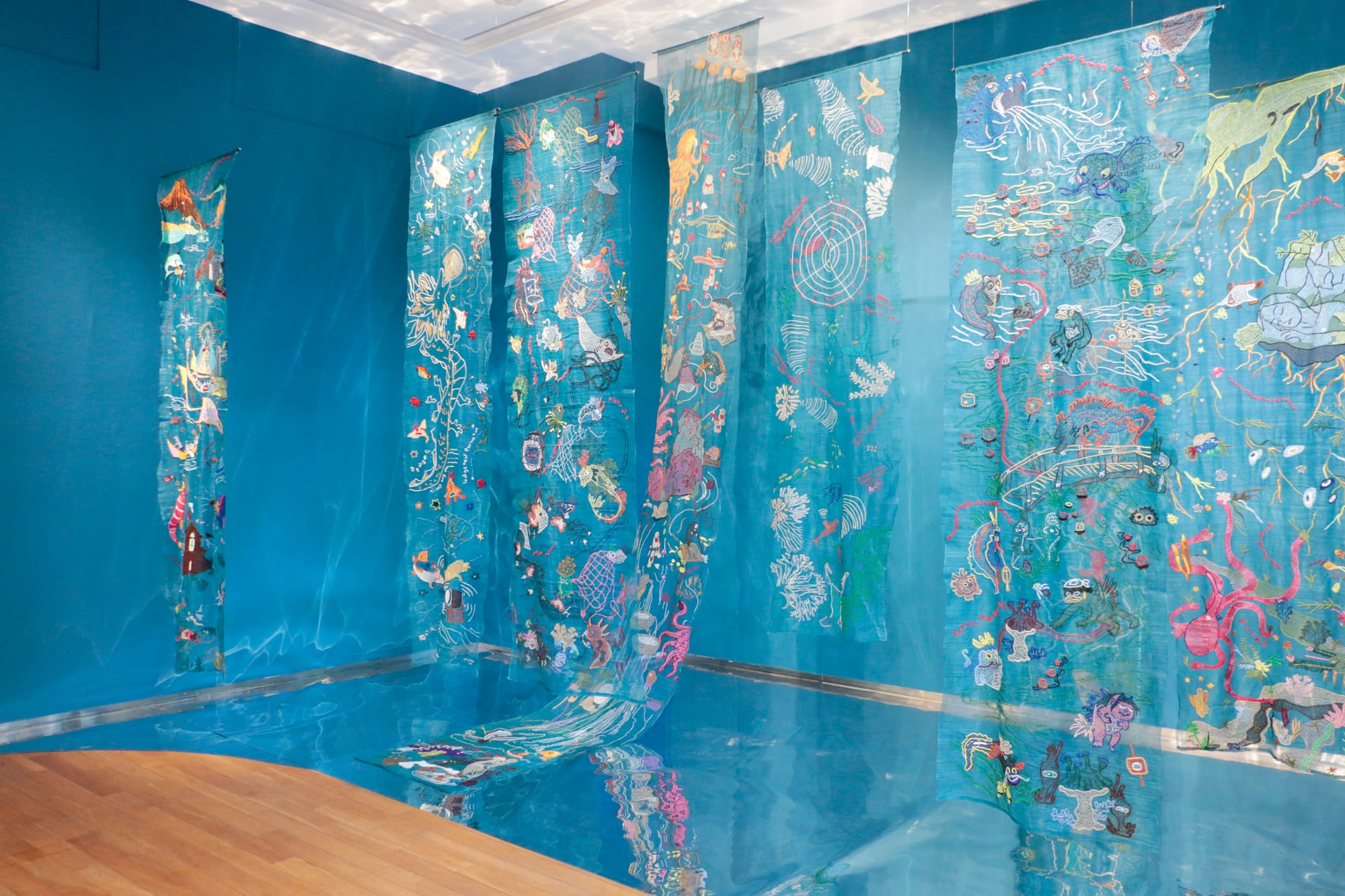
Josephine Turalba
We Are The Sea
10 Chancery Lane Gallery
Jun 3–Aug 1
Curated by Caroline Ha Thuc, this solo exhibition by Manila-born artist Josephine Turalba—now in her seventh decade—takes its inspiration from a striking phrase by Fijian writer and anthropologist Epeli Hauʻofa: “We are the sea, we are the ocean.” Embroidered mesh swaths flow down from the ceiling as caustics ripple across the walls, conjuring a whimsical, mythical underwater seascape in which humans, animals, and nature are united. Turalba crafts a narrative of harmony that she encourages viewers to immerse themselves in, one in which all of Earth’s beings and lands are interconnected.
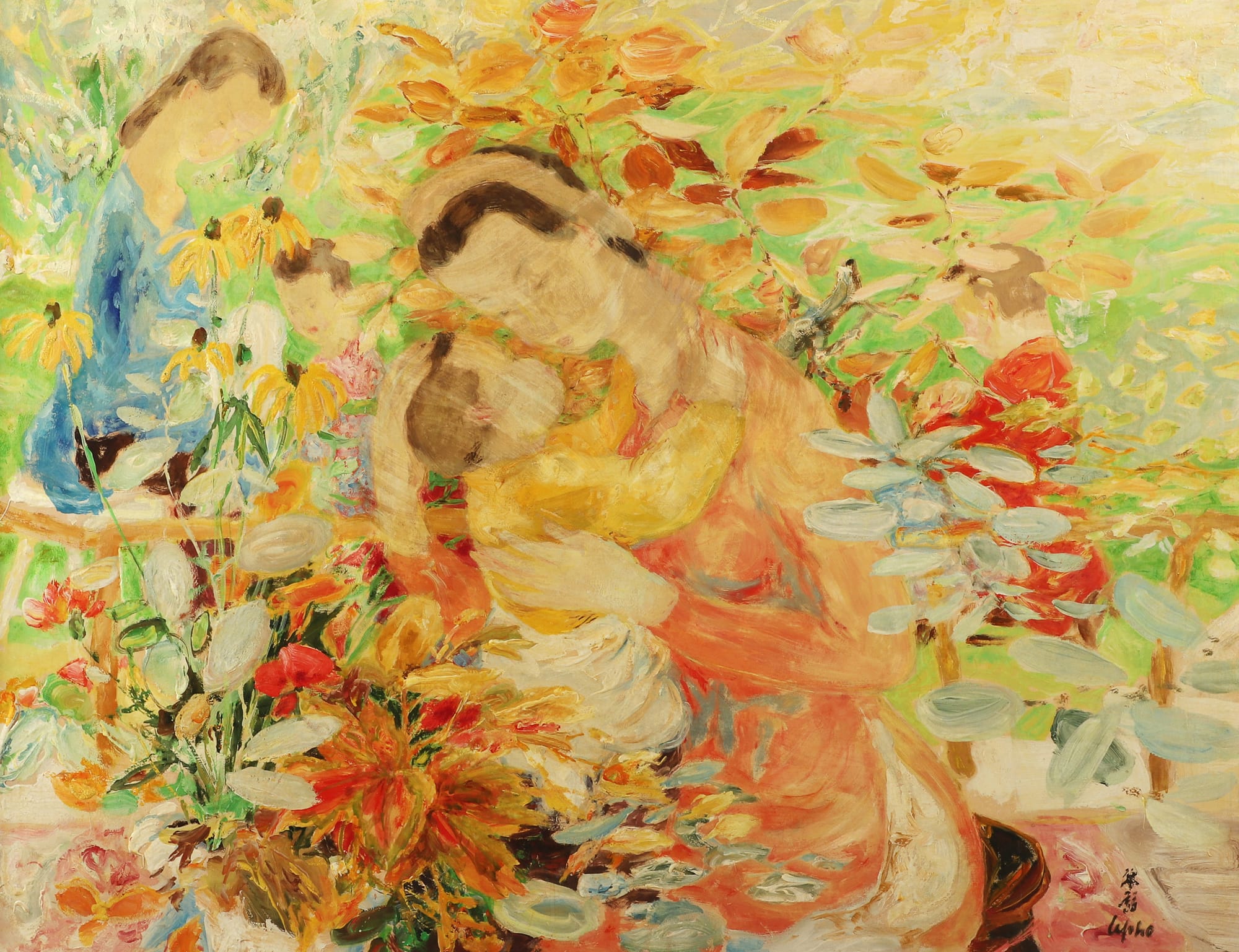
As the Ground Holds
Villepin
May 21–Aug 8
“As the Ground Holds” unites four modernists with a long, intertwined history: Léonard Tsuguharu Foujita, Zenzaburō Kojima, Lê Phổ, and Mai Trung Thứ. All four moved within Paris’s migrant artist circles at different moments across the 20th century—a shared journey that bound their careers even as their styles diverged. Foujita and Kojima had been part of the École de Paris milieu since the 1920s; Lê Phổ and Mai Trung Thứ followed, journeying from Vietnam to France in 1937. Lê Phổ and Foujita later exhibited together in the late 1950s. The exhibition brings their distinctly developed modernist practices into dialogue, tracing how each artist navigated the Western art world while remaining rooted in their Japanese and Vietnamese origins.
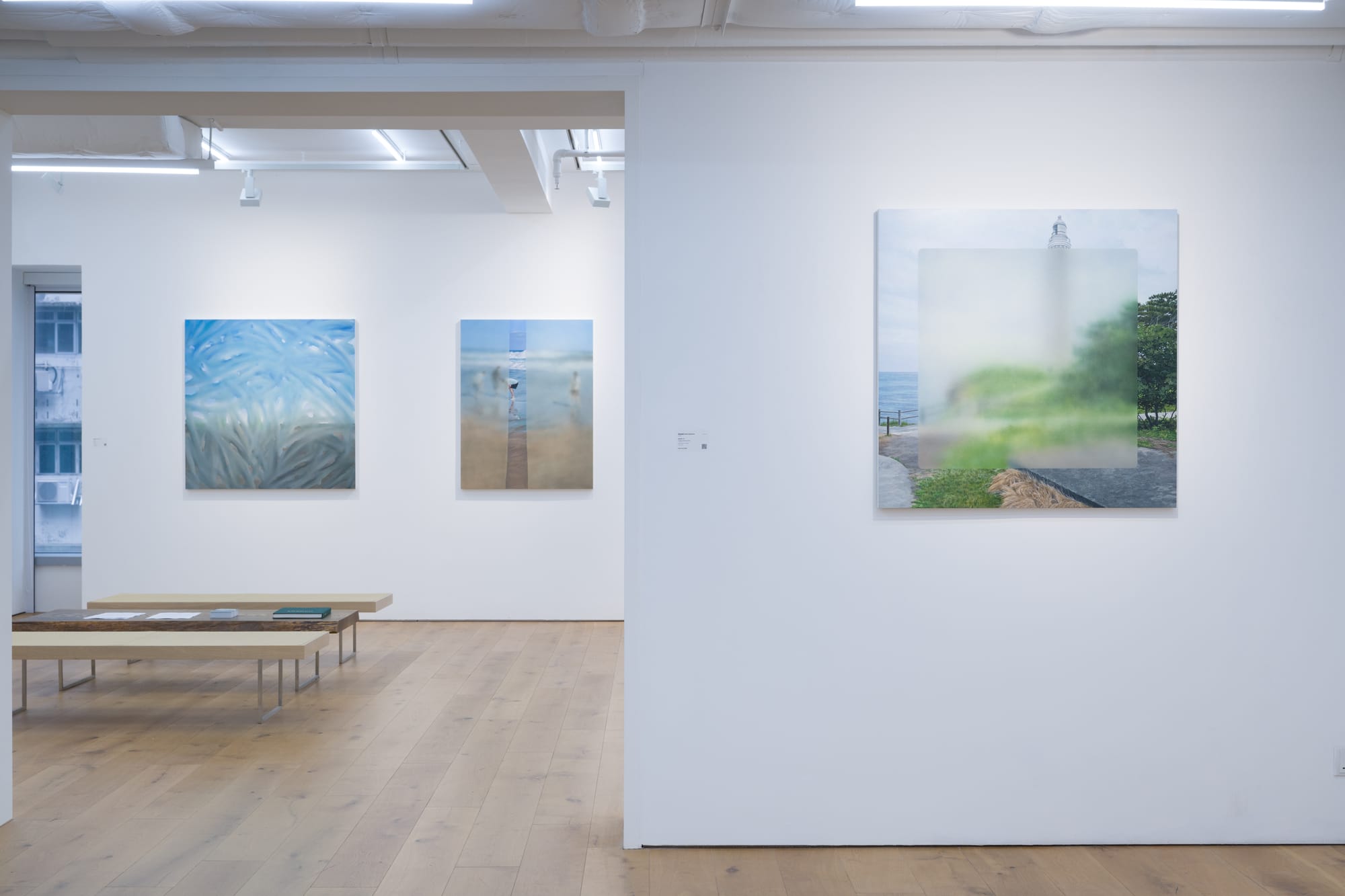
Kisho Kakutani & Kosuke Harasawa
Intersection
Whitestone Gallery
May 16–Jul 4
Whitestone Gallery brings together two emerging Japanese artists whose practices meet at an unlikely and poetic convergence. Kisho Kakutani renders serene morning scenes of nature with a soft blur that mimics frosted glass or a lifting haze, while Kosuke Harasawa turns to Hong Kong’s nighttime streetscape—red taxis, trams, and bamboo scaffolding—rendered in vivid nocturnal detail. The pairing is quietly compelling: one artist dissolves the world in light, the other sharpens it into neon; one paints the natural and the other the metropolitan. Together they map the solitude, transience, and incidental beauty of urban existence.
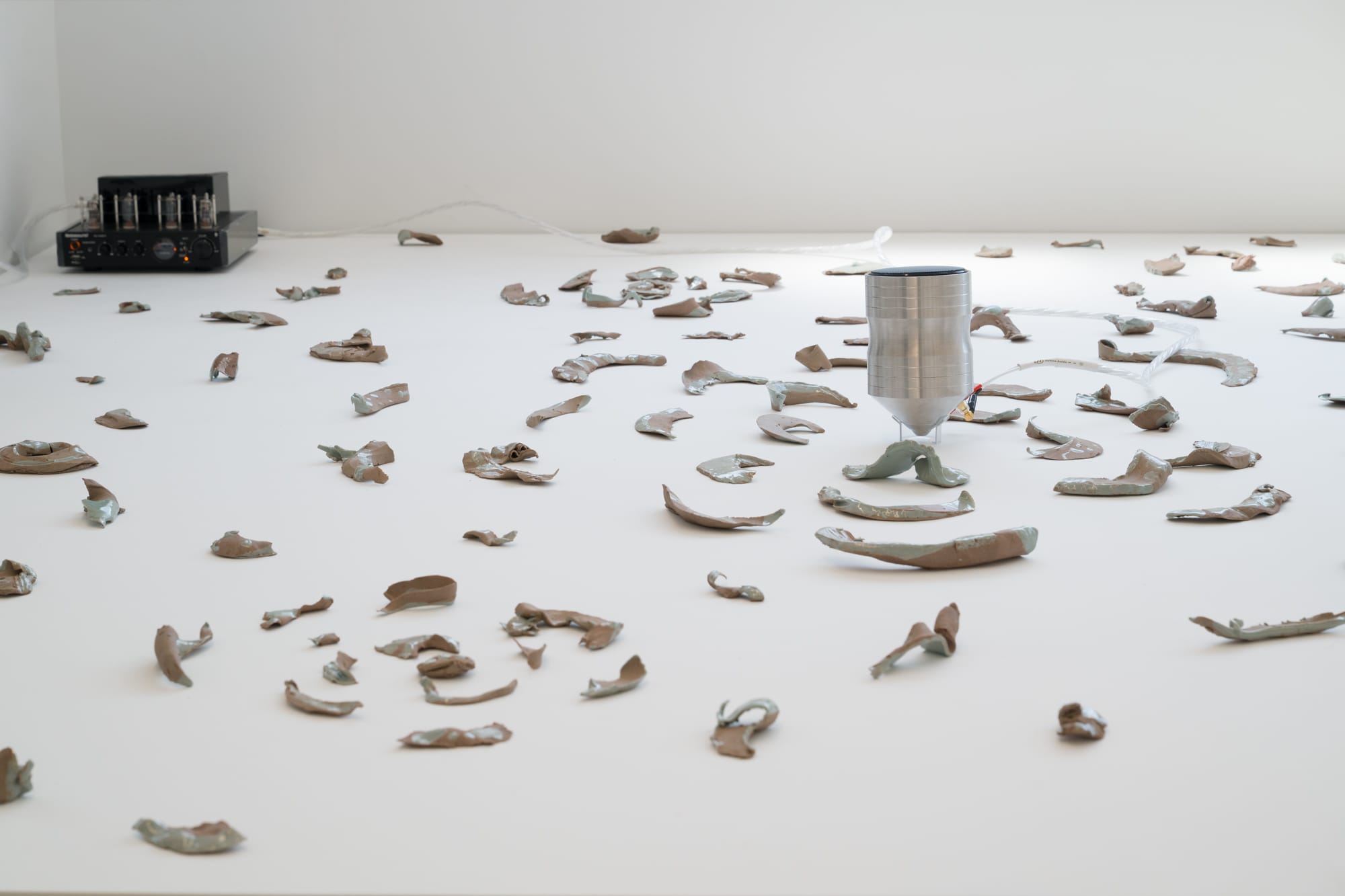
Li Ming
Swayy Wayy
Antenna Space
Jun 6–Aug 8
In his new solo exhibition at Antenna Space, Hangzhou-based experimental artist Li Ming introduces his abstract concept of “swayy wayy”—a term he uses to describe the metaphysical residue of everyday experience: the echoes of conversations replayed in the mind, the whistling sound of Marvel character Yondu, or an encounter with an unorthodox Daoist priest. Through paint prints made from long-exposure photographs, glitching video displays, and scattered ceramic fragments, Li encapsulates the temporal and sensory flux that his perception of swayy wayy evokes, probing how memory, transliteration, and the slippage of time might “refresh” the familiar.
N+ Sick Collection 3.0
The Garage
Jun 19–Jul 18
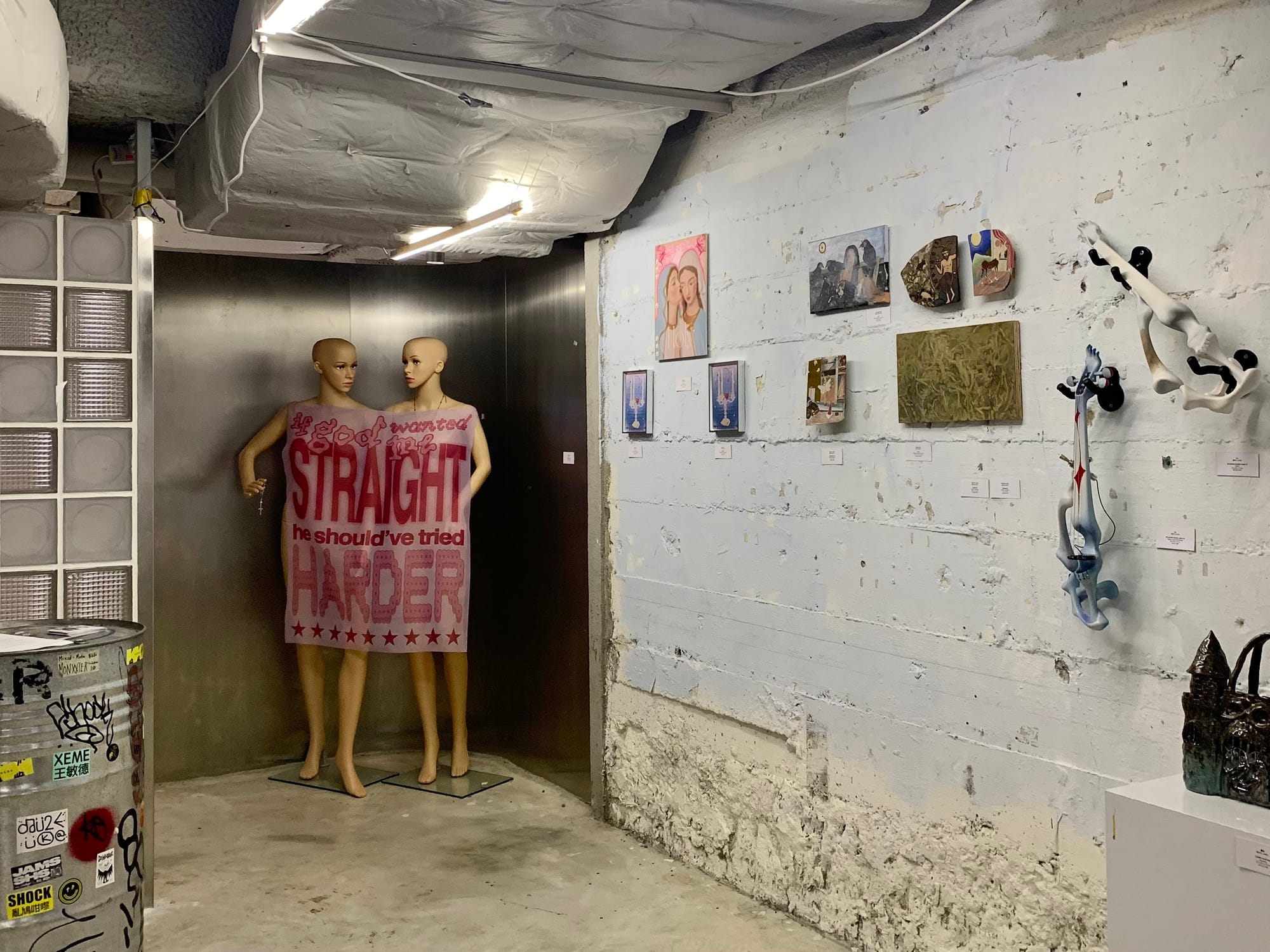
The indie collective N+ Museum returns for its third annual exhibition, “Sick Collection 3.0,” featuring works of 55 up-and-coming Hong Kong artists in a dark, gritty basement. Parodying the M+ Sigg Collection, the show spans painting, experimental installation, ceramics, and video art. Self-described as a museum “run by artists, for artists,” N+ rejects market commodification and institutional validation, embracing instead the messy, urgent creativity of the present moment.
Emily Ng is an editorial intern at ArtAsiaPacific.