Shows
Must-See National Pavilions at the 61st Venice Biennale

Japan
Grass Babies, Moon Babies
“Grass Babies, Moon Babies” draws on Japanese American artist Ei Arakawa-Nash’s experience as a queer parent to explore responsibility, love, and labor. Co-curated by Lisa Horikawa and Mizuki Takahashi, the exhibition invites visitors to carry one of 200 baby dolls—hand-sewn by the artist’s mother and her friends in Fukushima—through the pavilion, its gardens, and into its interior spaces, where a sound piece composed from the voices of Arakawa-Nash’s own twin infants permeates the architecture. The journey unfolds as a lived choreography, culminating in diaper changing as an act of collective care, after which QR codes can be scanned to generate personalized “diaper poems.” The project will expand beyond Venice through partnerships with institutions such as New York’s Noguchi Foundation, Hanover’s Kestner Gesellschaft, and Los Angeles’s J. Paul Getty Museum, alongside a collaboration with the Korean Pavilion.
The Philippines
Sea of Love / Dagat ng Pag-ibig
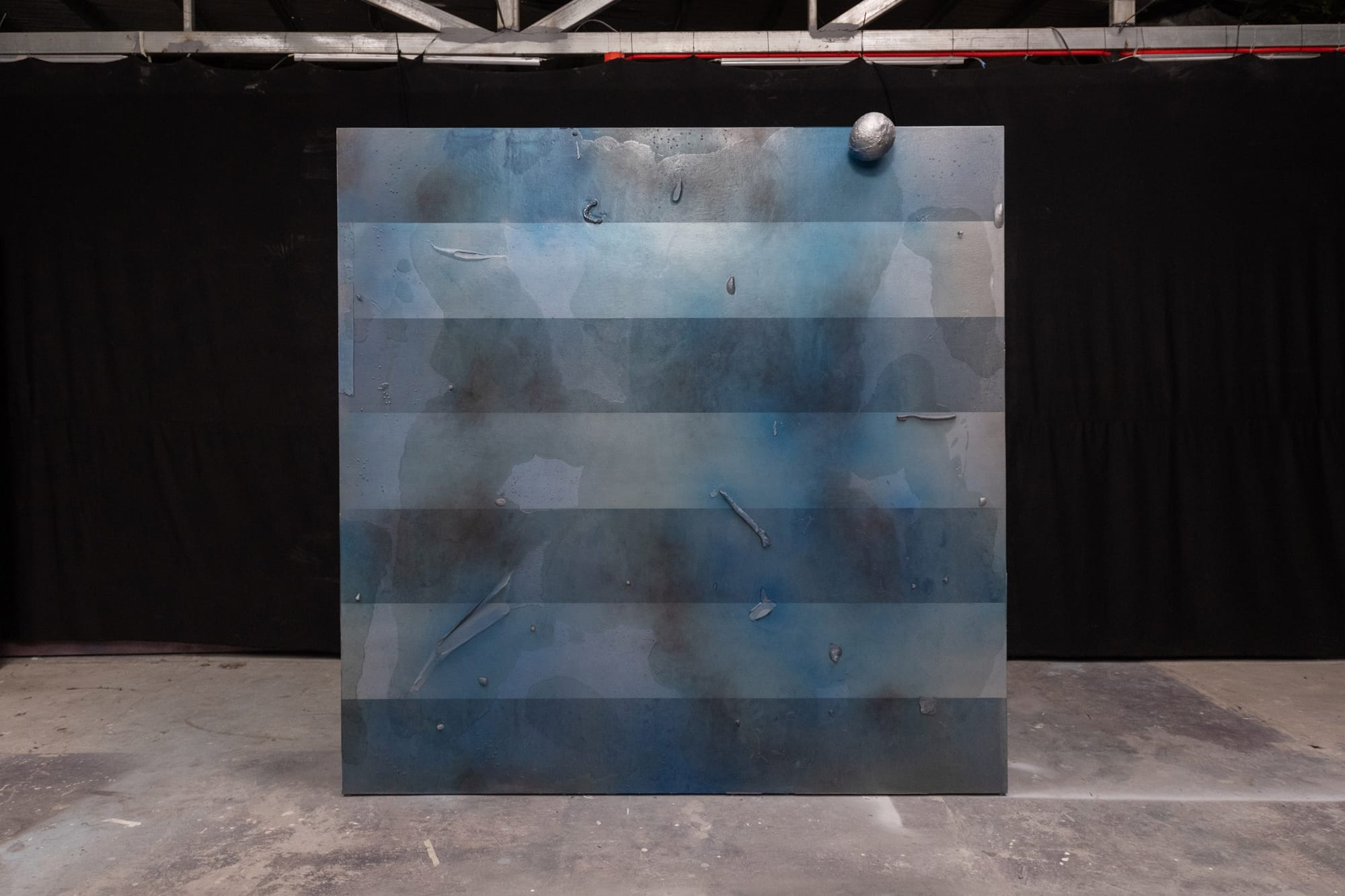
Reflecting on the Philippines’s archipelagic geography and cultural milieu, the Philippine Pavilion presents “Sea of Love / Dagat ng Pag-ibig,” a solo show by Manila-born interdisciplinary artist and filmmaker Jon Cuyson. Anchored in what the artist calls “mussel thinking”—a conceptual framework inspired by the humble shellfish—the pavilion brings together paintings, videos, sculptures, and other works spanning Cuyson’s three-decade practice. Curated by Mara Gladstone, the exhibition takes shape as an evolving archive that foregrounds the vital yet often overlooked role of Filipino seafarers in global trade, envisioning the ocean not as a barrier but as a dynamic site of movement and encounter.
Timor-Leste
Across Words
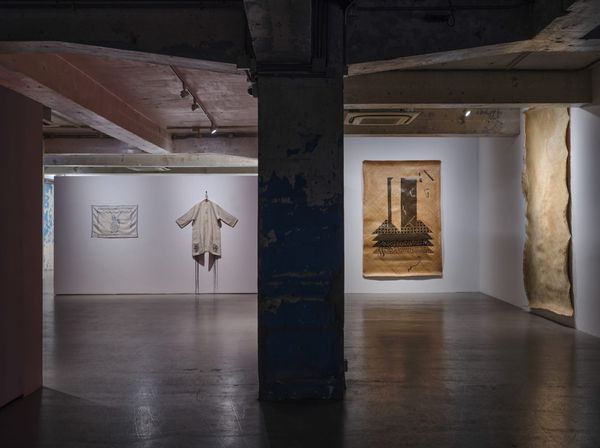
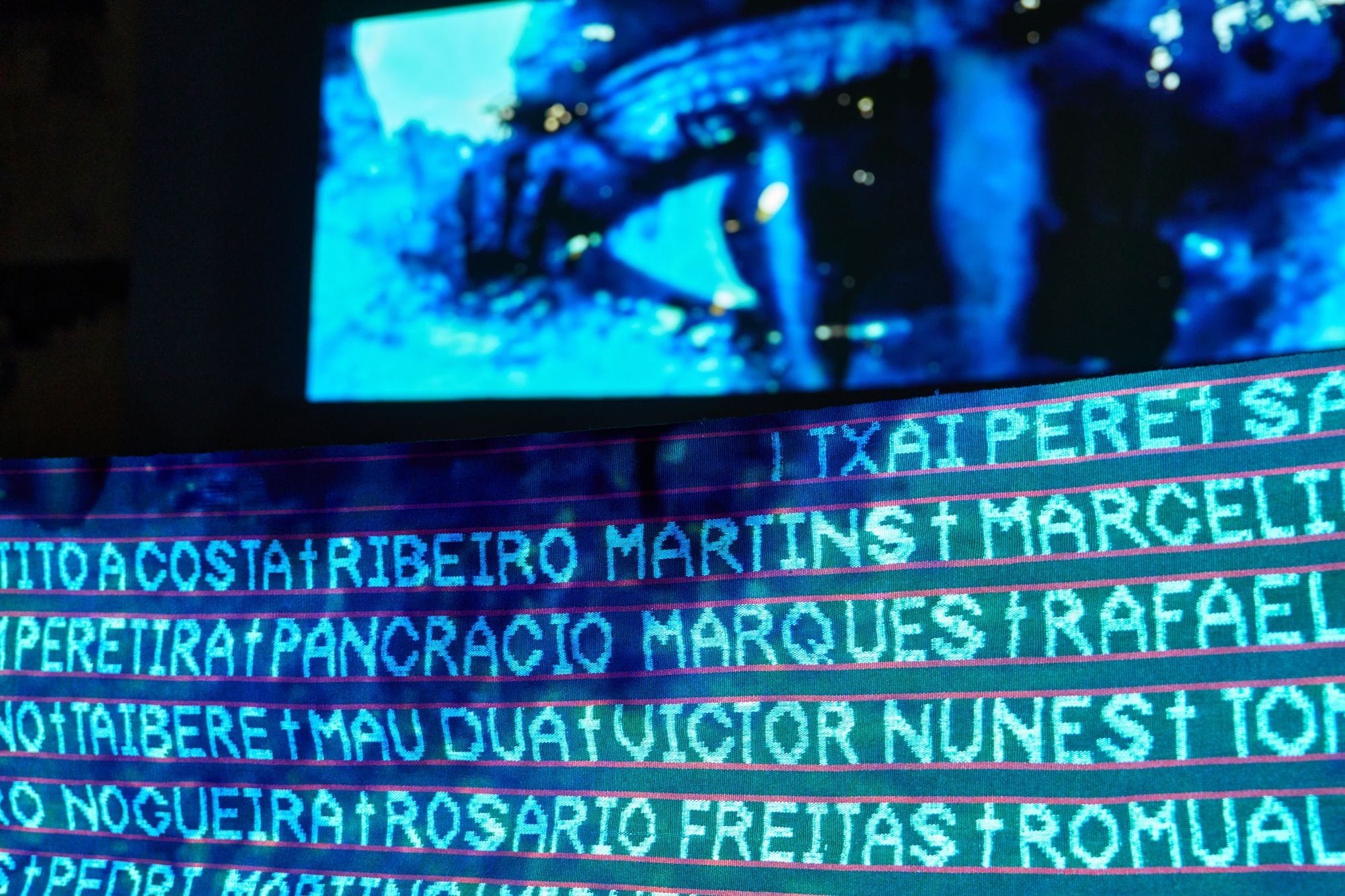
For its second participation in the Venice Biennale, Timor-Leste gathers three multigenerational artists—Verónica Pereira Maia, Etson Caminha, and Juventino Madeira—whose works explore their homeland’s ethnolinguistic diversity through themes of nation-making, cultural memory, and oral histories. Titled “Across Words” and curated by Loredana Pazzini-Paracciani, the exhibition features Pereira Maia’s seminal textile piece Tais Don (1994–99), commemorating the 1991 Santa Cruz massacre in which Indonesian troops killed over 250 pro-independence demonstrators, alongside new audiovisual installations, such as Caminha’s CUALE (Flow) and Madeira’s Fraze ne’ebé seidauk hotu (An Unfinished Sentence) (both 2025–26), that foreground the vibrant and ever-evolving layers of Timorese identity.
Singapore
A Pause
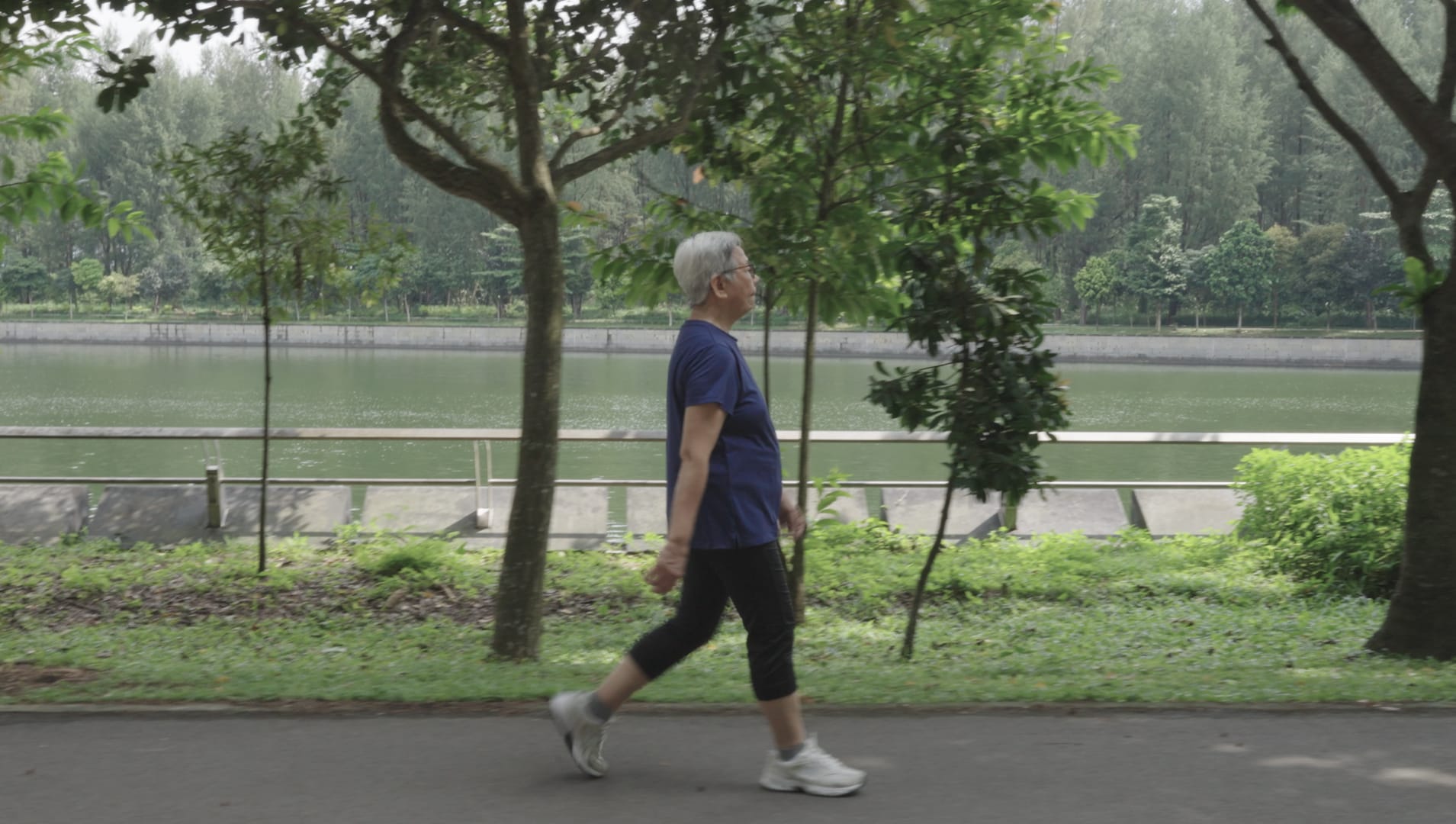
Singapore is represented by Amanda Heng, a pioneering feminist performance artist and seminal figure in the country’s contemporary art canon. As only the second woman—and the most senior artist—to stage a solo pavilion for Singapore at the Venice Biennale, she extends a decades-long practice that foregrounds the body and the ordinary as her primary material. Curated by Selene Yap and titled “A Pause,” the pavilion turns on quiet, everyday gestures—sitting, waiting, watching—recasting the space as one of rest and close attention. Through this deliberately understated register, Heng reflects on vulnerability and endurance, proposing resilience and renewal through the act of being present.
India
Geographies of Distance: Remembering Home
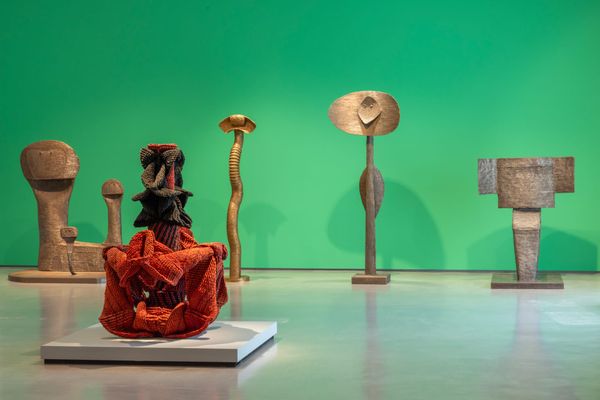
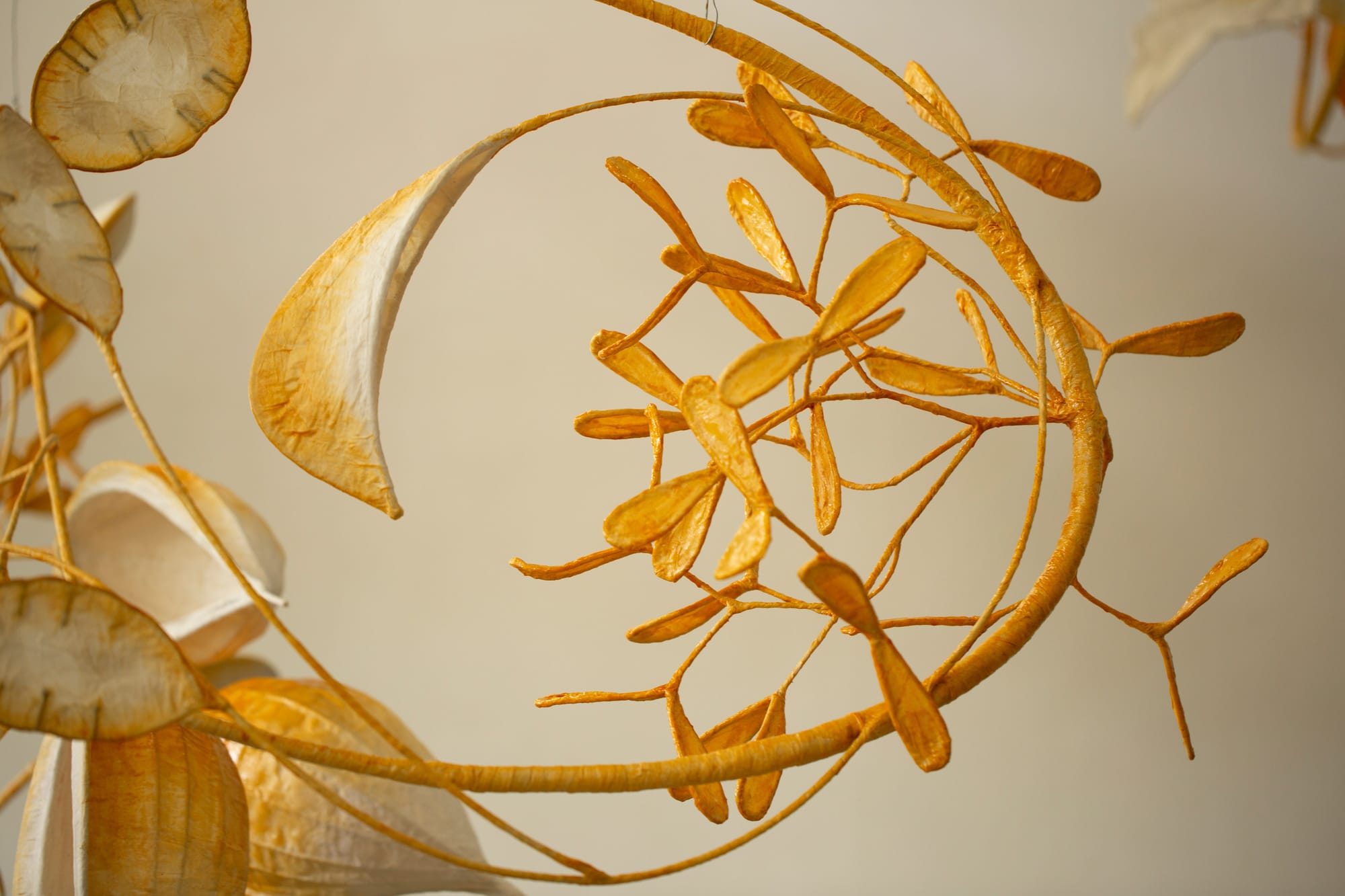
After a seven-year absence from the Venice Biennale, India returns with “Geographies of Distance: Remembering Home,” a pavilion curated by Amin Jaffer and featuring five artists from different regions of the country—Alwar Balasubramaniam (Bala), Sumakshi Singh, Ranjani Shettar, Asim Waqif, and Skarma Sonam Tashi—who work with organic, locally rooted materials and inherited craft processes. Through sculpture, installation, and other media, their practices explore how India’s cultural identities and environments are being reshaped amid globalization, treating “home” less as a single place than a shifting state formed by overlapping memories, narratives, and beliefs.
Uzbekistan
The Aural Sea
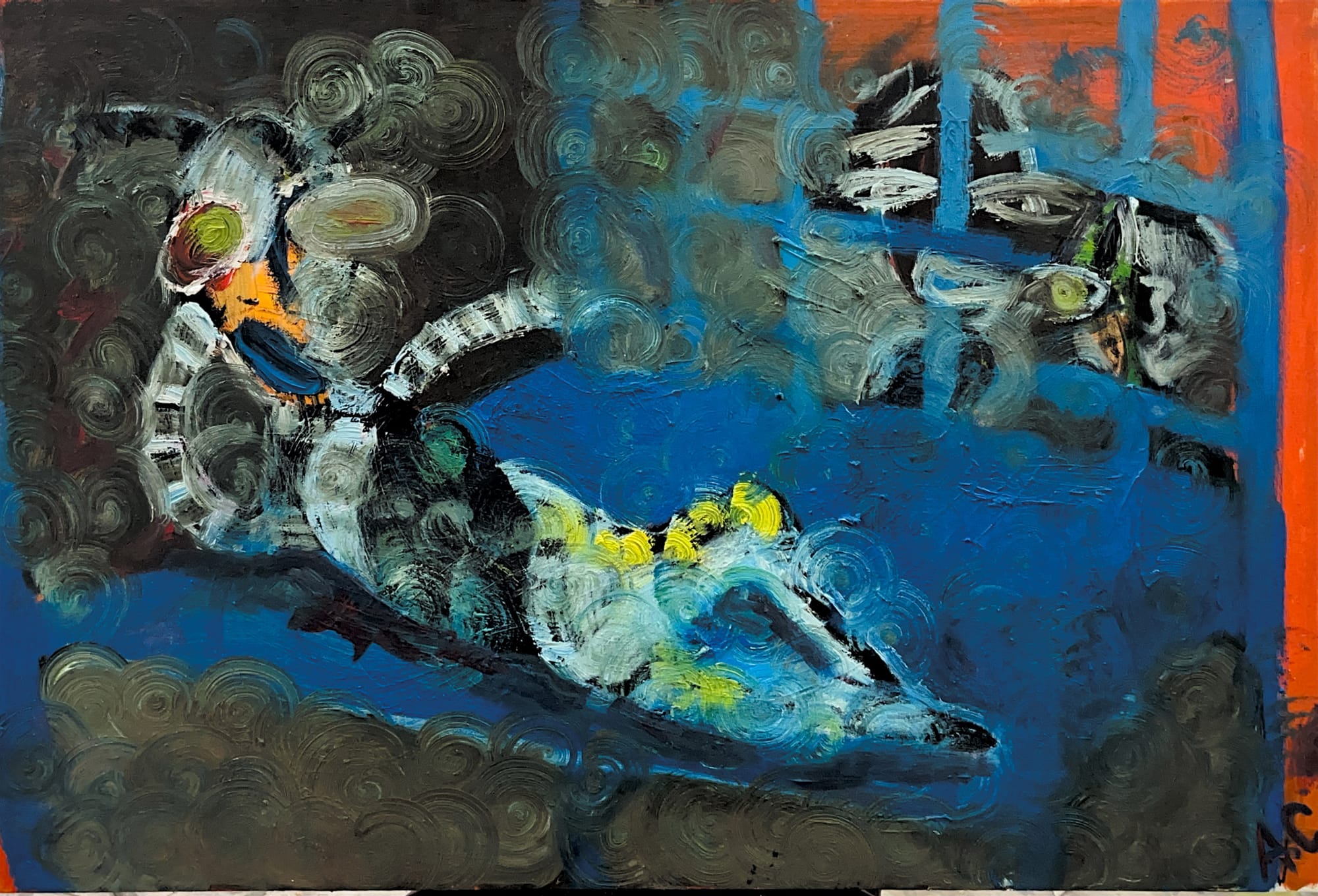
Drawing on the writings of Karakalpak author Allayar Darmenov, the Uzbekistan Pavilion brings together seven artists—Jahongir Bobokulov, Zi Kakhramonova, Aygul Sarsen, Zulfiya Spowart, Xin Liu, A.A.Murakami, and Nguyen Phuong Linh—working across painting, textile, installation, and other media to reflect on the aftermath of the Aral Sea disaster. Focusing on Karakalpakstan—where Soviet irrigation schemes from the 1960s onward caused much of the inland lake to dry up—the exhibition turns to mythmaking and storytelling as ways of processing ecological grief.
United Arab Emirates
Washwasha
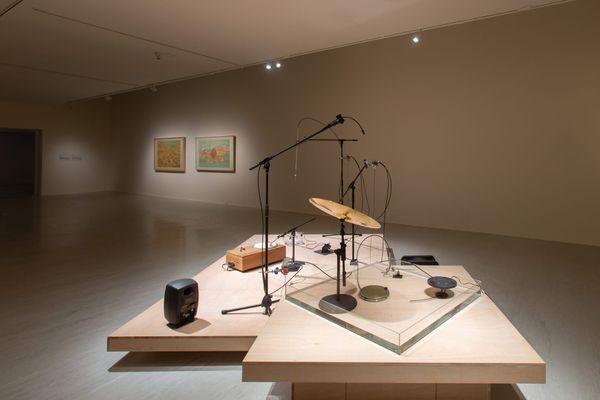
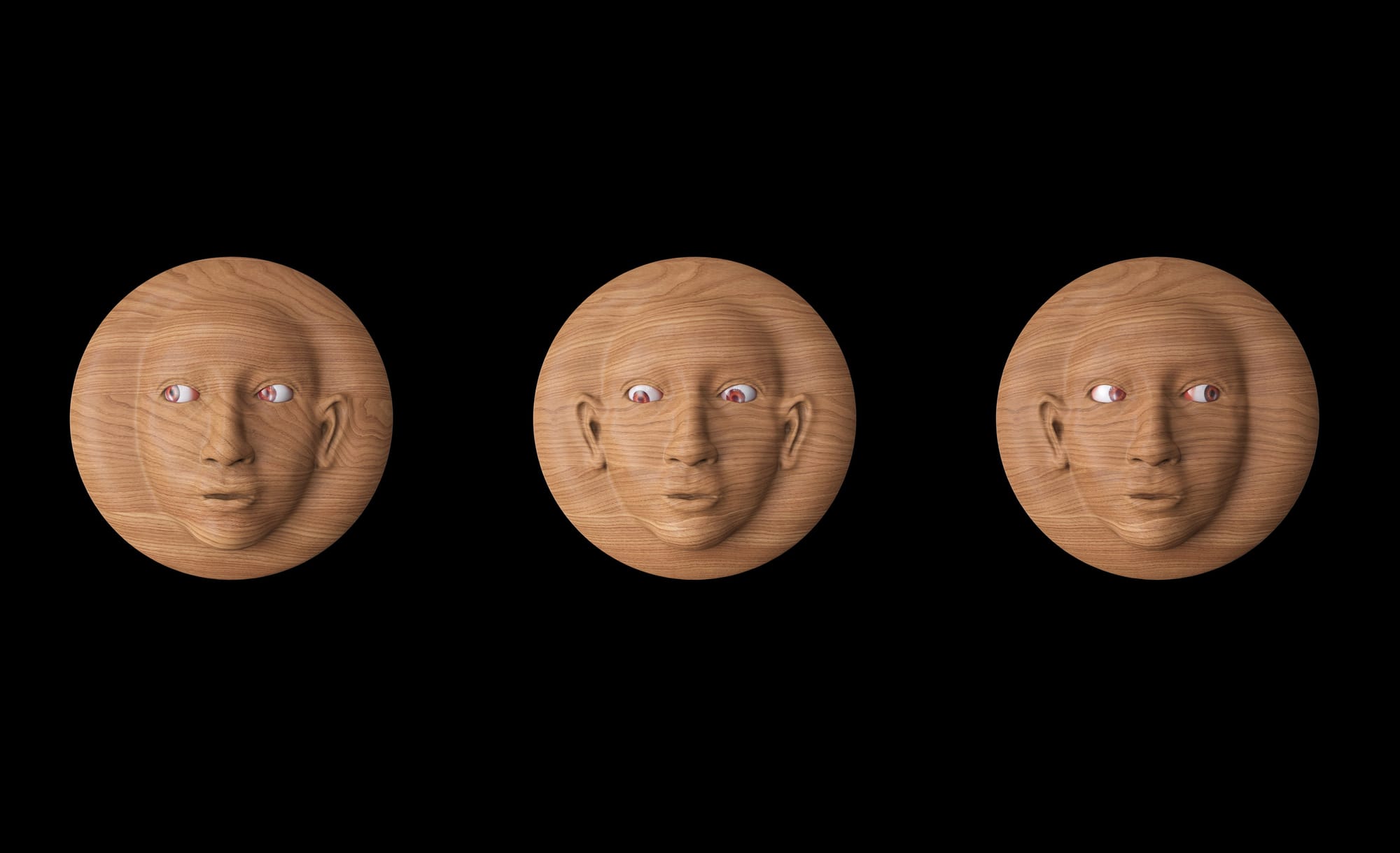
Conceived around the idea of washwasha, the onomatopoeic word in Arabic for “whispering,” the United Arab Emirates Pavilion probes how migration, technology, and oral traditions define the Gulf state’s cultural landscape, with the notion of whispering offering a framework for examining the ties between language, body, and identity. The exhibition is curated by Bana Kattan and features works by Mays Albaik, Jawad Al Malhi, Farah Al Qasimi, Alaa Edris, Lamya Gargash, and Taus Makhacheva. Juxtaposing early storytelling methods with technology-based modern-day communication, the presentation considers how shifting infrastructures condition the ways communities listen and are heard.
Qatar
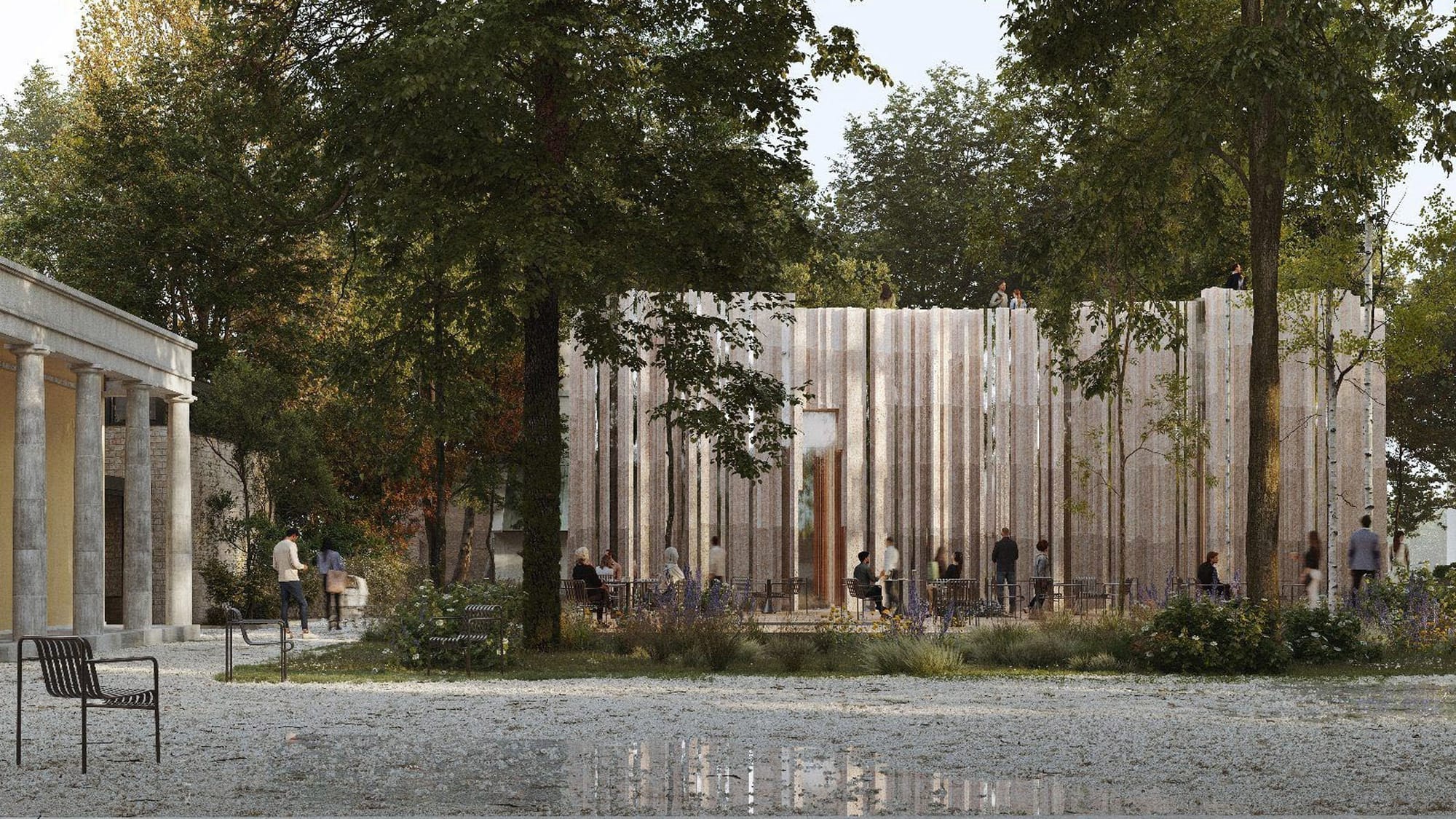
untitled 2026 (a gathering of remarkable people); Rirkrit Tiravanija, Sophia Al-Maria, Tarek Atoui, Alia Farid, Fadi Kattan
The majlis—the Arabic term for “sitting room,” a dedicated space commonly found in Arab homes—serves as the conceptual anchor of the Qatar Pavilion’s interactive presentation curated by Tom Eccles and Ruba Katrib. The exhibition is held in the Giardini della Biennale on the site of the forthcoming permanent Qatar Pavilion designed by Lina Ghotmeh. A tent-like structure, conceived by Thai artist Rirkrit Tiravanija, references traditional Qatari and broader Arab cultural contexts and accommodates four contributions: a film by Qatari American artist and writer Sophia Al-Maria; a large-scale lacquered fiberglass sculpture by Kuwaiti Puerto Rican artist Alia Farid; live performances organized by Lebanese sound artist and composer Tarek Atoui; and a food program hosted by Palestinian chef Fadi Kattan, featuring culinary practitioners from the MENA region.
Saudi Arabia
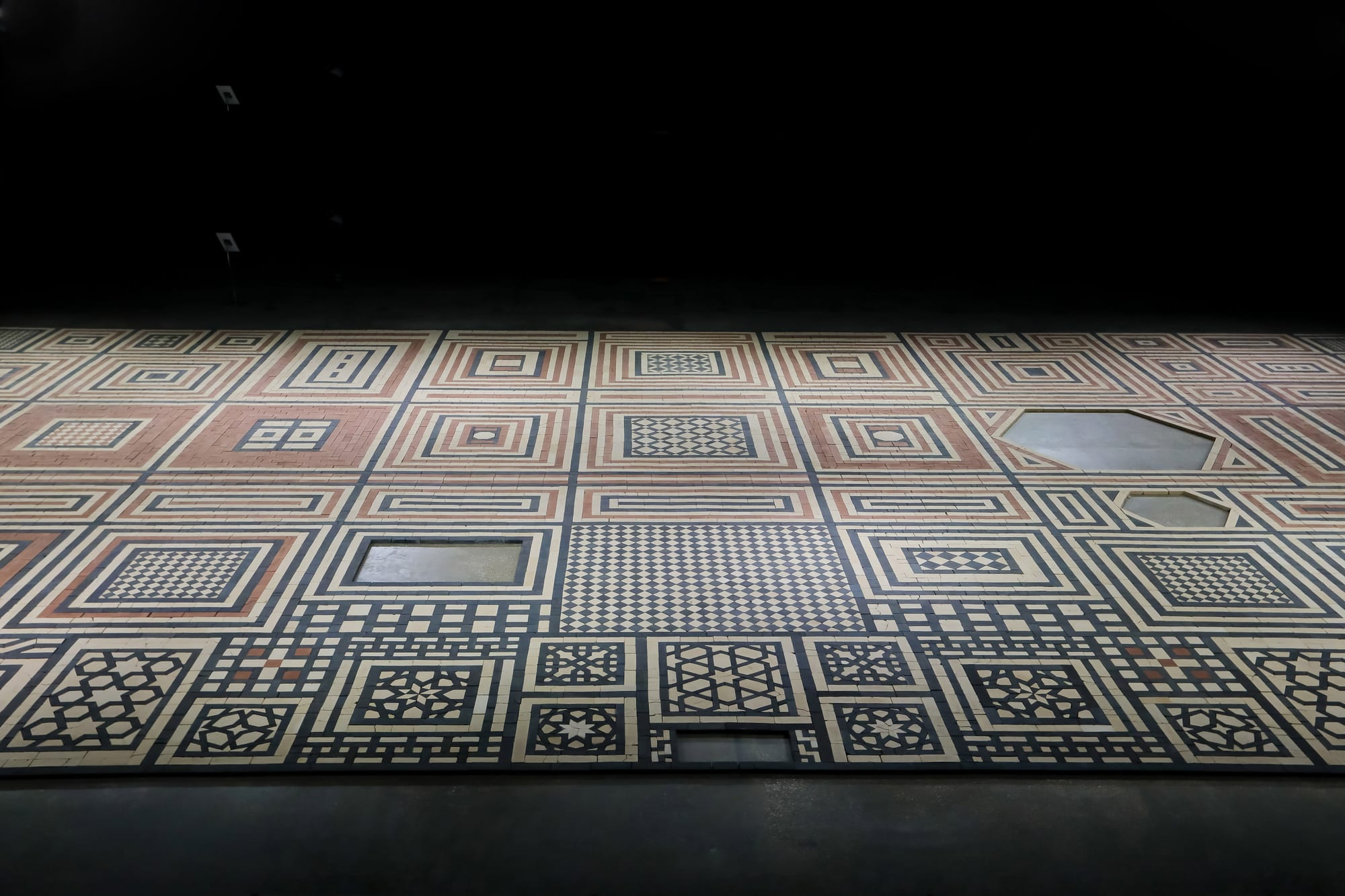
May Your Tears Never Dry, You Who Weep Over Stones
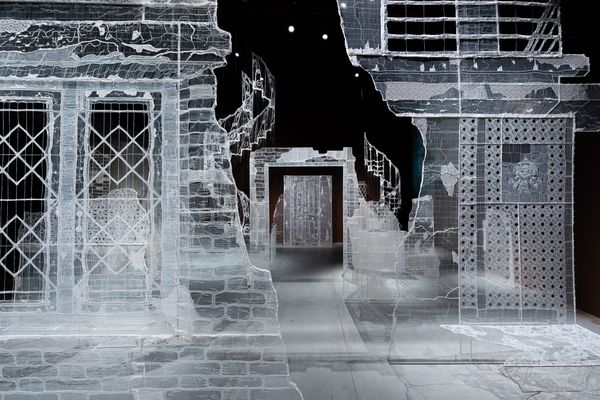
Dana Awartani, the fourth woman to represent Saudi Arabia at the Venice Biennale, presents a solo pavilion featuring a major new commission. Drawing on Islamic and Arab aesthetic traditions and often collaborating with master artisans, she creates paintings, sculptures, performances, and installations that hold historical continuity in tension with formal innovation. The project, curated by Antonia Carver and Hafsa Alkhudairi, probes the spatial and historical dimensions of Middle Eastern culture—particularly its material and craft heritage—while centering the inherent and intertwined forces of destruction and preservation shaping the region’s cultural memory.
The 61st Venice Biennale opens on May 9.