Shows
Collateral Events Not to Miss at 61st Venice Biennale
The Spirits of Maritime Crossing 2026
Bangkok Art Biennale Foundation
Palazzo Rocca Contarini Corfù
May 9–Aug 2
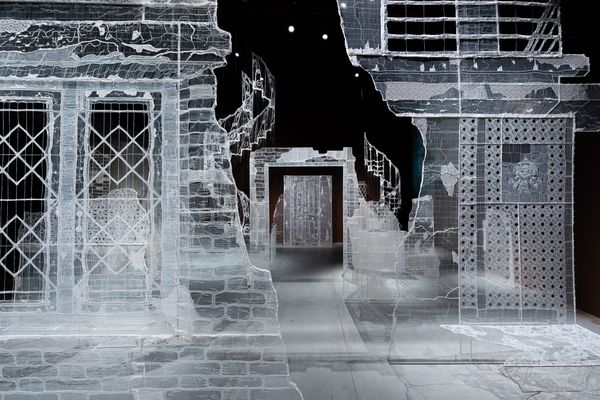
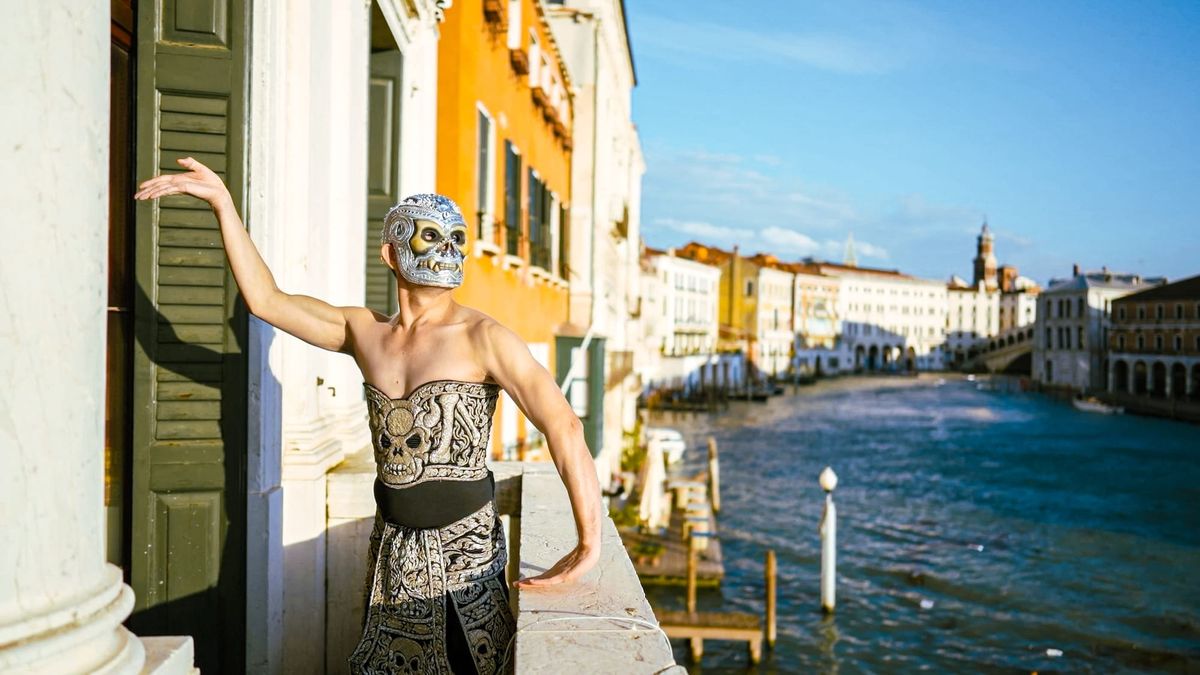
Bringing together 20 artists from Southeast Asia, Ireland, Serbia, and beyond, “The Spirits of Maritime Crossing 2026” builds on its 2024 iteration to navigate themes of identity, displacement, memory, and faith in a world of flux. Anchored by Marina Abramović’s Sea Punishing (2006)—a collective performance in remembrance of the 2004 Andaman Sea tsunami—and the video work The Spirits of Maritime Crossing II (2024), which traces a mystical voyage between Venice and Bangkok, the exhibition reflects on neocolonial conditions and spiritual resilience. Live performances during the vernissage and opening weeks will blend Italian-Slav opera, Irish ballads, Thai mask dance, and ritualistic chants into a layered meditation on resistance and care.
Lee Ufan
Dia Art Foundation
San Marco Art Centre
May 9–Nov 22
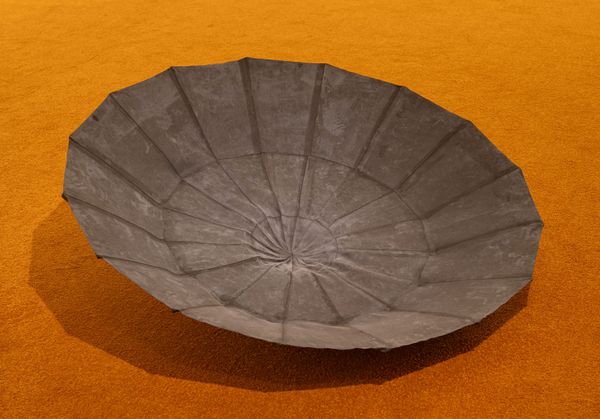
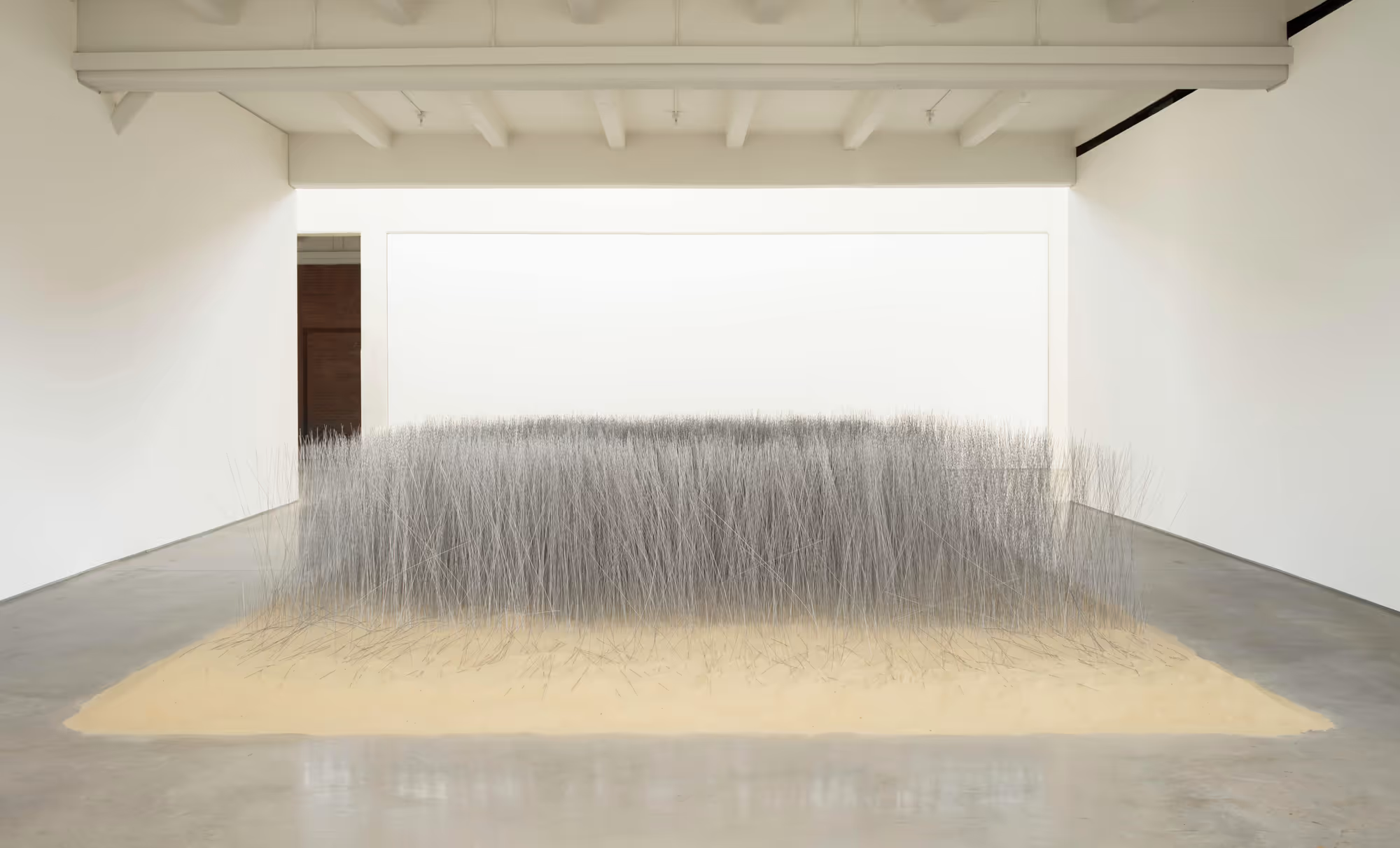
Staged across eight galleries of San Marco Art Centre, the exhibition traces Lee Ufan’s seven-decade investigation of the relationship between material, viewer, and site through a selection of paintings and sculptures, alongside a newly commissioned site-specific installation. A pivotal theorist and artist behind Japan’s Mona-ha (School of Things) and South Korea’s Dansaekhwa (Monochromatic Paintings) movements since the late 1960s, Lee is celebrated here on his 90th birthday, with a concurrent solo presentation at Dia Beacon in New York.
TURANDOT: To the Daughters of the East
Parasol unit foundation for contemporary art
ACP Palazzo Franchetti
May 9–Oct 31
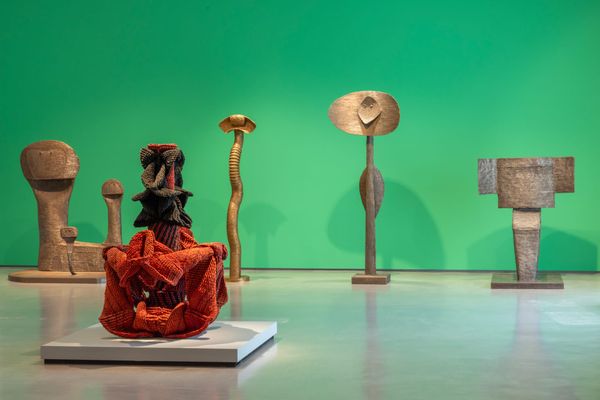
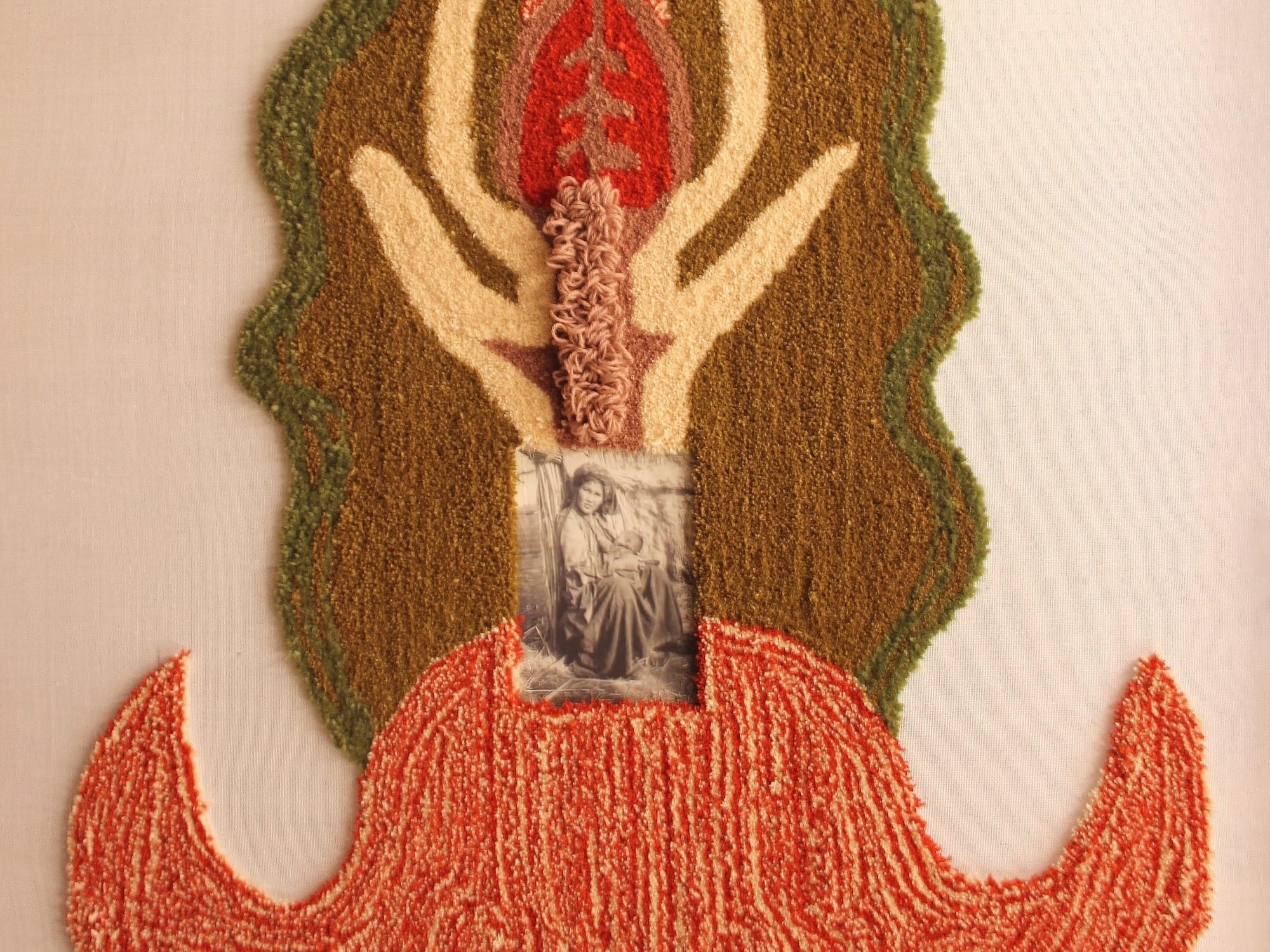
The complex, cross-cultural tale of Turandot—the enigmatic Persian princess from 12th-century myth, transformed into an object of Enlightenment-era orientalist fantasy and immortalized in Puccini’s 1926 opera—serves as the conceptual anchor for “TURANDOT: To the Daughters of the East.” Marking Parasol unit foundation for contemporary art’s third Venice presentation, the exhibition features video, installation, sculpture, painting, textile, and sound works by 11 female artists from Central Asia and the broader region to the East, including Lida Abdul, Hera Büyüktașcıyan, Daria Kim, Tala Madani, Afruz Amighi, Saodat Ismailova, Nazira Karimi, Huma Bhabha, Mona Hatoum, Farideh Lashai, and Madina Joldybek, to reclaim the mythical figure and their shared collective histories.
Screen Melancholy: Li Yi-Fan
Taipei Fine Arts Museum
Palazzo delle Prigioni
May 9–Nov 22
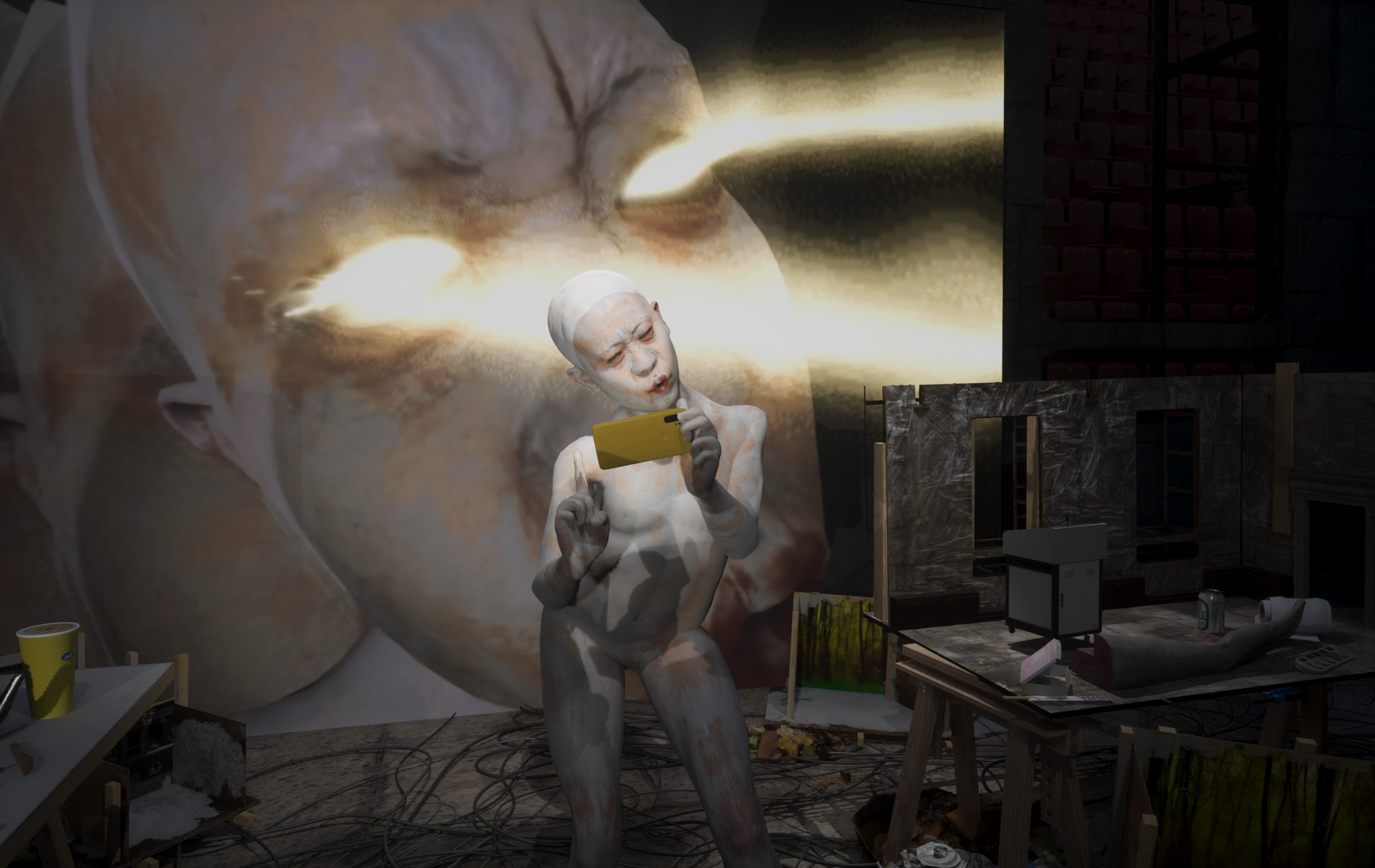
In Li Yi-Fan’s “Screen Melancholy,” digitally animated, puppet-like characters discuss personal anecdotes and broader cultural reflections in a 60-minute film that explores the melancholia of perceptual overload and cognitive fragmentation. The exhibition setting mirrors the video: while the work depicts a simulated version of the Palazzo delle Prigioni—a former prison historically linked to the Bridge of Sighs—the actual space hosts 3D-printed sculptures of the puppets’ body parts, which also double as seating. Dissolving boundaries between physical and virtual, puppeteer and puppet, the presentation deconstructs the “screen” as a form of contemporary imprisonment.
Nalini Malani – Of Woman Born
Kiran Nadar Museum of Art
Magazzini del Sale
May 9–Nov 22
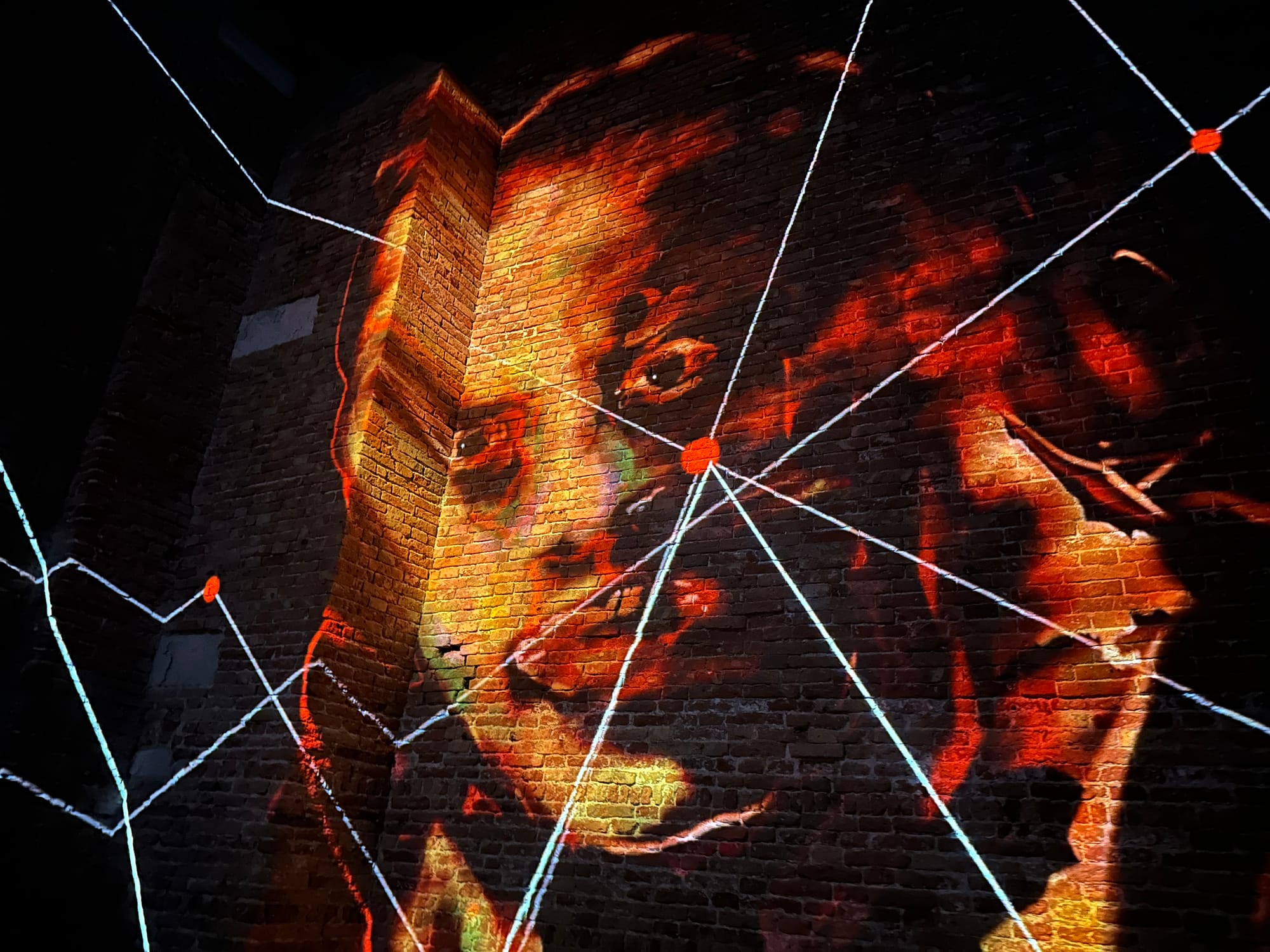
Commissioned by the Kiran Nadar Museum of Art, Nalini Malani’s new site-specific work Of Woman Born is an immersive chamber with 67 animations derived from over 30,000 hand-painted and digitally rendered iPad images projected across nine video channels. The projections cycle through constantly changing visual combinations, each sequence lasting three to five minutes, while a 20-minute soundscape layers myth, memory, and female voices throughout the space. Curated by Roobina Karode, the exhibition uses the ancient Greek legend of Orestes to interrogate geopolitical borders and the violence women endure in global conflict.
A Necessary Fiction: Maps, Art, and Models of Our World
Ministry of Culture, Saudi Arabia
Abbazia di San Gregorio
May 6–Nov 22
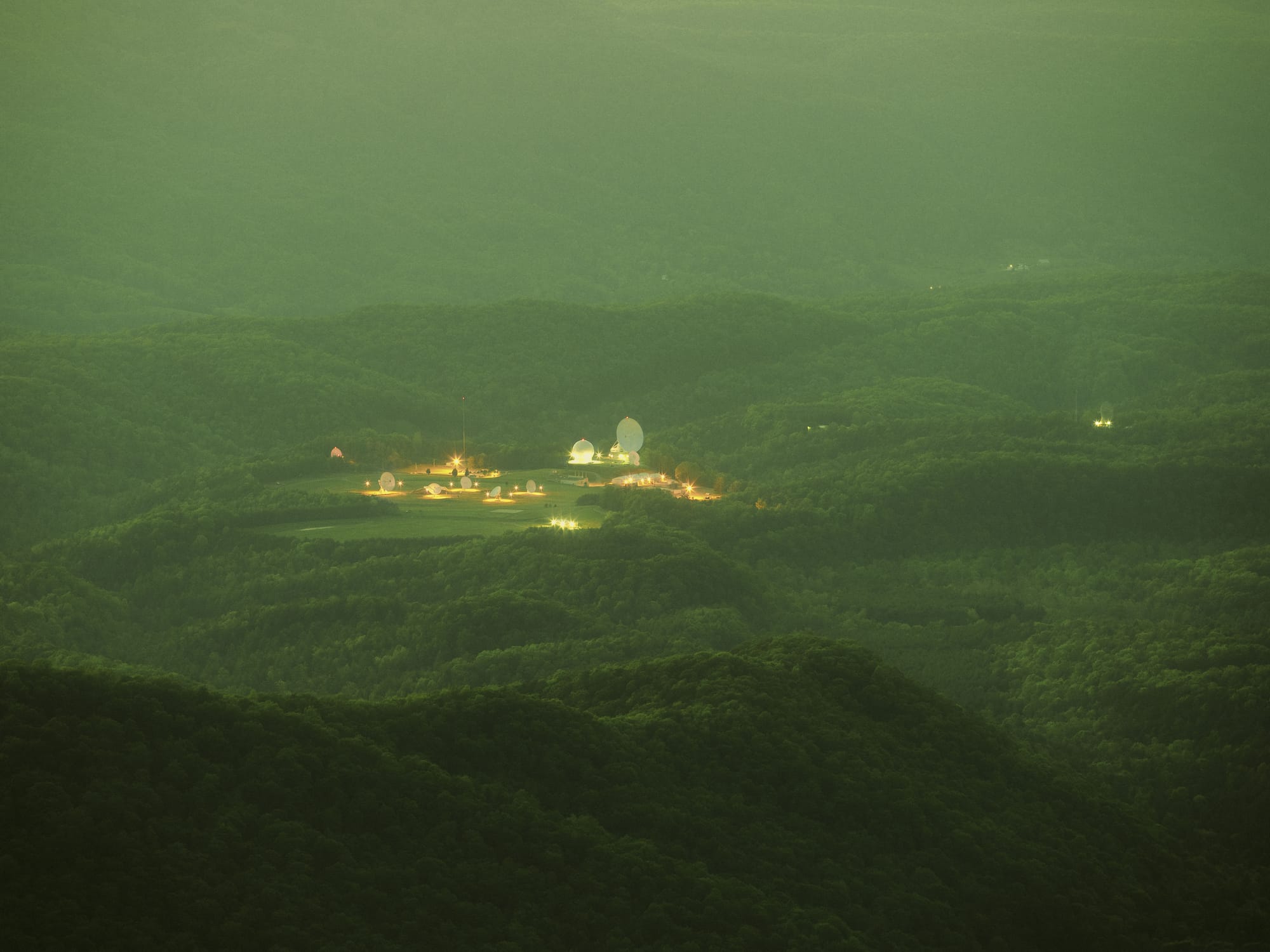
Historical maps of the world offer insight into both real and imagined borders. Presented by the Saudi Arabia’s Ministry of Culture, “A Necessary Fiction: Maps, Art, and Models of Our World” uses eight centuries of cartographic records—tracking, marking, and delineating territories—to investigate humanity’s attachment to mapmaking. The exhibition pairs early-modern maps of the Arabian Peninsula from various perspectives with contemporary artworks to foster dialogue around the power of historical artifacts in recounting the multilayered story of an ever-shifting region.
Instruments of the Mind
Centre for Contemporary Arts Tashkent
Palazzo Franchetti
May 9–Nov 22
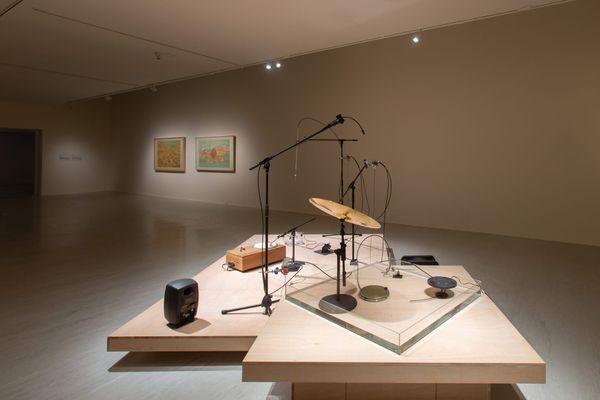
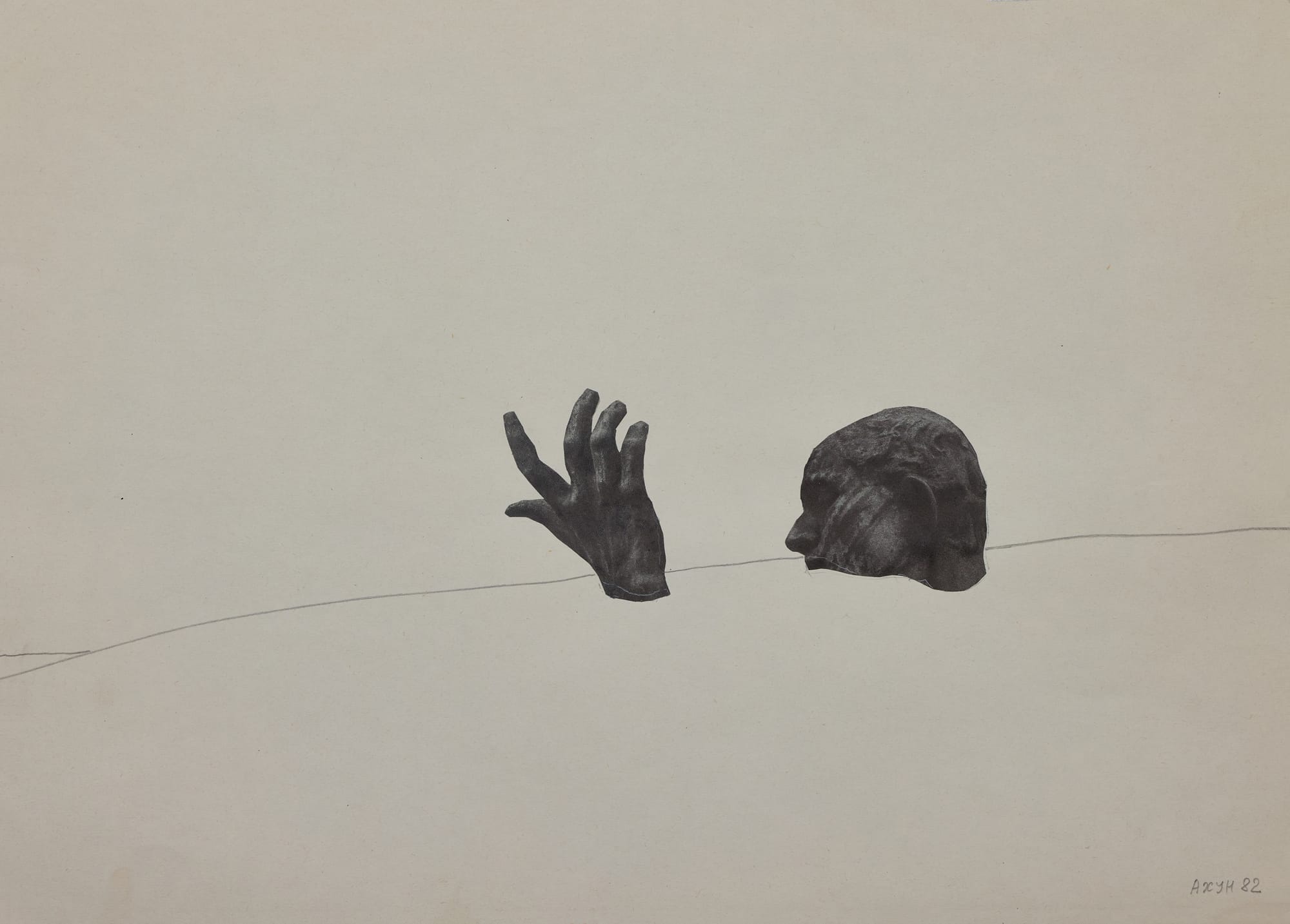
“Instruments of the Mind” is a solo exhibition by Vyacheslav Akhunov, widely regarded as a pioneering conceptual artist from Central Asia, who has developed a rigorous practice since the 1970s spanning drawing, text, installation, and collage. The exhibition’s title derives from the Sanskrit etymology of “mantra”—manas (mind) and tra (tool)—reflecting Akhunov’s longstanding engagement with Soviet slogans as secular incantations. Curated by Sara Raza, the presentation adopts an anti-chronological structure, bringing together historical works alongside newly realized installations based on 1970s sketches that remained hidden in the artist’s studio for decades, many shown publicly for the first time.
Canicula
Fondazione In Between Art Film
Complesso dell’Ospedaletto
May 6–Nov 22
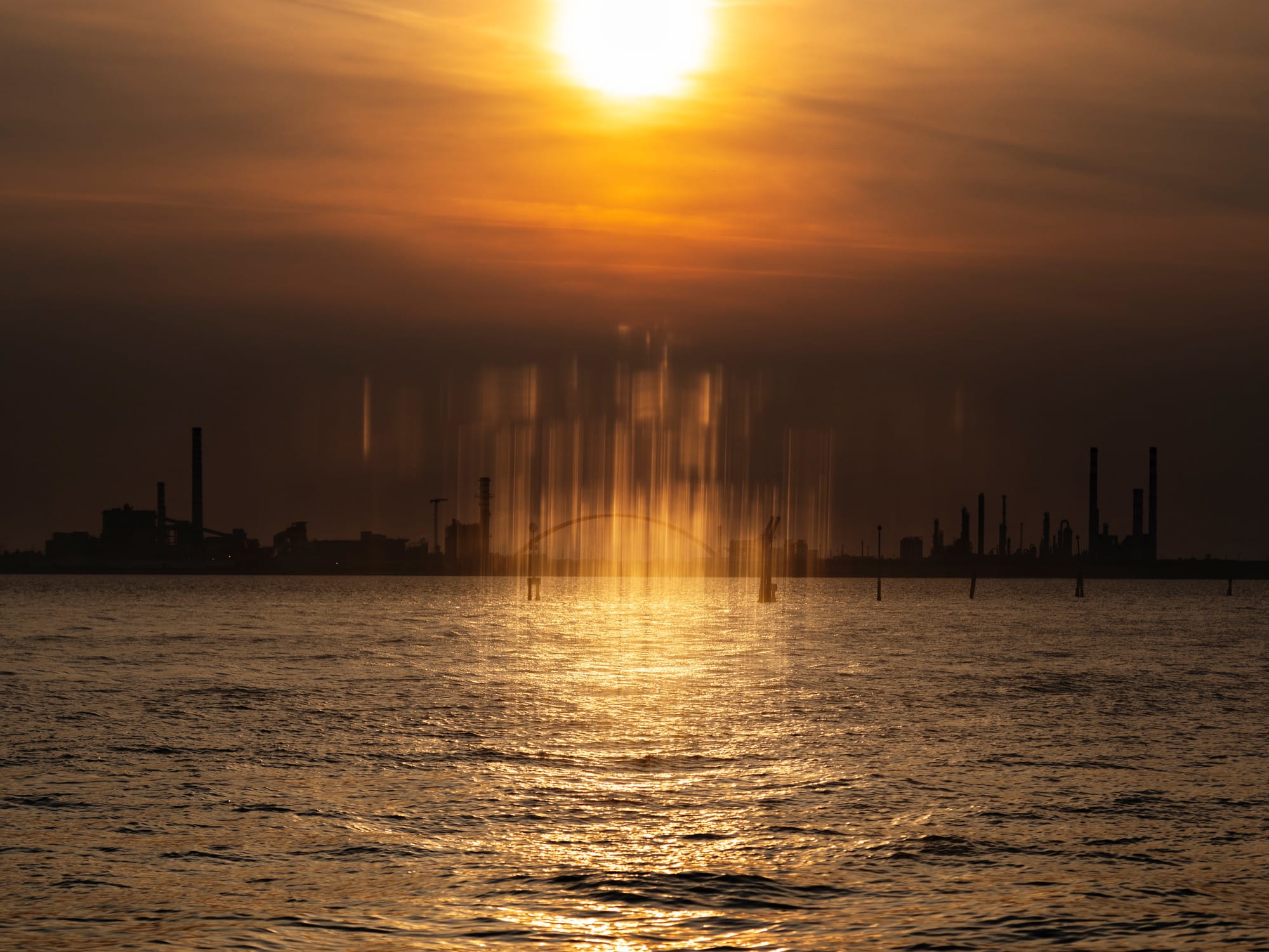
Fondazione In Between Art Film concludes its “Trilogy of Uncertainties” series with “Canicula,” premiering eight newly commissioned, site-specific video installations. While the previous editions, “Penumbra” in 2022 and “Nebula” in 2024, explored the ambiguity of dim light and the disorientation of fog, “Canicula”—Latin for “dog days,” referring to the hottest summer period—turns to conditions of blinding brightness and blistering heat, completing a narrative arc framed by pressure, instability, and perceptual strain. Addressing global warming, information overload, memory saturation, and the abuse of power, the exhibition examines an intensified present in which environmental and political conditions challenge our bodies, cognition, and collective survival.
Amar Kanwar: Co-travellers
Pinault Collection
Palazzo Grassi
Mar 29–Jan 10, 2027
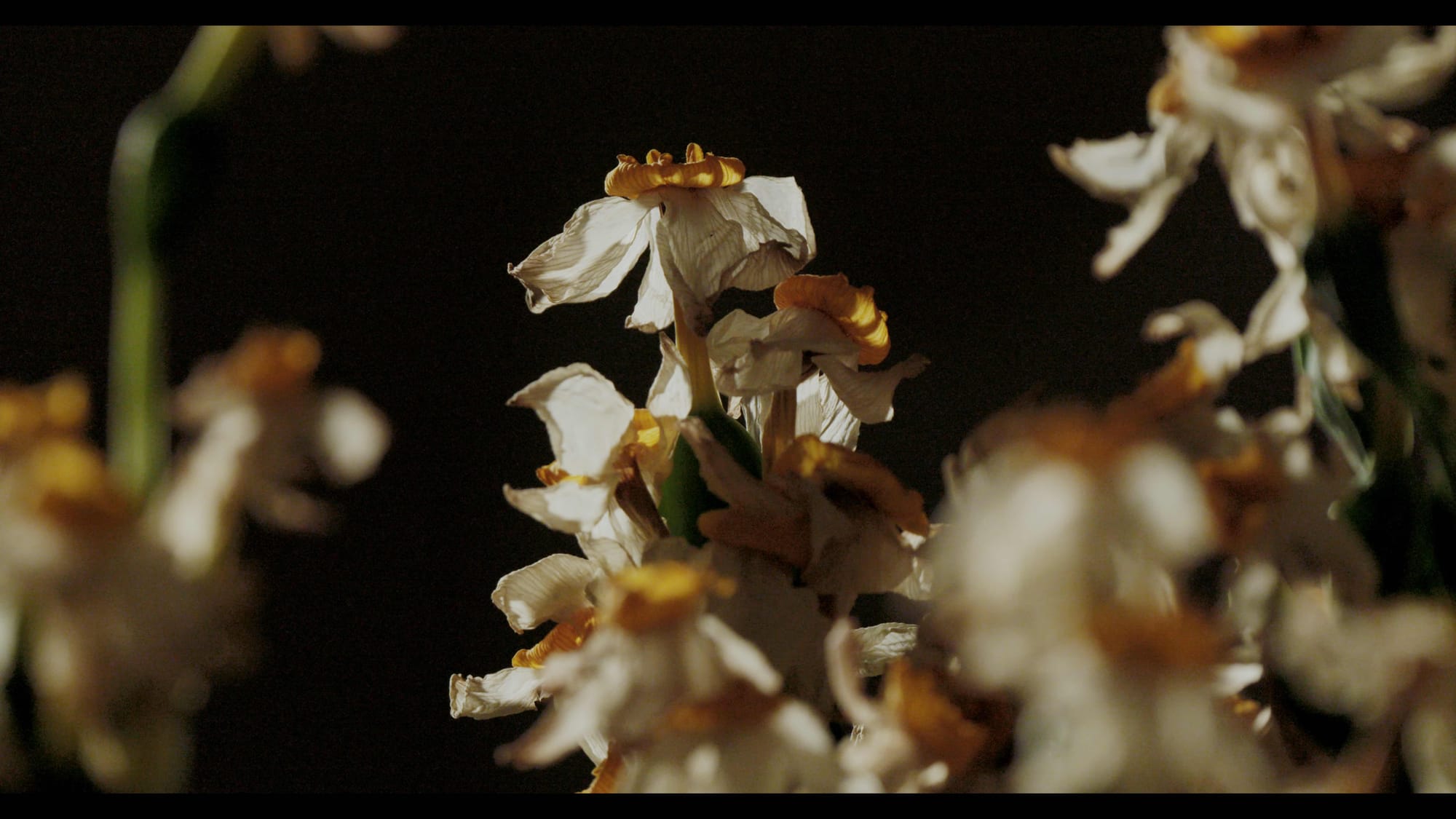
Presented by Pinault Collection at Palazzo Grassi and curated by Jean-Marie Gallais, “Amar Kanwar: Co-travellers” features two multimedia installations by the Indian filmmaker from different periods in his career. The presentation includes The Torn First Pages (2004–08)—a tribute to the imprisoned Mandalay bookseller Ko Than Htay—which combines archival material and video across 19 channels to depict Myanmar’s political violence and the resilience of the Burmese people. In a separate, darkened room, the seven floating screens in The Peacock’s Graveyard (2023), Kanwar’s most recent work, offer a poetic contemplation of death, transience, and life’s cycles through five short stories set to a classical Indian soundtrack.