People
Roots and Reach: Dina Amin on Building Saudi Arabia’s Visual Arts Ecosystem
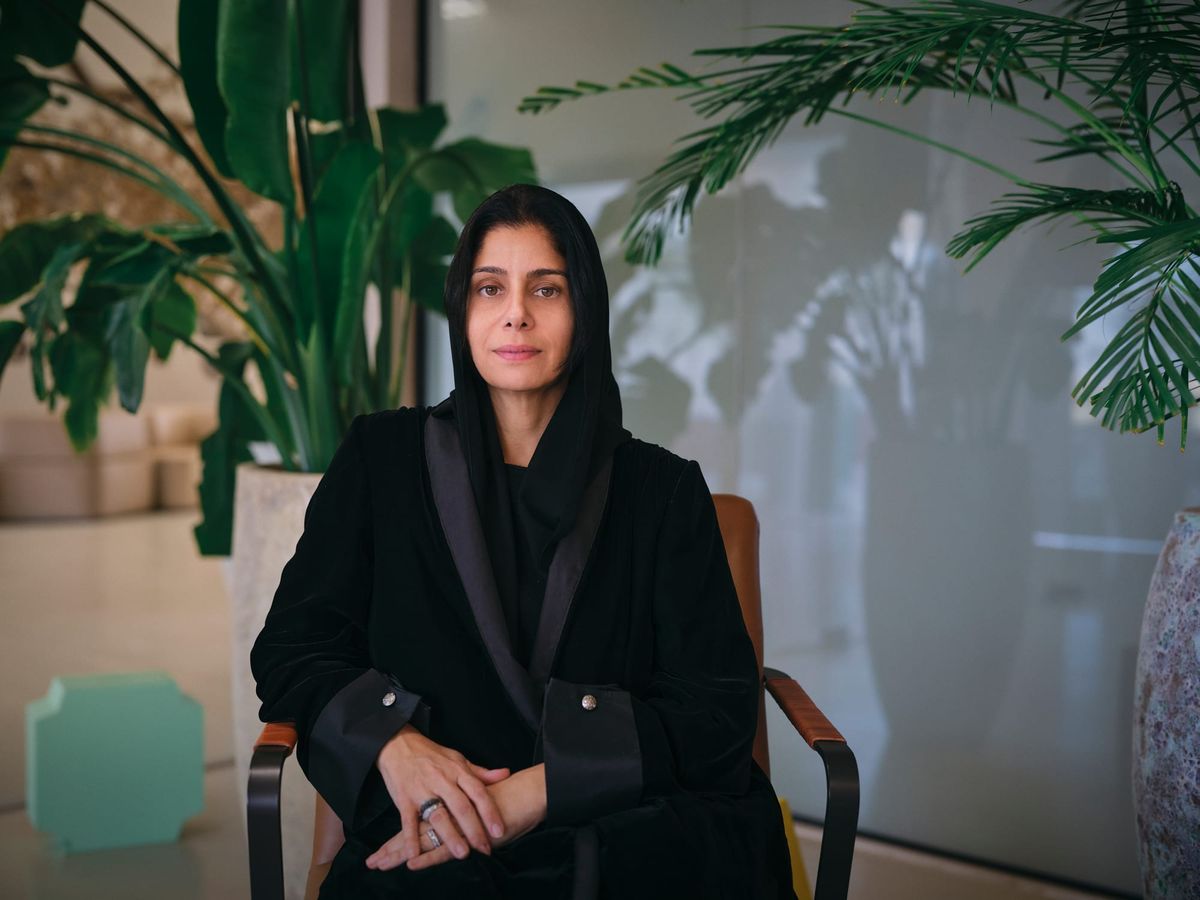
At a moment of rapid growth in Saudi Arabia’s cultural landscape, the Visual Arts Commission is working across multiple timescales: preserving the histories that shaped the Kingdom’s modern art movement, supporting the creative endeavors of working artists, and creating pathways for exchange.
In a conversation with ArtAsiaPacific, the Commission’s chief executive officer Dina Amin reflects on the organization’s multipronged approach, linking research, public presentation, and international dialogue—from overseas residencies and opportunities to the National Pavilion of Saudi Arabia at the 61st Venice Biennale.
This interview launches a special series exploring Art Bridges, the Commission’s international exchange program connecting Saudi and Saudi-based artists and cultural practitioners with peers in Scotland, South Korea, Japan, and Spain. Amin considers how these interlinked efforts connect contemporary practice to a longer artistic lineage while expanding Saudi practitioners’ role in global dialogue.
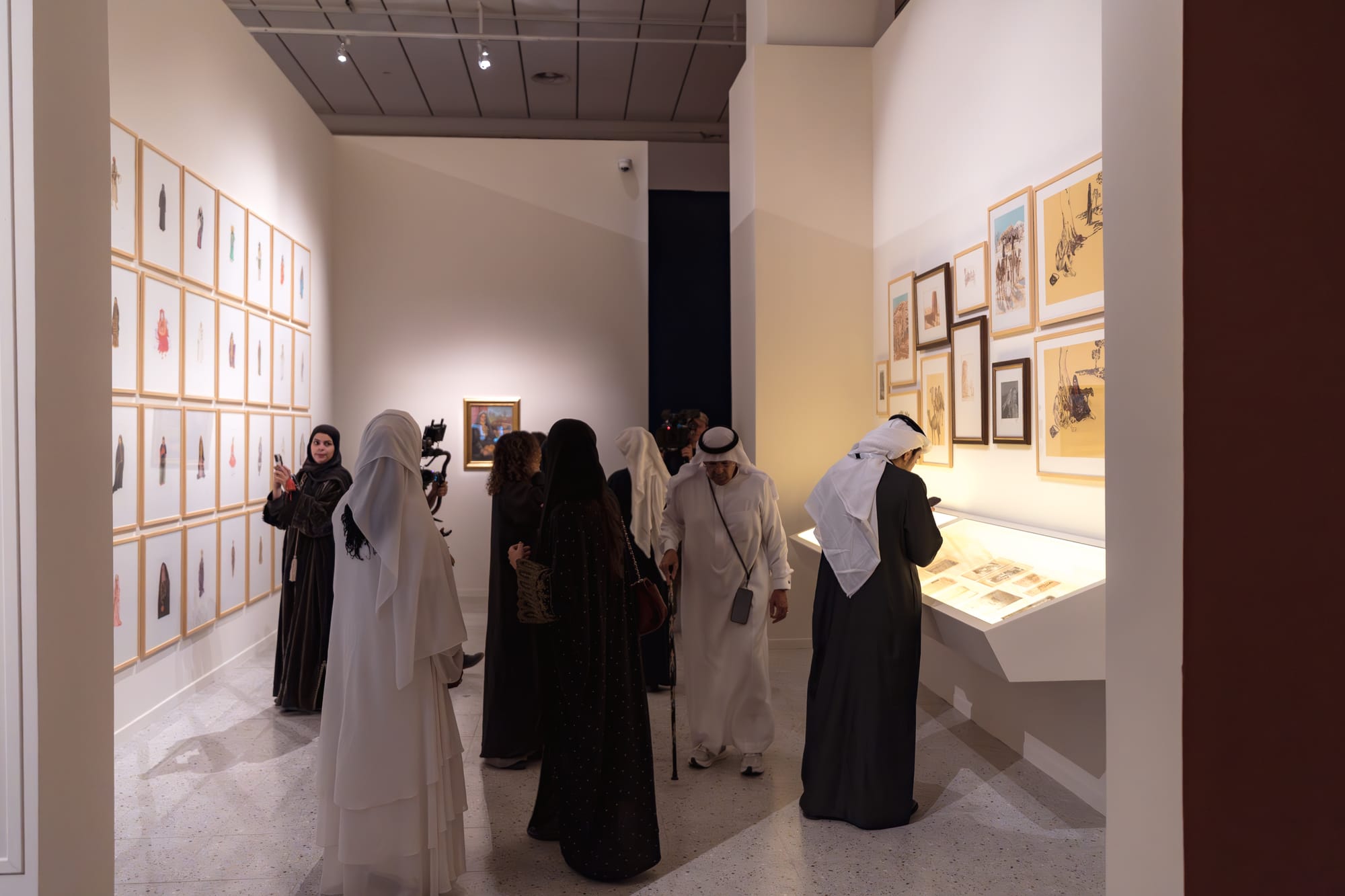
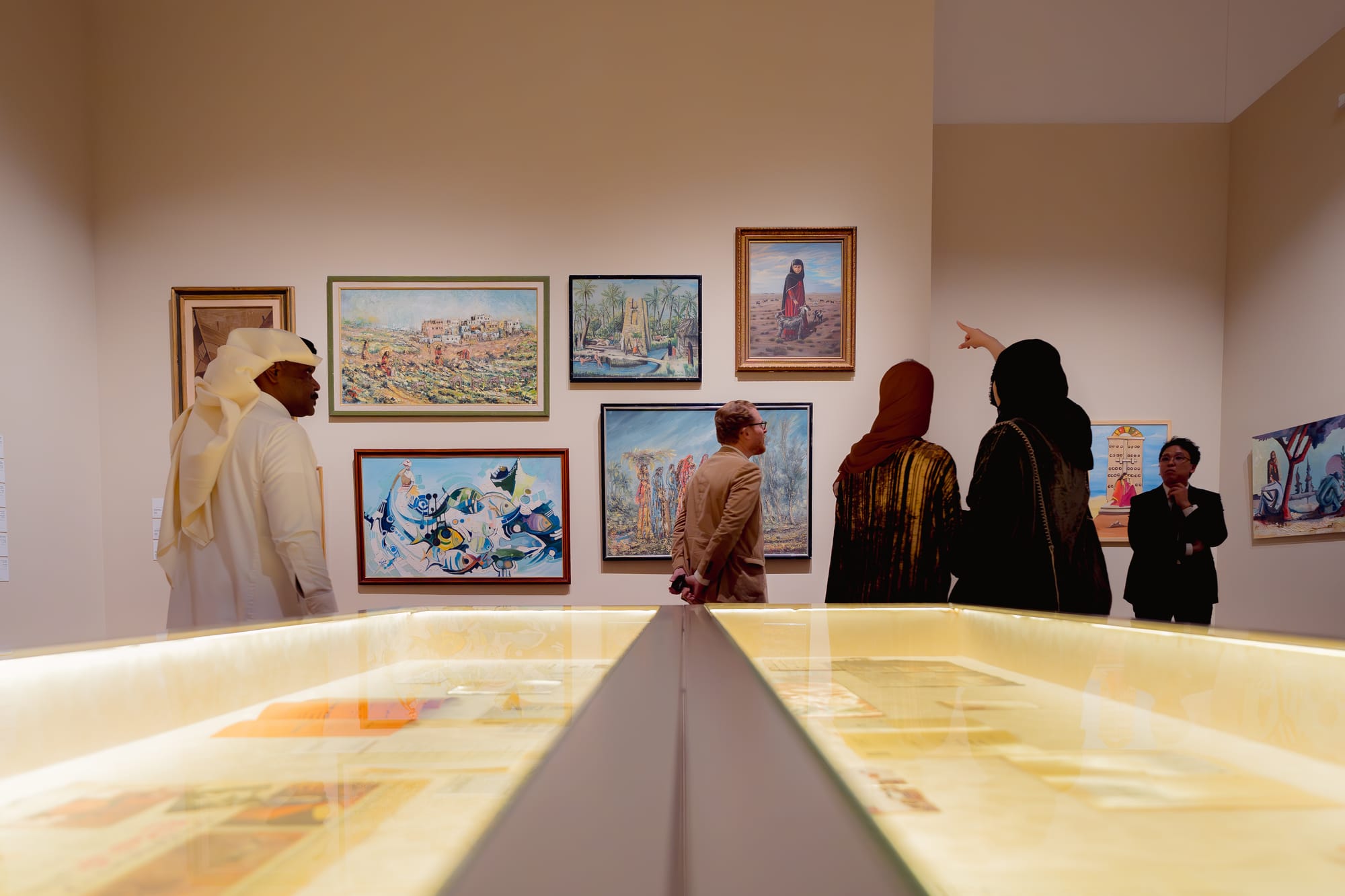
View of the opening night of “Bedayat: Beginnings of Saudi Art Movement” at the National Museum of Saudi Arabia, Riyadh, 2026. Courtesy the National Museum of Saudi Arabia.
In leading the Visual Arts Commission, you’ve positioned your work as building a full ecosystem for Saudi visual artists—supporting not only individual talent but shared growth and exchange. Across initiatives such as Art Bridges, Saudi Arabia’s pavilion at the Venice Biennale, and “Bedayat: Beginnings of Saudi Art Movement,” what kind of “cooperation” are you aiming to foster among artists, institutions, and audiences? And what has begun to emerge from those relationships so far?
For meaningful advancement to take place, we work at every level of the ecosystem, from grassroots to large-scale national pavilions. Ultimately, our goal is to ensure that visual artists are empowered to create; institutions have the infrastructure to enable innovation; and audiences are consistently presented with opportunities to engage with, learn about, and appreciate the depth and breadth of the Saudi visual arts scene.
These initiatives and programs are central to the Commission’s efforts to build an integrated arts ecosystem—one that supports artists and practitioners, fosters creative and cultural exchange, and positions the Kingdom as a dynamic platform for the visual arts.
Art Bridges 2025–2026 connects Saudi and Saudi-based artists, curators, and cultural producers in sustained exchanges with peers in Japan, South Korea, Scotland, and Spain, often grounded in local themes such as environment or heritage. In the spirit of socially engaged practice, how are these partnerships structured—who decides the themes, how do the artists co-create across borders, and what kinds of unexpected dialogues or “what we made together” moments have emerged so far?
Art Bridges is a program of thought leadership and discovery that makes space for the exchange of knowledge, practices, ideas, and approaches. Our goal is to enable today’s practitioners and the wider arts landscape in Saudi Arabia to engage with cultural leaders and colleagues in all corners of the world through moments of coming together.
The theme for each destination is tailored in response to various factors: foremost the unique local cultural context, the calendar of relevant events, and importantly, specific elements of resonance to the Saudi context. The aim is to design programs that are relevant to each cohort’s practices and that establish a basis for long-term dialogue, opportunity, and exchange. Over time, we look forward to seeing these relationships and reciprocal learnings mature into lasting partnerships and collaborations.
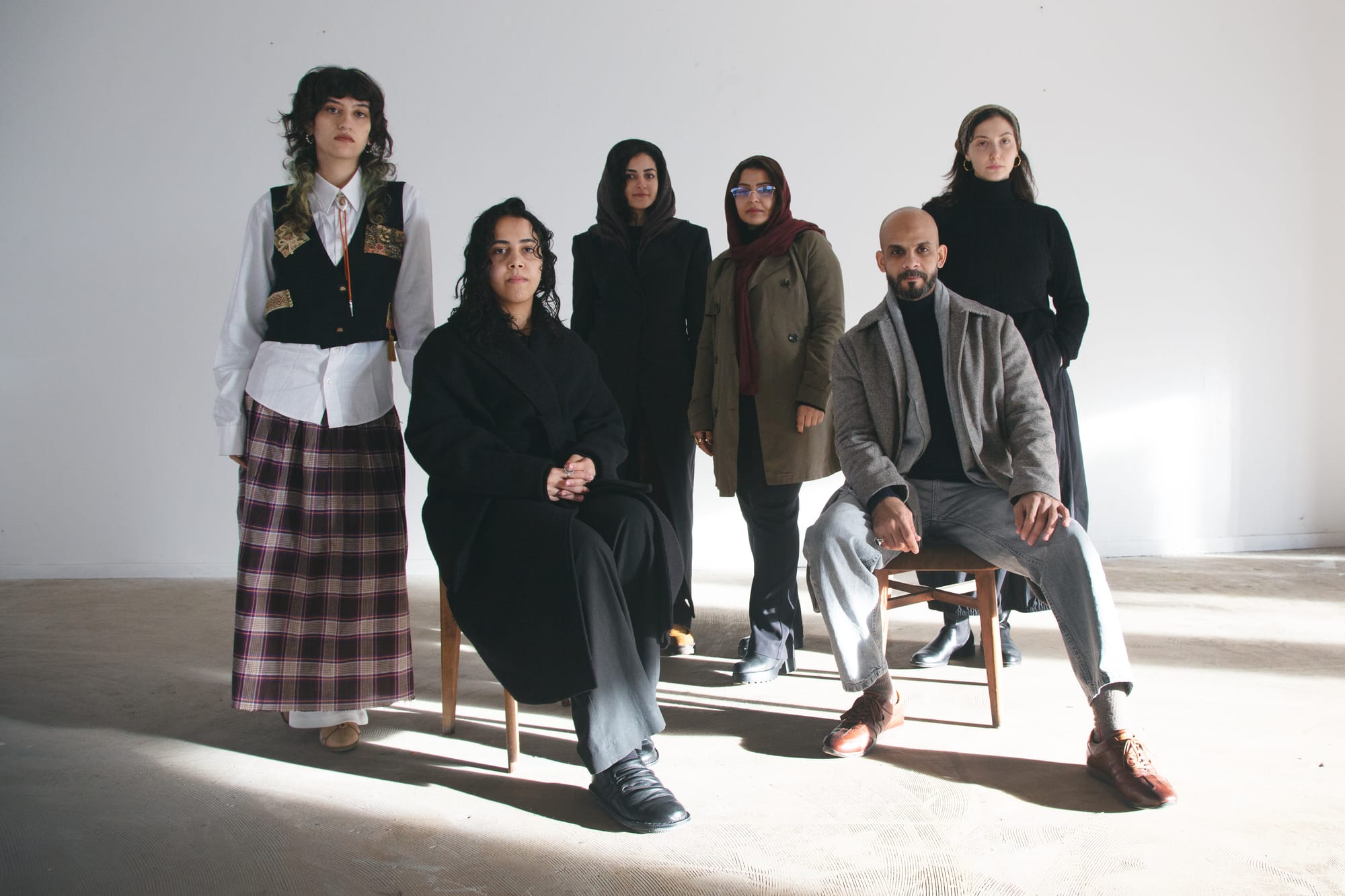
One track within the Visual Arts Commission focuses on professional development through international residencies and exhibitions. Given your experience at the intersection of contemporary art and institutional strategy, how do you see these programs helping artists move from local practice to global dialogue without losing the Saudi context that gives their work unique resonance?
Creating opportunities that empower artists and art practitioners is essential to our work as a Commission. This includes facilitating exchange and talent development for the Kingdom’s artists both domestically and internationally. We are proud to support them as they hone their practices, amplify their voices, and advance their careers.
These programs open doors for discovery and engagement with the distinctive creative voices emerging from the Kingdom, on a local and global level, as well as the contexts and ideas that underpin each artist’s oeuvre. Last year, we supported five Saudi artists and one curator through the fourth edition of “Intermix Residency POUSH” in Paris. POUSH is recognized globally for its incredibly rich environment for experimentation and exchange, bringing together more than 270 artists, curators, and researchers.
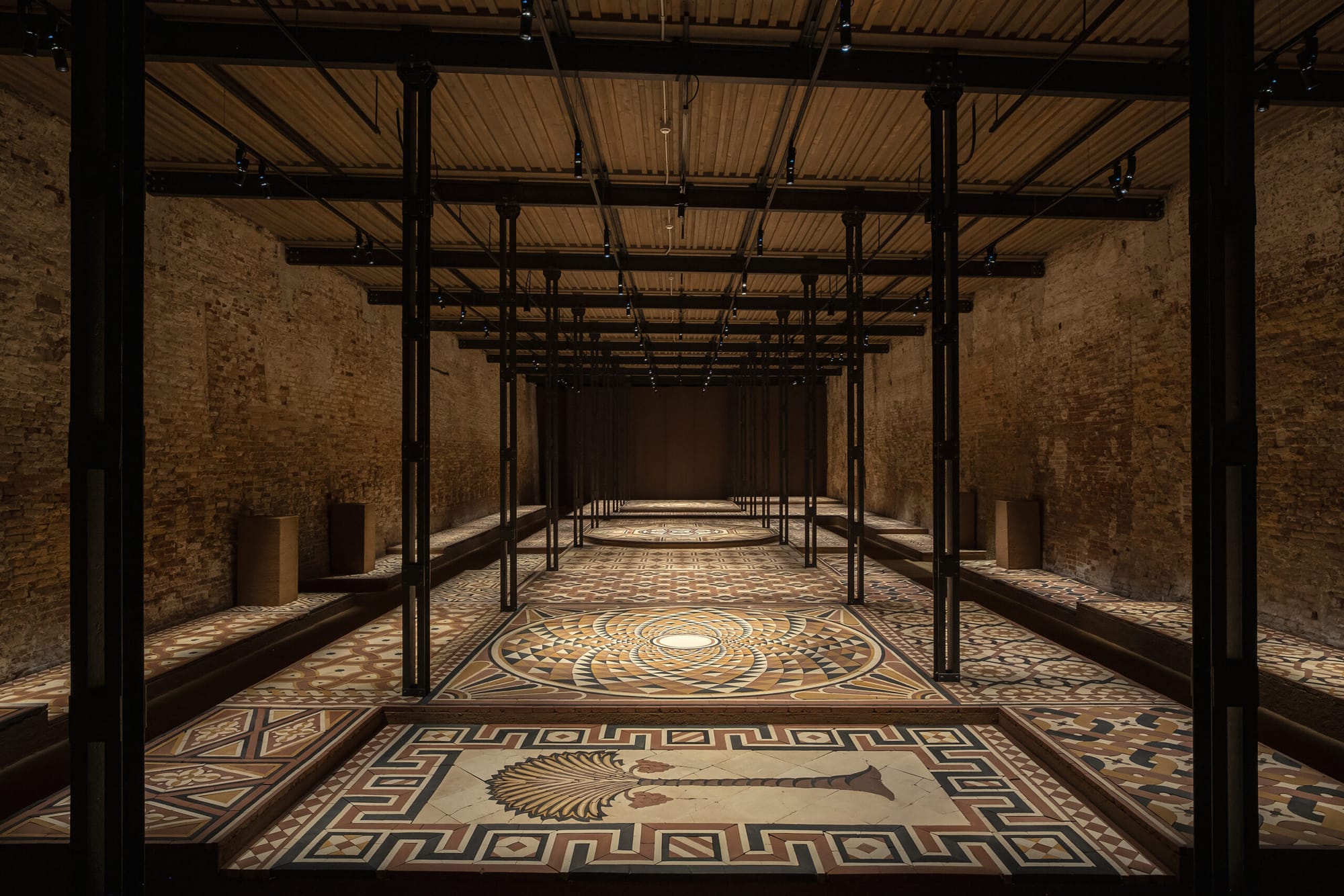
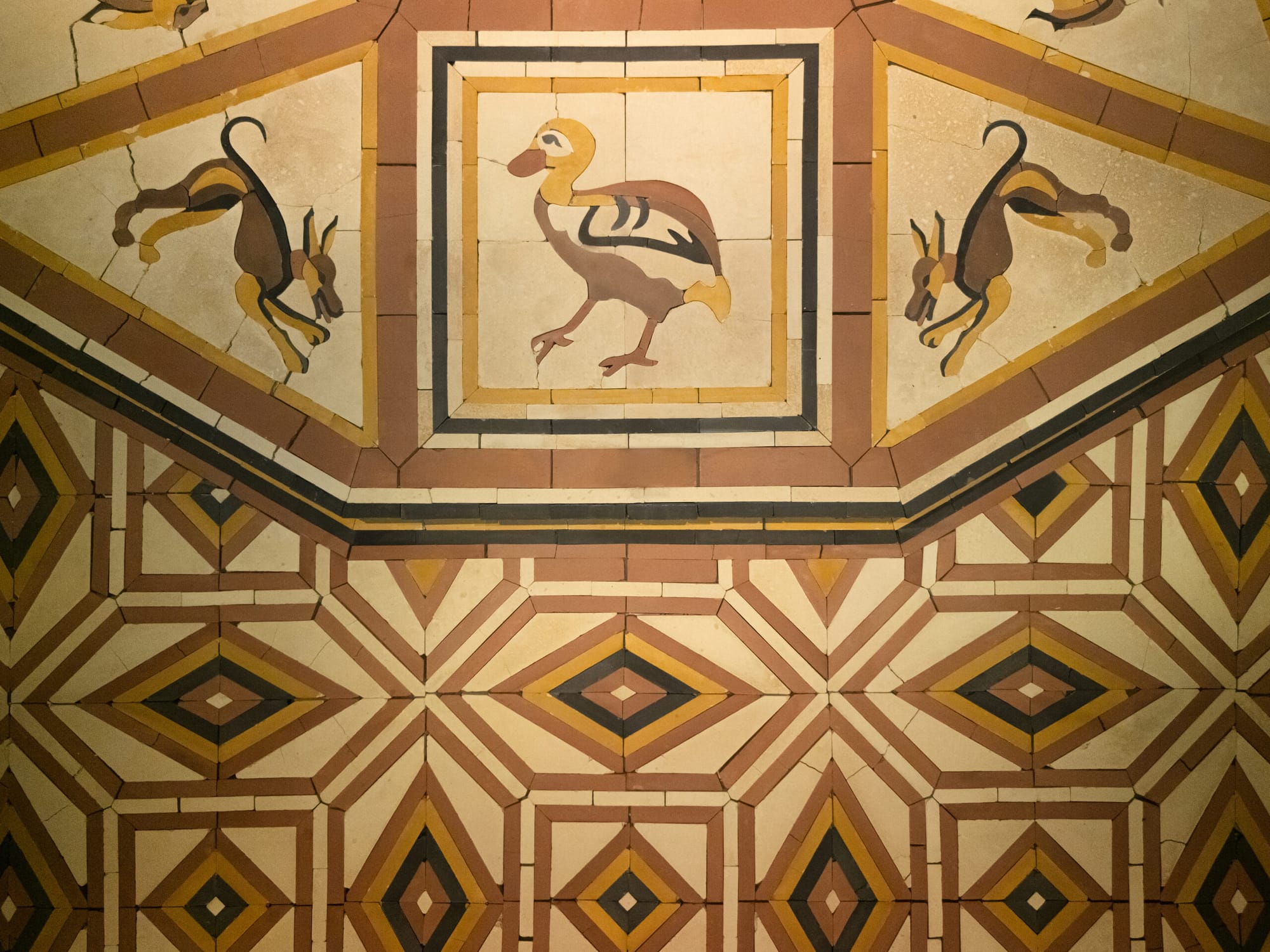
Installation view of DANA AWARTANI’s May your tears never dry, you who weep over stones, 2026, at the Saudi Arabia Pavilion, 61st Venice Biennale, 2026. Photo by Alvise Busetto. Courtesy the Visual Arts Commission, Riyadh.
The Saudi pavilion at the 61st Venice Biennale, with Dana Awartani representing the Kingdom, stands at the center of the global art world. From your perspective inside the Visual Arts Commission, what role does a platform like Venice play in the broader cultural exchange you’re shaping? Is it primarily about representation, or creating new forms of dialogue that ripple back into the Saudi art community?
Providing a platform that shines a light on Saudi Arabia’s story of art is critical. As the world’s oldest, largest, and most prestigious celebration of art and culture, the Venice Biennale has enabled audiences to encounter the richness and diversity of the Kingdom’s contemporary art scene and the complex, important work being produced by its artists.
Ensuring that Saudi Arabia’s art is seen and heard is essential. The Pavilion invites deeper engagement with a region whose art histories and narratives have often remained underexplored. This year, we are honored to feature Dana Awartani and her work, May your tears never dry, you who weep over stones (2026), at the National Pavilion of Saudi Arabia. The presentation is curated by Antonia Carver, director of Art Jameel, with Hafsa Alkhudairi as assistant curator.
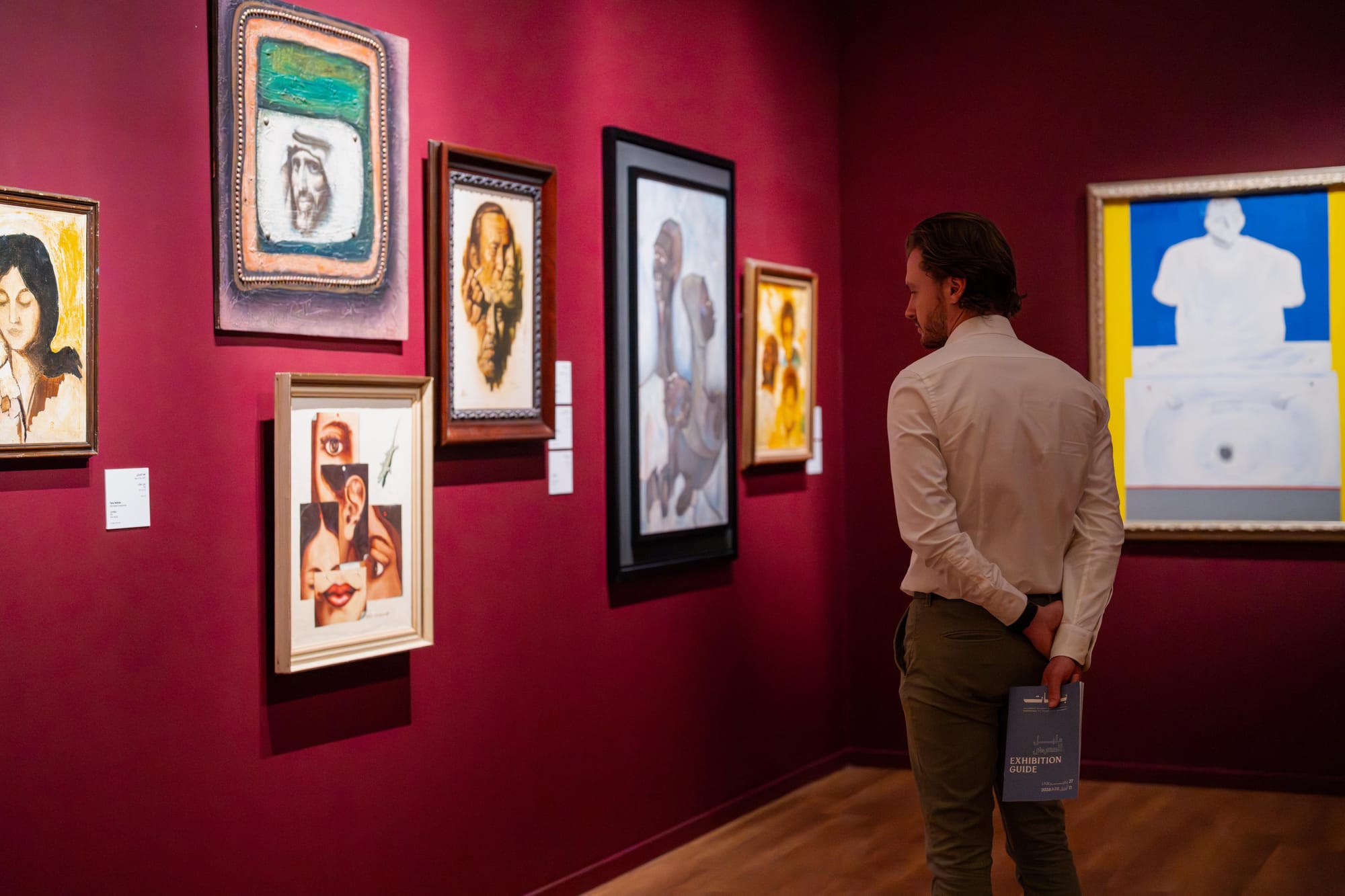
“Bedayat: Beginnings of Saudi Art Movement” is a remarkable act of documentation and recognition bringing together over 250 works by 73 artists from the 1960s to ’80s, the result of years of research, interviews, and site visits. In many ways, it is a form of social collaboration itself, recovering histories that were never fully archived before. What led the Visual Arts Commission to undertake this deep historical project, and what has it meant for contemporary artists to see these origins brought into public view?
“Bedayat: Beginnings of Saudi Art Movement” is the inaugural presentation of the Visual Arts Commission’s work to capture and document these histories. The archival research encompassed more than 80 site visits, 120 artist reports, and 50 interviews with the artists and those who helped shape those formative years.
The artworks and archival materials presented in “Bedayat” illuminate a pivotal phase in the development of modern Saudi art, presenting a fuller account of the creative achievements of the artists, pioneers, and supporters who contributed to establishing the Kingdom’s art movement. Showcasing these histories and their contexts is important not only for contemporary artists and their practices, but also for future generations of artists, patrons, and the broader community.
From your experience, how has presenting “Bedayat” reshaped the way younger Saudi artists and practitioners understand their lineage? Has it sparked new forms of collaboration across generations?
We hope this body of research gives contemporary visual arts practitioners in the Kingdom a deeper understanding of the legacy to which they belong. As a compendium of preserved heritage, it can hopefully serve as a living reference and source of inspiration for younger artists and future generations.
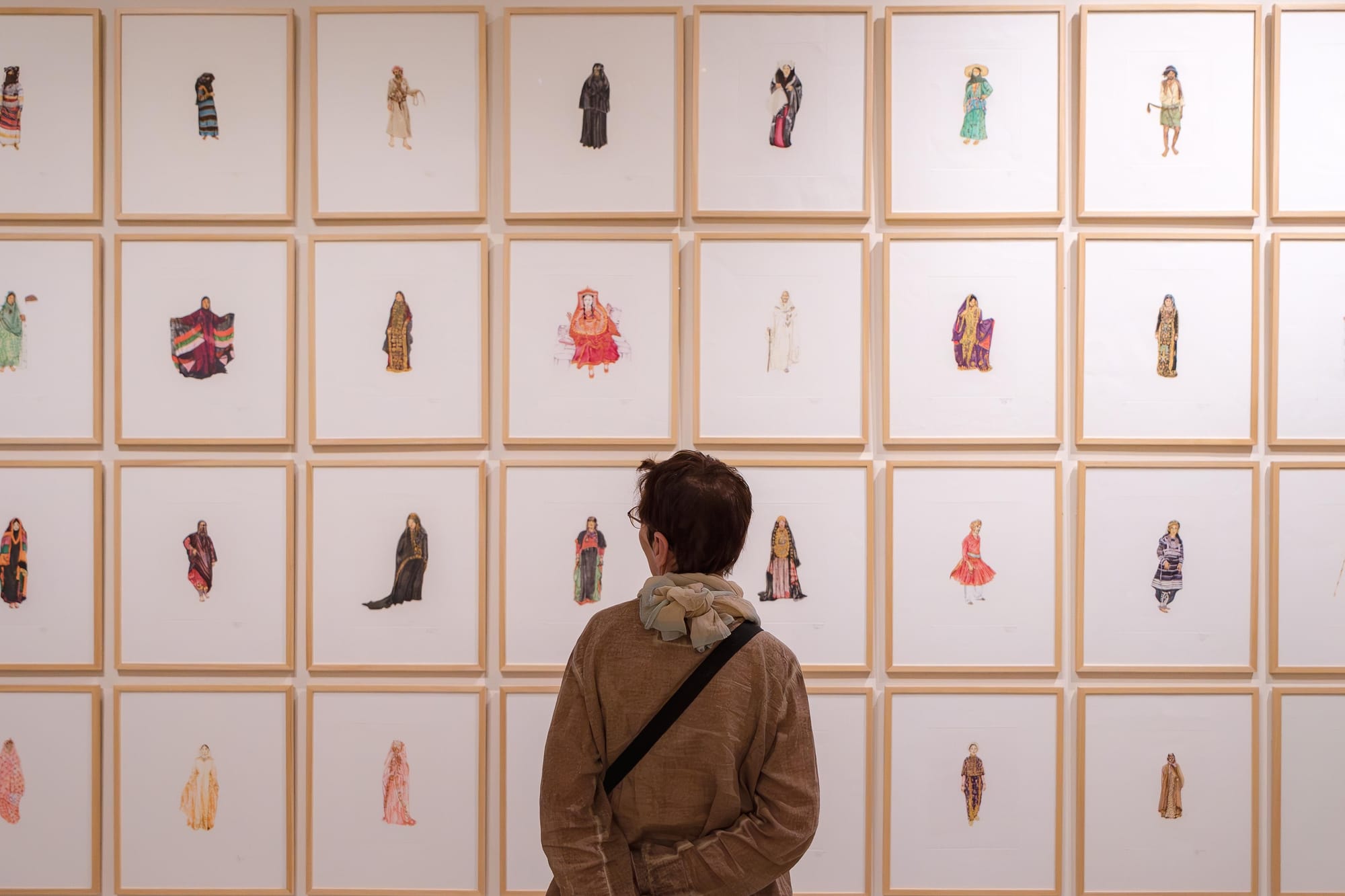
There’s a clear thread linking the focus in “Bedayat” on the formative years of Saudi art, Art Bridges’s commitment to international exchange, and the Venice pavilion’s global platform. How do you see these three initiatives working together within a broader strategy to support creative development—one that supports artists today, while ensuring the ecosystem carries memory, dialogue, and forward momentum?
Our work at the Commission is as much about preserving our history and rich heritage—and acknowledging the groundbreaking contributions of a generation of formative artists—as it is about discovering and nurturing the next generation. By building infrastructure, strengthening the local ecosystem, and engaging in international dialogue, we intend to encourage creative exchange, foster professional development, and reinforce the presence of Saudi visual arts within the wider contemporary cultural landscape, for example at the Venice Biennale. Each of these initiatives plays an important and interconnected role in our ambition to serve and advance the Kingdom’s arts scene.
Looking ahead, if we revisit these projects in a few years, what would success look like—not only in terms of exhibitions or exchanges completed, but in what the Visual Arts Commission, artists, and audiences have collectively “built” together? How do you hope these initiatives will have reshaped the creative landscape in Saudi Arabia and the conversations unfolding across borders?
Supporting creative and cultural producers is ongoing work. Our measures of success are wide-ranging: artists and practitioners growing and benefiting from the Commission’s initiatives; greater awareness of Saudi artists and the Saudi visual arts scene; wider awareness of Saudi art history and its narratives, alongside new opportunities for scholarship and knowledge sharing; stronger cross-border partnerships at the institutional level; and deeper engagement and collaboration between Saudi artists and their international peers. These are all metrics that we work toward, but ultimately, the true measure of success is a cultural ecosystem that thrives and creates access for future generations and our youth to envision a path of professional growth and development in the visual arts.