Issue
Natasha Tontey on Riar Rizaldi
What I’m about to write might be thickly biased. I’ve known Riar Rizaldi for quite some time, and his work continues to circulate within my own practice. Not in terms of its visuals, approach, or method, but in the way it articulates something that has long been his fixation, not only in art but in life: horror cinema.
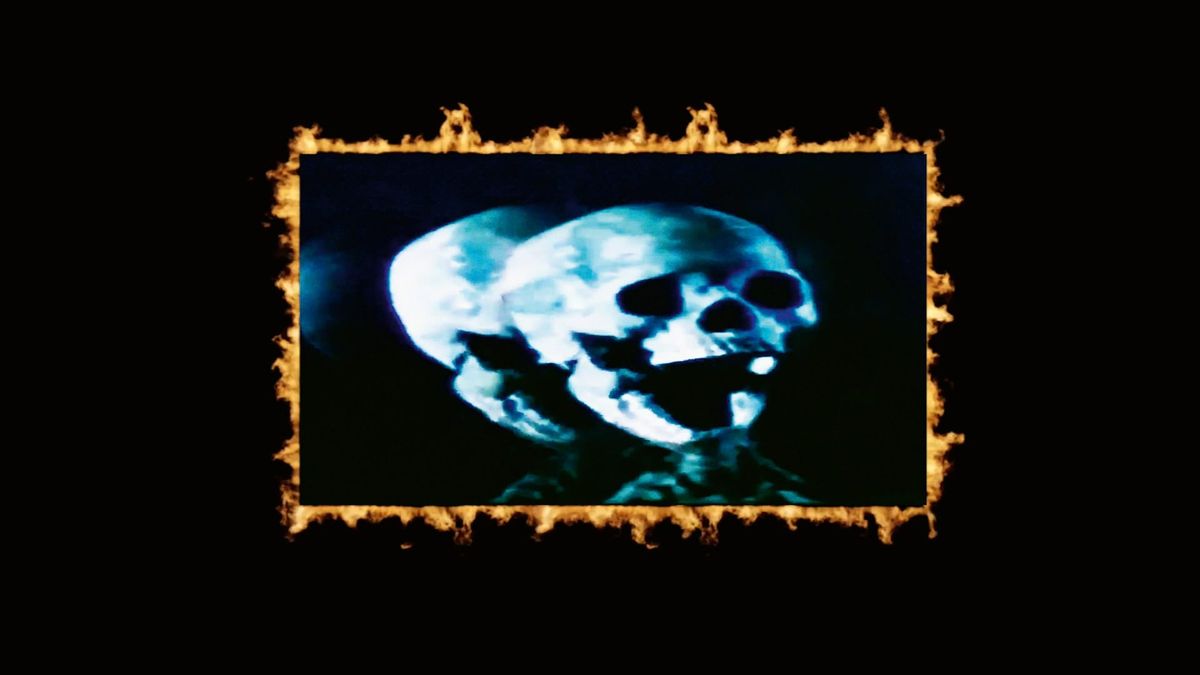
One particular work of his, whose traces I still find in my oeuvre, is Ghost Like Us (2020). I first encountered this video essay on my old laptop in September 2020, long before it premiered to the public. Rizaldi named it Ghost Like Us because, for him, everyone who lives or grows up in Indonesia is a spectral figure, adrift and disoriented.
At its core, the work examines how the history of Indonesian horror cinema—largely produced during Suharto’s New Order, a military dictatorship that haunted the country for more than three decades—functioned as a vast propaganda machine, reconstructing how society came to judge what is good and what is bad. This moral binary is illustrated through phantoms, monsters, and demons depicted alongside the “angelic”: pious Muslim youths, businessmen, or military personnel. Over 20 minutes, the video probes that propaganda apparatus, which allowed class divisions—between kampung (village) and city, poor and rich—to be endlessly replicated.