Issue
148 Dispatch: Beijing
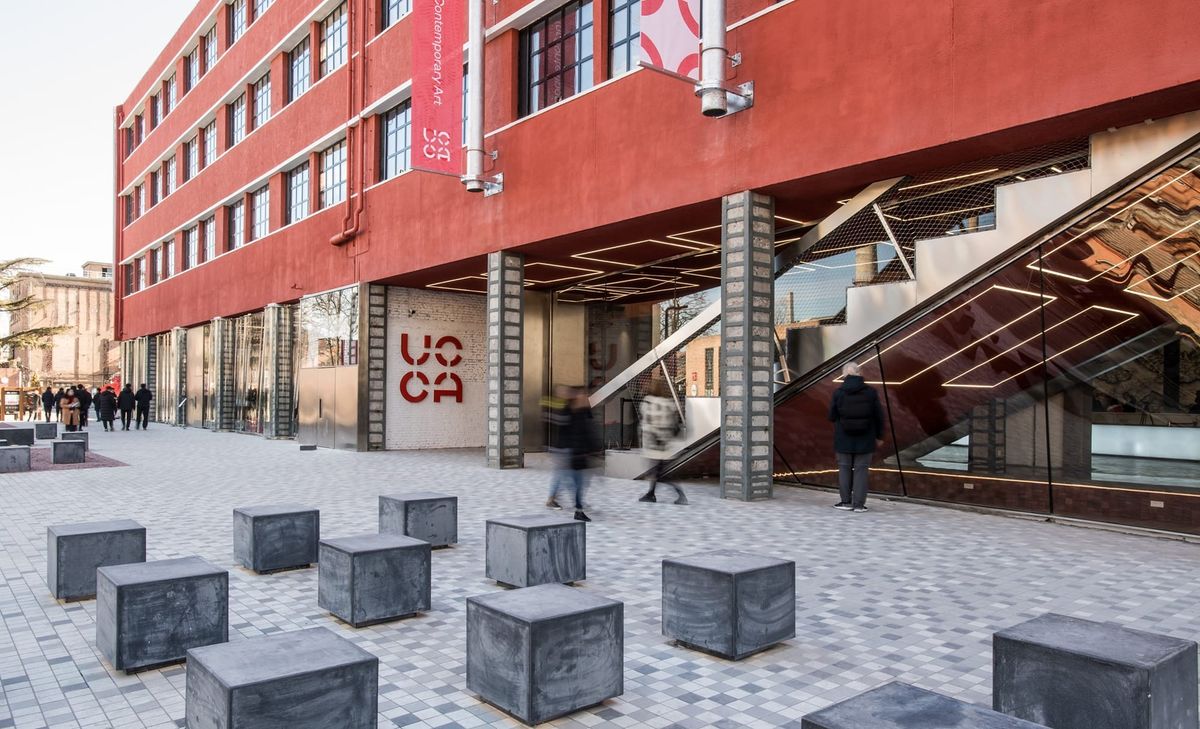
Since last year, Beijing’s art world has undergone a series of conspicuous shifts. Reports of financial troubles at UCCA hit the press; Philip Tinari ended his 14-year tenure as director and CEO to take the helm of Hong Kong’s Tai Kwun; in the same week, Taikang Art Museum disclosed its own leadership changes. Smaller venues also faced closures: independent art space DRC NO. 12 failed to renew its lease; fRUITYSPACE, a long-running platform for underground music and culture, shuttered for the same reason. Independent publishing operates under sharpening restrictions, leaving art book fairs in Beijing increasingly untenable—such gatherings are being overtaken by cultural-lifestyle merchandise events. If the steady exodus of friends and colleagues in the past few years could once be attributed to individual circumstance or the pressures of a given sector, recent official figures point to something more systemic: since 2020, due to soaring living costs and tightening regulations, the capital lost more than a million young residents. These developments have deepened an already pervasive uncertainty about the future of the local art ecosystem, with many dwelling on the same question: will you stay in Beijing?