Issue
148 Previews: 61st Venice Biennale
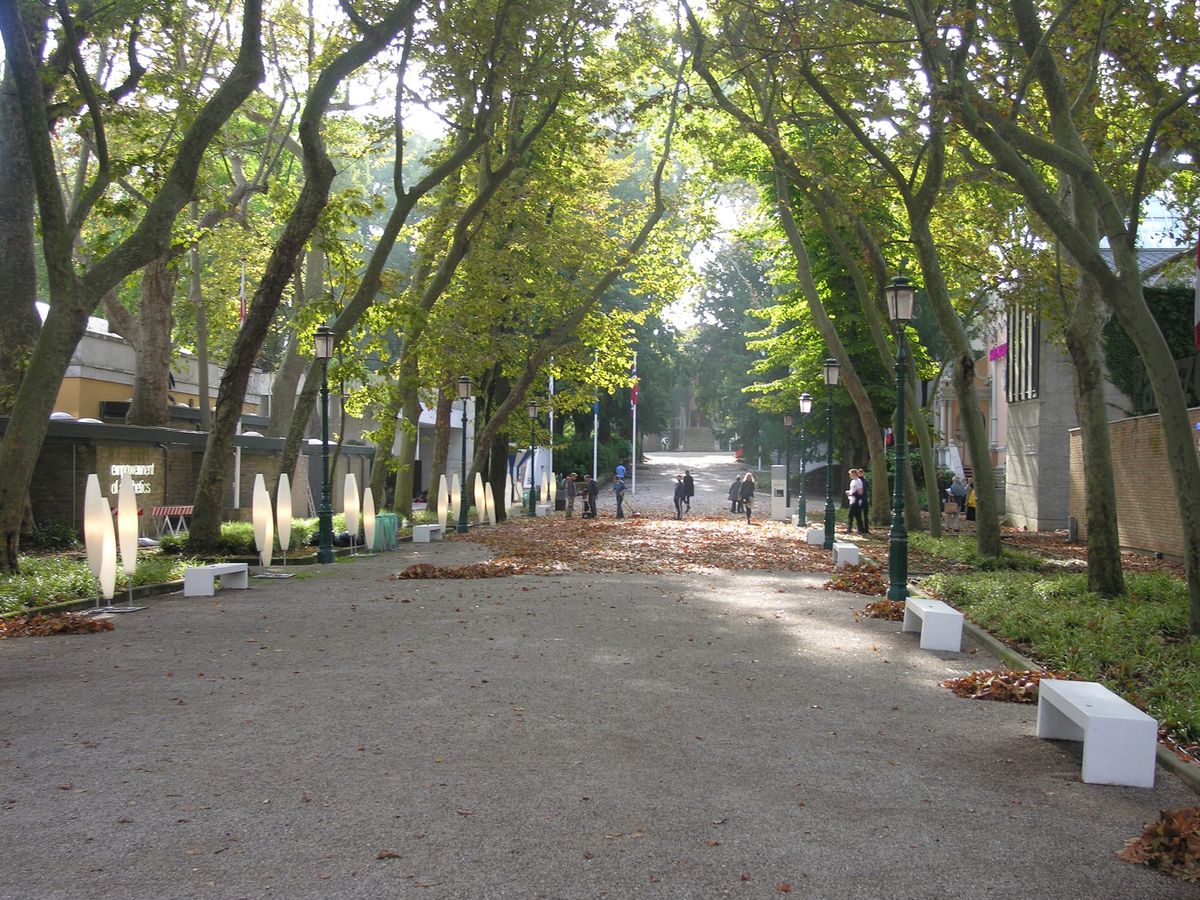
“Look at the creole garden,” Édouard Glissant wrote in 1993, “you put all species on such a little lick of land: avocados, lemons, yams, sugarcanes. . . . [T]hey protect each other. In the great Circle, everything is in everything else.” Botanical, philosophical—the small, promiscuous plot that becomes, through proximity and difference, an ecology no single taxonomy can contain. This is the image that Koyo Kouoh planted at the heart of “In Minor Keys,” her curatorial premise for the 61st International Art Exhibition of the Venice Biennale. It is an exhibition organized by resonance—by what she understood as deep affinities between artists who have never met, as though the correspondence had always already been underway. Kouoh passed away on May 10, 2025, before she could see her exhibition come into being.
“In Minor Keys” arrives into a world that has grown, since Kouoh first conceived her vision, considerably more volatile. On February 28, the US and Israel launched surprise airstrikes across Iran, assassinating Supreme Leader Ali Khamenei and inflicting tremendous civilian casualties. The attack triggered retaliatory missile and drone strikes, the closure of the Strait of Hormuz, and a regional fracture whose impact is still developing. The Biennale has never been innocent of history, and now it unfurls inside its shadow. In her curatorial statement, Kouoh quoted Toni Morrison: “It is not possible to constantly hone on the crisis. You have to have the love and you have to have the magic, that’s also life.” Kouoh held this. The sotto voce murmur summons a different acoustics for enduring catastrophe, the hum beneath the noise, the grief that carries its own cadence, something that survives.
This has been an edition of many storms, even before its opening. Khaled Sabsabi, the selected artist for the Australian pavilion, was abruptly dropped then reinstated under pressure. South Africa withdrew from the event entirely after the government axed Gabrielle Goliath’s proposal to present Elegy (2015– ), her project on femicide which, in its latest iteration, mourns the Palestinian poet Hiba Abu Nada, who was killed in an Israeli airstrike on Gaza in 2023. Notwithstanding her government’s demurral, Goliath will bring the work to Venice. Over 70 artists invited to “In Minor Keys,” including Alfredo Jaar, Gala Porras-Kim, Walid Raad, Yoshiko Shimada, Carolina Caycedo, Nina Katchadourian, Éric Baudelaire, Guadalupe Maravilla, Zoe Leonard, and the collective fierce pussy, have signed an open letter opposing the participation of Israel, Russia, and the US, further objecting to the Biennale’s decision to relocate the Israeli pavilion into the Arsenale. These voices form the exhibition’s present tense.
Kouoh devised her framework in part during an intense week in Dakar at RAW Material Company, the institution that she built. Gathering in the shade of a mango tree, she and her team chose the 111 participating artists following Kouoh’s idea of “relational geography”: the reverberations between artists working in Salvador, Beirut, San Juan, Nashville, Paris, and Dakar, among other places. Their practices find company across distances they may never have traversed. The closest music for this logic is free jazz. The minor key—the blues, the lament, the morna—bears its own form of joy and refusal: the joy of consolation, of creating together, and also the refusal to let disasters set the terms of encounter.
During that week in Dakar, fruit fell from the mango tree whenever an artist’s name was spoken aloud. The team grew attentive to it; they waited, noting when no fruit fell. It is the kind of anecdote that seems to resist rational paraphrase, which is precisely the point. Some things are suspended in the minor key because no other register can hold them. The 61st Venice Biennale persists amid a world at war, its own house divided by the politics of representation and censorship, with a score composed by a woman who trusted that the songs would outlast her. Perhaps they will. — Louis Lu
India
Geographies of Distance: Remembering Home
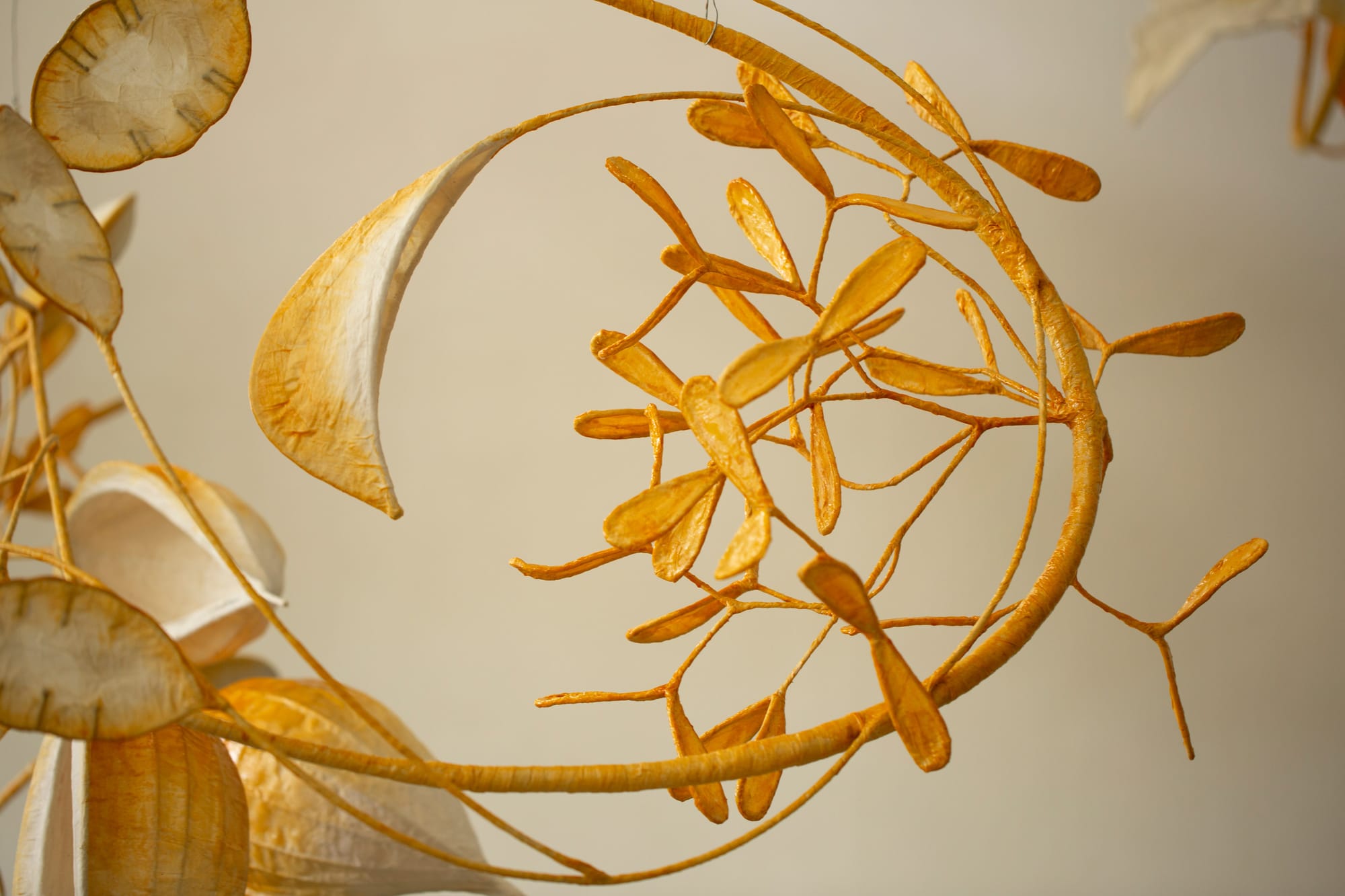
After a seven-year absence from the Venice Biennale, India returns with “Geographies of Distance: Remembering Home,” a pavilion curated by Amin Jaffer and featuring five artists from different regions of the country—Alwar Balasubramaniam (Bala), Sumakshi Singh, Ranjani Shettar, Asim Waqif, and Skarma Sonam Tashi—who work with organic, locally rooted materials and inherited craft processes. Their practices use sculpture, installation, and other media to think through how India’s cultural identities and environments are being reshaped amid globalization, treating “home” less as a single place than a shifting state formed by overlapping memories, narratives, and beliefs.
Hong Kong
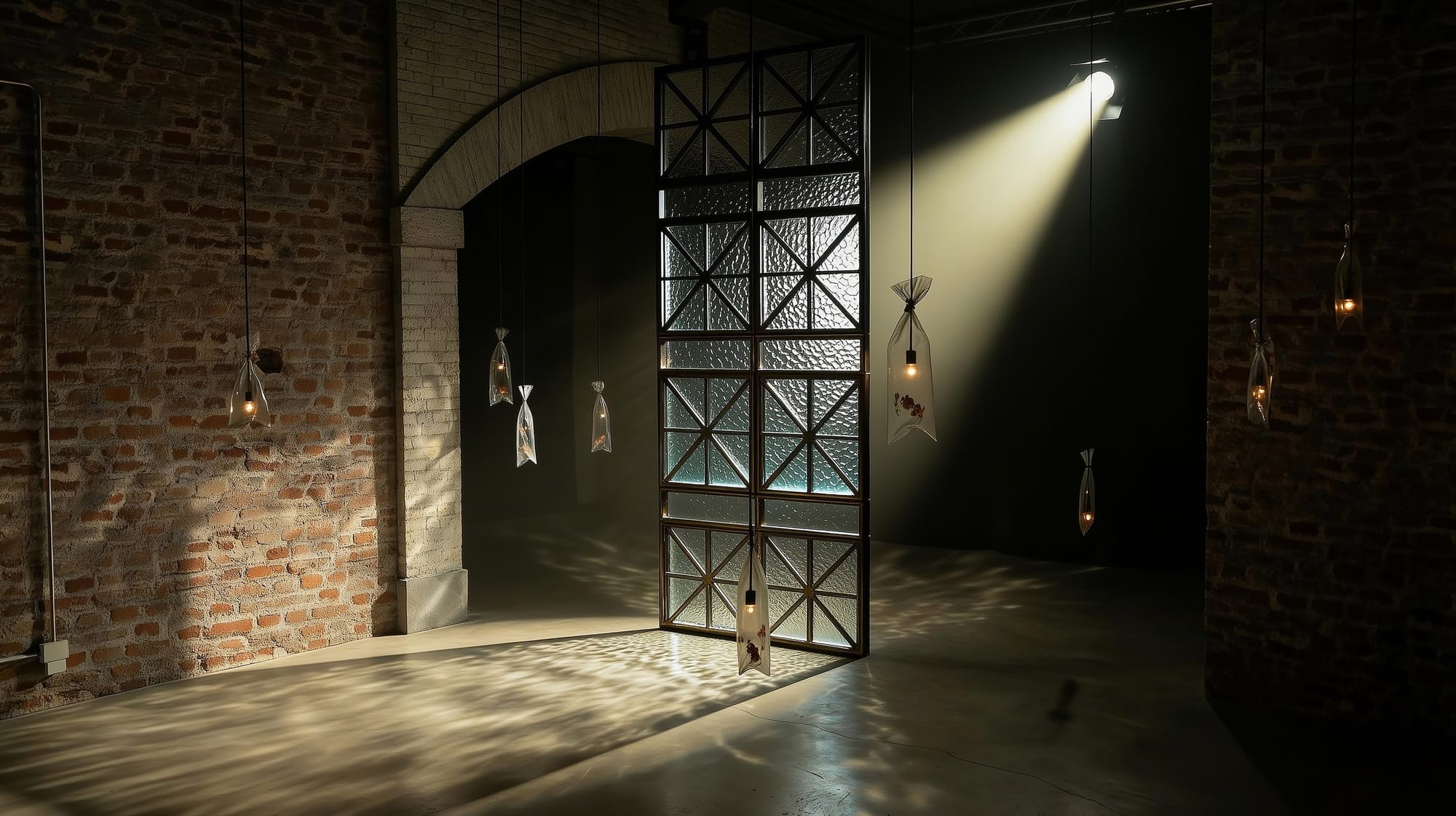
Fermata: Hong Kong in Venice
Breaking from its usual solo-artist format, the Hong Kong collateral exhibition, curated by the Hong Kong Museum of Art, presents “Fermata: Hong Kong in Venice,” featuring site-specific works by Hong Kong-based artists Kingsley Ng and Angel Hui. Ng, a midcareer media artist, is known for using light as a primary medium in his immersive installations probing social conditions and contemporary urban life, while the younger Hui, born in 1990, has built a reputation for experimental gongbi ink painting on toilet paper and underglaze porcelain cast in deliberately kitsch forms. The duo brings their distinct practices into dialogue to trace the familiar yet fleeting textures of the city’s everyday.
The Philippines
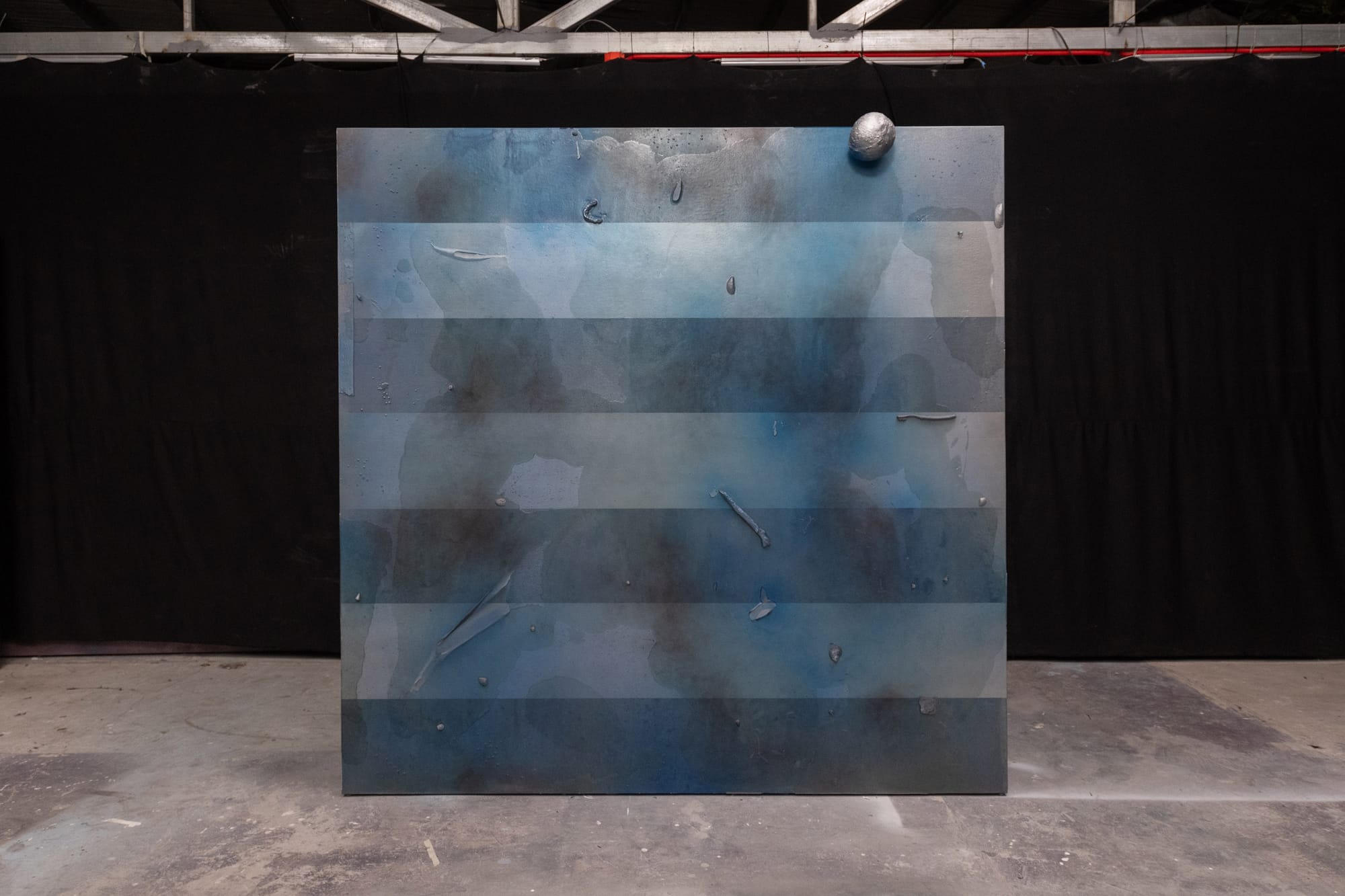
Sea of Love / Dagat ng Pag-ibig
Reflecting on the Philippines’ archipelagic geography and cultural milieu, the Philippine Pavilion presents “Sea of Love / Dagat ng Pag-ibig,” a solo show by Manila-born interdisciplinary artist and filmmaker Jon Cuyson. Anchored in what the artist calls “mussel thinking”—a conceptual framework inspired by the humble shellfish—the pavilion brings together paintings, videos, sculptures, and other works spanning Cuyson’s three-decade practice. Curated by Mara Gladstone, the exhibition takes shape as an evolving archive that foregrounds the vital yet often overlooked role of Filipino seafarers in global trade, envisioning the ocean not as a barrier but as a dynamic site of movement and encounter.
Saudi Arabia
May Your Tears Never Dry, You Who Weep Over Stones
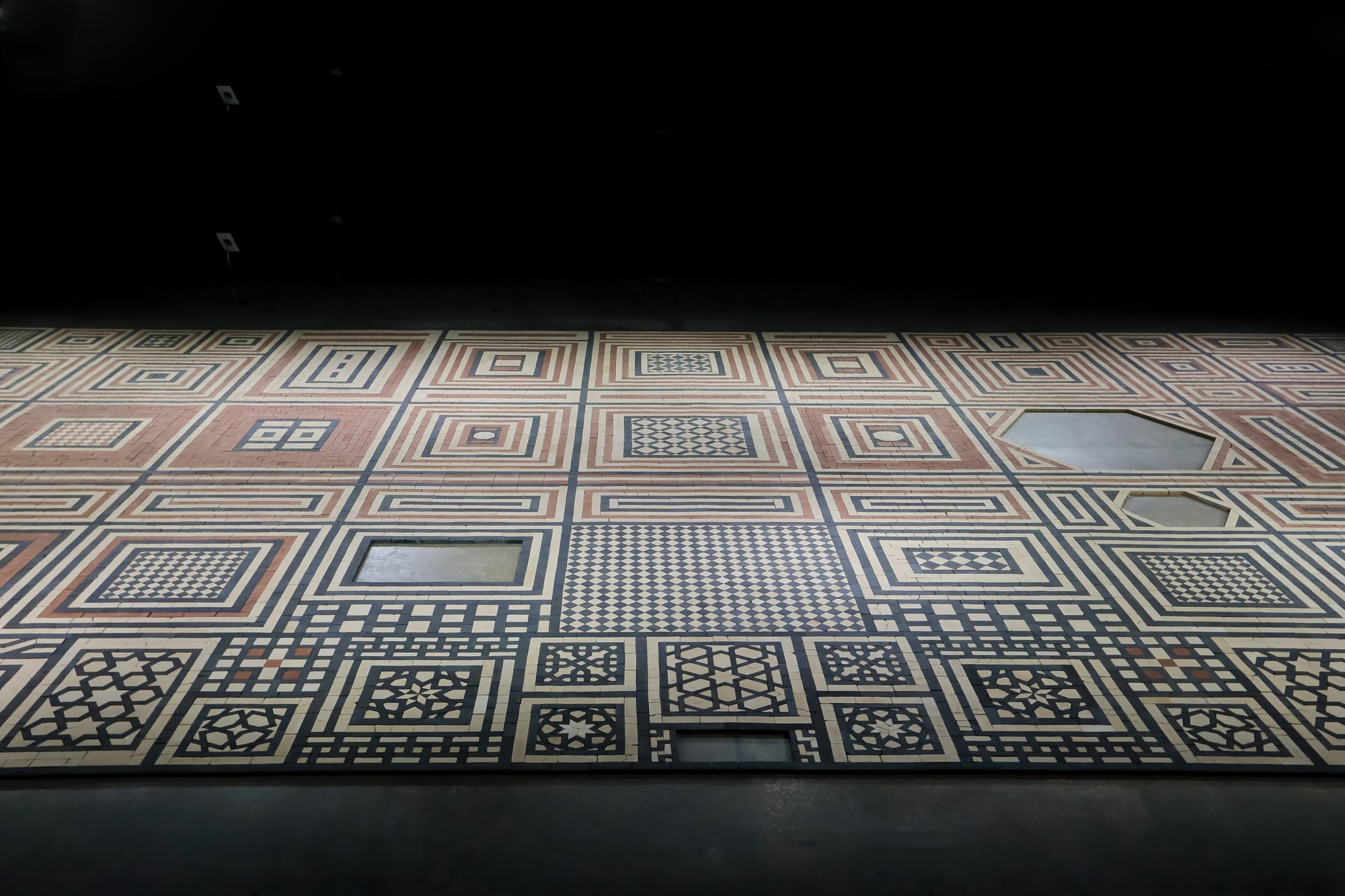
Dana Awartani, the fourth woman to represent Saudi Arabia at the Venice Biennale, presents a solo pavilion featuring a major new commission. Drawing on Islamic and Arab aesthetic traditions and often collaborating with master artisans, she creates paintings, sculptures, performances, and installations that hold historical continuity in tension with formal innovation. The project, curated by Antonia Carver and Hafsa Alkhudairi, probes the spatial and historical dimensions of Middle Eastern culture—particularly its material and craft heritage—while centering the inherent and intertwined forces of destruction and preservation shaping the region’s cultural memory.
Singapore
A Pause
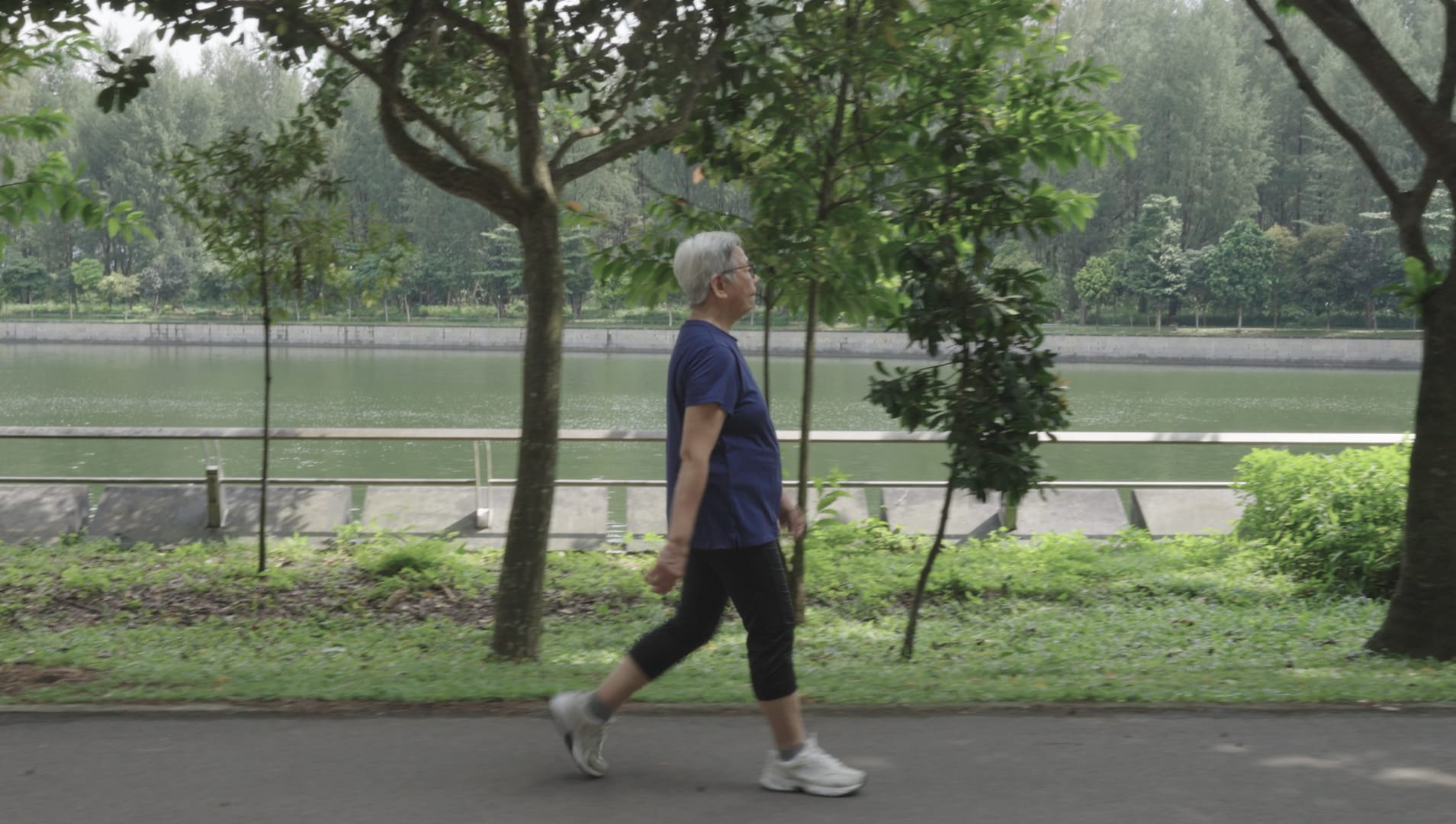
Singapore is represented by Amanda Heng, a pioneering feminist performance artist and seminal figure in the country’s contemporary art canon. As only the second woman—and the most senior artist—to stage a solo pavilion for Singapore at the Venice Biennale, she extends a decades-long practice that foregrounds the body and the ordinary as her primary material. Curated by Selene Yap and titled “A Pause,” the pavilion turns on quiet, everyday gestures—sitting, waiting, watching—recasting the space as one of rest and close attention. Through this deliberately understated register, Heng reflects on vulnerability and endurance, proposing resilience and renewal through the act of being present.
Thailand
The Spirits of Maritime Crossing 2026
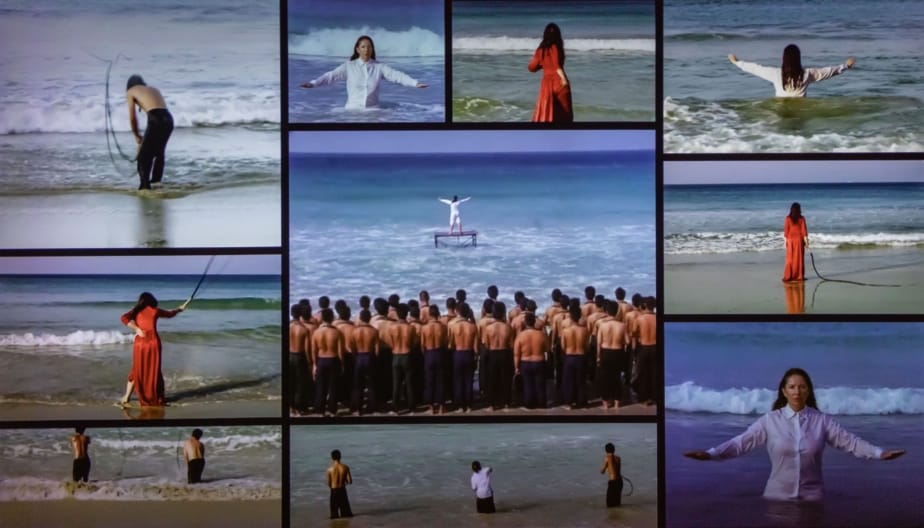
Building on its 2024 collateral exhibition, the Bangkok Art Biennale Foundation mounts a second chapter of “The Spirits of Maritime Crossing.” The 2026 iteration convenes 20 artists from Southeast Asia and further afield who work across performance, painting, installation, film, and sound. At its center is Marina Abramović’s Sea Punishing—staged with hundreds of participants whipping the surface of the sea in remembrance of the Andaman Sea tsunami. Curated by Apinan Poshyananda, the show unfolds as a layered meditation on faith, diaspora, migration, and the legacies of colonization, transforming experiences of loss and displacement into forms of relation and resilience.
United Arab Emirates
Washwasha
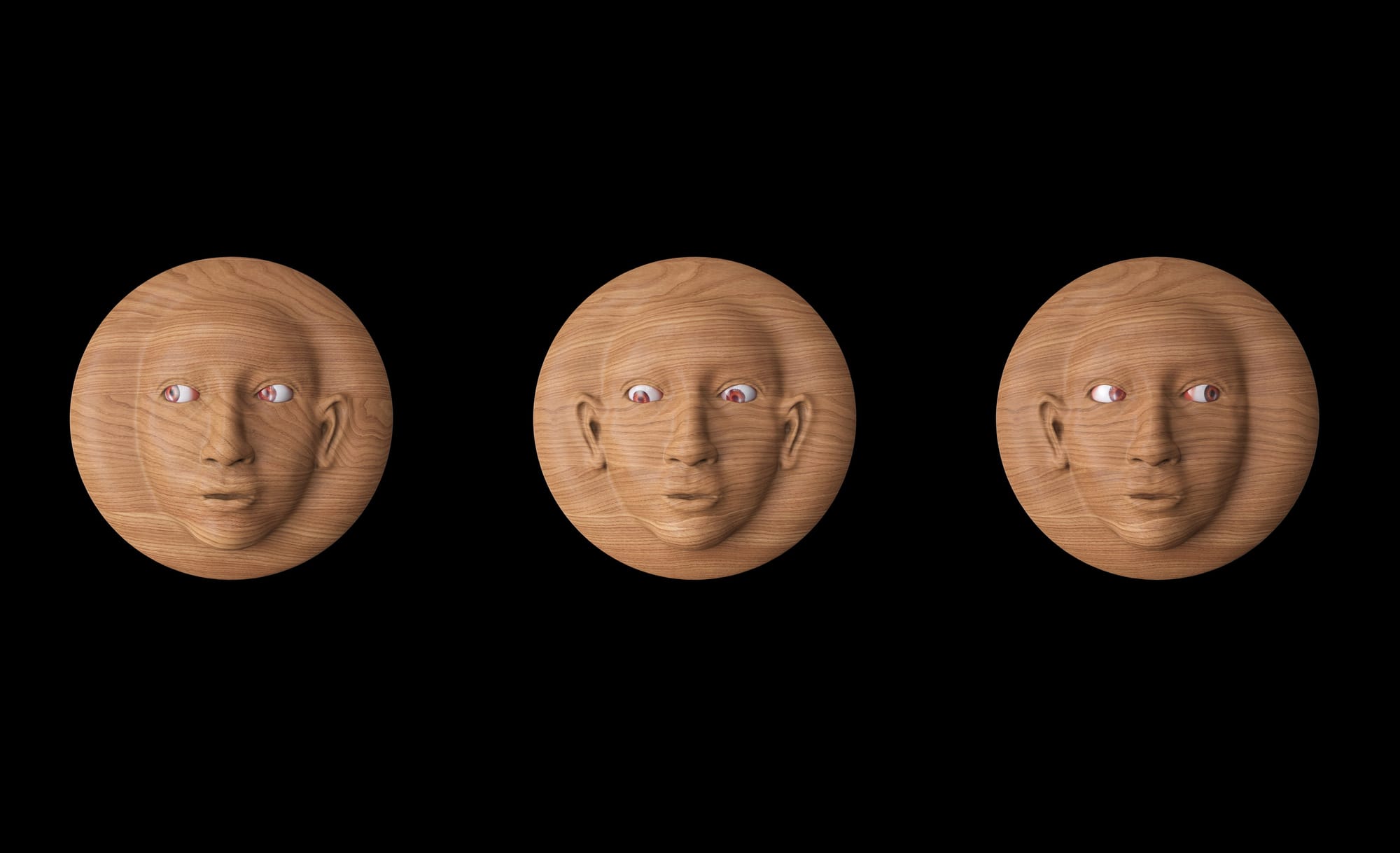
Conceived around the idea of washwasha, the onomatopoeic word in Arabic for “whispering,” the United Arab Emirates Pavilion probes how migration, technology, and oral traditions define the Gulf state’s cultural landscape, with the notion of whispering offering a framework for examining the ties between language, body, and identity. The exhibition is curated by Bana Kattan and features works by Mays Albaik, Jawad Al Malhi, Farah Al Qasimi, Alaa Edris, Lamya Gargash, and Taus Makhacheva. Juxtaposing early storytelling methods with technology-based modern-day communication, the presentation considers how shifting infrastructures condition the ways communities listen and are heard.
Uzbekistan
The Aural Sea
Drawing on the writings of Karakalpak author Allayar Darmenov, the Uzbekistan Pavilion brings together seven artists—Jahongir Bobokulov, Zi Kakhramonova, Aygul Sarsen, Zulfiya Spowart, Xin Liu, A.A.Murakami, and Nguyen Phuong Linh—working across painting, textile, installation, and other media to reflect on the aftermath of the Aral Sea disaster. Focusing on Karakalpakstan—where Soviet irrigation schemes from the 1960s onward caused much of the inland lake to dry up—the exhibition turns to mythmaking and storytelling as ways of processing ecological grief.