Shows
Shows to See in Korea, September 2026

Korakrit Arunanondchai
Post Ritual Bodies
Kukje Gallery, Busan
Aug 28–Oct 31
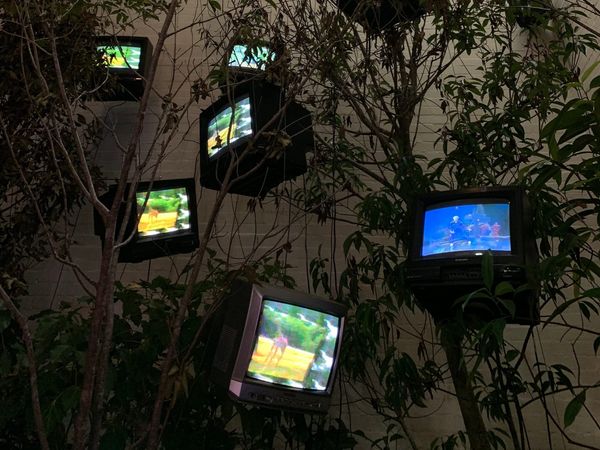
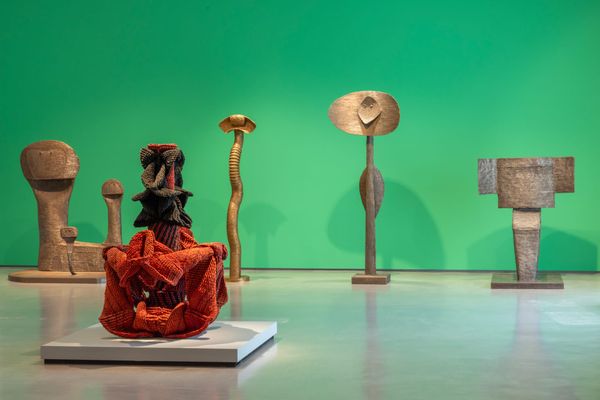
Few artists work the seam between animist belief and the networked image as restlessly as Korakrit Arunanondchai. The Thai-born, New York- and Bangkok-based artist assembles personal memory, Buddhist cosmology, ecological catastrophe, and half-buried historical events into films and immersive environments. His signature bleached-denim paintings, scorched and body-printed, are like relics of past ceremonies. Theatrical and elegiac, his live performances synthesize bodies, smoke, and sound into rites of mourning, tracing the cycle of life and death, the way memory decays and returns. At Kukje Gallery’s Busan space, “Post Ritual Bodies” gathers new sculptural installations alongside spectral filmic portraits of his loved ones, captured with a thermal camera, expanding on the question that has long vitalized his practice: what makes it through the passage between spirit and the living.
Kader Attia
Irreparable Repairs
Lehmann Maupin, Seoul
Aug 28–Oct 17
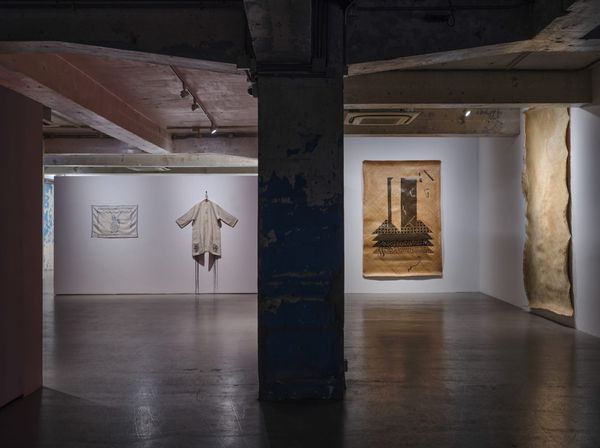
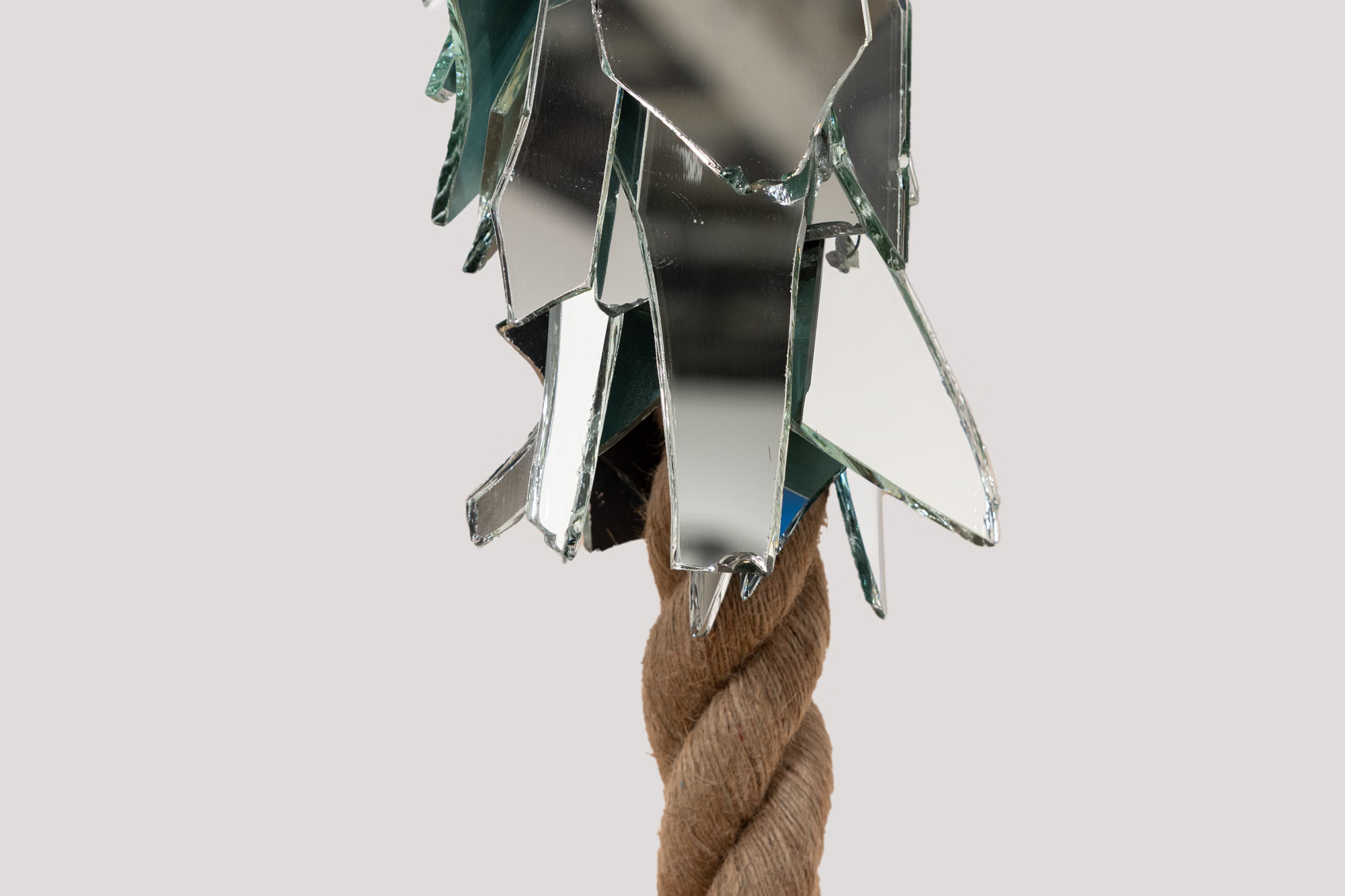
Kader Attia—who is curating the 2027 Kochi-Muziris Biennale and currently showing a poetic multimedia installation at the Venice Biennale’s main show “In Minor Keys”—opens his first solo exhibition in Seoul. Returning to the themes of injury and repair that he has examined for over two decades, the show presents new works under the central premise that wounds and damage cannot be undone, only made visible and mended. In his ongoing Mirrors series (2013– ), Attia makes incisions into fabric, then sutures everything by hand, leaving the stitched scar exposed as a way of acknowledging loss and trauma. An array of new convex “wounded” mirrors applies the same method to glass—in the slashed surface, viewers encounter a distorted reflection that Attia links to algorithmic control.
Art Spectrum 2026
ARoomWhereEveryRadioIsTunedtoDifferentStations
Hoam Museum of Art, Yongin
Sep 1–Dec 27
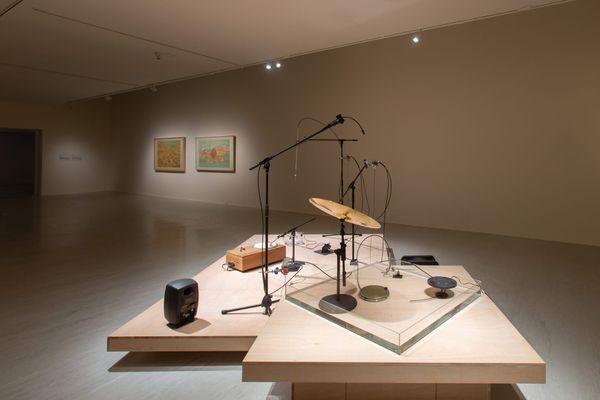
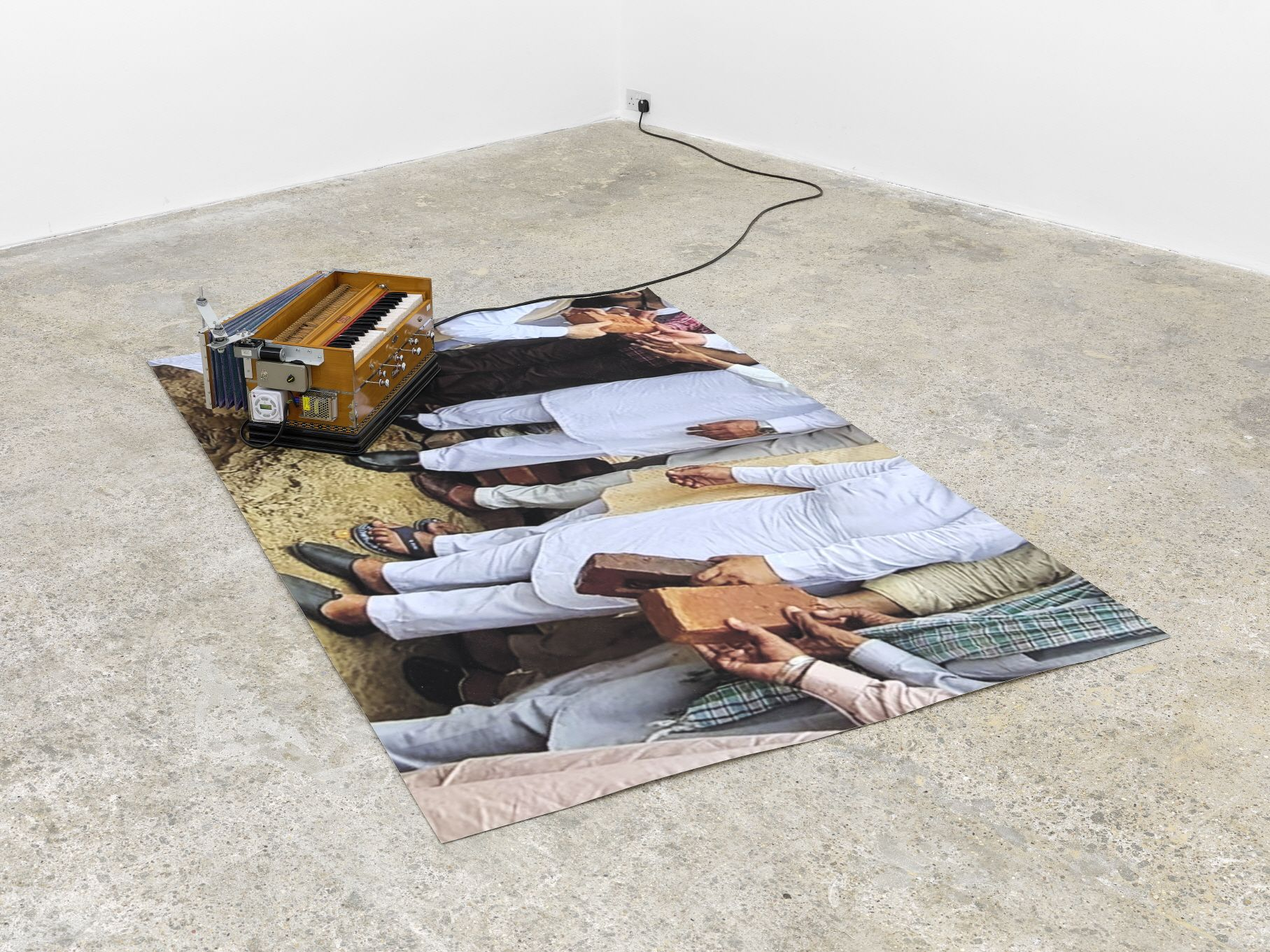
Since its founding in 2001, Art Spectrum at the Leeum Museum of Art in Seoul has served as a distinctive platform for emerging Korean artists. In 2024, the biennial survey broadened its scope, inviting international partnerships and opening its roster to practitioners from across Asia. This year’s edition, titled “ARoomWhereEveryRadioIsTunedtoDifferentStations” and co-curated with Paris’s Palais de Tokyo, takes place at the Hoam Museum of Art for the first time, bringing together 23 Asian artists and collectives, including Lêna Bùi, Ruofan Chen, Musquiqui Chihying, SIDE CORE, Jasleen Kaur, Chulayarnnon Siriphol, and Rachel Youn. With works spanning film, performance, architecture, design, and text, the survey is an experiment in affinity, exposing how the ripples of the past continue to interfere with the present.
Koo Jeong A
OUSSSMOS
Leeum Museum of Art, Seoul
Sep 5–Dec 27
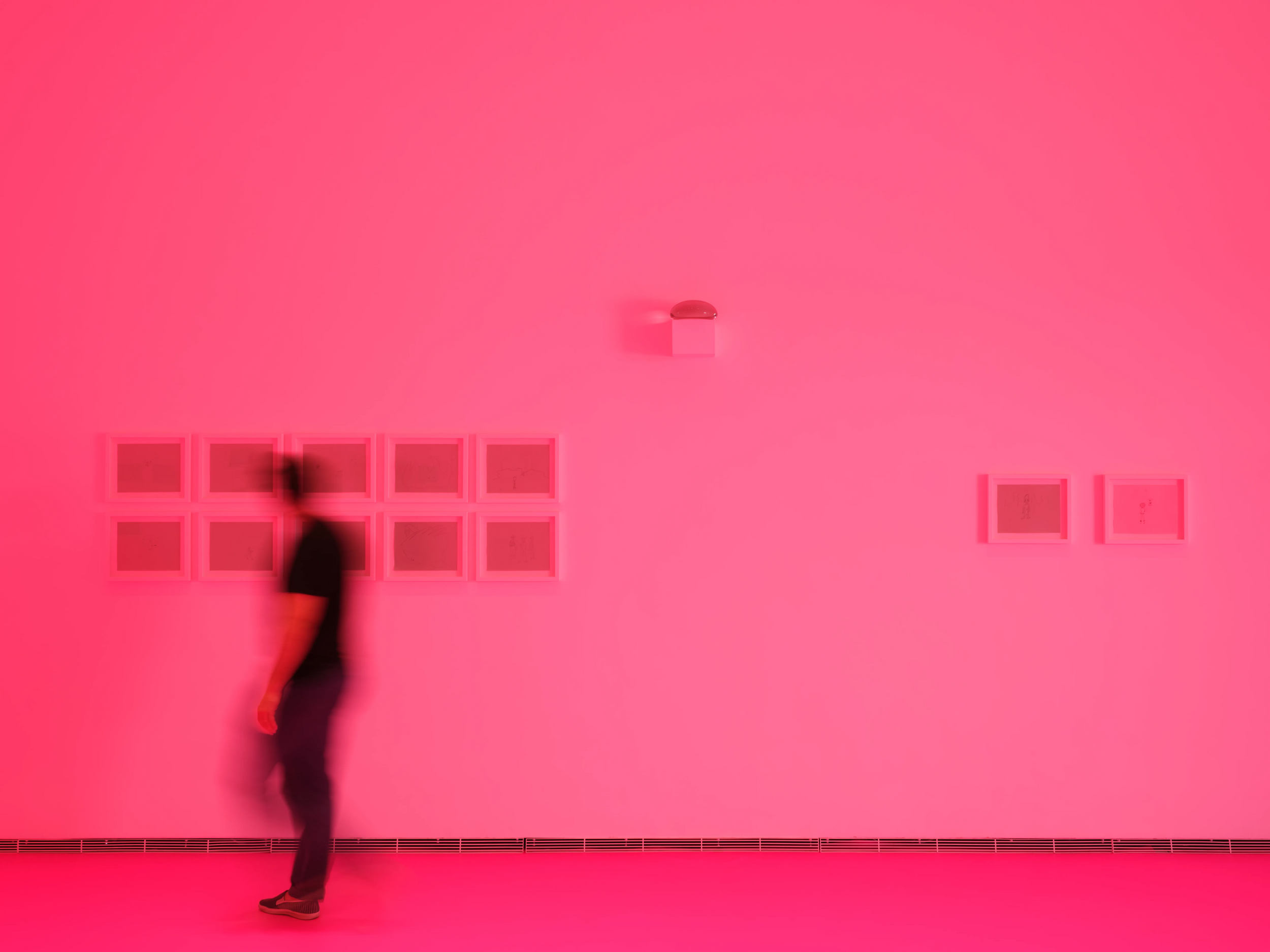
Two years ago in Venice, Koo Jeong A imbued the Korea Pavilion with scent, creating an olfactory experience that registers below the threshold of looking. This faith in the peripheral sense has driven Koo’s practice since the 1990s, when she began building a private cosmology around the self-coined term “OUSSS.” At once a prefix and a suffix, the made-up word stands for energy and matter, or the universe itself. At the Leeum, her largest survey in Korea to date charts three decades of this enigmatic oeuvre, featuring phosphorescent surfaces, walls made of thousands of magnets, a recurring skatepark motif, and a new luminous commission that recalls a crash-landed spaceship and the infinity symbol.
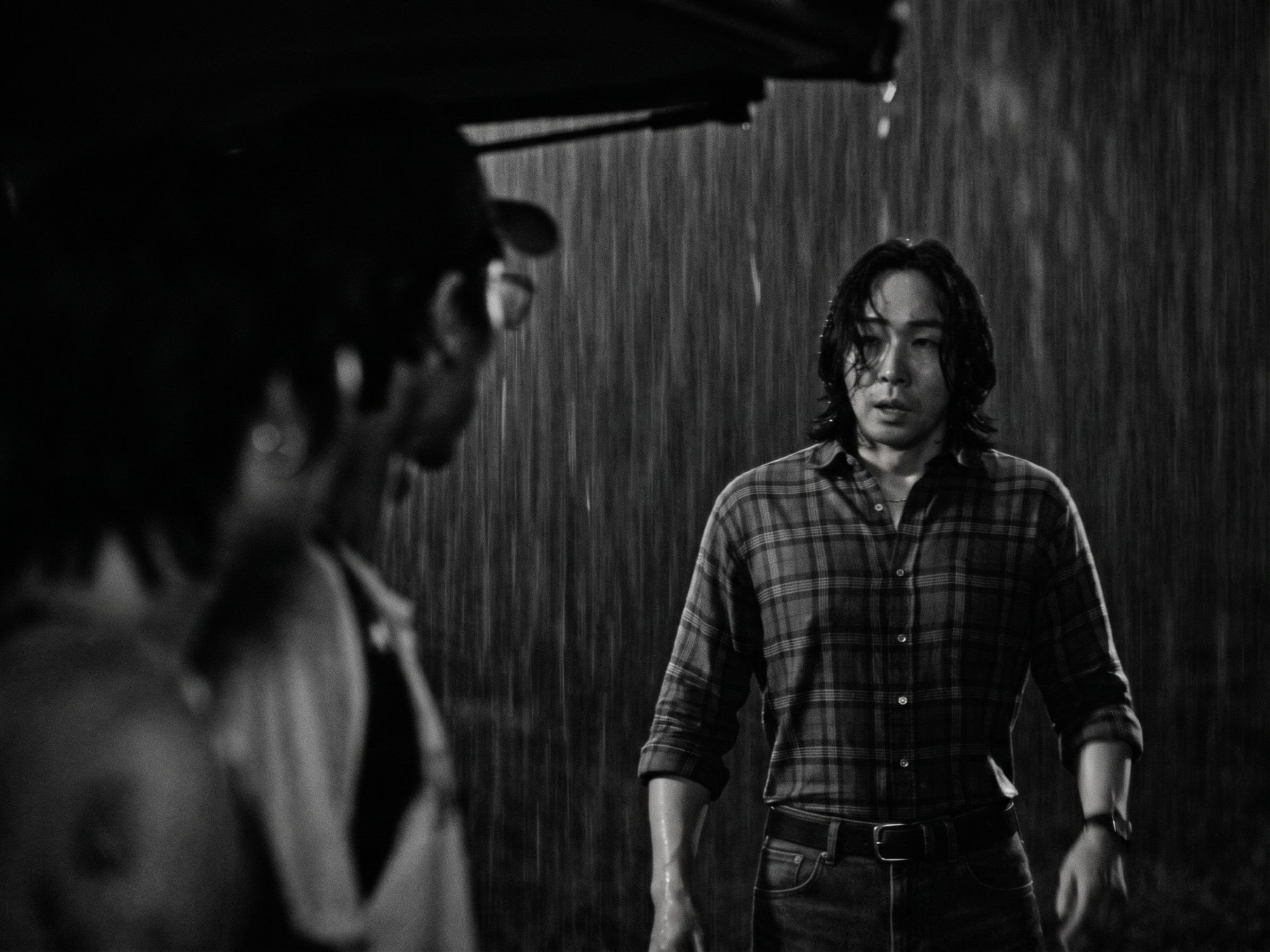
Kim Heecheon
Moles
Seo-Seoul Museum of Art, Seoul
Aug 20–Nov 8
Kim Heecheon has a knack for locating dread in the most unremarkable places—a gym, a school, a stretch of footage. His work carries the DNA of classic J-horror—think Ringu (1998) or Pulse (2001)—where terror leaks in through the technology we have grown to trust: the tape, the network, the feed. For Kim, the screen is a haunted interface, mediating hard questions about our cyberized world. His solo exhibition “Moles,” dedicated to recent works, turns to the mole, a character that first appeared as an Easter egg burrowing between two of his video game engine-produced videos, CutterIII and Double Poser (both 2023), and resurfaces as the protagonist of Lemon (2026). Another new piece on view, Cured (2026), is an AI-generated multichannel video installation envisioning the image ecosystem of the near future. The creature tunneling between worlds is a portrait of our divided digital selves: restless, subterranean, refusing to settle on either side of the real and the virtual.
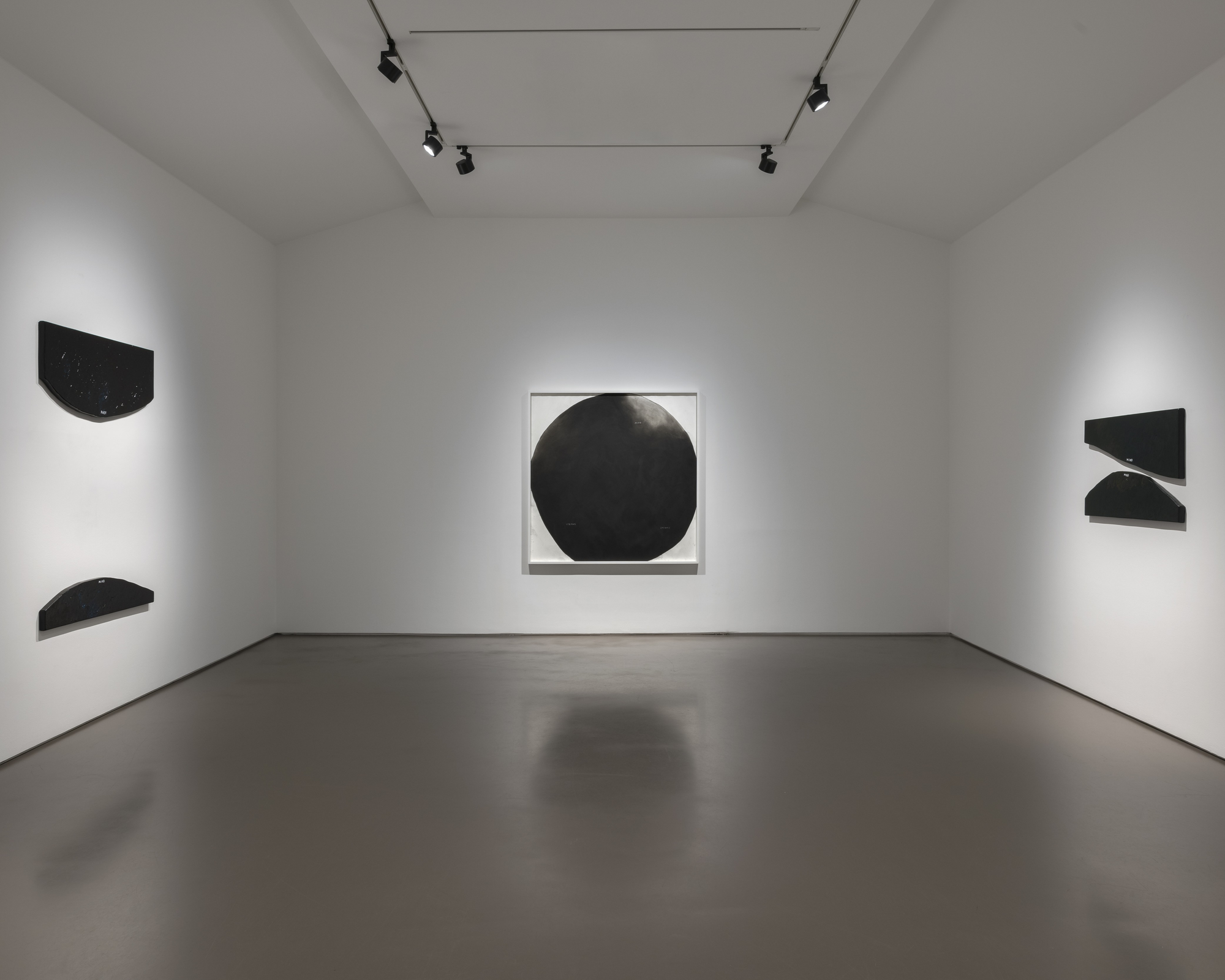
Christine Sun Kim
Moon Mind
Gallery Hyundai, Seoul
Aug 26–Oct 18
Earlier this year, Christine Sun Kim was selected as the artist for the 2026 MMCA x LG OLED, the museum and LG Electronics’s annual site-specific commission series. Her monumental video installation now fills MMCA Seoul’s cavernous Seoul Box, with animated American Sign Language (ASL) rendered in black and white. Her first gallery exhibition in Korea, “Moon Mind” at Gallery Hyundai, moves further inward, contemplating intimate questions about kinship and origin. Kim treats sound as a social contract that decides who gets to speak and which meaning counts. Drawing on ASL and her personal experiences as a Deaf artist, she splices musical notation, charcoal, infographics, and deadpan humor into a distinctive visual language. In “Moon Mind,” she debuts a group of shaped canvases centered on the small coincidence that ASL signs “mind” and “moon” with a tap on the temple, expanding the lunar motif into a meditation on memory, mother-daughter relationships, and diasporic identity.
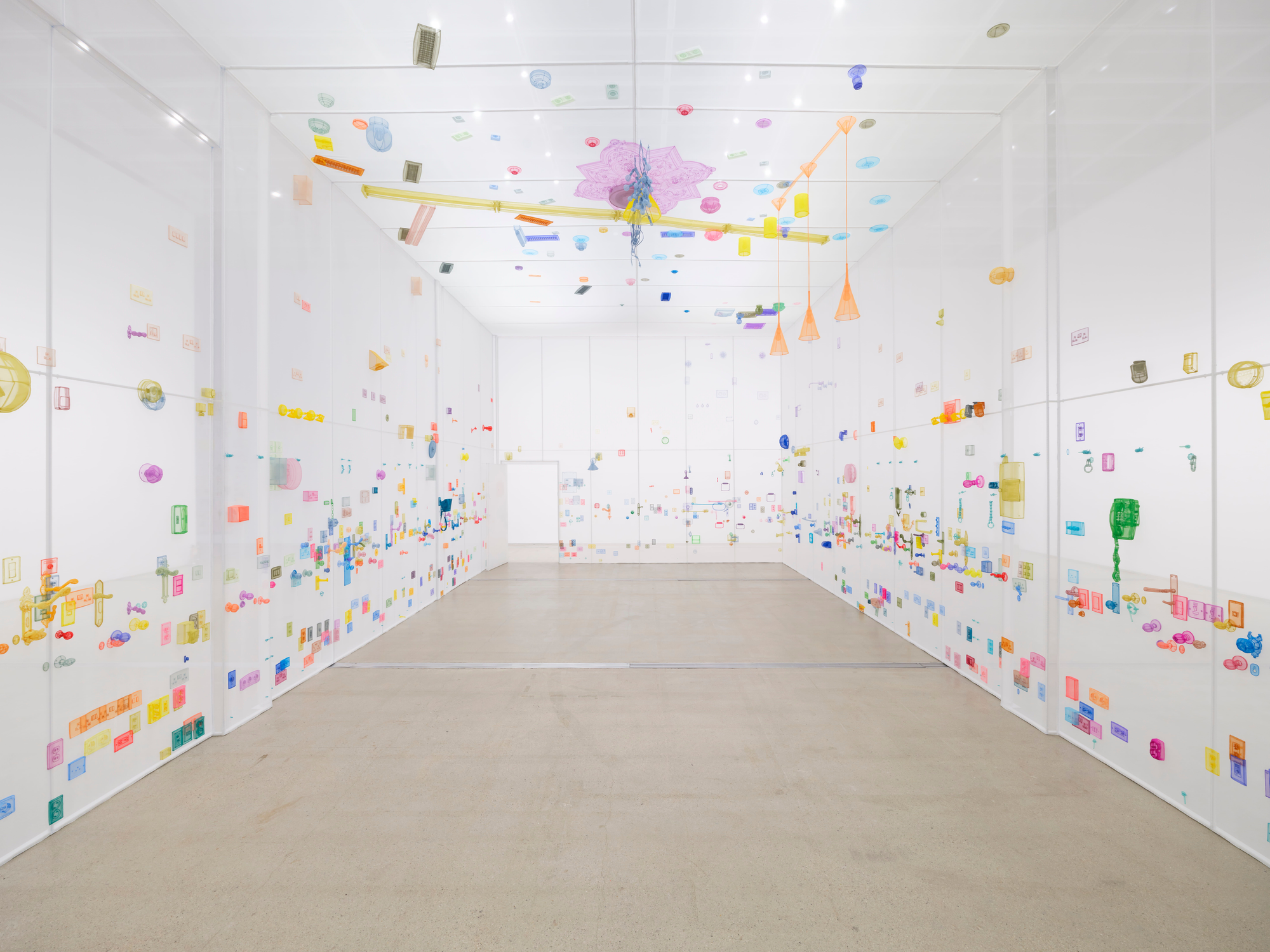
Do Ho Suh
National Museum of Modern and Contemporary Art, Korea, Seoul
Aug 27–Feb 9, 2027
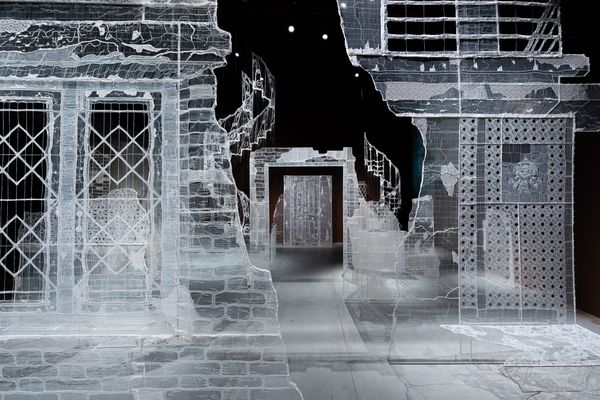
A year after a successful showing at the Tate Modern—his first major London survey in a generation—Do Ho Suh’s retrospective in Korea marks a poignant homecoming. At MMCA Seoul, where he inaugurated the institution’s Seoul Box in 2013, the artist presents the first comprehensive account of his work in his motherland. Suh’s ghostly fabric rooms are meticulously stitched recreations of his apartments in Seoul, New York, and London, rendering domestic space as something soft and portable. This exhibition spans three decades, featuring early drawings and video works alongside recent and unseen projects. Across a prolific career, Suh continues to ask: is home a place we leave behind, or a structure of feeling we carry and harbor within us?
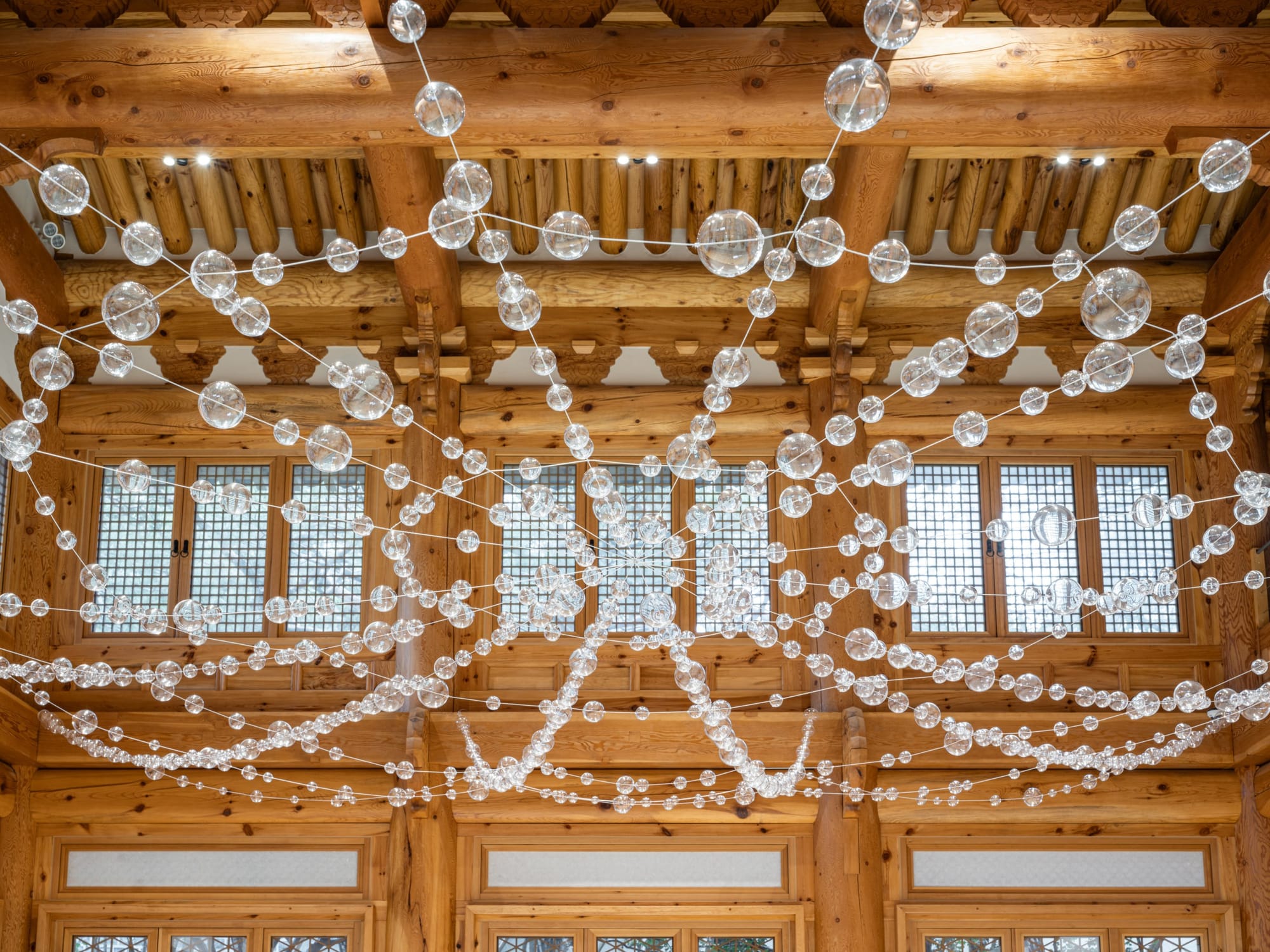
Sunhyewon Art Project 2.0: A Note from Trembling Things
PODO Museum, Jeju Island
Sep 2–Oct 31
Curated by PODO Museum—a contemporary art museum on Jeju Island operated by SK Group—the second edition of the Sunhyewon Art Project returns to Sunhyewon, a traditional hanok compound in Samcheong-dong long significant to the Korean conglomerate’s history, which reopened last year as a research institute. Following an inaugural chapter revolving around Kimsooja’s mirror installations, this iteration gathers works by three women artists—Mona Hatoum, Choi Sungim, and Kim Yunsoo—who excavate the poetics of the ordinary.
Yang Jung Uk
People in Prayer
P21, Seoul
Aug 31–Oct 9
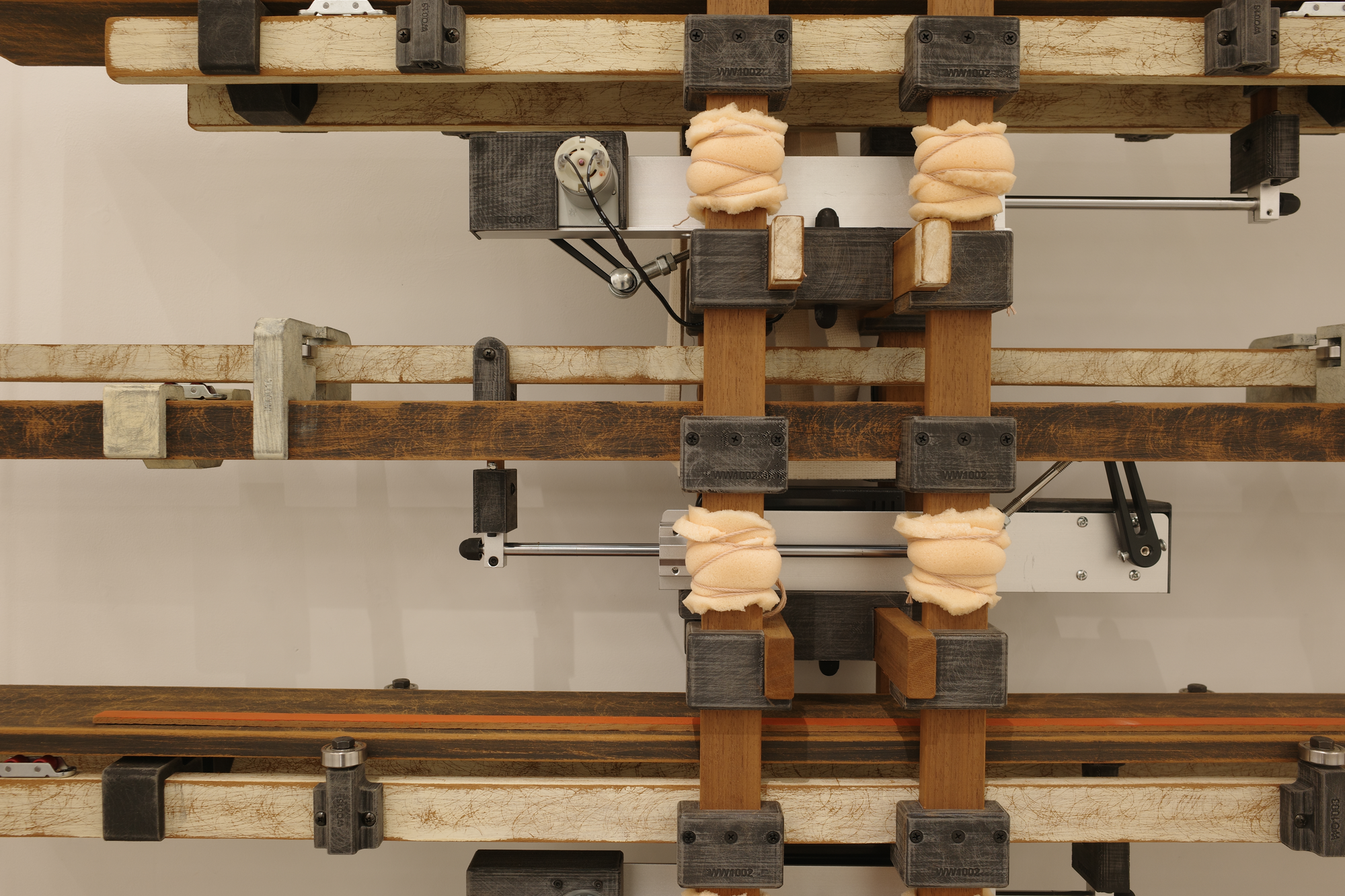
A recipient of the Korea Artist Prize 2024, Yang Jung Uk unveils a series of new works at his solo exhibition at Seoul’s P21 gallery. Since 2008, the Seoul-born artist has built kinetic sculptures from the most unassuming materials—small motors and thread affixed to slender wooden rods. Seemingly bearing the anatomical logic of tendons and ligaments, these are not static objects but whirring machines of narrative, staging the overlooked stories Yang gathers from his daily life. Light and shadow, sound and motion cohere into mechanical theaters in which the standardized textures of contemporary existence are returned, briefly, to feeling.
Louis Lu is an associate editor at ArtAsiaPacific.