People
On Art and Place: Notes from Japan
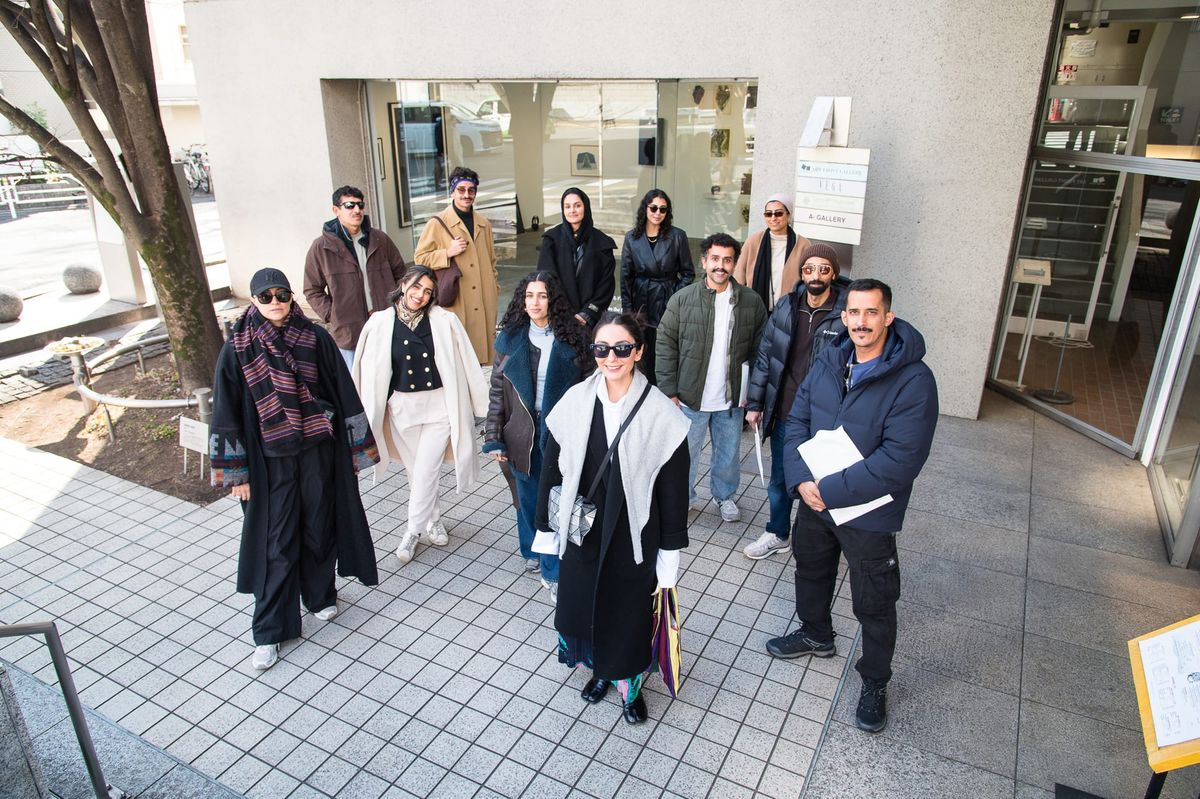
In February 2026, Saudi Arabia’s Visual Arts Commission sent a delegation of artists and cultural practitioners to Japan as part of Art Bridges, a professional development program connecting participants with international peers. From discussions about the Echigo-Tsumari Art Triennale to visits to museums and art projects on Naoshima, the exchange explored how art, architecture, and landscape can foster lasting relationships with communities.
Below, Maya AlAthel, Aseel Alamoudi, and Meshari AlDusari reflect on the experience and the possibilities it opened for Saudi Arabia’s growing visual arts sector.
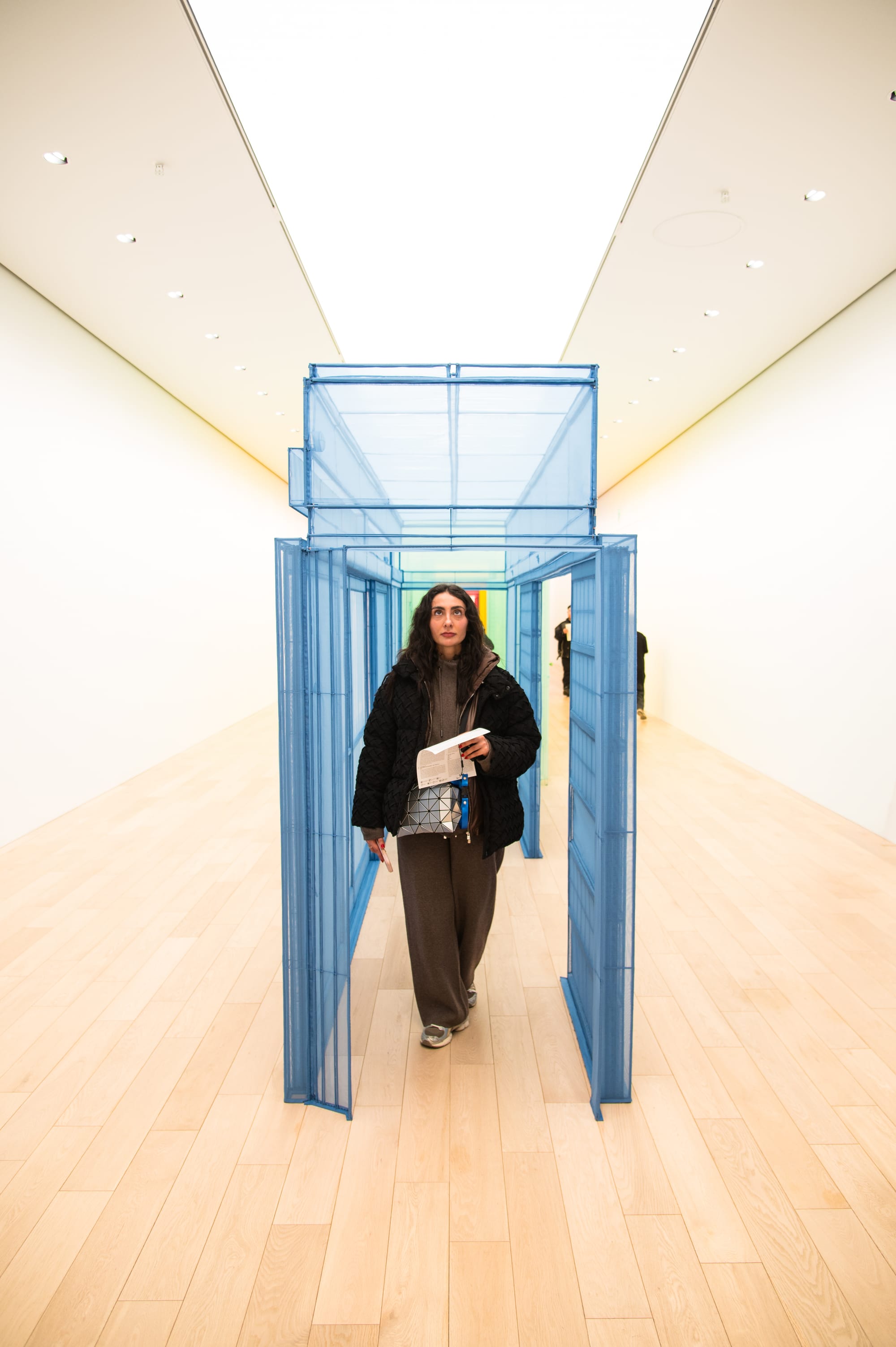
MAYA ALATHEL
Maya AlAthel is a Saudi curator and cultural strategist whose work spans public art and cultural initiatives. She previously served as artistic director and curator of Noor Riyadh.
Can you describe a specific moment during the program when a conversation or interaction changed the way you think about the role of visual arts in society?
One moment that stayed with me was hearing how artists and curators involved with the Echigo-Tsumari Art Triennale work over long periods with rural communities. There was a clear emphasis on listening, and on letting projects grow from the rhythms and needs of a place rather than arriving with fixed ideas.
That really shifted something for me. It reminded me that public art is not only about creating visible outcomes or cultural statements, but also about relationships, memory, and how people experience their surroundings. It reinforced the value of slowing down and allowing time for trust and context to shape the work.
How did the program’s structure foster genuine exchange or collaboration, rather than a one-way presentation of ideas?
The strength of the program was that it wasn’t set up as a series of presentations. It was more conversational. We moved between studios, institutions, and informal spaces where discussions unfolded naturally rather than being staged.
What made a real difference was the openness on both sides. Our Japanese counterparts were genuinely curious about what is happening in Saudi Arabia, especially the rapid changes in the cultural sector. They wanted to understand what is driving that change, how new cultural institutions are being built, and what opportunities are emerging for artists, curators, and creative practitioners. There was a genuine interest in hearing our perspectives and experiences.
That created a two-way exchange rather than a situation where we were simply observing or receiving information. We were able to compare approaches, discuss shared challenges, and talk openly about how each of our cultural ecosystems are evolving. Those conversations often continued beyond the formal visits, which made them feel more genuine and allowed relationships to develop naturally. It felt less like we were presenting Saudi Arabia and more like we were learning from each other, finding common ground, and building connections that could lead to future collaboration.
What most surprised you about the similarities or differences between the contemporary art ecosystems in Saudi Arabia and Japan?
What stood out was how both contexts are deeply interested in the relationship between art, place, and community, even if they approach it differently. In Japan, many projects are rooted in long-term engagement and local identity, especially outside major cities.
In Saudi Arabia, things are developing quickly, and there is a notable interest in working with local narratives and environments. The pace of change in Saudi Arabia brings a kind of openness that feels very energizing.
Did any aspect of the Japanese art scene prompt you to reconsider how similar structures might evolve or be adapted within the growing Saudi visual arts context?
Yes, especially the long-term thinking behind many Japanese institutions and public art projects. There is a sense that cultural impact is built slowly, through consistency and trust over time.
I was also interested in how places like Naoshima have developed into sustained cultural ecosystems that support both artists and local communities. It made me think more about how important it is to build structures in Saudi Arabia that are not only ambitious, but also grounded and able to grow gradually within their context.
What do you see as the potential long-term impacts of the program?
For me, the long-term value of this kind of exchange is not only in immediate projects, but in creating a network of people who are curious about each other’s cultural contexts and open to continuing the dialogue. These kinds of exchanges can easily stay at the level of a single interaction, but they also have the potential to grow into future collaborations, research, and shared projects.
One person who stood out to me was Takeo Obayashi, who showed a genuine interest in understanding the emerging collecting landscape in Saudi Arabia. He was interested in learning more about the new generation of Saudi collectors and the role they are playing in supporting the growth of the cultural sector. There was an interest in connecting Saudi and Japanese collectors and creating opportunities for open dialogue around collecting practices, motivations, and how different cultural contexts shape the way art is valued and supported.
Another meaningful connection was with the team behind the Echigo-Tsumari Art Triennale. As a public art curator, I found those conversations especially relevant because they moved beyond simply exchanging information. We discussed how Saudi artists could potentially participate in future editions of the Triennale and how public art could become a way of bringing Saudi perspectives into dialogue with Japanese communities.
More than anything, I think what we created was a shared understanding across very different contexts. We were all engaging with similar questions around place, audience, community, and the role of art in society. The most valuable outcome was the beginning of relationships and a sense of possibility. Even if some outcomes take time to develop, the shift in perspective and the connections formed during the program are significant in themselves.
Reflecting on your experience, what is one question you wish to pose to the organizers, the hosts, or even to yourself about the future possibilities opened by programs like Art Bridges?
I keep coming back to one question: How do we turn a program like this from a one-off exchange into something sustained over time? One of the things that stayed with me from Japan was seeing how cultural initiatives can develop long-term relationships with place and community. The visit to the Art House Project in Naoshima was particularly impactful because it showed how art can become part of the identity of a place. It made me think about the possibilities for program like Art Bridges beyond the initial exchange. How can we create structures that allow these relationships between artists, curators, and institutions to continue developing? How can an interaction become the beginning of a longer conversation, leading to future collaborations, shared projects, and new ways of thinking about how art connects with communities? For me, the real potential lies in creating continuity.
ASEEL ALAMOUDI
Aseel Alamoudi is a Saudi architect and artist based in Jeddah. Working across sculpture, objects, and architectural scales, she uses digital and physical techniques to explore the boundaries between art and architecture.
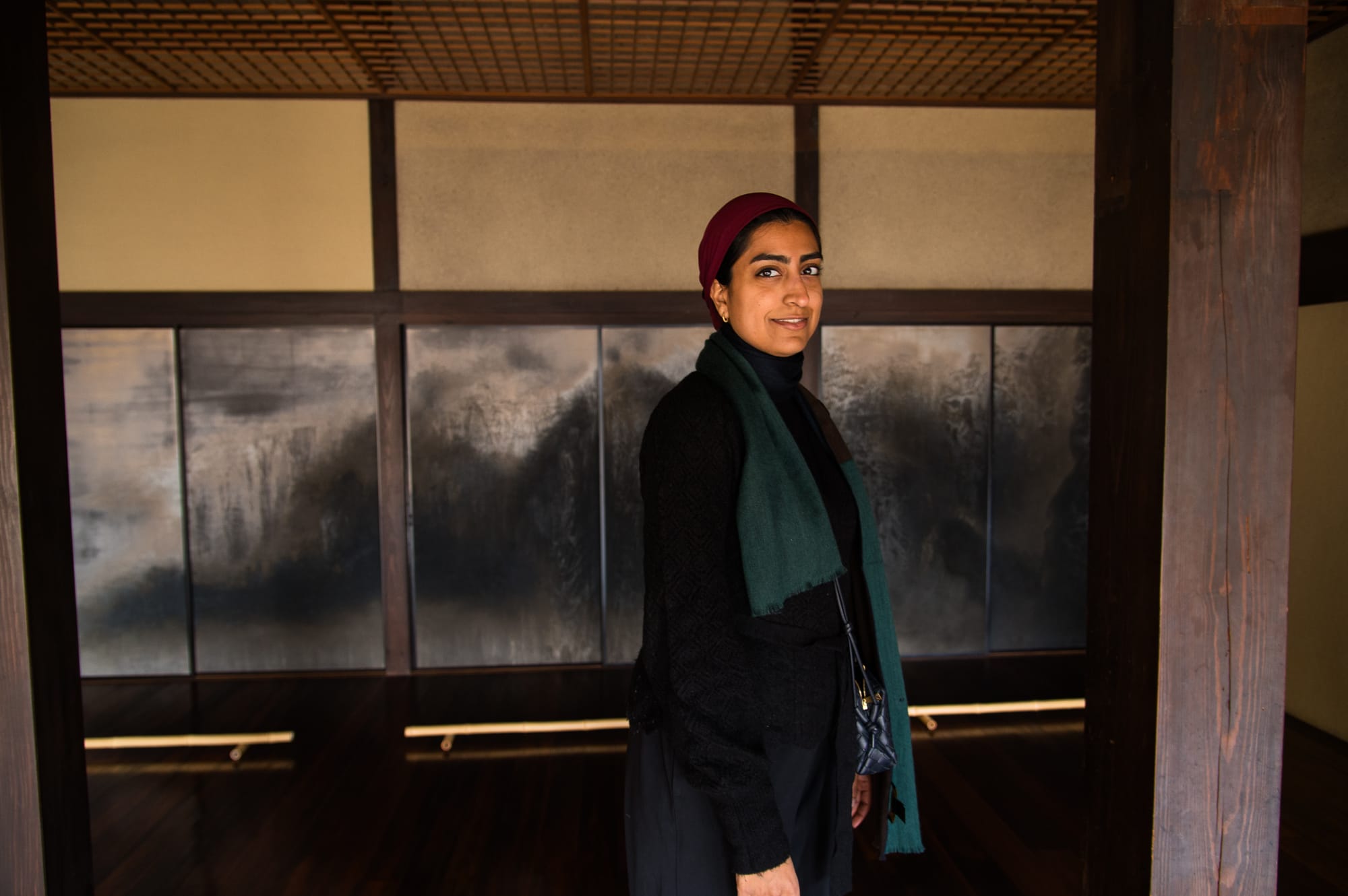
Can you describe a specific moment during the program when a conversation or interaction changed the way you think about the role of visual arts in society?
It was a conversation at the Enoura Observatory, during which I learned about how Hiroshi Sugimoto approached the design of the site. As an architect, I found it fascinating to gain insight into the level of detail that went into every decision, and how the location itself informed each element of the observatory. The conversation reinforced the importance of context in creative practice and reminded me how a deep understanding of place can shape meaningful and thoughtful work.
This was further reinforced during our visit to Art Initiative Tokyo, where we learned about the organization’s founding and its commitment to supporting artists, curators, and audiences through education and public programs. Context extends beyond the physical site; it also involves understanding the cultural institutions, communities, and conversations that shape artistic practice.
How did the program’s structure foster genuine exchange or collaboration, rather than a one-way presentation of ideas?
Engaging with people firsthand allowed us to gain a deeper appreciation of the creative community in Japan. Visiting institutions and meeting artists, curators, and cultural practitioners provided insights that would have been difficult to grasp without direct dialogue. The conversations often moved beyond formal presentations and became opportunities to exchange ideas, compare experiences, and discuss the challenges and aspirations shaping our cultural landscapes.
What most surprised you about the similarities or differences between the contemporary art ecosystems in Saudi Arabia and Japan?
I found that both countries are deeply influenced by their own cultural contexts, but engage artists and audiences in different ways. In Japan, I was struck by how many institutions encourage long-term relationships between art, architecture, landscape, and local communities. Projects such as the Art House Project and the Benesse Art Site Naoshima demonstrate how contemporary art can become part of everyday life and contribute to the identity of a place over time.
In Saudi Arabia, the scene is evolving at an incredible pace, with significant investment in new institutions, public art, and cultural initiatives. While the scale and momentum are remarkable, I see an exciting opportunity to further strengthen long-term engagement between artists, communities, and cultural institutions. Experiencing Japan showed me how these relationships can develop gradually over time, creating a cultural ecosystem where art is deeply connected to place and everyday life.
Did any aspect of the Japanese art scene prompt you to reconsider how similar structures might evolve or be adapted within the growing Saudi visual arts context?
The growth of the art scene in Saudi Arabia is very exciting, and this experience made me think about the relationship between art and the spaces that host it. I would love to see more institutions that create architecture specifically in response to art, where the building itself becomes part of the experience. We saw great examples of this in Naoshima Island, such as the Chichu Art Museum and the Art House Project, where the relationship between artwork, architecture, and landscape creates a deep resonance. This approach could offer inspiring possibilities for Saudi Arabia’s evolving cultural landscape. It would also be interesting to see initiatives that activate historic buildings in Saudi Arabia, particularly in places such as Historic Jeddah (Al-Balad), or Rejal Almaa. Reimagining old houses as spaces for site-specific contemporary art, much like the Art House Project in Naoshima, could create meaningful connections between heritage, contemporary artistic practice, and local communities.
What do you see as the potential long-term impacts of the program?
One of the most valuable outcomes of the program was being introduced to the Japanese cultural scene through the perspectives of people who live and work within it. Rather than learning about the culture from the outside, we were able to experience it through conversations, stories, and personal insights. Our visit to Art Initiative Tokyo was a great example of this exchange. The conversations created a space for us to share our own experiences and discuss the rapid development of the visual arts ecosystem in Saudi Arabia. I hope these connections continue beyond the program and lead to future collaborations and dialogue between artists and institutions in both countries.
Reflecting on your experience, what is one question you wish to pose to the organizers, the hosts, or even to yourself about the future possibilities opened by programs like Art Bridges?
I would love to reverse the experience and invite Japanese artists, curators, and cultural practitioners to experience art in Saudi Arabia. The art scene here is going through an exciting period of growth and transformation. I think there is a lot to share and exchange from our context, including the challenges and opportunities of a cultural ecosystem going through a period of transformation. Continuing this exchange in both directions would create a deeper understanding and open possibilities for future collaborations.
MESHARI ALDUSARI
Meshari AlDusari is a Saudi visual artist and photographer whose work documents the country’s modernist architecture from the 1960s to the 1990s. His photographs explore the buildings’ connections to personal memory, social change, and cultural identity.
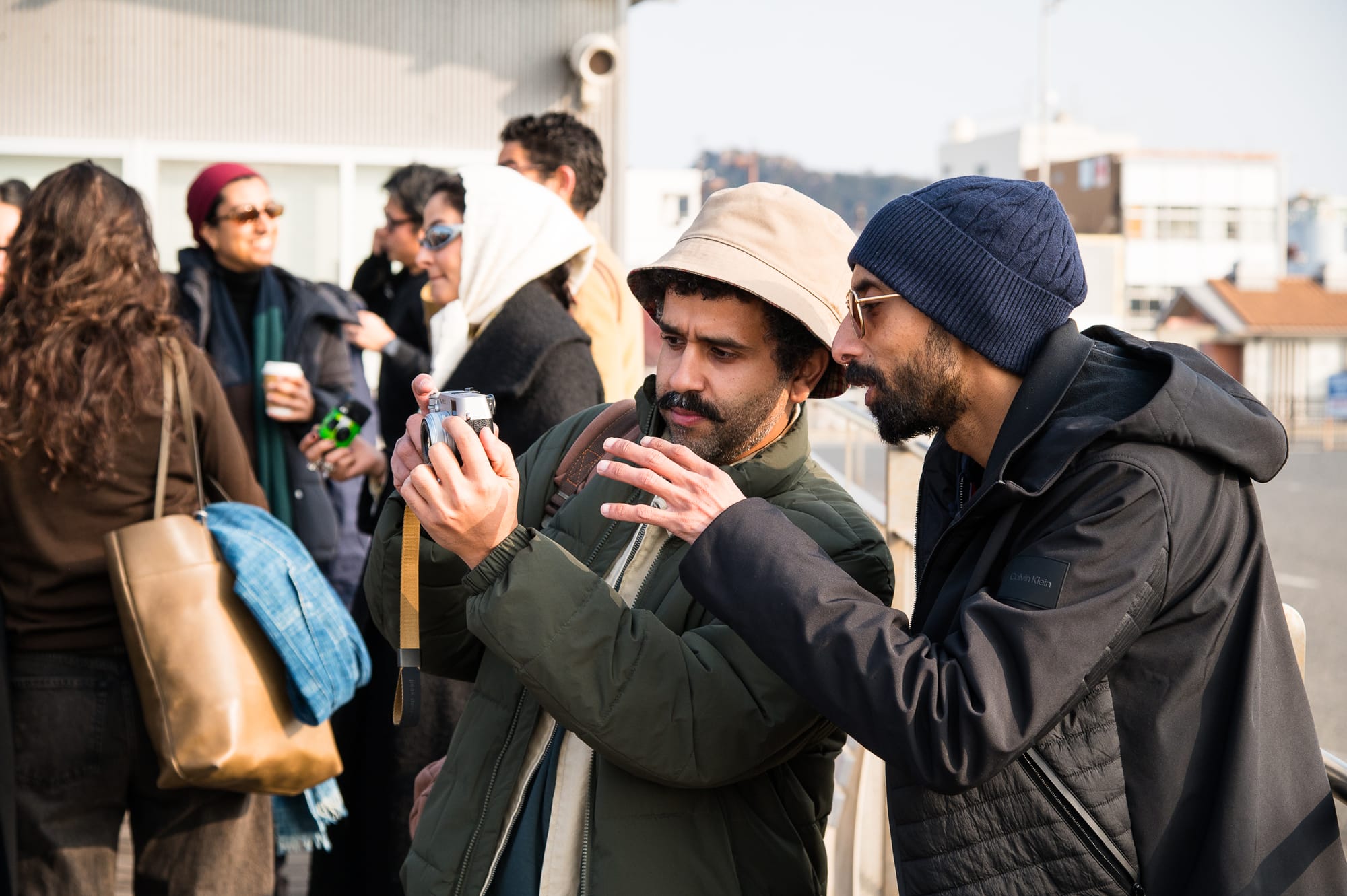
Can you describe a specific moment during the program when a conversation or interaction changed the way you think about the role of visual arts in society?
During our tour of Benesse House Museum and Chichu Art Museum on Naoshima Island, I was able to see firsthand how art, architecture, and nature were seamlessly integrated into a single experience. This moment had a profound impact on me: I realized that an artwork can become a complete spatial experience rather than just an isolated visual object.
How did the program’s structure foster genuine exchange or collaboration, rather than a one-way presentation of ideas?
The program was thoughtfully designed to encourage direct conversations and shared experiences. Visiting museums, artists’ studios, and cultural institutions allowed us to exchange ideas naturally and deeply, and to learn about different artistic approaches in a practical and enriching way.
What most surprised you about the similarities or differences between the contemporary art ecosystems in Saudi Arabia and Japan?
What stood out to me most was the level of attention to detail and the close relationship between art and everyday life in Japan. I also noticed that both the Saudi and Japanese people have deep histories and rich cultures, along with a strong commitment to preserving and appreciating this heritage. At the same time, I found a clear similarity in the passion of artists and institutions in both countries.
Did any aspect of the Japanese art scene prompt you to reconsider how similar structures might evolve or be adapted within the growing Saudi visual arts context?
Yes. I was inspired by the way museums and institutions support artists while creating thoughtful experiences for visitors. The program allowed me to develop a deeper appreciation of how art can become part of everyday life and offered ideas that could be applied within Saudi Arabia’s rapidly growing art scene.
What do you see as the potential long-term impacts of the program?
The program helped build valuable relationships, generated new ideas, and opened opportunities for future collaboration. It also broadened my understanding of how art can be discussed and practiced across different cultures.
Reflecting on your experience, what is one question you wish to pose to the organizers, the hosts, or even to yourself about the future possibilities opened by programs like Art Bridges?
The question that stayed with me was: How can the relationships and ideas formed during this journey continue to grow into future artistic collaborations and projects that connect cultures in meaningful ways?
This article is part of a special series exploring Art Bridges, the Visual Arts Commission’s international exchange program connecting Saudi and Saudi-based artists and cultural practitioners with peers in Scotland, South Korea, Japan, and Spain.