News
Weekly News Roundup: July 3, 2026
2026 Art Collaboration Kyoto Announces Exhibitors and Programs
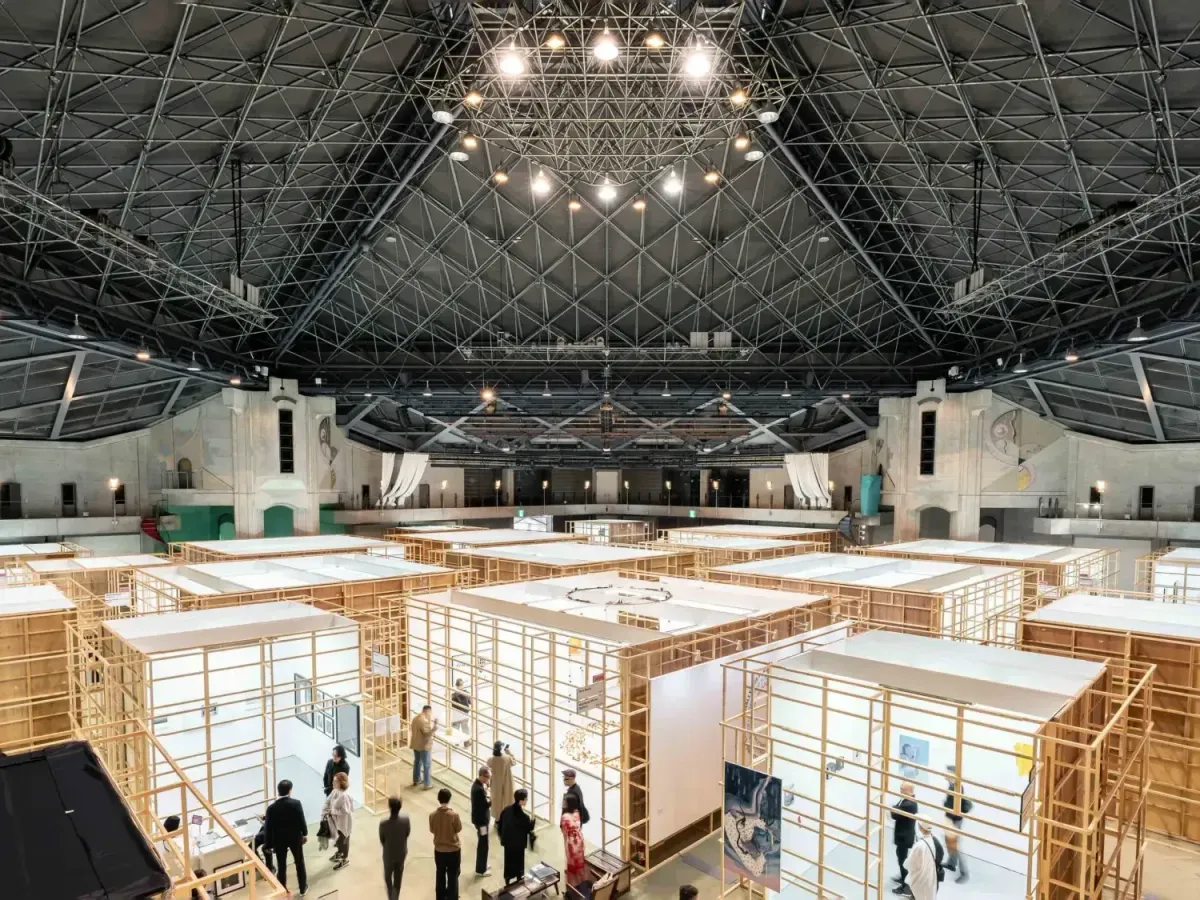
Art Collaboration Kyoto (ACK) has revealed the full exhibitor list and programming for its sixth edition, running from November 7–9 at the Kyoto International Conference Center (ICC Kyoto). Bringing together 63 galleries from 18 countries, this iteration is overseen by a seven-member leadership committee established in April. First-time participants include Jeffrey Deitch, Hauser & Wirth, and Modern Art, among others. The fair comprises two main sections: “Gallery Collaborations,” which pairs 25 Japan-based hosts with 27 international guest galleries in shared booths; and “Kyoto Meetings,” featuring 11 presentations that engage with the city’s histories, infrastructures, and cultural traditions. The committee has also introduced “ACK Intersections,” a guest-curated exhibition helmed this year by Leonhard Bartolomeus, which will span ICC Kyoto’s indoor and outdoor spaces. Beyond the main venue, special exhibitions will be held across the city, including solo shows by Andrew Cranston at Ryosokuin Temple and Yuka Kashihara at Komyoin Temple. In a statement, the committee remarked that this year’s lineup “brings together different generations, histories, materials, and viewpoints,” and expressed the intention for the fair to remain “open, responsive, and rooted in meaningful encounters.”
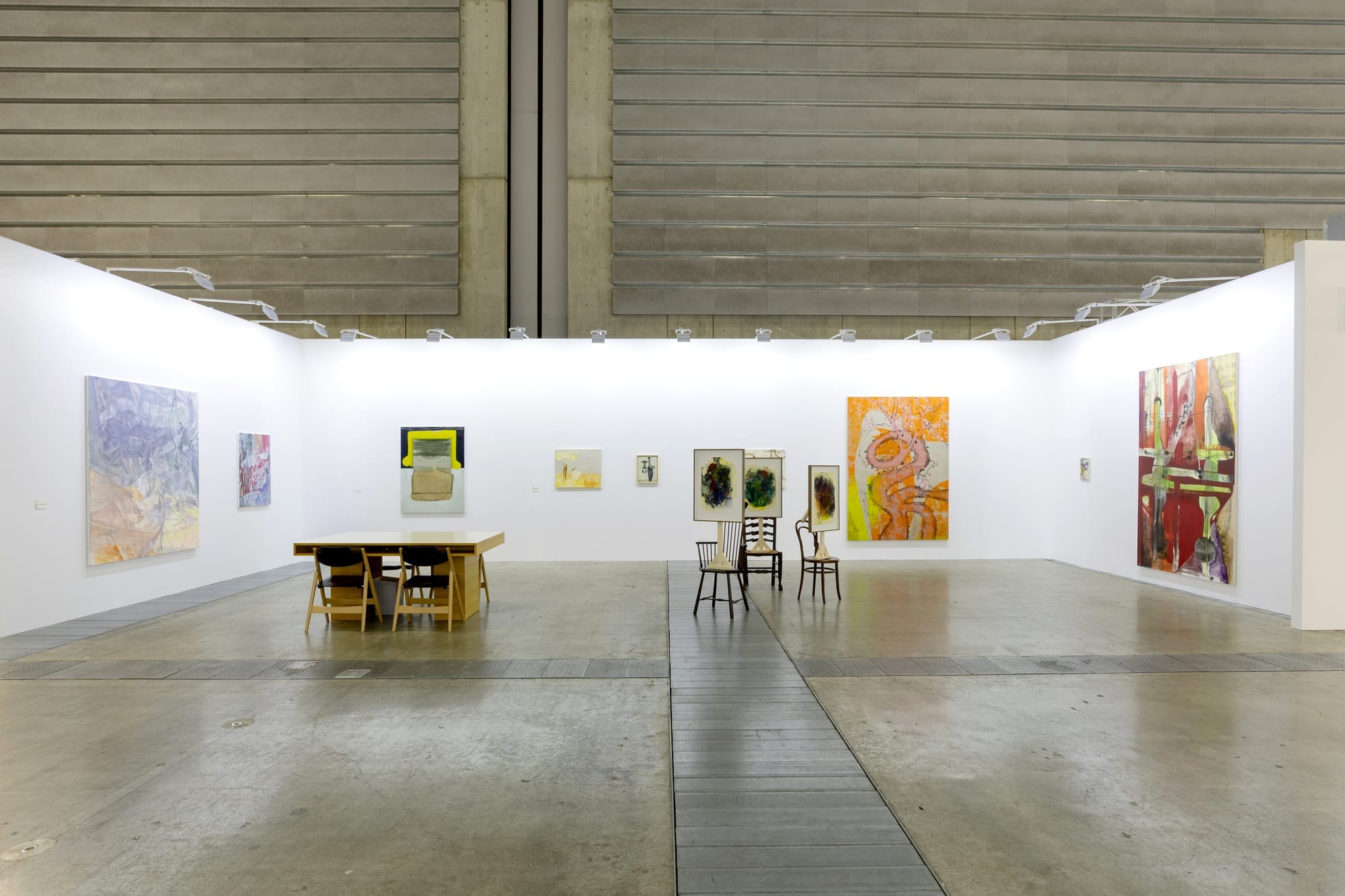
Tokyo Gendai Reveals Exhibitors and New Sector for 2026 Edition
Tokyo Gendai has announced the exhibitor lineup and sectors for its fourth edition. Returning to PACIFICO Yokohama from September 11–13, the fair features 63 participants from across the globe, including international players Pace Gallery, Sadie Coles HQ, and Ceysson & Bénétière, as well as Tokyo-based galleries TARO NASU, KOTARO NUKAGA, and A Lighthouse called Kanata, among others. The 2026 iteration is organized into five sections: “Galleries,” showcasing international programs; “Hana (Flower),” focusing on early- and midcareer artists across all media; “Eda (Branch),” highlighting established or historically significant artists in solo or thematically curated group displays; “Tane (Seed),” a section returning after a two-year absence that focuses on digital and media-based works; and “Miki (Trunk),” a new sector dedicated to works on paper—including prints, photographs, and drawings—in tribute to traditional Japanese visual culture. Magnus Renfrew, co-founder of the fair, stated in a press release: “Tokyo Gendai was established to galvanize cross-cultural exchange . . . we look forward to continuing this mission with our dynamic fourth edition.”
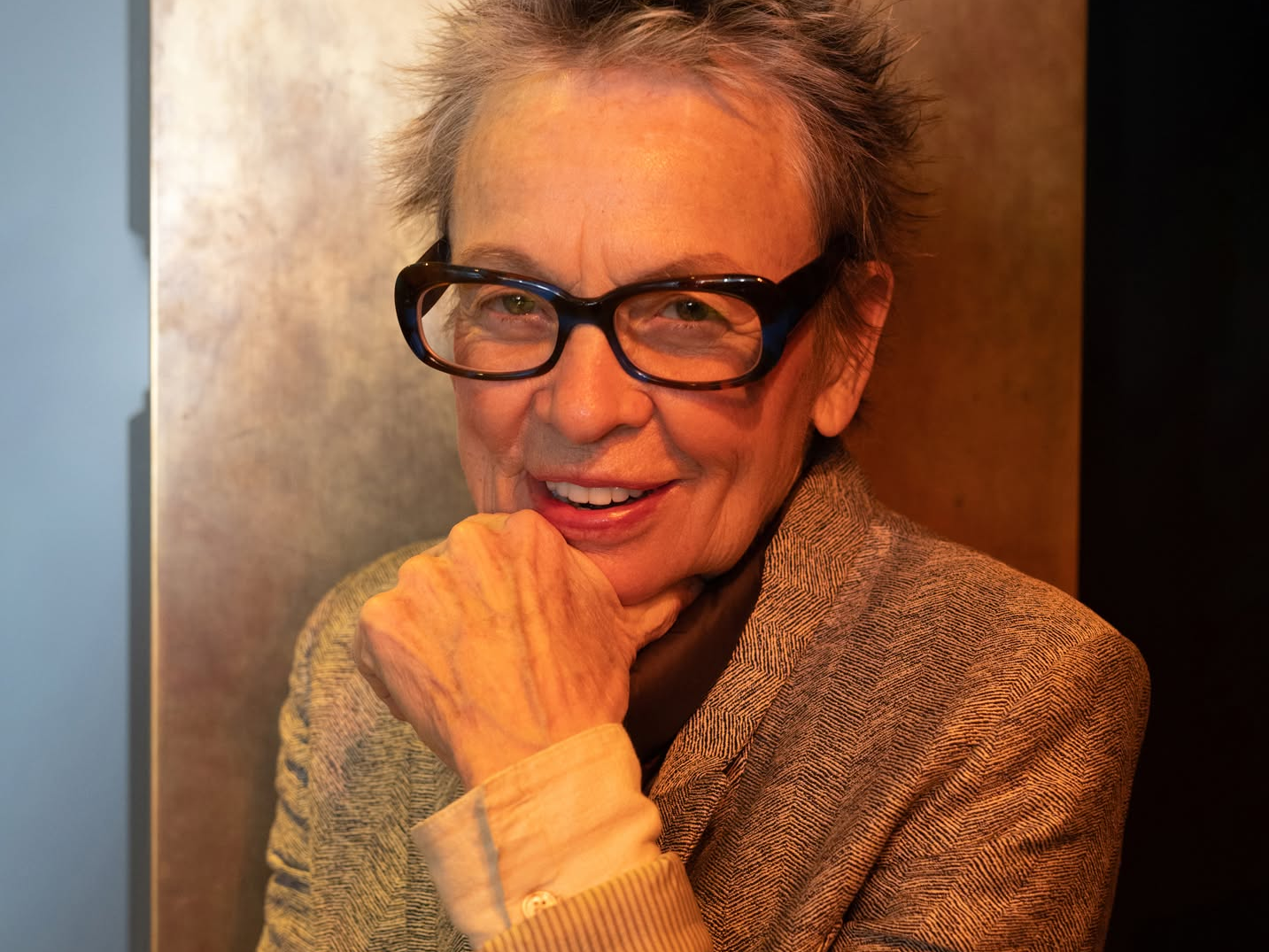
Laurie Anderson Named 2026 Kyoto Prize Laureate in Arts and Philosophy
Japan’s Inamori Foundation has unveiled the 2026 Kyoto Prize laureates, naming American musician and artist Laurie Anderson the recipient in the Arts and Philosophy category. Founded in 1984, the annual JPY 100 million (USD 620,000) grant recognizes three individuals worldwide for their outstanding contributions in the fields of art, technology, and science. Born in 1947 and trained in violin and sculpture, Anderson is known for avant-garde projects that merge electronic music, performance, poetry, and filmmaking. In a press release, Anderson was lauded for establishing “a uniquely experimental yet pop-infused form of multimedia performance by integrating her own narrative voice, body, and electronic media.” She remarked: “I’m very aware of the magnitude of this prize and of the long line of people before me who have received this great honor. So I accept in the spirit of deepest humility.” The award ceremony will take place on November 10 at the Kyoto International Conference Center.
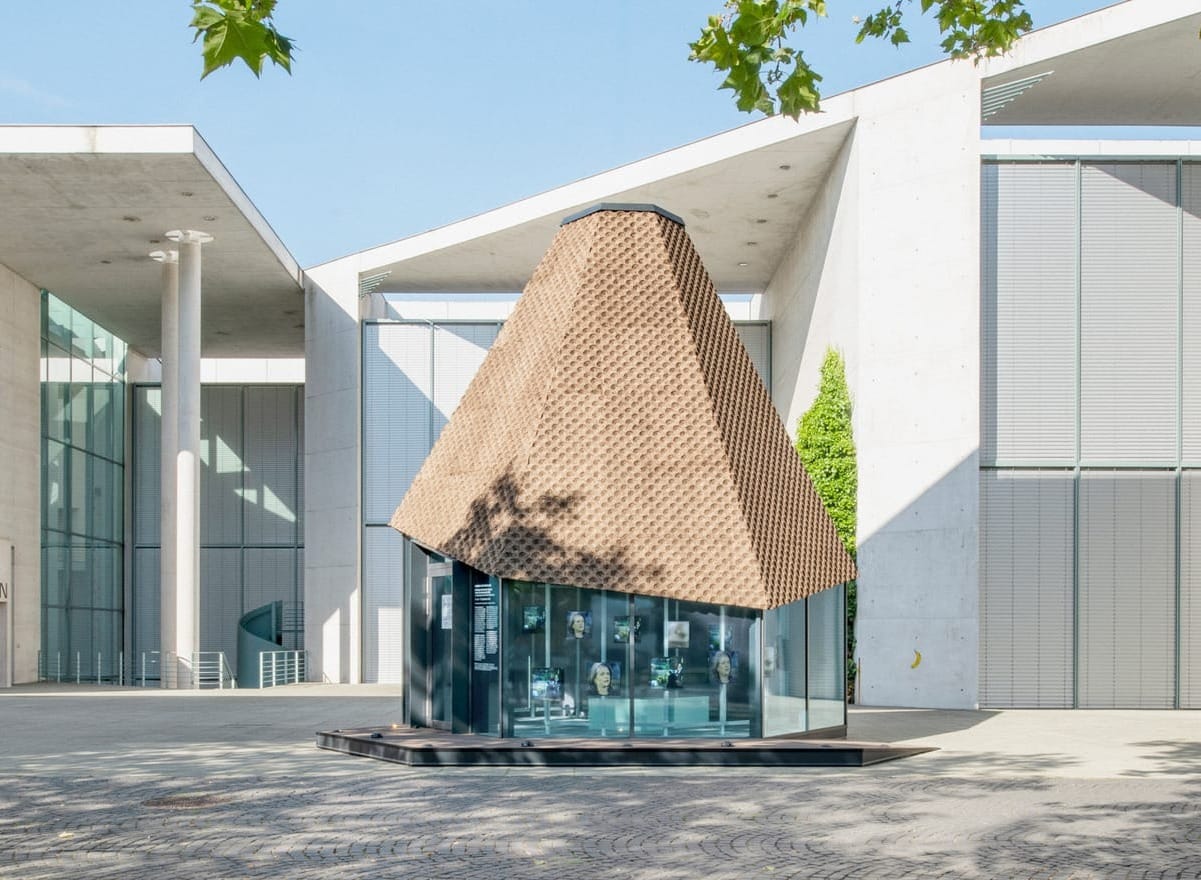
2026 Human AI Art Award Goes to Christopher Kulendran Thomas
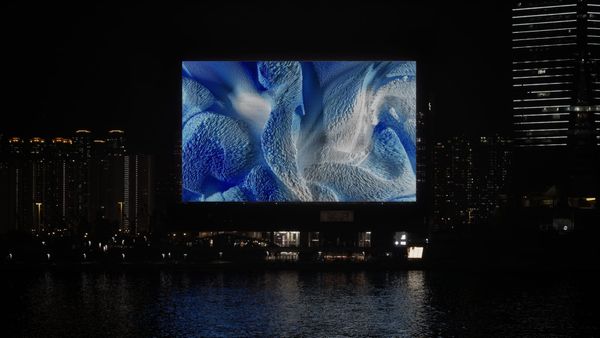
Christopher Kulendran Thomas is the recipient of this year’s Human AI Art Award, which was jointly launched by Germany’s Deutsche Telekom and the Kunstmuseum Bonn to recognize contemporary artists working with innovative technologies. Over the past decade, Thomas—who is of Eelam Tamil descent—has employed AI tools to create paintings, video installations, and sculptures interrogating Western-centric narratives and the legacies of colonialism. For the third edition of the prize, he reworked his multichannel video installation Peace Core (2024) into Peace Core (surround) (2026), which features continuously auto-edited footage of US television broadcasts that were aired shortly before 9/11. Using an AI-driven algorithm trained on vaporwave music and the arbitrary editing style of early “corecore” TikTok videos, the piece infinitely re-edits and interweaves these clips in real time, preserving the deceptively peaceful moments before this cataclysmic event. The work will be exhibited at the Human AI Art Space, a pavilion designed specifically for the award, at the Kunstmuseum Bonn through September 13.