News
Marjane Satrapi, 1969–2026
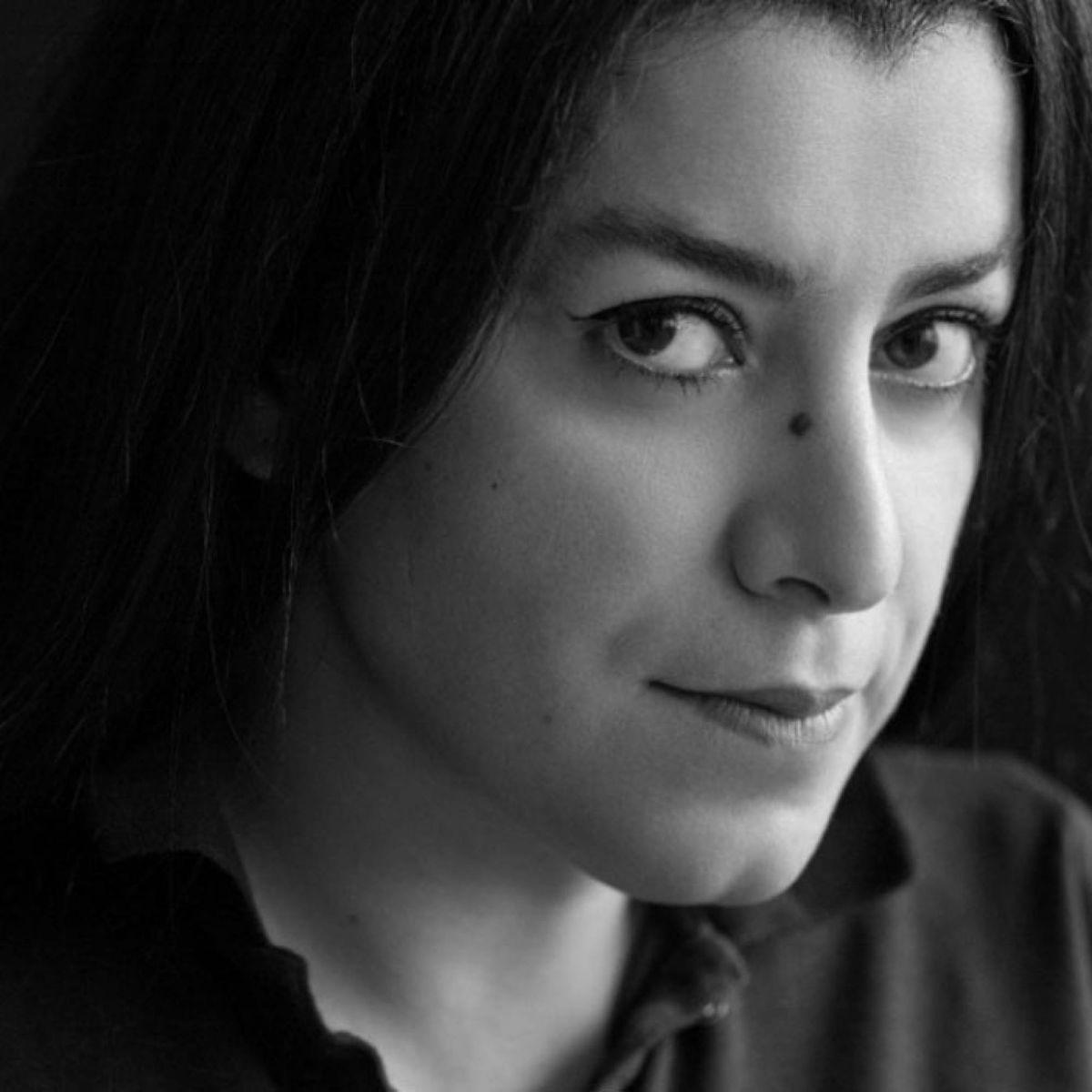
Marjane Satrapi, the Iranian-born and Paris-based artist, writer, and filmmaker, passed away on June 4, from what her family described as a broken heart, following the death of her husband in 2025. She was 56. Her profound body of work, which consisted of graphic novels and films, earned her a singular place in contemporary literature and cinema. Important examples include the autobiographical comic Persepolis (2000–03) (which was later adapted into an award-winning animated film in 2007), Embroideries (2003), Chicken with Plums (2004), and the recent anthology Woman, Life, Freedom (2023), produced in response to the killing of Mahsa Amini by Iran’s morality police, an act that ignited a wave of protests throughout Iran and beyond.
Satrapi spent the majority of her life in Europe, having been sent abroad to study in the wake of the 1979 Iranian Revolution and the subsequent decline in women’s rights and freedoms in public life. She came from an upper-middle class, left-leaning socialist family, and her work remained deeply rooted in the condition of Iranians both within the country and across its diaspora.
In 2003, I was gifted an English-language copy of Satrapi’s debut graphic novel Persepolis by my mother, a linguist and educational psychologist with a fierce commitment to women’s rights in Afghanistan and Iran. Born a decade after Satrapi—in 1979, in the UK—I am the child of British- and German-educated Iranian and Central Asian parents whose family histories traversed several Persian-speaking geographies. My year of birth coincided with the Islamic Revolution in Iran and the Soviet invasion of Afghanistan, both paradigm-shifting events that intensely affected entire generations of the Persian-speaking world. Throughout my childhood and teenage years, I learned about Iranian and Afghan women largely through my mother’s work, secondhand accounts, anthropological texts, or Orientalist media that provided a highly exoticized or victim narrative, always in service of demonizing the region. Satrapi’s work offered me, in place of didacticism or polemics, something accessible, informative, and entertaining.
Satrapi had a gift for weaving figurative illustration, history, social commentary, and politics through wit and irony. This places her work within a long lineage of Persian illustrated storytelling, one rooted in the miniature painting tradition and the illuminated manuscripts that accompanied epic literature, most notably Ferdowsi’s Shahnameh, Iran’s national epic poem from the 11th century. Several manuscript versions of the Shahnameh were commissioned by Safavid rulers as testaments to Persian history and mythology, imbued with patriotic symbolism and a sense of historical cultural pride. These works served as important precursors to later forms of Iranian and Central Asian visual culture, extending beyond the page into murals, coffeehouse paintings, cinema, and the fine arts. What distinguishes Satrapi’s contribution to this tradition of book arts is that her work anchors itself in the female characters and their lived experiences, rather than the hypermasculine heroics of warriors.
Although Satrapi left this world quite prematurely, I find great comfort in tracing her influence through a younger generation of artists and writers. One such standout example is the Afghan-born, Germany-based visual artist and writer Moshtari Hilal, whose book Ugliness (2023) layers personal essay with an illustrated study of diasporic life and self-representation. Like Satrapi, Hilal employs autobiography as a method to explore ideas related to visual storytelling, challenging Euro-American narratives of beauty, cultural norms, and femininity. Both artists offer a window, albeit through distinct styles, into alternative forms of feminist identity that are not burdened by the role of cultural translators for Western audiences.
Satrapi was a true nonconformist who embodied the spirit of rebellion—an irreverence I would later try to theorize in Punk Orientalism (2022). What I embraced the most from Satrapi’s work was her unapologetic insistence on starting from her own story—not preaching from a moral high ground, but rather offering a nuanced cultural resistance.
Sara Raza is the artistic director and chief curator of the Centre for Contemporary Art Tashkent and ArtAsiaPacific’s the West and Central Asia desk editor for ArtAsiaPacific.