News
Weekly News Roundup: June 26, 2026
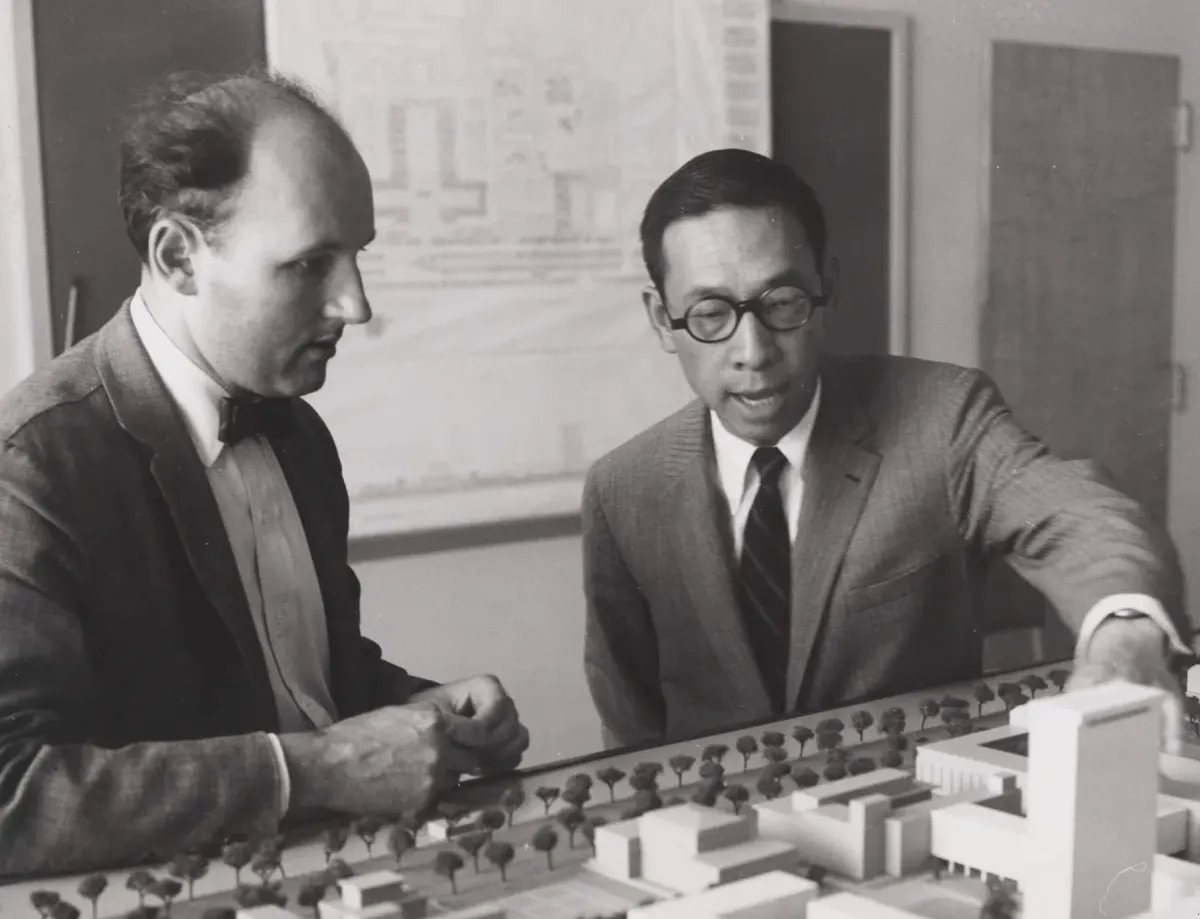
MIT Museum Acquires I. M. Pei Archive
The Massachusetts Institute of Technology (MIT) Museum has announced the acquisition of the archive of Chinese American architect and 1983 Pritzker Prize winner I. M. Pei, donated as a gift by Pei Cobb Freed & Partners, the New York-based architectural firm Pei co-founded in 1955 (formerly I. M. Pei & Associates). The collection, comprising about 1,500 rolls of drawings, 50 models, and approximately 30 linear meters of manuscripts spanning 60 projects across Pei’s six-decade career, will become the largest single repository of his work. The archive encompasses previously undisclosed documents related to his most celebrated commissions: the Louvre Pyramid in Paris, the John F. Kennedy Presidential Library in Boston, the Rock & Roll Hall of Fame in Cleveland, the East Building of the National Gallery of Art in Washington, DC, and Dallas City Hall. It also includes documentation for the four campus buildings Pei designed for MIT, where the architect earned his Bachelor of Architecture in 1940. “This landmark donation marks the homecoming of I. M. Pei to MIT,” said Michael John Gorman, director of the MIT Museum. “We are deeply grateful to Pei Cobb Freed & Partners for . . . bringing Pei’s archive ‘home’ to MIT.”
Hyundai Translocal Series Inaugurates New Institutional Partnerships
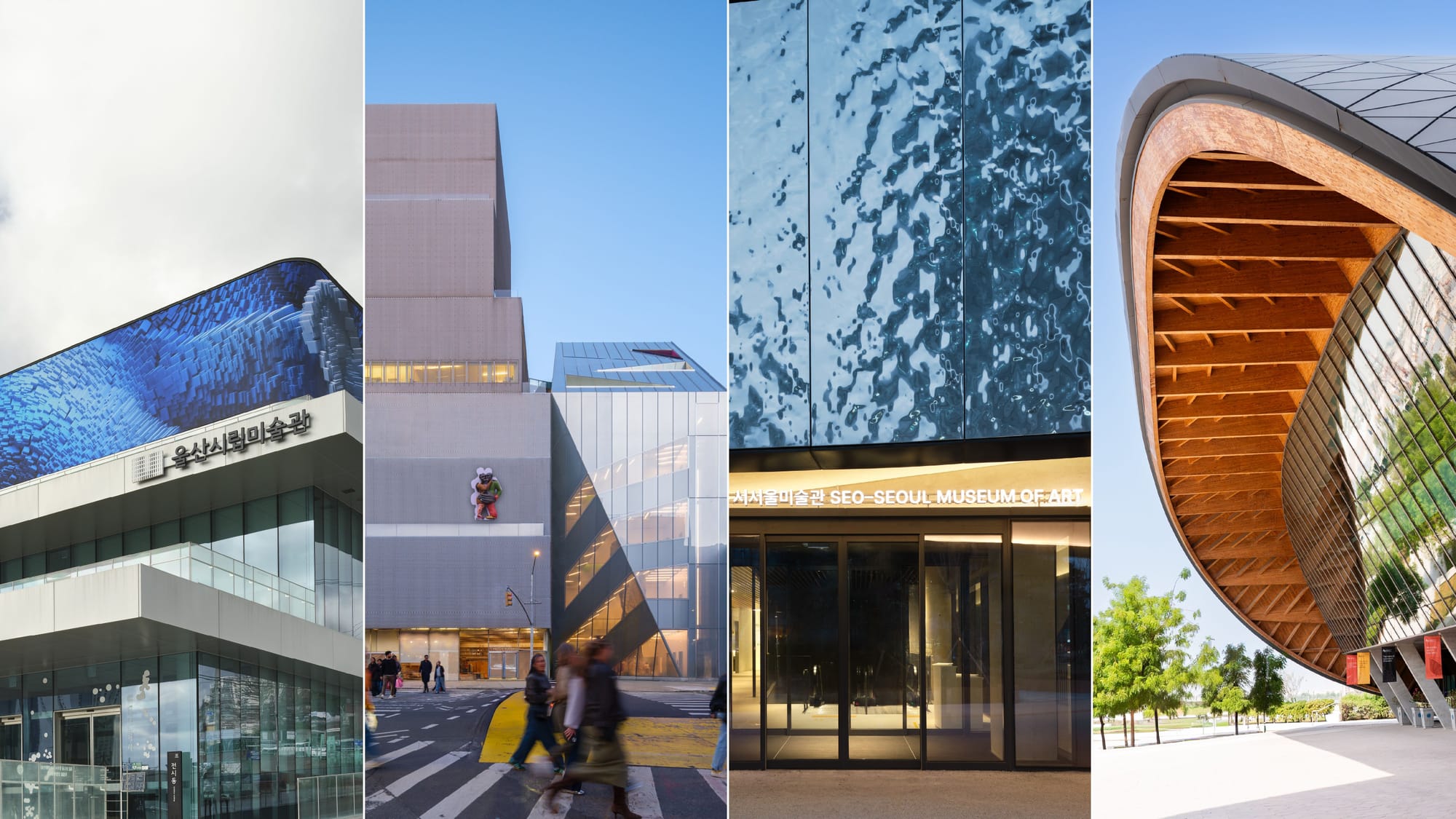
On June 23, South Korea’s Hyundai Motor Company has revealed two new institutional partnerships under its Hyundai Translocal Series. Launched in 2025, the 10-year initiative aims to foster long-term collaborations between art facilities in Korea and across the globe through commissions, public programming, and joint research. The Ulsan Art Museum will partner with New York’s New Museum to develop annual exhibitions over three years, focusing on art and technology. Their first co-presentation—from September 24 at the New Museum and from October 22 at the Ulsan Art Museum—will feature a new video art commission by Singaporean artist Ho Tzu Nyen, winner of the 2026 Fukuoka Grand Prize and artistic director of the 16th Gwangju Biennale. Additionally, the Seo-Seoul Museum of Art, which opened this March, and the Abu Dhabi Music & Arts Foundation will inaugurate a residency program developed in collaboration with the Mohamed bin Zayed University of Artificial Intelligence in Abu Dhabi, inviting four artists or collectives to probe transregional new media art. As part of the project, newly commissioned undertakings will debut in Abu Dhabi in 2027 and in Seoul in 2028.
Fotografiska Opens Second China Location in Shenzhen
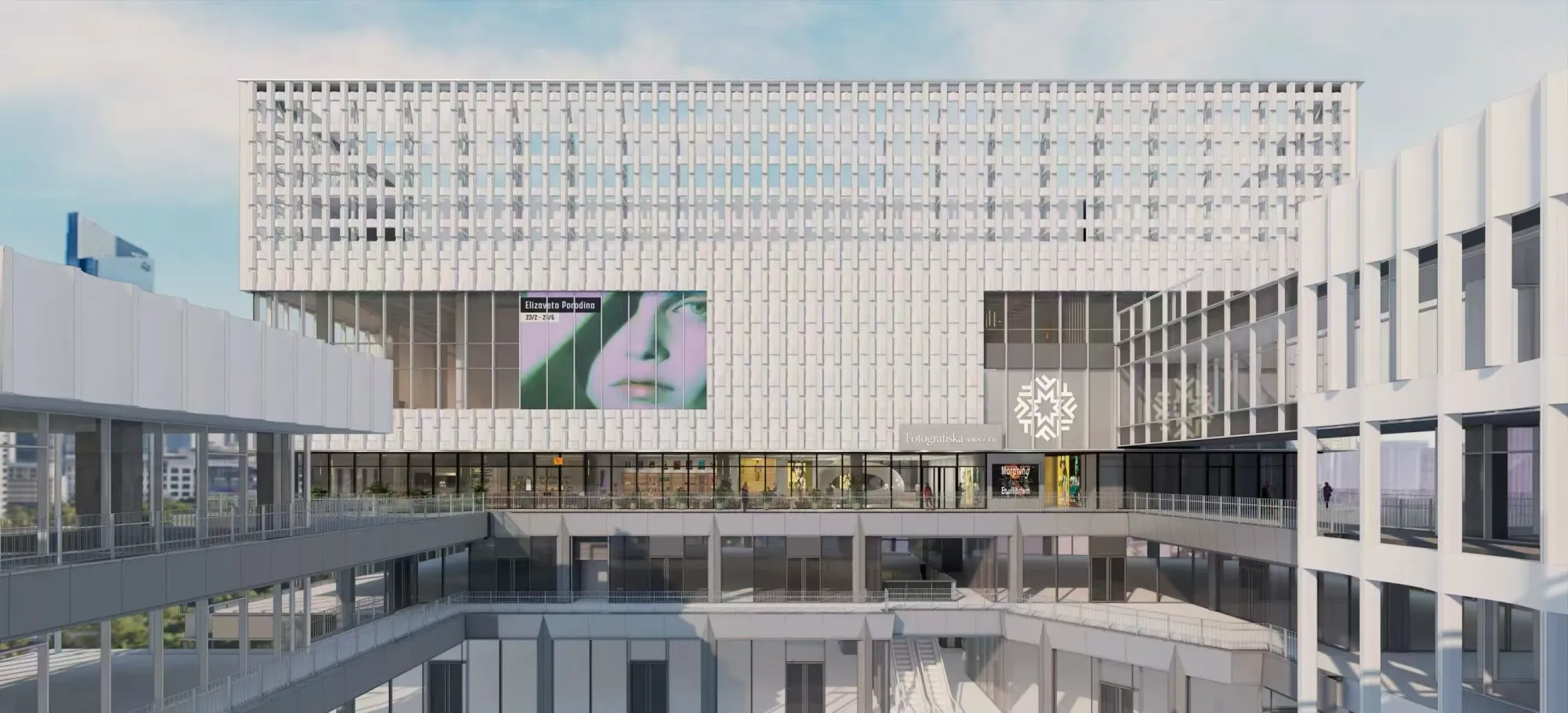
Contemporary photography museum Fotografiska will open its doors in Shenzhen this October in partnership with Shenzhen Bay MixC, a luxury retail complex in Nanshan District, marking its second location in China. Founded in Stockholm in 2010, Fotografiska has since established a global presence with locations in Berlin, Tallinn, and Shanghai. Situated in the heart of Shenzhen Bay, the new museum will offer year-round programming across photography and new media exhibitions, alongside a dynamic calendar of public programs and membership initiatives. Designed by AIM Architecture, the venue will span 5,300 square meters and include a concept store dedicated to works by emerging designers. “China is one of the world’s most important and rapidly evolving cultural landscapes,” said Yoram Roth, chairman of Fotografiska. “It has always been our ambition to build more than one Fotografiska location here through strong local partnerships.”
Trellis Art Fund Announces 2026 Milestone Grantees
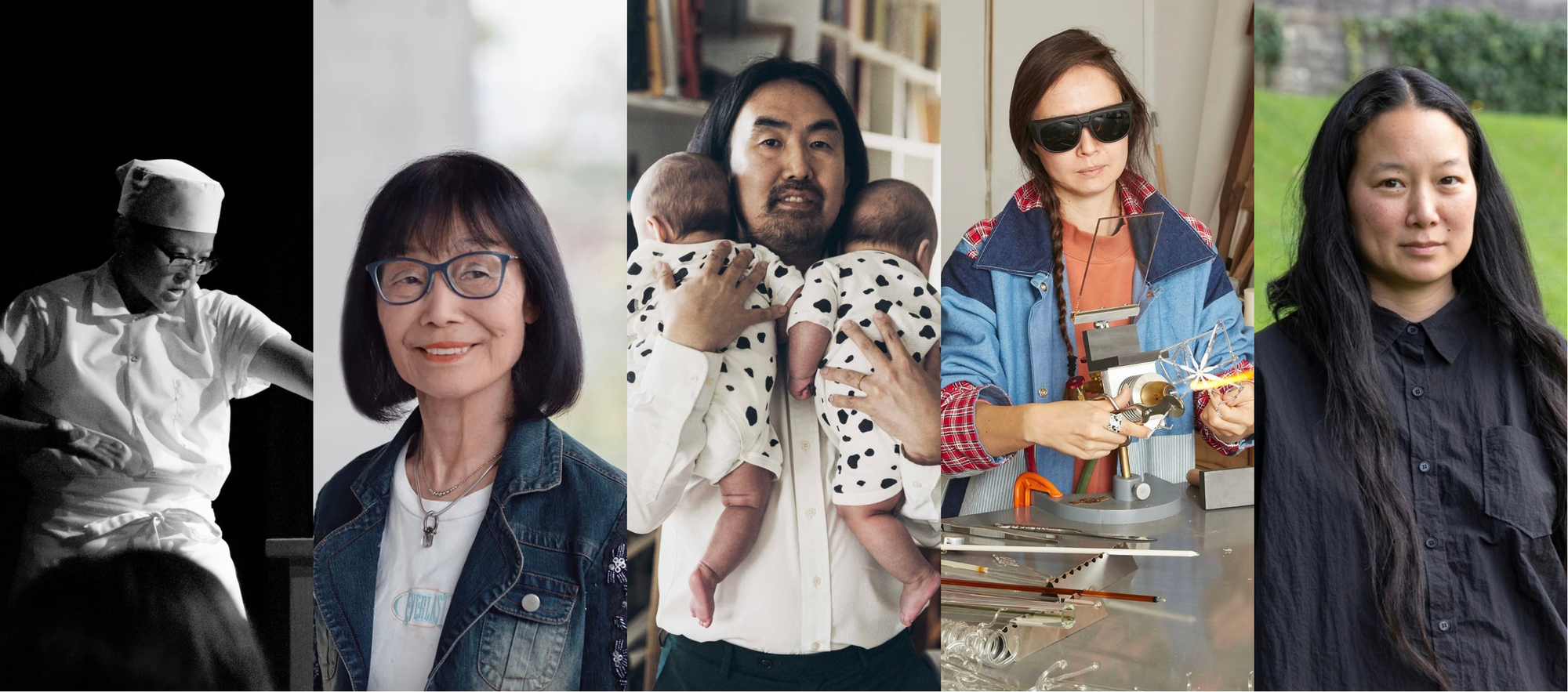
The New York-based nonprofit Trellis Art Fund has announced the recipients of its 2026 Milestone Grant, an annual initiative that provides 12 artists from historically underrepresented groups each with an unrestricted fund of USD 100,000, distributed over two years. Among the grantees are TT Takemoto, whose experimental practice centers on queer Asian American history and identity; Michiko Itatani, known for exploring cosmic narratives in her vibrant paintings; and Kelly Akashi, a sculptor and installation artist whose oeuvre probes memory and materiality. The foundation further highlighted creatives who act as caregivers for their families, including Los Angeles-based Ei Arakawa-Nash, Japan’s representative artist at the 61st Venice Biennale, and Chinese American multidisciplinary artist Candice Lin, who probes questions of race, gender, and sexuality through works that involve biological matter and processes.
2026 Prix Ars Electronica Reveals Winners
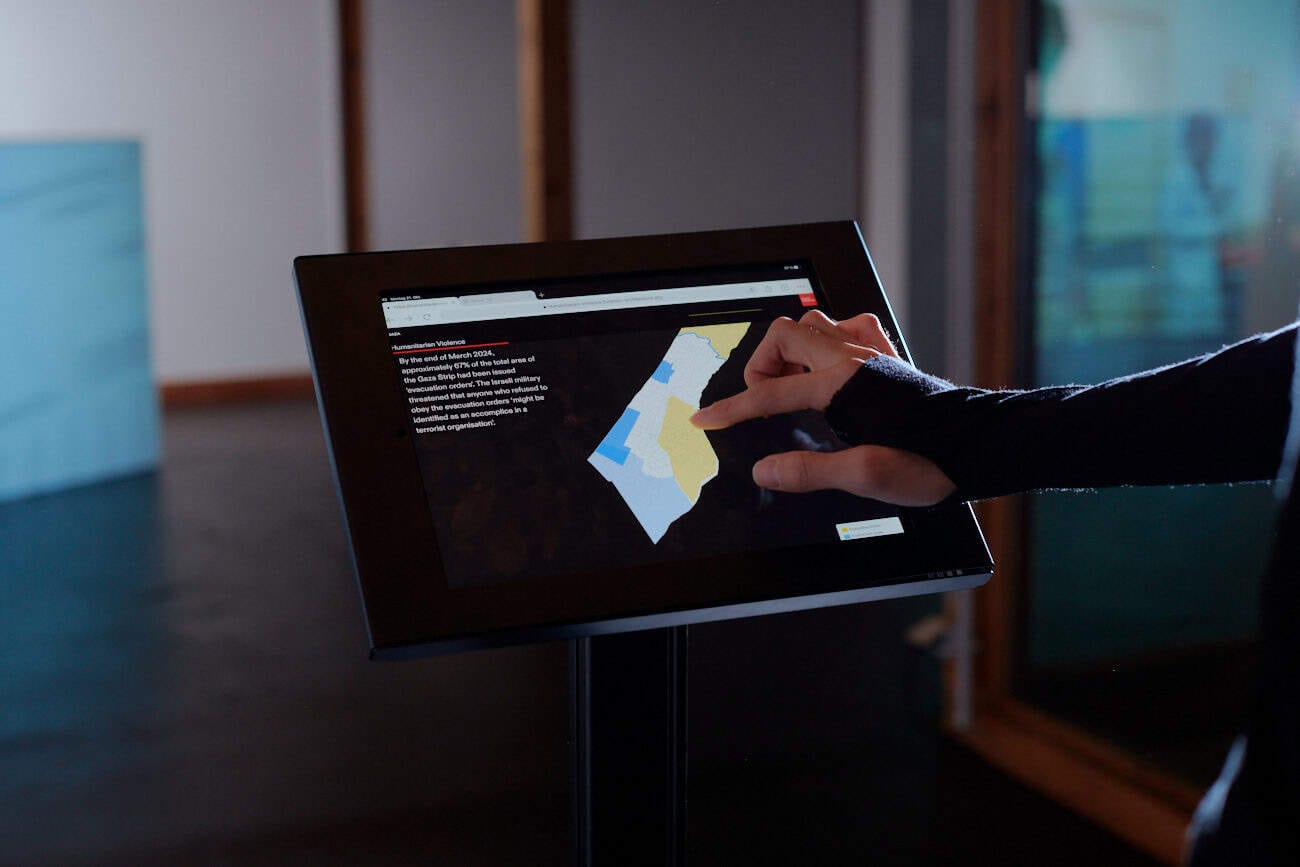
Austria’s Ars Electronica has announced the Golden Nica winners of its 2026 Prix Ars Electronica—the world’s longest-running media art competition. The Interactive Art+ division was topped by London-based multidisciplinary research group Forensic Architecture, whose winning project, A Cartography of Genocide: Israel’s Conduct in Gaza Since October 2023 (2023– ), is an interactive cartographic platform that gathers data of Israeli military attacks on Gazan civilians and infrastructure. The jury statement reads: “The significance of this work lies not only in the urgency of its subject matter, but in the way it transforms evidence into an interactive public resource.” The grand prize of the New Animation Art category went to American interdisciplinary artist Andrew Herzog, whose film Deer Hunter (2026) explores the legacy of fascism in the US and Europe. In the Digital Humanity category, SummitShare and Shared Histories Team were unanimously selected for their open-access virtual museum of Zambian colonial artifacts, dedicated to cultural preservation and what the group calls “metadata healing.” Viennese artist Jannis Berner won the Golden Nica of the Young Professionals category for his Reverse Rendering, which explores the perceptual glitches embedded within the 3D scanning of physical objects. The finalists will each receive EUR 10,000 (USD 11,400) and the opportunity to showcase their works at the Ars Electronica Festival 2026 in Linz, which runs from September 9–13.