Issue
Venice Biennale 2026: “In Minor Keys”
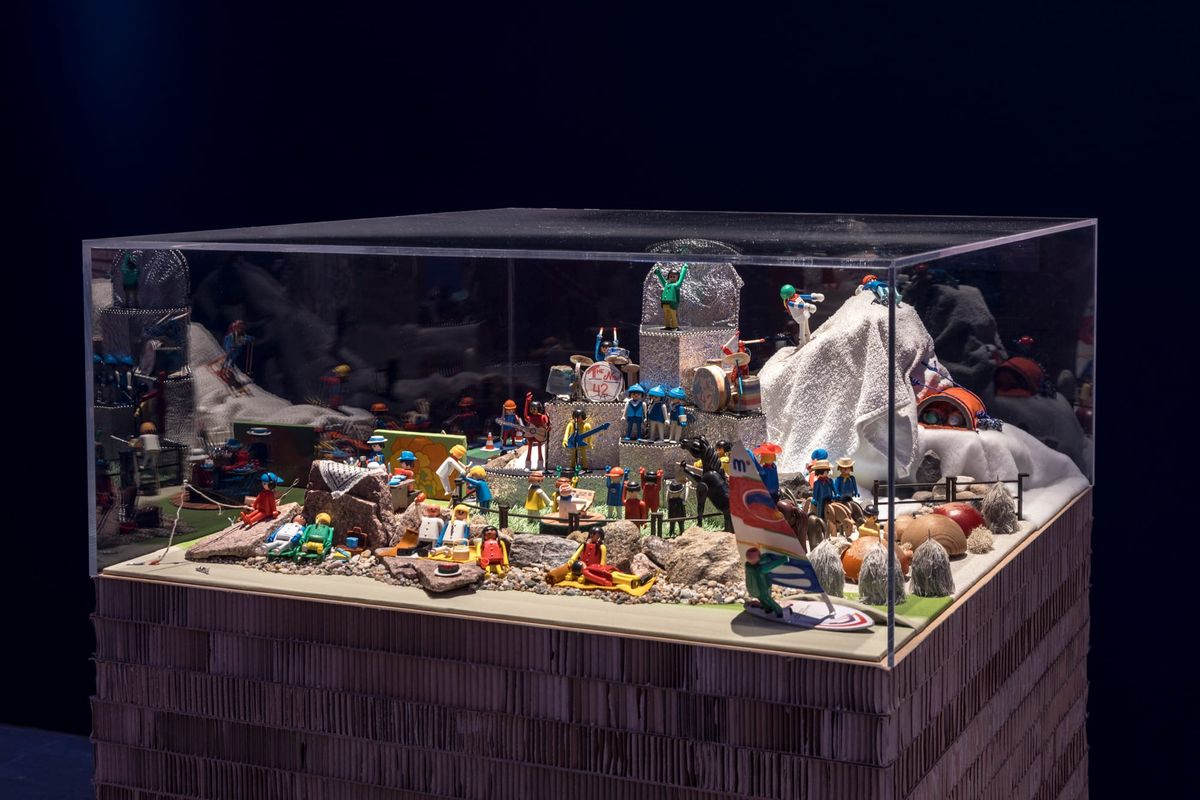
Venice Biennale 2026
In Minor Keys
Multiple venues, Venice
When I walked through the Venice Biennale in the first week of May, only half of the drama had unfolded: the jury panel for the awards resigning, daily protests, a general strike. Having worked on a collateral event here years ago, I know how stressful it is to install an exhibition in this sinking city, and I applaud every colleague who pulled it off this year under such circumstances—a sudden death, active wars, and what we call in Chinese 口水戰, battles of spit. Despite all the noise, I am glad I went. Where else can one encounter works by artists across generations, cultural backgrounds, and disciplines in the same place at the same time? Whether with existing or new works, everyone plays to the same tune: “In Minor Keys.” The Biennale works like a symphony orchestra: each participant a small part of a much larger organism, making individual melodies—though whether everything harmonizes is another story.
In music theory, minor scales—natural, harmonic, melodic—each have their own progression, whereas major scales remain structurally consistent. Most music teachers describe minors as tending toward melancholy or darkness. Take Vivaldi’s The Four Seasons: the first movement of Spring in E major sounds joyous and full of life, while Summer’s third movement in G minor builds suspense with gathering clouds, lightning, thunder, and finally a storm. What determines the key is how a piece begins and ends.
Nothing feels minor at the Biennale; how can it, when everyone brings their A game? As with all biennales, the experience is a sensory overload. Koyo Kouoh’s approach is much more abstract than that of Adriano Pedrosa’s “Foreigners Everywhere” (2024), which focused on Indigenous and diaspora communities, and Cecilia Alemani’s “The Milk of Dreams” (2022), which examined surrealist practices, often of women and nonbinary artists, across histories. The ambitions of the curatorial team and artists are visible throughout—but often fall flat. Not all art looks good in buildings with such strong character as the 14th-century Corderie, and when everything vies for attention simultaneously, some works are inevitably engulfed by their neighbors. The textual layer compounds this: quotes from literary giants draped amid long labels with small typeface that read a little too general at times add to the repetitive, pedantic disorientation.
It took time for things to sink in, and now I can better discern what resonated or felt more refreshing. Some works I had seen elsewhere, and their recontextualization here was occasionally puzzling—though seeing familiar pieces always feels like running into old friends. What follows are some new ones from “In Minor Keys.”
Childhood and Make-Believe
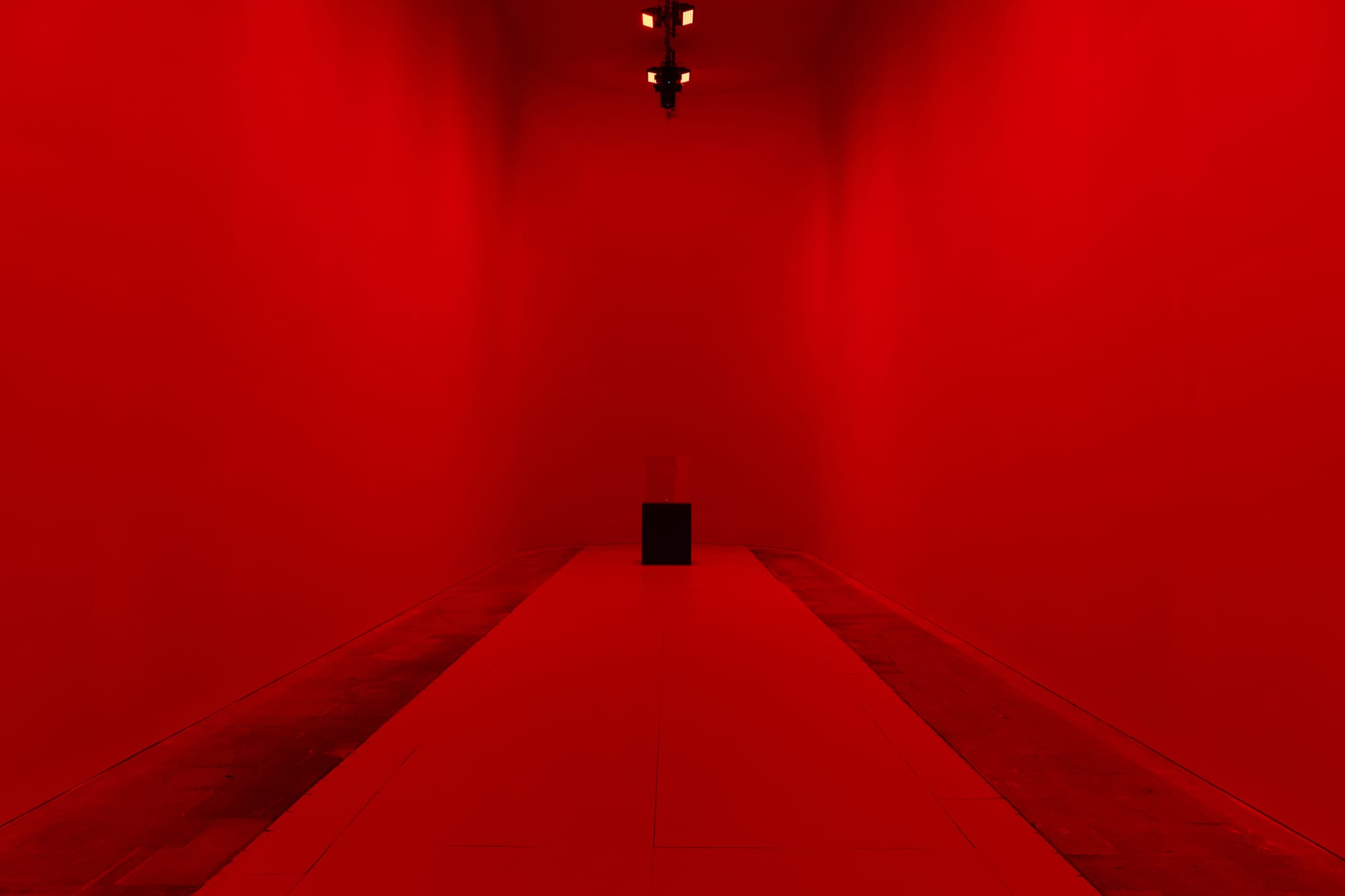
A small vitrine encased The Sjöbloms and Båtsmans (1978–2026), a diorama built with Playmobil figurines and household items like towels and aluminum foil: alpine skiers speeding toward a construction site, a mountaineering accident, a family picnicking while another camps by the sea, a multistage rock festival on a ranch. The entire set was what artist Nina Katchadourian and her brother Kai played with on a Finnish island where the family summered. The siblings divided their figurines into the two titular families (pronounced “Seablooms” and “Boatmans”) while their parents documented the play-rituals on audiotape—material the artist later drew on in her 2016 video The Recarcassing Ceremony, shown nearby. Thinking of Emerald Fennell’s recent cinematic resurrection of the Brontë Sisters in our cultural psyche, I was struck by how these two sets of creative siblings, a century and a half apart, each built a universe where characters lived and thrived. Katchadourian’s whimsical videos land somewhere between Cindy Sherman and Pipilotti Rist with a research-based twist; the throughline from childhood game to mature practice is unmistakable.