Issue
Venice Under Crisis
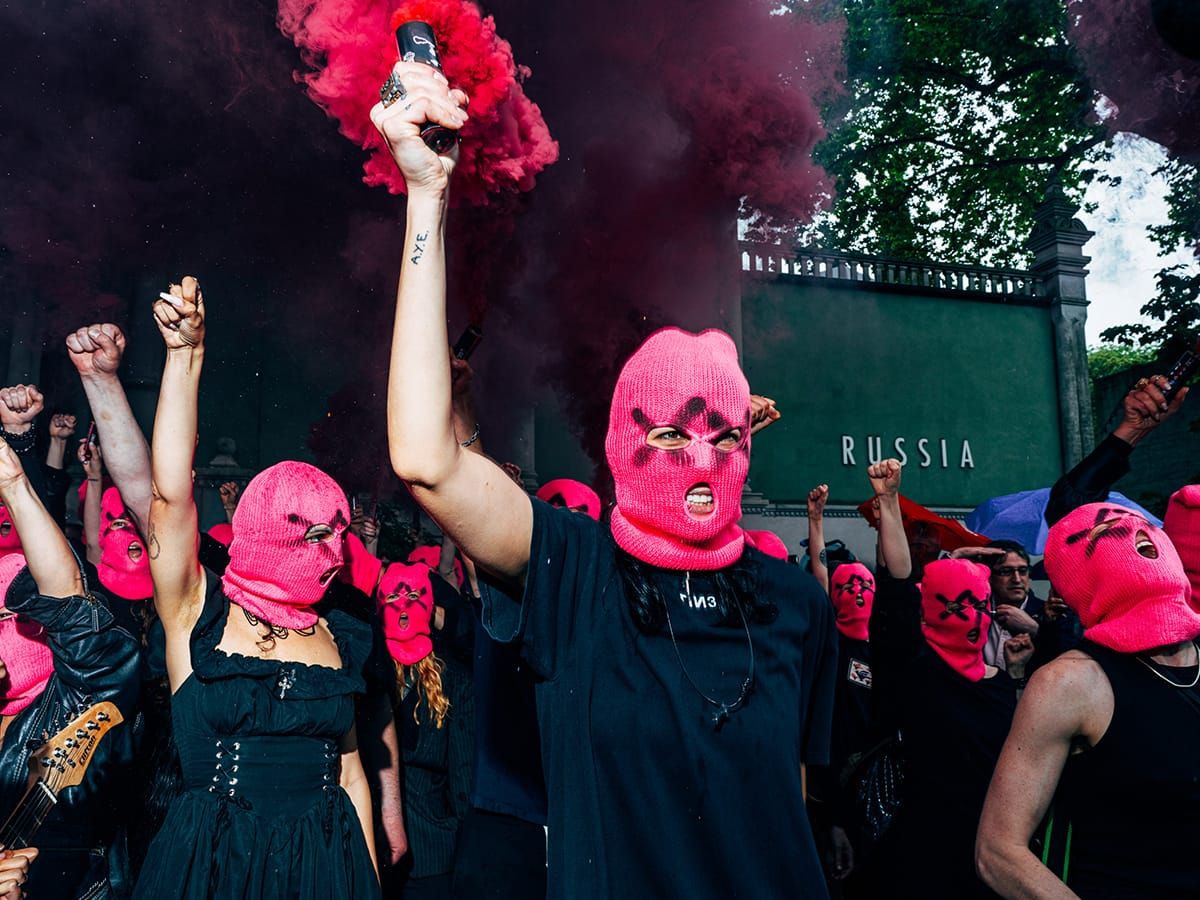
The 61st Venice Biennale opened amid protests and institutional upheaval, marking one of the most politically fraught editions in the exhibition’s recent history.
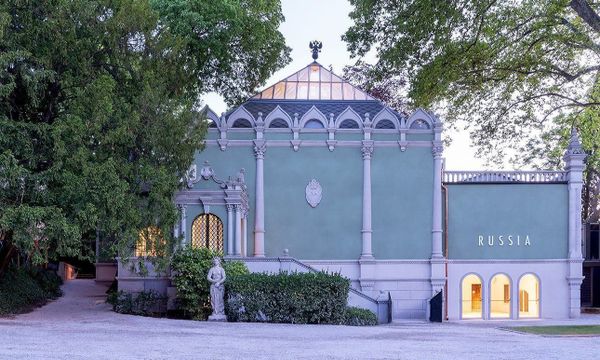
On April 22, the Biennale’s five-member international jury—comprising Solange Farkas, Zoe Butt, Elvira Dyangani Ose, Marta Kuzma, and Giovanna Zapperi—declared it would not consider official prizes for any pavilion representing countries whose leaders face charges of crimes against humanity from the International Criminal Court, implicitly targeting Israel and Russia. The announcement followed months of pressure on the Venice Biennale’s foundation: a statement by the Art Not Genocide Alliance (ANGA), endorsed by more than 200 artists, curators, and art workers, had called for the exclusion of Israel and condemned the ongoing absence of a Palestinian pavilion, while dozens of artists and curatorial advisors involved in the late Koyo Kouoh’s central exhibition had signed an open letter urging organizers to bar the Israeli, Russian, and US pavilions.
Israel’s foreign ministry denounced the jury’s position as “a contamination of the art world,” while Israeli pavilion artist Belu-Simion Fainaru issued legal warnings accusing the Biennale and Italian authorities of antisemitism and nationality-based discrimination. Amid tensions, the jury resigned on April 30. The institution scrapped the traditional Golden Lions and transferred prize voting to the public with two new “Visitors’ Lions,” reopening eligibility to the Russian and Israeli pavilions.