Issue
Musquiqui Chihying: The Price of Knowing
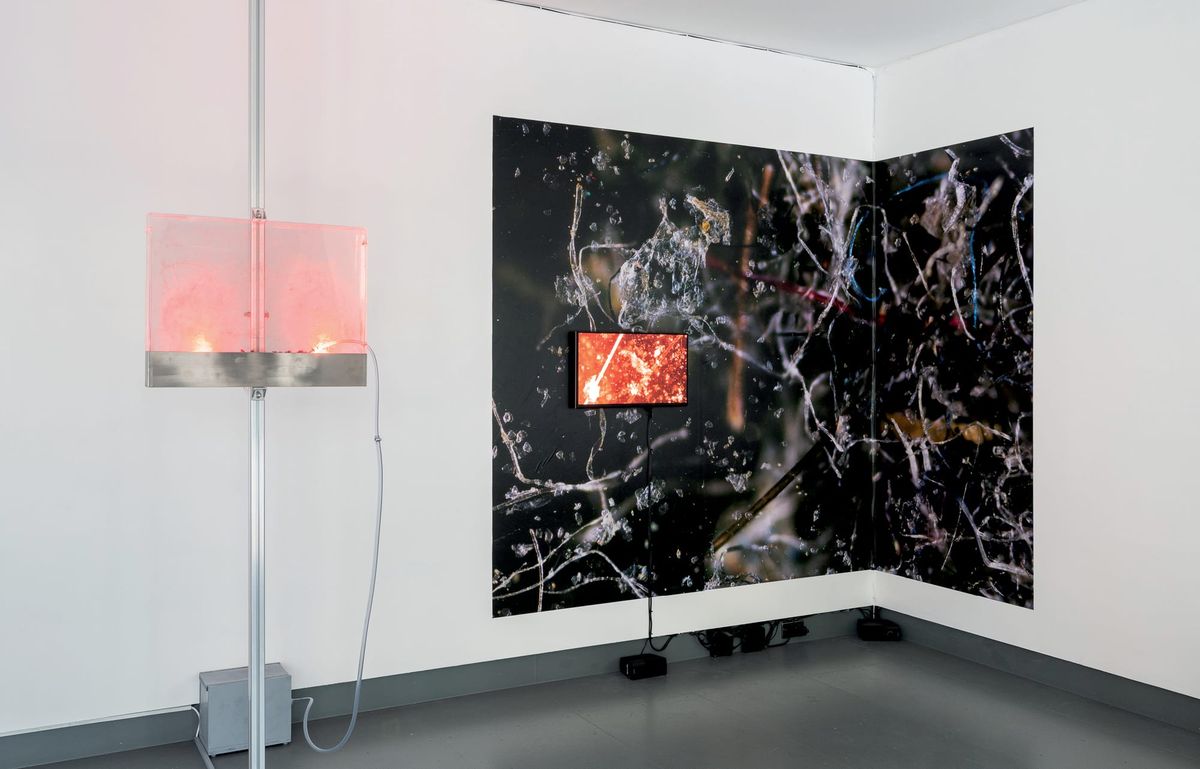
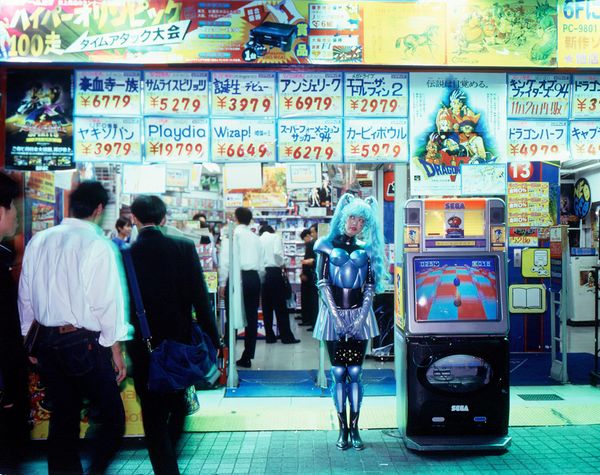
Today, postcolonial studies are so deeply integrated into other academic disciplines it is difficult to distinguish the framework from broader notions of “leftism.” But only a few decades ago, postcolonialism was still emerging as a relatively novel, or at least strictly theoretical, field—particularly in and about East Asia, and even more so with regard to China. This has left a persistent void in theories surrounding the present state of the Global South which, as Musquiqui Chihying demonstrates, is intrinsically intertwined with the philosophies and systems governing capitalist production in Asia.
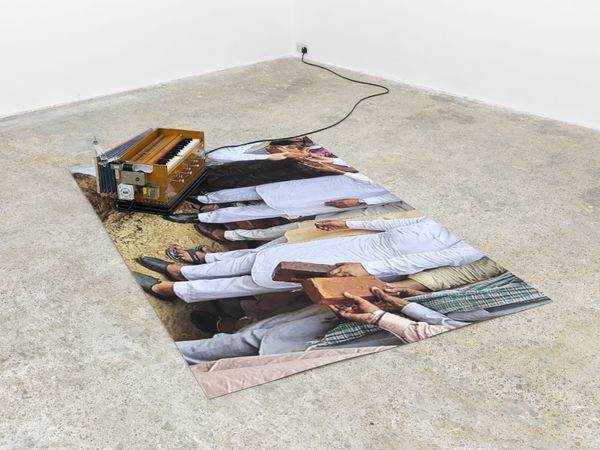
Born in Taipei in 1985, Chihying reimagines popular imagery to bridge the gaps between decolonization discourse and its presence in East Asia, which often pivots on the Japanese occupations across the continent during the 1930s and ’40s. He realized the limits of both frameworks after studying at the Universität der Künste Berlin under the genre-defying filmmaker Hito Steyerl. There, he absorbed the German philosophical and avant-garde tradition, much of which examines the cultural and phenomenological dissemination of imagery. Inspired by Steyerl, he began to produce films and artworks that posed similar questions, but with a different focus, forging new visual vocabularies to expand narrow or antiquated ideologies. “Hito made me question the image itself,” Chihying told me over Zoom from Manchuria, where he is currently doing an artist residency. “But I wanted to relate that to Asia, to the colonialism of the past and neo-imperialism in the present. The canon often focuses on topics that are not applicable in Asia, or leaves out essential connections.”