Issue
Minor Keys, Major Ruptures
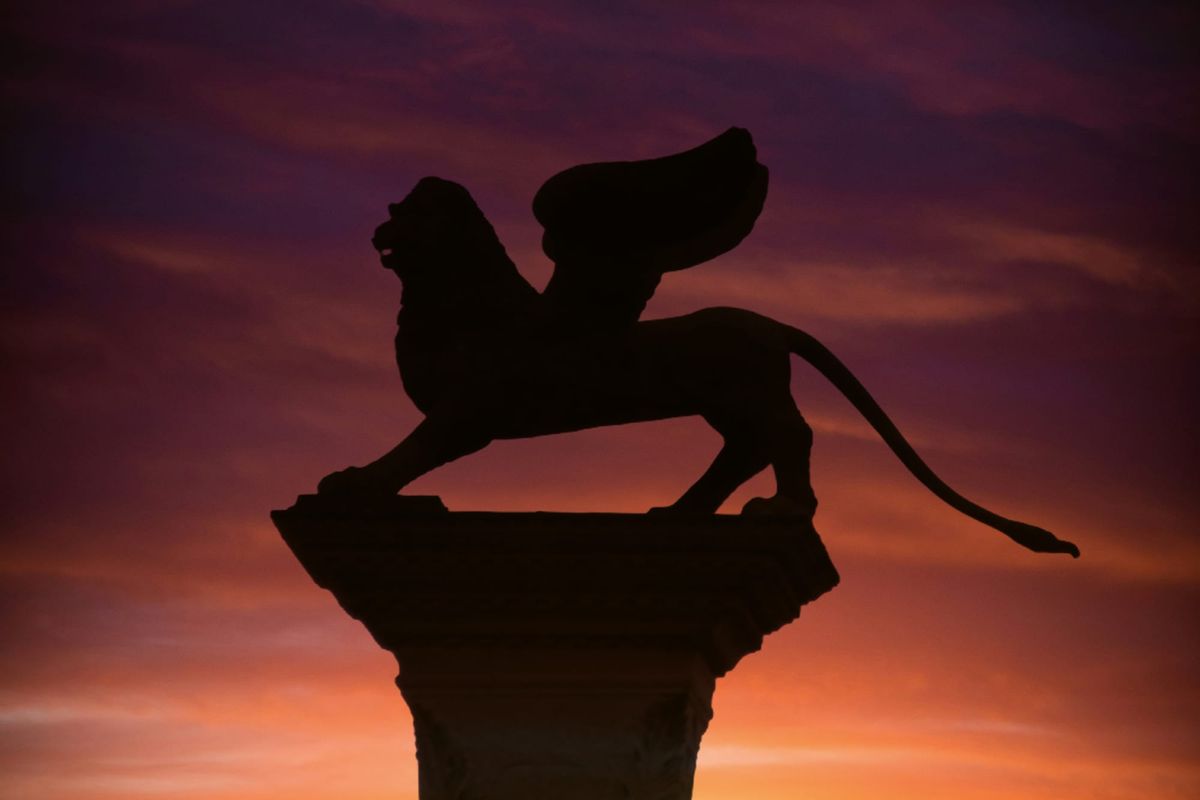
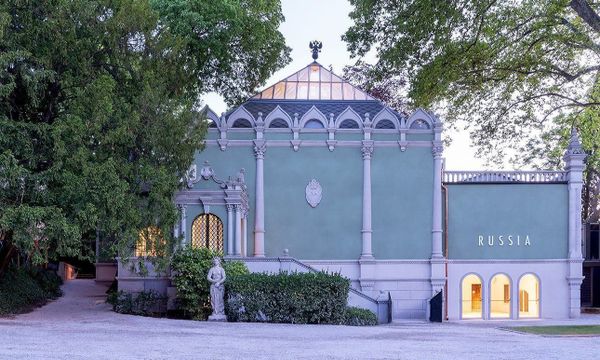
Conceived by curator Koyo Kouoh before her death in May last year, the main exhibition of the 61st Venice Biennale, titled “In Minor Keys,” proposed an ethics of listening, opacity, and repair. Yet the opening days became the site of an institutional rupture: the resignation of the international jury, the Biennale administration’s decision to substitute professional jury deliberation with a public vote for the Golden Lion Award, and the withdrawal of dozens of artists and national pavilions from award consideration. Meanwhile, protests took place within and outside the Biennale premises, including a May 6 rally by Pussy Riot outside the Russian pavilion and a strike organized by the Art Not Genocide Alliance and Italian labor unions on May 8, joined by art workers and activists in solidarity with Palestine.
The crisis began when Kouoh’s jury—Solange Oliveira Farkas, Zoe Butt, Elvira Dyangani Ose, Marta Kuzma, and Giovanna Zapperi—resigned, objecting to awarding the Golden Lion to pavilions representing countries whose leaders face war crimes accusations. The Biennale administration defended inclusiveness, refusing to exclude any national pavilion. This clashed with the jury’s position, drew EU opposition and threats to withhold funding, and stirred tensions with Italy’s Ministry of Culture.
Though unstated in their resignation letter, the disagreement was widely understood as a response to the Biennale hosting the Russian and Israeli pavilions this year. The jury’s departure didn’t merely interrupt the award process; it destabilized a foundational ritual. Since the postwar period, the Golden Lion has served as an instrument of symbolic authority, canonizing artistic practices and geopolitical narratives. The resignation also exposed these awards as potentially outdated, especially when cultural institutions increasingly face legitimacy crises.