Issue
Ellen Pau: The Lighthouse Keeper
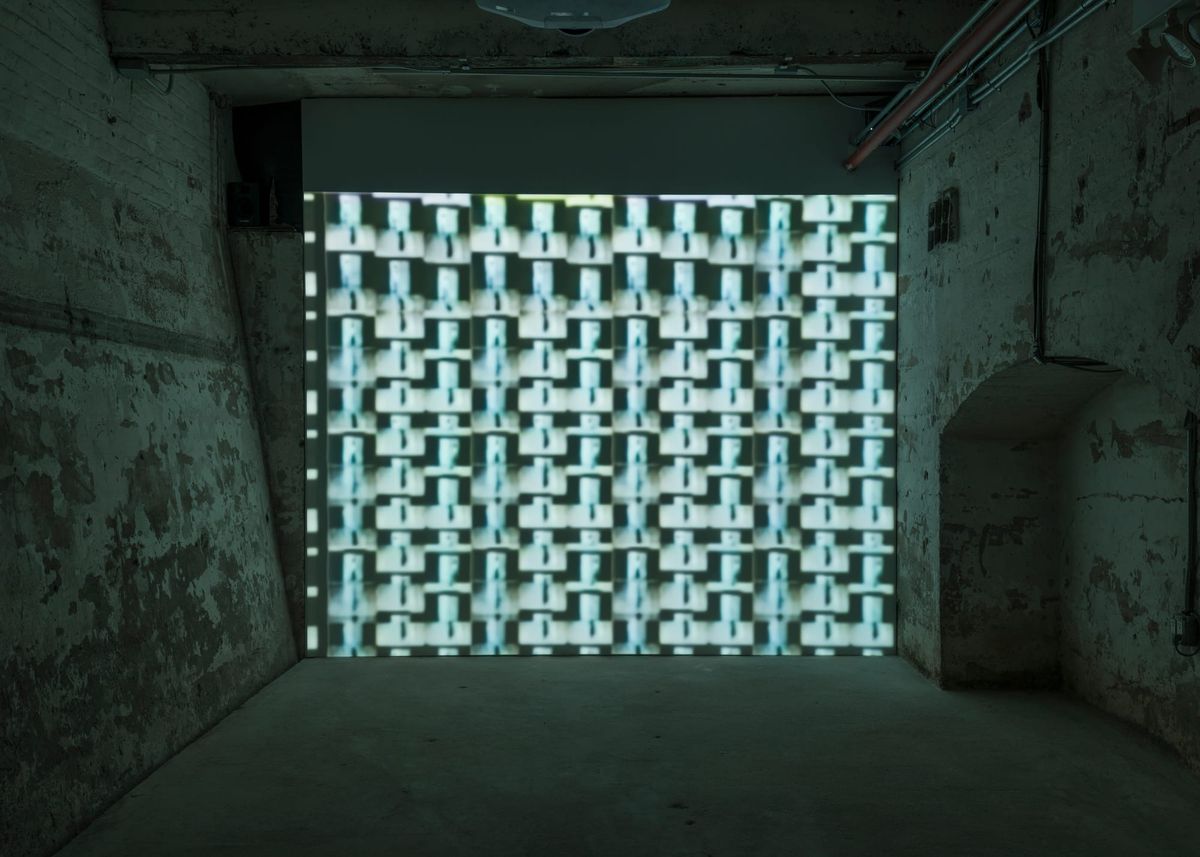
On a warm early evening in late May 2022, a female performer, larger than life, stood in silence. She was projected on the façade of Hong Kong’s new M+ museum and began translating the Heart Sutra into sign language. Her movements were slow, deliberate, and fluid, as if she was underwater. The 65-by-110-meter LED screen is visible from the far shore of Victoria Harbour, from the ferries cutting through the dark sea, and from the high-rise apartments stacked against the hills of the island. On it, a video work by Ellen Pau pulsed with shifting fields of light. Sometimes the screen went blinding, pure white. Sometimes it dissolved into granular static, the visual equivalent of broadband noise. Titled The Shape of Light, it marked the first co-commission between M+ and Art Basel: a beacon for a city emerging from its longest Covid-19 lockdown, for a newly activated cultural district nearly two decades in the works, and, in some ways, for an artist who had spent 40 years building the conditions for a moment like this.
That Pau had reached the façade of M+ at all was, depending on your perspective, either perfectly logical or quietly astonishing. She is one of Hong Kong’s most significant artists—a fact the city’s institutions were slow to acknowledge, though her peers have known it for decades. She co-founded Videotage, the collective and archive that became the de facto home for media art in Hong Kong. She started the Microwave International New Media Arts Festival, which for 30 years invited international artists such as Shu Lea Cheang, Camille Utterback, Christa Sommerer, and Laurent Mignonneau to the city without reliable funding. She spent years arguing, in conference rooms and museum talks, that video deserved to be taken seriously as an art form—at a time when the city’s art schools were still teaching ink painting as the dominant practice, and contemporary work was routinely dismissed as “Western.” She did all of this while making some of the most personal and politically charged videos to come out of Hong Kong in the 1980s and ’90s. The institution-building and the artmaking were never separate endeavors. They were the same project—different voltages of the same current.
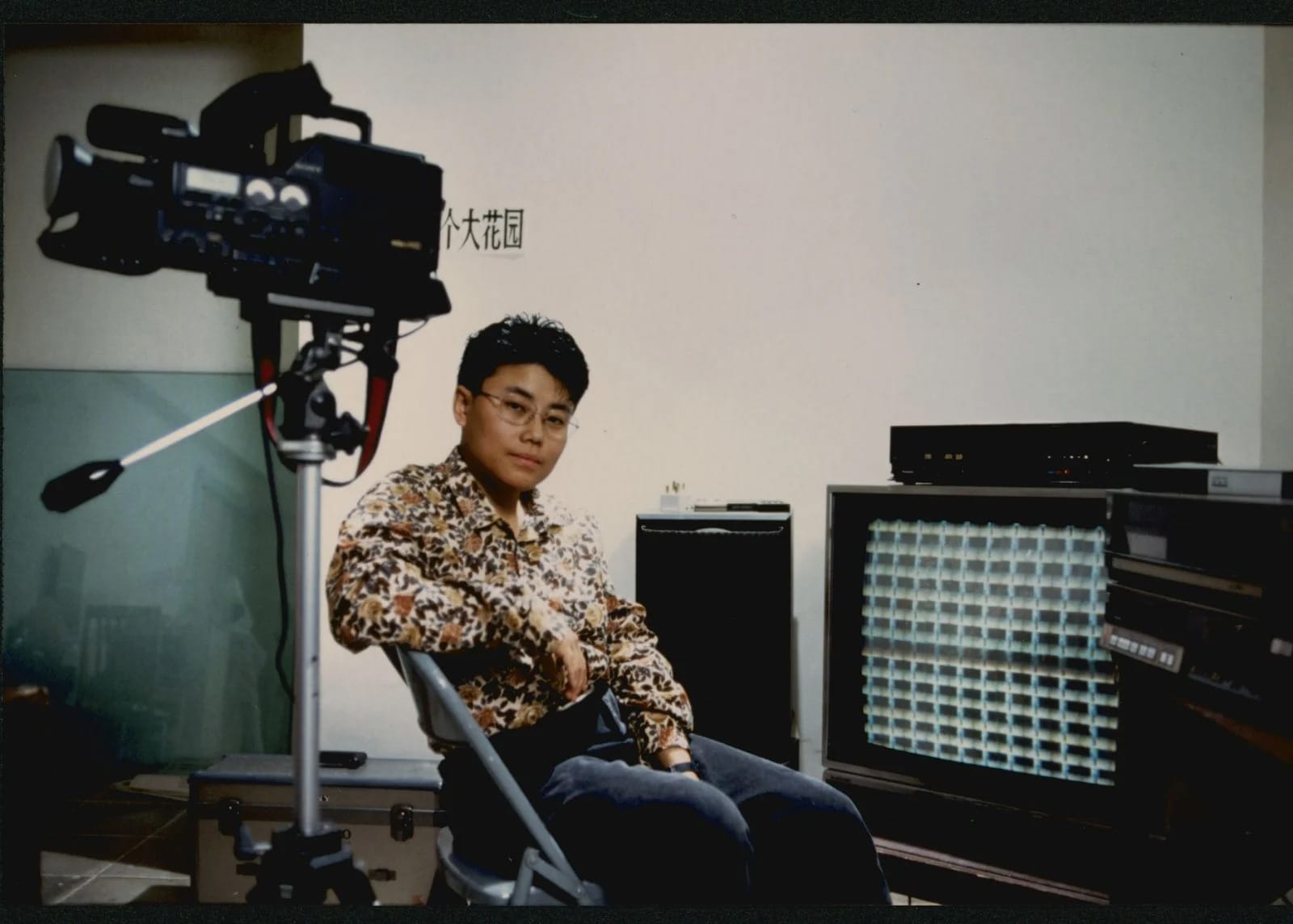
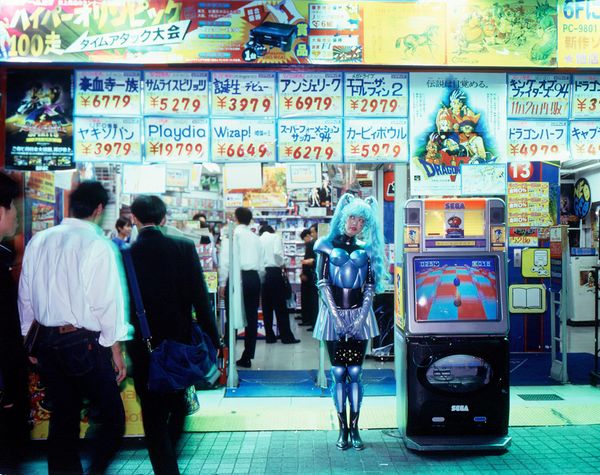
Pau was born in 1961 into a middle-class Hong Kong family during the city’s long economic boom. Deng Xiaoping’s 1978 Reform and Opening-up policy transformed the colony into a gateway between mainland China and the world, and the money flowing through it created a new generation who could afford to think about art. Trade between Hong Kong and the mainland grew at nearly 30% per year through the 1980s and ’90s. The city’s visual identity—neon-lit signs jockeying for attention, crowded harbor views, the golden age of its commercial movie industry—was forming in real time, later packaged as “Hong Kong style.”
But the same era was shadowed by a political clock that everyone could hear ticking. In 1984, British prime minister Margaret Thatcher and Chinese premier Zhao Ziyang signed the Sino-British Joint Declaration, setting the terms for Hong Kong’s return to China in 1997. Five years later, the Tiananmen incident sent a chill through a city that was already nervously surveying its future. In the years before the handover, hundreds of thousands of residents emigrated—mostly to Canada, Australia, and the UK—though many would later return, carrying foreign passports as insurance policies. Pau stayed. And she taught herself to make art.