News
EU Pulls Venice Biennale Funding Over Russian Participation
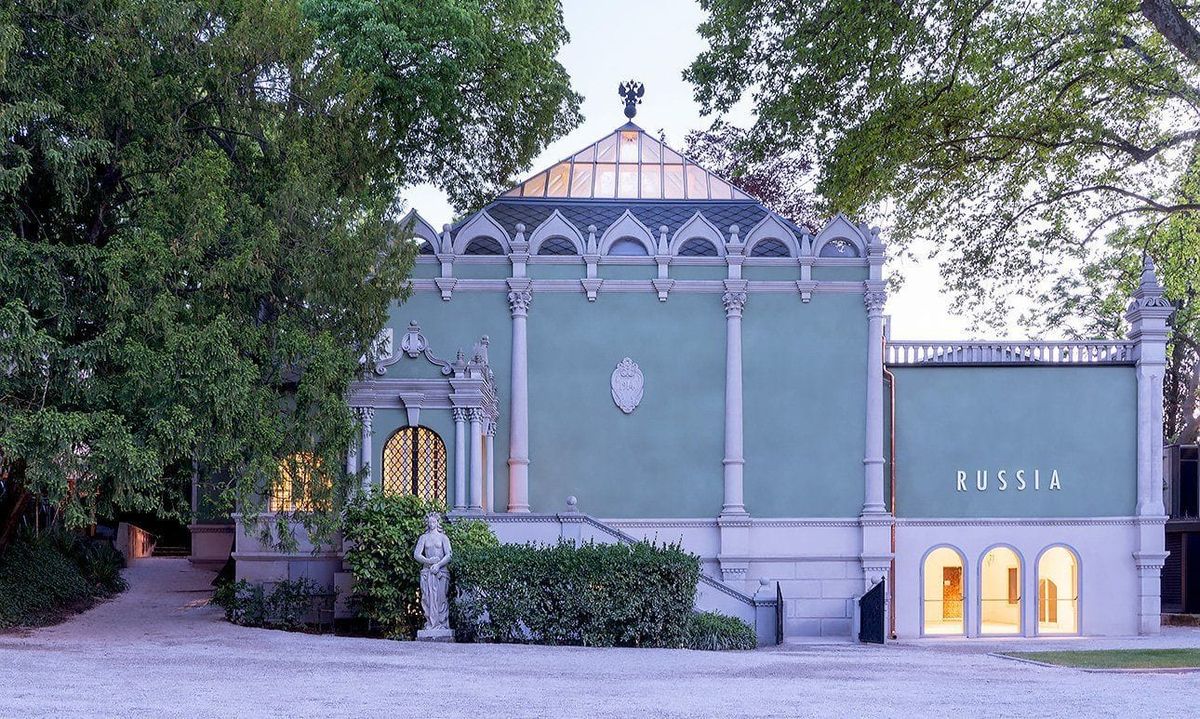
The European Union (EU) has withdrawn an EUR two million (USD 2.3 million) grant to the Venice Biennale after the exhibition allowed Russia to open its pavilion for the 2026 edition. The decision, formalized on July 21, follows months of tension over Russia’s participation in the show, which runs through November 22.
The European Commission had warned in March that it would suspend or terminate the grant if the Biennale permitted Russia to reopen its pavilion, which had remained closed since the country’s 2022 invasion of Ukraine. On July 11, Henna Virkkunen, the European Commission’s executive vice president for tech sovereignty, security and democracy, announced on X that after a thorough assessment of the Biennale’s justifications for Russia’s inclusion, the commission had recommended the EU to proceed with the revocation.
In a statement, commission spokesperson Thomas Regnier said: “Cultural events, funded by European taxpayers’ money, should safeguard democratic values, foster open dialogue, diversity, and freedom of expression—values which are not respected in today’s Russia.”
The opening of the 61st Venice Biennale in May was overshadowed by protests over the participation of Russia, Israel, and the US. In April, more than 70 artists and curators signed an open letter calling for the countries’ exclusion, while the Biennale’s international jury moved to bar Russia and Israel from the 61st Golden and Silver Lions. The jury panel’s resignation on April 30 led to the replacement of the traditional awards with two Visitors’ Lions, which also drew boycott calls from dozens of participating artists and staff.
The Russia Pavilion was only open during preview week, which was marred by citywide protest campaigns. On May 6, a smoke-flare demonstration by the Russian dissident punk collective Pussy Riot led to the pavilion’s temporary closure, before it was completely shut down by May 9, the day of the Biennale’s public opening.
The Biennale Foundation has filed an appeal against the EU’s revocation of the grant and claimed it would “assert [its] rights in all competent venues.” It said the withdrawn funding was earmarked for the Biennale’s cinema programs and had “nothing to do with Russia’s participation,” adding that the cut would not significantly affect the Biennale’s budget, accounts, or planned activities.
Yuqian Fan is an editorial assistant at ArtAsiaPacific.