News
Pipo Nguyen-duy, 1962–2026
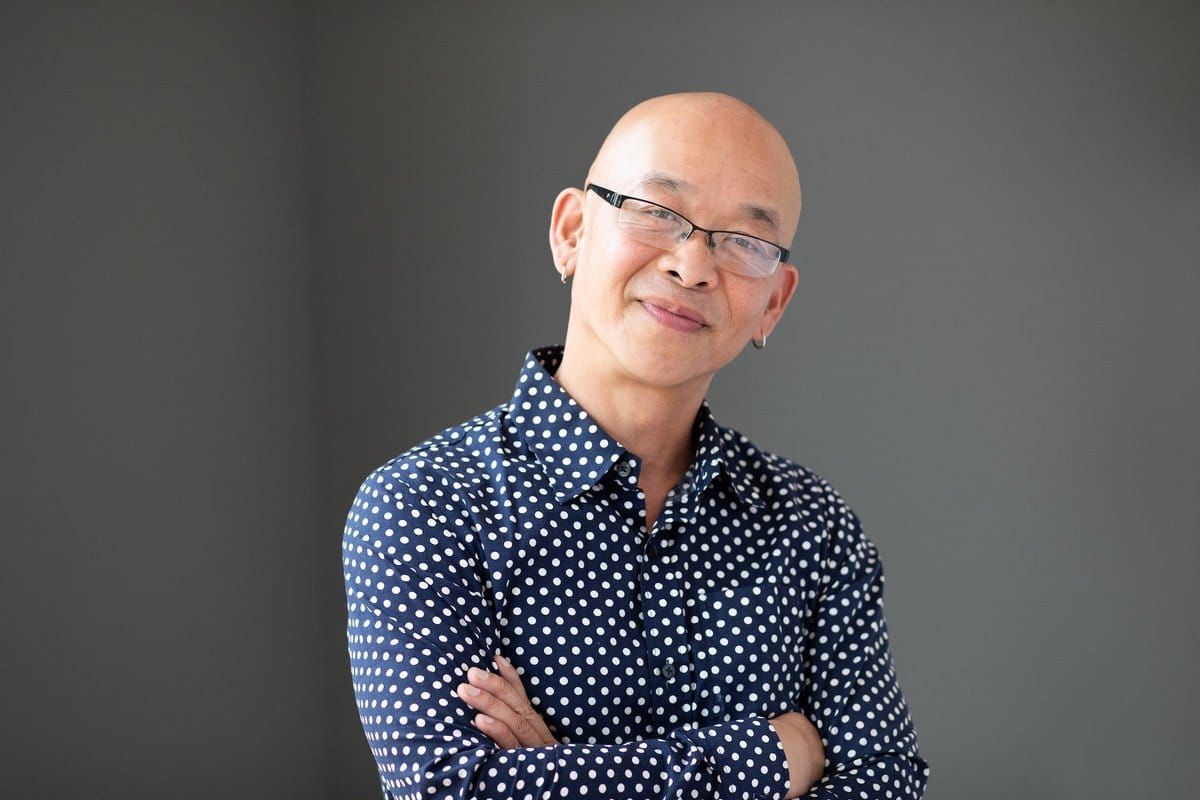
On October 28, Pipo Hieu Nguyen-duy, a Vietnamese American photographer, artist, and professor at Oberlin College and Conservatory, was found dead in his off-campus home. The 64-year-old, along with his wife, Tran Thi Phong, is suspected to have been fatally shot by Nguyen-duy’s son, Daniel Jones (formerly known as Asia Nguyen-duy).
Jones, 31, appeared in court on October 29 and was arrested on murder charges in connection with the double homicide. According to a report by the Oberlin Police Department, when officers initially approached him, Jones allegedly said he had “killed his family.” While his motives remain under investigation, the suspect’s biological mother told police that her son suffers from psychosis and is in need of medication.
Born in 1962 in Huế, central Vietnam, Nguyen-duy grew up amid the turbulence of the American war in Vietnam. Following the Fall of Saigon in 1975, he fled to the US as a political refugee. There, he earned a degree in economics from Carleton College, and moved to New York’s East Village in 1983, where he became involved in the local art scene, interacting with the likes of Keith Haring and Don Cherry. Subsequently, Nguyen-duy enrolled at the University of New Mexico in Albuquerque to pursue both an MA (1992) and MFA (1996) in photography. During his studies, he engaged with questions of diasporic identity, militarization of daily life, and postwar memory, which would later define his practice.
Nguyen-duy received numerous awards and fellowships throughout his career, and his work has been exhibited across the US, Europe, and Asia. Among his most well-known projects is the staged narrative photography series East of Eden (2002–13), which originally began as an endeavor to “[look] at our contemporary American landscape as the Garden of Eden and re-fram[e] it from the post-September 11th perspective,” as Nguyen-duy put it. After receiving a Guggenheim Fellowship in photography in 2011, he expanded the scope of the series, returning to his motherland to document the lives of civilians three decades after the end of the conflict. The images from this later chapter—often featuring amputees or rural children playing in lotus ponds and forests—gently probe the emotional and physical trauma of the war, paying tribute to Nguyen-duy’s childhood memories as well as his brother, a southern Vietnamese soldier who had lost his right arm in battle.
In 1998, Nguyen-duy joined Oberlin College as a professor of studio art and photography. Carmen Twillie Ambar, president of Oberlin College, mourned Nguyen-duy’s tragic and unexpected death. “Pipo was beloved,” she said in a statement. “During his years at Oberlin, he touched all of us through his passion for photography. Our community will be hurting for a very long time.”
Eva Brank is an editorial intern at ArtAsiaPacific.