Issue
60th Venice Biennale: “Stranieri Ovunque – Foreigners Everywhere”
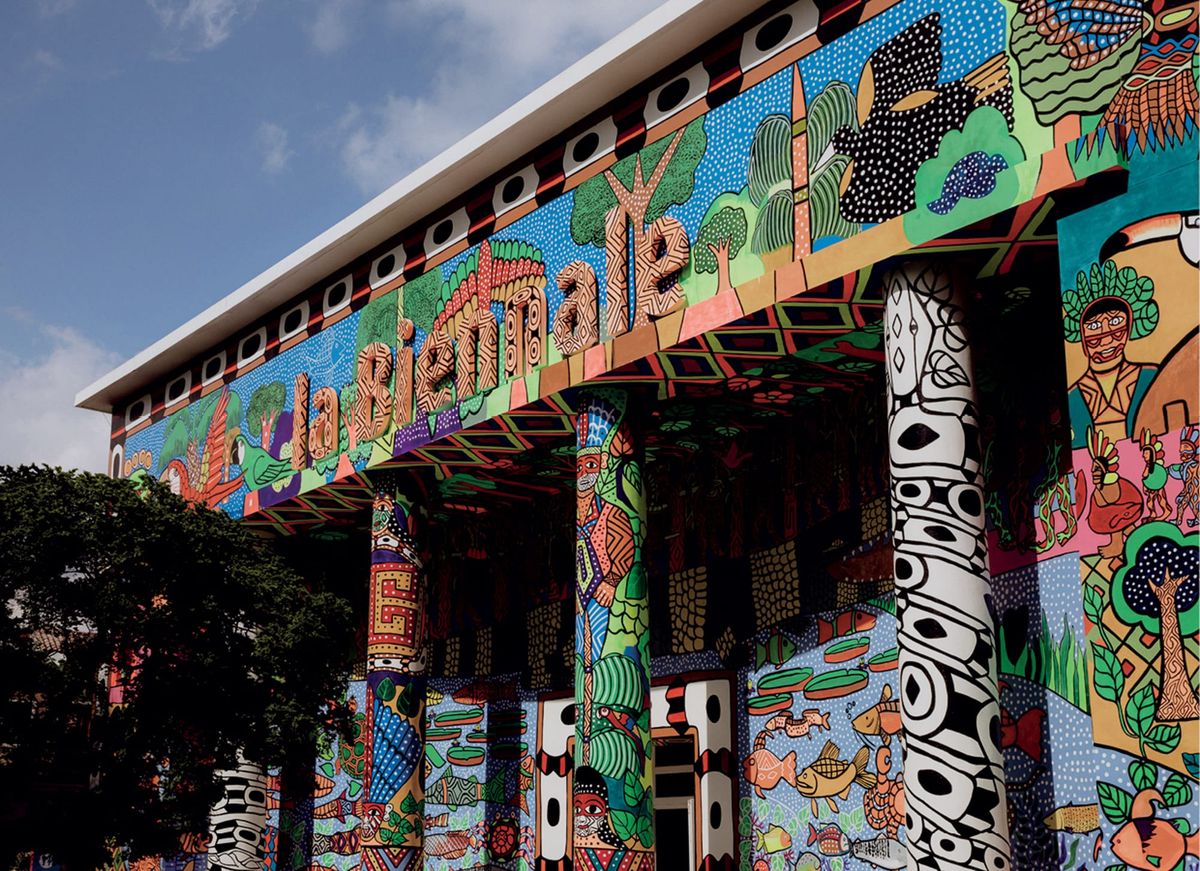
60th Venice Biennale: Stranieri Ovunque – Foreigners Everywhere
Arsenale & Giardini - La Biennale di Venezia
“Tupi or not Tupi, that is the question,” Brazilian poet, playwright, and critic Oswald de Andrade posed in his 1928 Anthropophagic Manifesto, punning (in English) on the name of the Indigenous peoples of Brazil and Hamlet’s famous dilemma. The South American artist’s choice, Andrade suggested, was whether to draw on local practices or adhere to European traditions. In a nod to Tupi warriors’ reputedly cannibalistic rituals, he advocated for “Absorption of the sacred enemy. To transform him into a totem.”—a metaphorical approach that many artists around the world adopted in forging their own modernisms. What, then, might a transnational history of 20th-century art look like? And whose identities, stories, and culture would be represented?
These questions animated Adriano Pedrosa’s curatorial premise for the 60th International Art Exhibition at the Venice Biennale, bilingually titled “Stranieri Ovunque – Foreigners Everywhere,” after the collective Claire Fontaine’s multilingual series of neon sculptures that pay homage to an anarchist collective in Turin that fought against xenophobia in the early 2000s. In his concept for the Biennale, Pedrosa challenged the Eurocentricity that the institution itself represents, and focused not only on the migrant/refugee as “foreigner,” but queer, self-taught, outsider, and Indigenous artists whose cultures have been rendered “strange” or estranged from structures of power and visibility.