Issue
151 News Roundup: Controversies, Career Moves, Infrastructure, Public Domain
Controversies
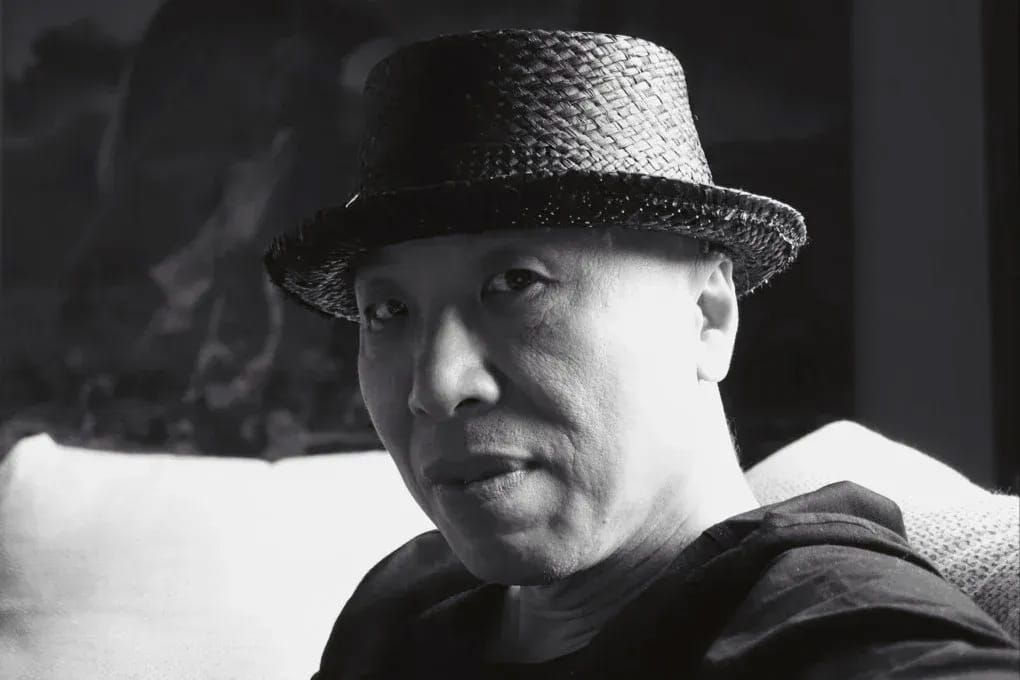
Chinese dissident artist Gao Zhen was sentenced to three years in prison by the Sanhe City People’s Court over sculptures of Mao Zedong he created over 15 years ago. The verdict, delivered on August 25, found Gao guilty of slandering political revolutionary figures, a punishable offense under Chinese law. Gao was arrested in 2024 and held in a detention center for two years prior to his sentencing, and has been unable to see his wife or child. He plans to appeal.
On September 3, just two days before the opening of the 16th Gwangju Biennale, China withdrew from the exhibition, protesting the Gwangju Biennale Foundation’s decision to reinstate the title “Taiwan Pavilion” for Taiwan’s presentation. The fiasco dates back to June, when the foundation began referring to Taiwan’s project as “NTMoFA Pavilion”—using the acronym for the National Taiwan Museum of Fine Arts, the organizing institution. The Chinese delegation stated that the restored title violates the “One China” principle, which South Korea formally adheres to.
In late September, Polish-born artist Alicja Kwade’s Waiting Pavilions (2024), an outdoor installation currently on display at Hong Kong’s Tai Kwun, was found vandalized. Set in Tai Kwun’s Prison Yard, the installation comprises several glass-brick cells along with boulders embedded in Monobloc chairs. One of the boulders had been separated from its chair and placed on the ground nearby. The work was restored and reopened to the public days later, while local police launched a criminal damage investigation.
Infrastructure
A new institution designed by Japanese architect Kengo Kuma is set to open in Singapore’s Orchard Road district in 2030. The 30-story design will feature an amphitheater, retail outlets, and offices, as well as a roughly 2,800-square-meter contemporary art museum run by the Tanoto Art Foundation.
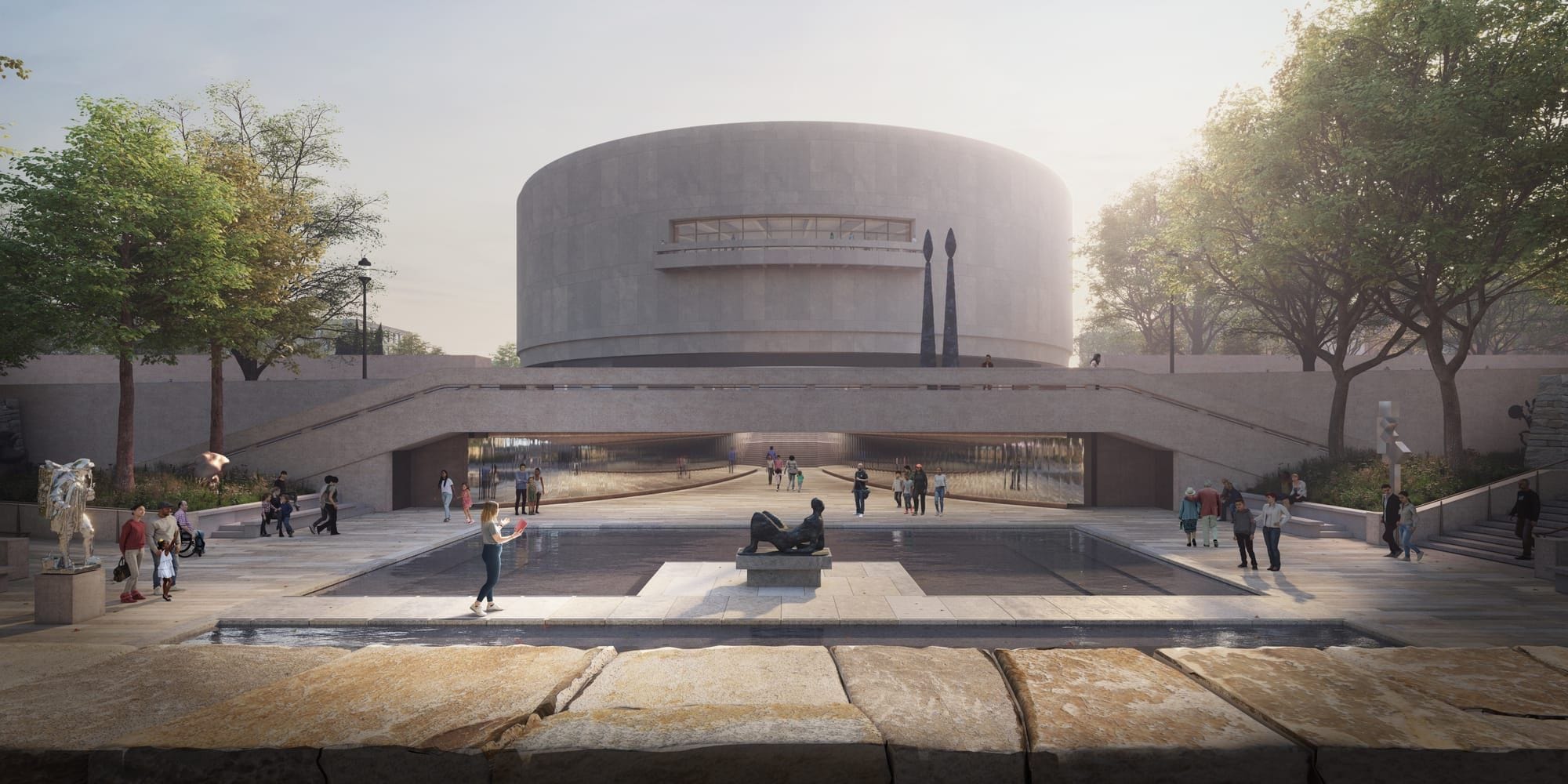
The new Hirshhorn Sculpture Garden at the Smithsonian in Washington, DC, designed by Hiroshi Sugimoto, officially opened on October 31 after a four-year revitalization. The revamped garden, now reconnected to the rest of the Hirshhorn campus, features an expanded capacity for the display of some 60 classical and modernist sculptures.