Issue
Up Close: Payne Zhu
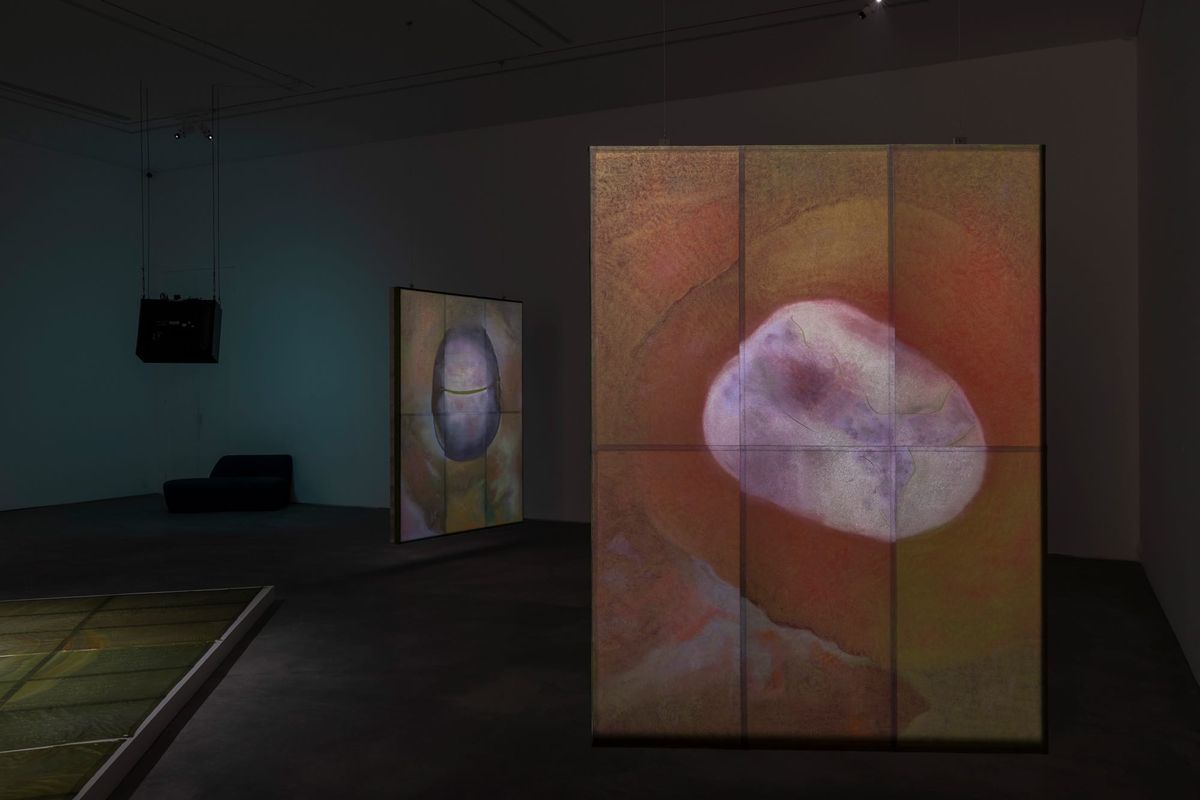
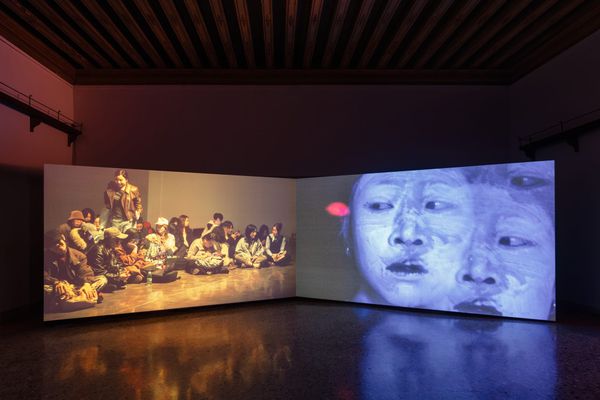
The gut wall contains hundreds of millions of neurons and can sense, coordinate, and adapt with considerable independence from the cerebrum, earning it the moniker “second brain” in gastroenterology and neuroscience. Emerging gut-brain-axis research goes further, finding that variations in the microbiome correlate with mood, memory, and even fairness-related decision-making. The digestive tract is thus more than biological plumbing but a semi-autonomous thinking organ. Artificial intelligence discourse borrows the lexicon: models are “fed” data, systems “ingest” information, and raw inputs are metabolized into outputs. Shanghainese artist Payne Zhu gut-checks bowels as diverse as those of marine organisms and capital’s platform economies, exploring the collapse of cognition and digestion across algorithmic, financial, and bio-ecological registers.