Issue
Where Two Cities Meet: Tracing the history of Hong Kong artists at the Venice Biennale
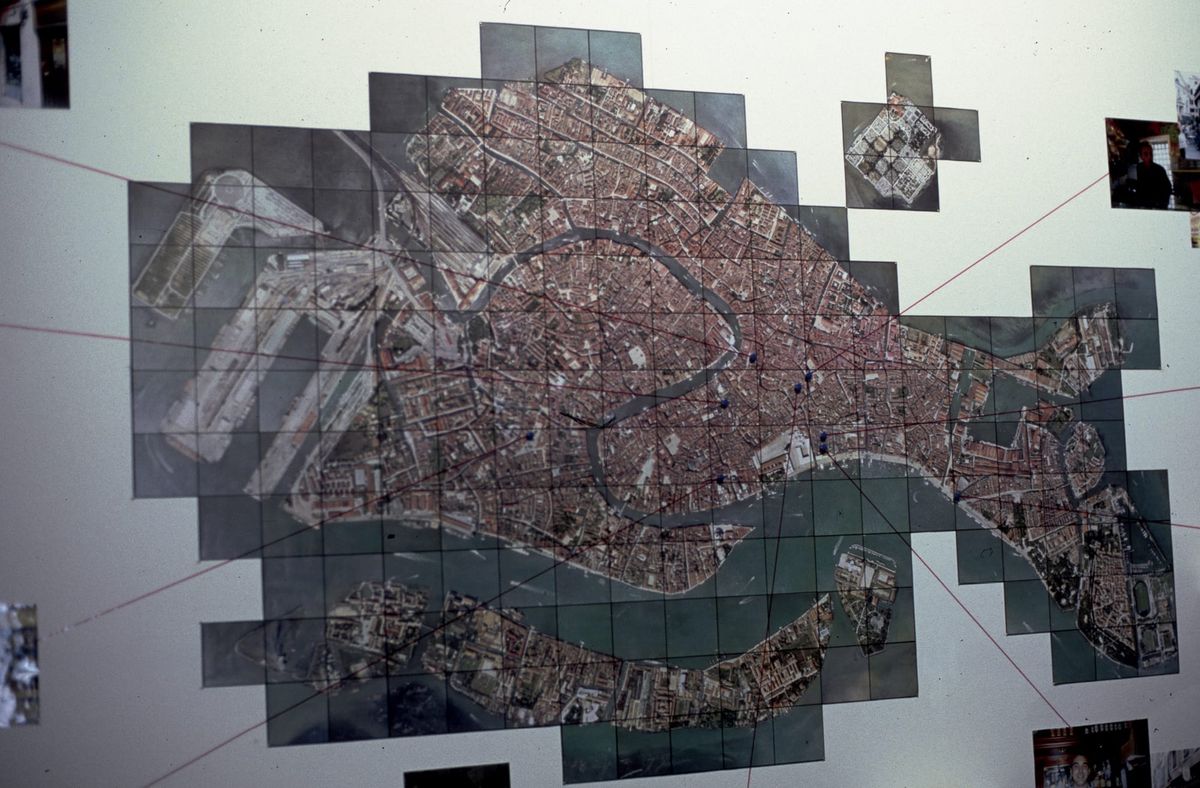
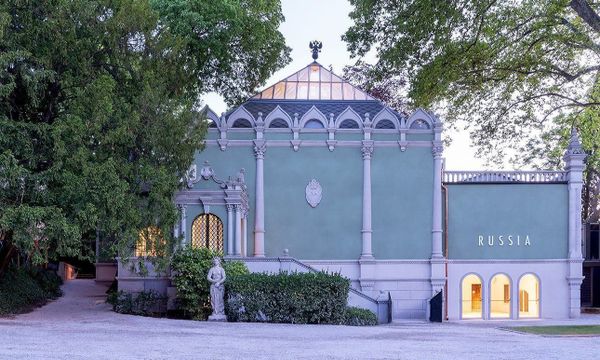
The fishing village Tai O, near the Hong Kong International Airport, has been nicknamed by locals as “Venice in Hong Kong” for its stilt houses built over the water and their beautiful reflection in the waves. Conversely, the “unofficial” Hong Kong Pavilion at the Venice Biennale (a “collateral exhibition” presented by M+ and the Hong Kong Arts Development Council) has for several editions been branded as “Hong Kong in Venice.” The first time Hong Kong participated was in 2001—a presentation, “Magic at Street Level,” that Sara Wong and I took part in, along with Ellen Pau and Ho Siu Kee—though there ought to be earlier examples. After all, since the 1860s many ships sailed from Hong Kong to Venice when trade routes were first established. But as both city-states have undergone changes in sovereignty since then, what happened to those connecting the two coastal cities? And who were they?
In 2023, when Sara and I were fortunate enough to attend a residency in Venice hosted by the Emily Harvey Foundation, we had already began questioning this history, and hoped to seek traces of Hong Kong during our time there. Unfortunately, early queries did not pan out as hoped. We knew that the acclaimed Hong Kong philanthropist Emanuel Raphael Belilios (of the elite Belilios Public School) had Venetian roots, but he was born in Calcutta (Kolkata) and died in London in 1905. We heard vague recollections about Franciscan monks in a remote monastery who had preached in Hong Kong, but when we visited university archives and cemeteries, we found no deducible clues. After considering how to narrow our search, Sara and I began reflecting on how Hong Kong artists have participated in the contemporary art’s largest event—and the one most relevant to us and our interests.