Issue
The Sketch: Tsai Ming-liang: Bound by Nothing
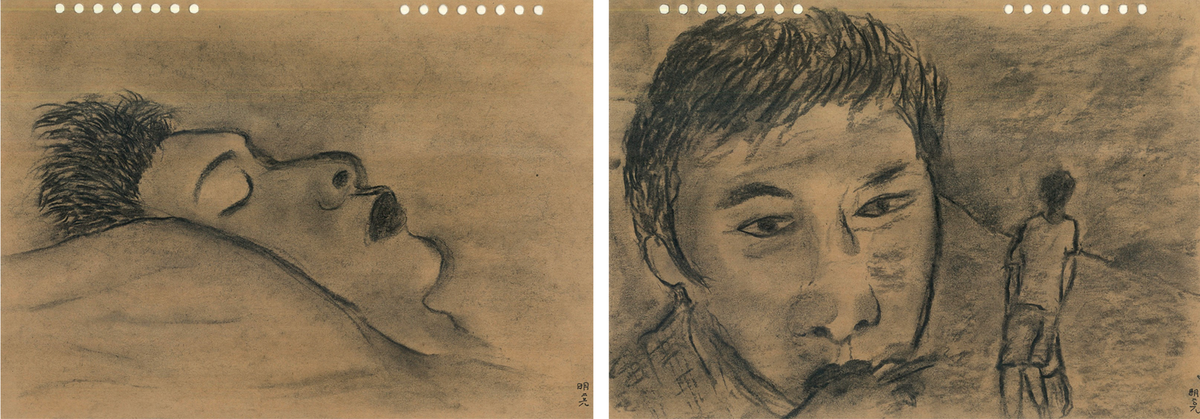
Structure, character arcs, plot lines, dialogue—Tsai Ming-liang once remarked that he removes all traces of these elements from his films as a way of creating distance. To some, such films fall under the rubric of “pure cinema”; to others, “slow cinema.” Disdainful of labels (especially when it comes to being a “gay filmmaker”), Tsai is constantly going against the grain. He emerged as a key figure of the second Taiwanese New Wave movement with films such as Vive L'Amour (1994), The River (1997), and The Hole (1998), which all feature raw and subversive depictions of sex and family strife (including a masturbation scene between a father and son); and ever since his debut, Rebels of a Neon God (1992), Tsai has never been without his long-time collaborator-actor Lee Kang-sheng, who often plays characters drifting through the urban sprawl of modern-day Taipei. Over the past two decades Tsai’s films have become less shocking and more reflective, due to his interest in a 7th-century Buddhist monk—the basis for his Walker series (2012– ). On the occasion of the Hong Kong premiere of the series’ latest installment, Abiding Nowhere (2024), and the theater performance of The Monk from Tang Dynasty at Tai Kwun, Tsai sat down with Frances James to discuss the importance of personal and creative freedom, the trust involved in shooting intimate scenes, and his experiences with anxiety.