Issue
Taipei: “A One and a Two: Edward Yang Retrospective”
A One and a Two: Edward Yang Retrospective
Taipei Fine Arts Museum
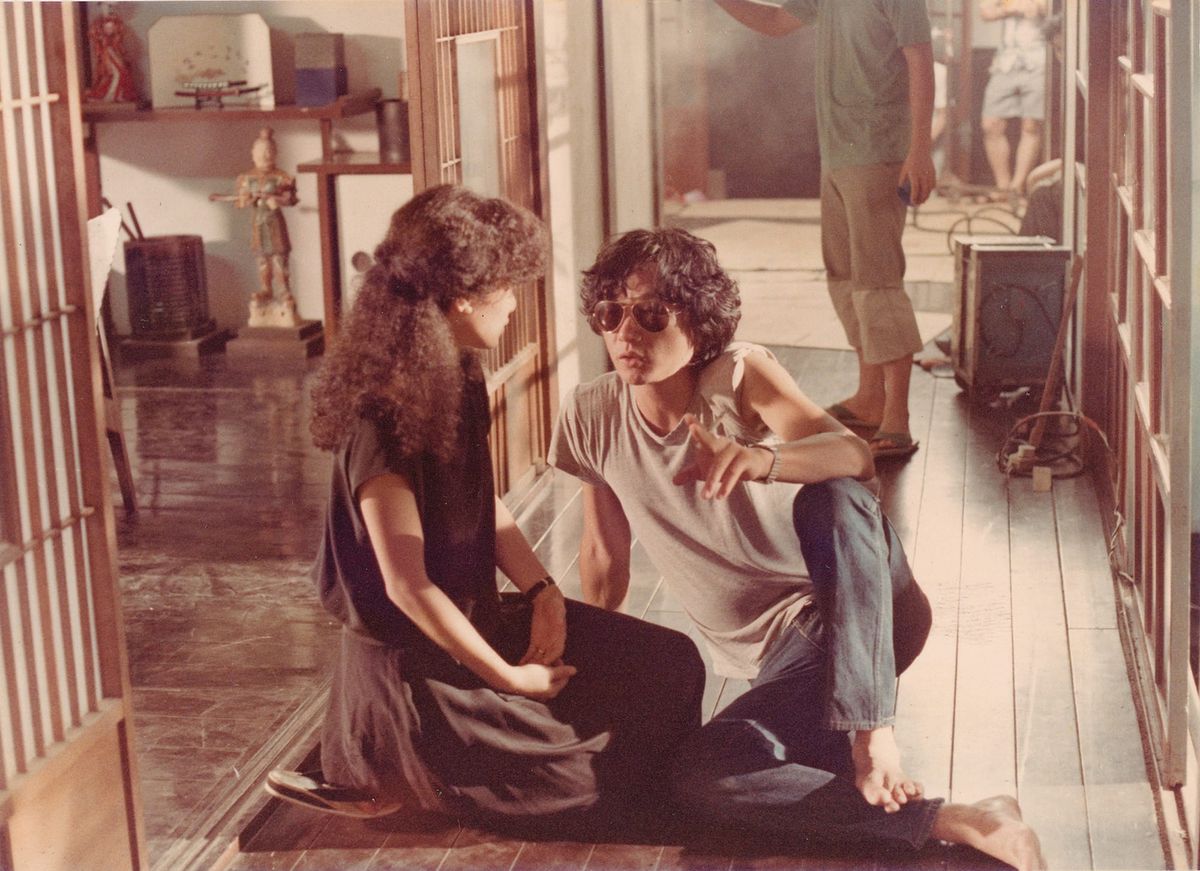
“A One and a Two: Edward Yang Retrospective” was the latest attempt by the Taipei Fine Arts Museum (TFAM) to grapple with the weight of Taiwanese history, following on from “The Wild Eighties,” a widely discussed exhibition earlier this year concerning the explosion of creativity that emerged after the end of martial law in Taiwan in 1987. In this comprehensive account, the museum explored the legacy of Taiwanese New Wave cinema through the lens of one its most admired figures, filmmaker Edward Yang, who died in 2007 aged 59.
Yang, who was born in Shanghai and rose to prominence in the 1980s alongside fellow Taiwanese directors Hou Hsiao-hsien and Tsai Ming-liang, was heavily influenced by new movements in global cinema, in particular Italian neorealism and modernism. Yang’s films include the masterful A One and a Two (2000), which follows the lives of three generations of one family in Taipei (and for which Yang was named Best Director at Cannes), while A Brighter Summer Day (1991) depicts the authoritarian period through which Yang and his compatriots lived. But compared to Hou Hsiao-hsien, who focused on the lives of the rural working-class, Yang’s films tended to examine urban middle-class angst and existential crises, much like Michelangelo Antonioni, a director he greatly admired.