Issue
143 Previews
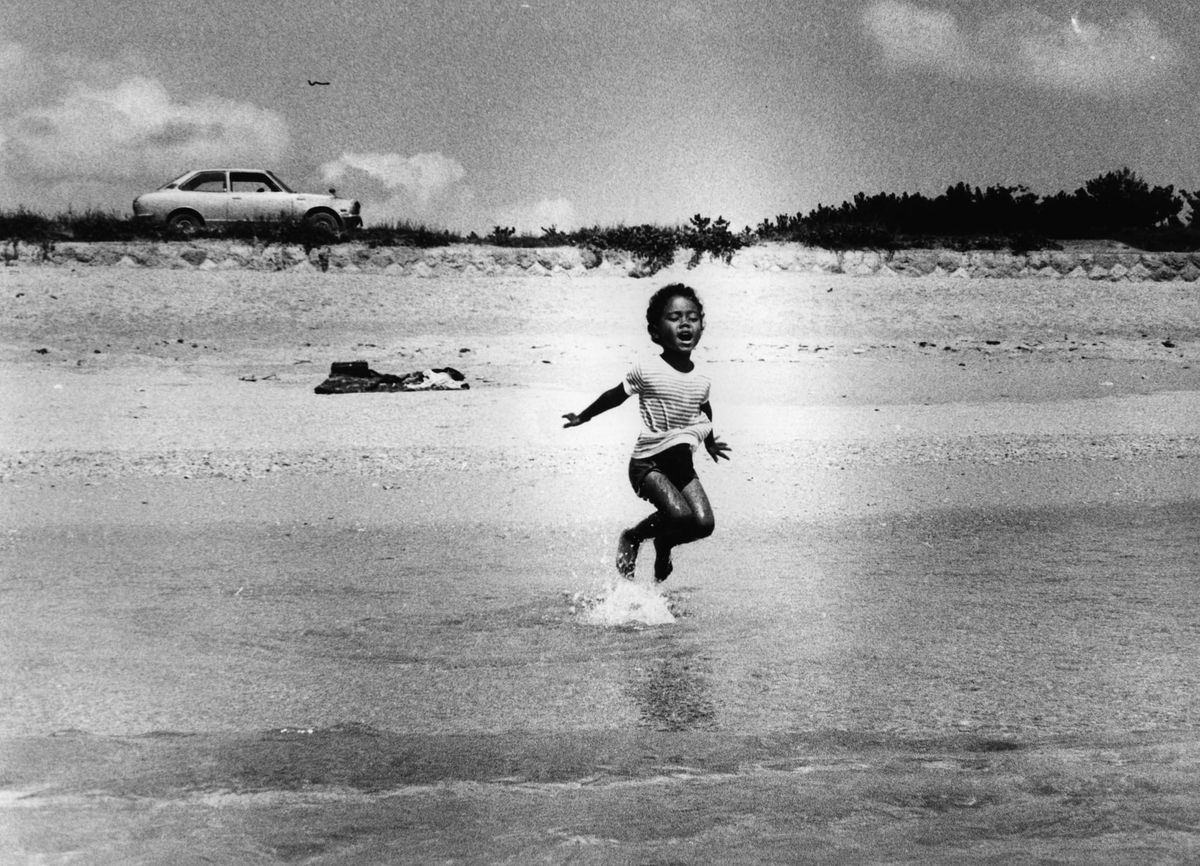
Mao Ishikawa
Mead Gallery, Coventry
May 1–Jun 22
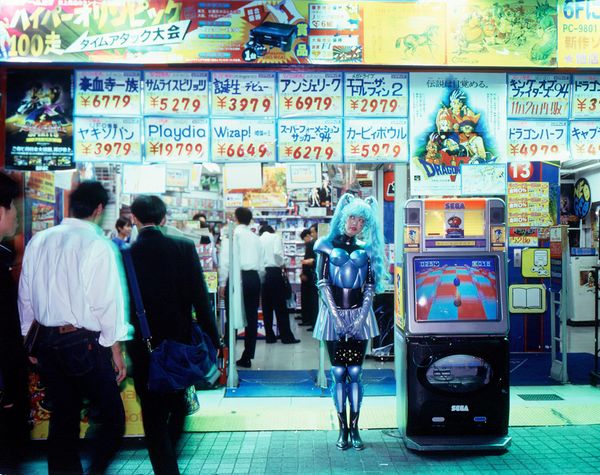
The Mead Gallery at Warwick Arts Centre presents an extensive survey of works by Mao Ishikawa, marking the Okinawan photographer’s first institutional exhibition in Europe. Renowned for her raw shots of Okinawa—which was controlled by the US until 1972 and remains a base for American troops today—Ishikawa captured powerful images of the margins of Japanese society for nearly half a century. The exhibition spotlights 60 works from her photographic oeuvre since the 1970s, including her iconic Red Flower: The Women of Okinawa series (1975–77) along with more recent projects such as Fences, Okinawa (1989– ) and My Family (2001–05).
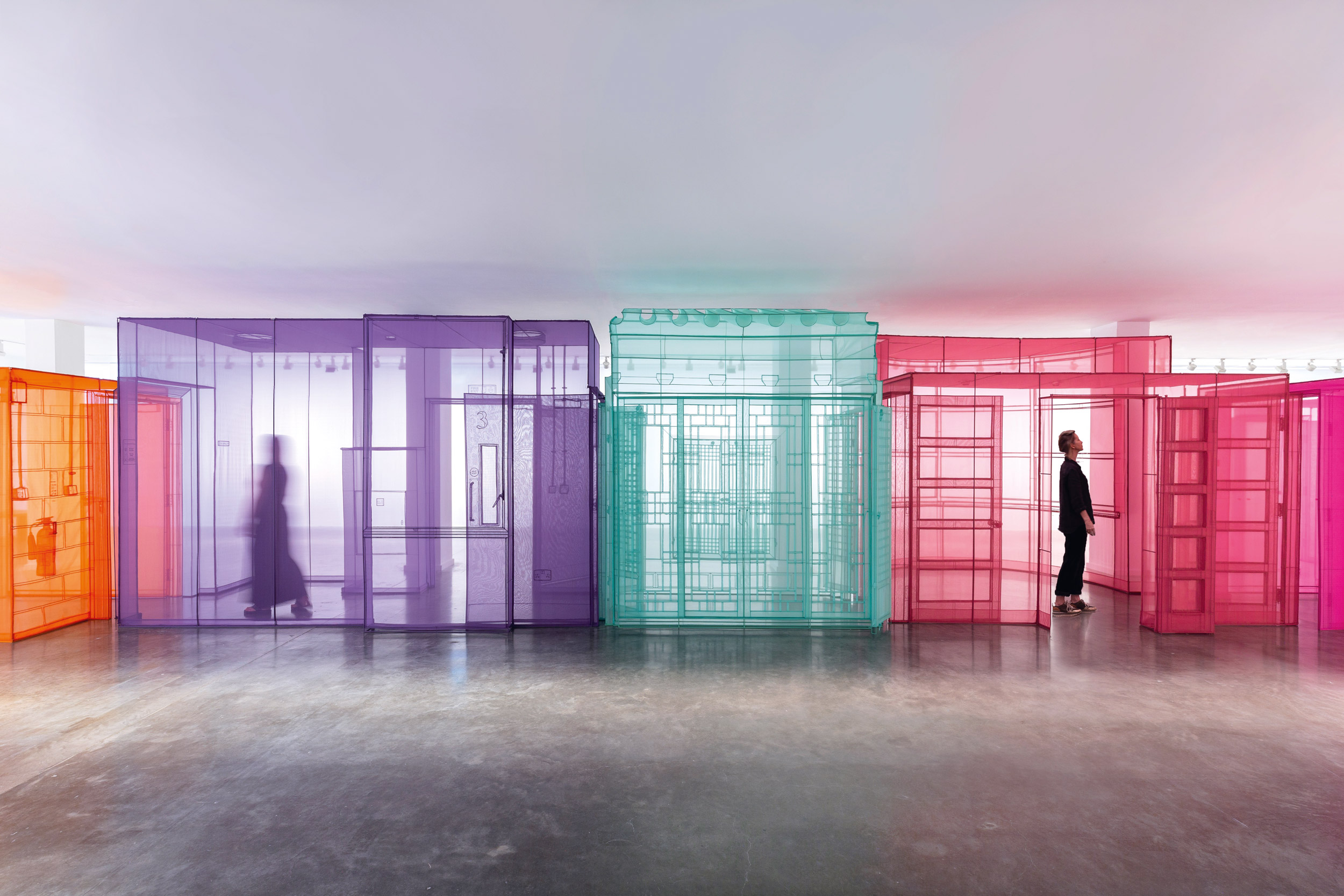
Do Ho Suh
The Genesis Exhibition: Walk the House
Tate Modern, London
May 1–Oct 19
Marking the Seoul-born artist’s first solo show in London in over 20 years, “The Genesis Exhibition: Walk the House” at Tate Modern presents Do Ho Suh’s large-scale, translucent fabric installations from the last three decades alongside newly commissioned site-specific works that explore themes of home, memory, and displacement. The survey also features drawings, video works, and sculptures that trace Suh’s evolving engagement with migration, identity, and the psychological dimensions of architectural space, thus challenging our perception of permanence and belonging.
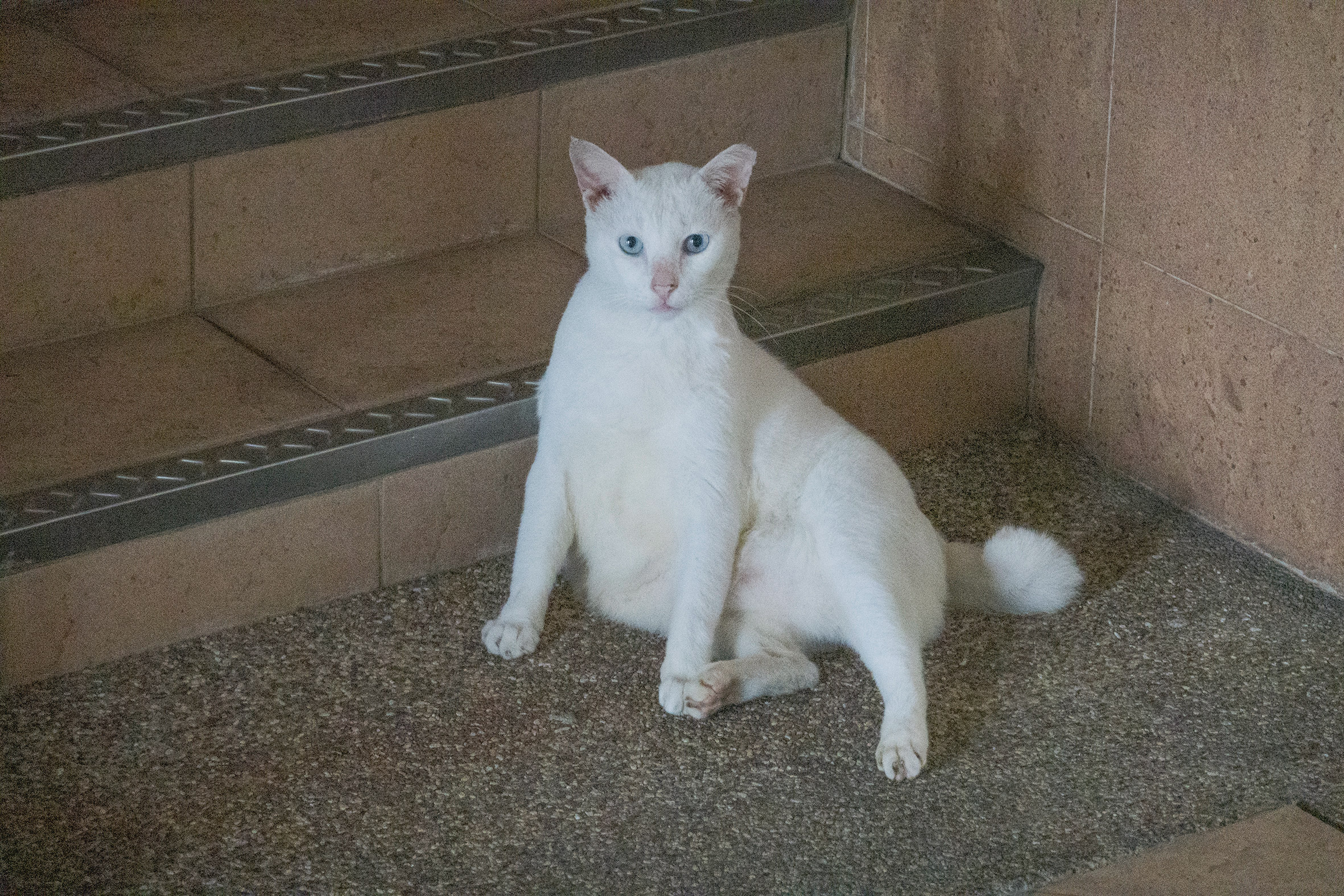
Heman Chong
This is a dynamic list and may never be able to satisfy particular standards for completeness
Singapore Art Museum
May 10–Aug 17
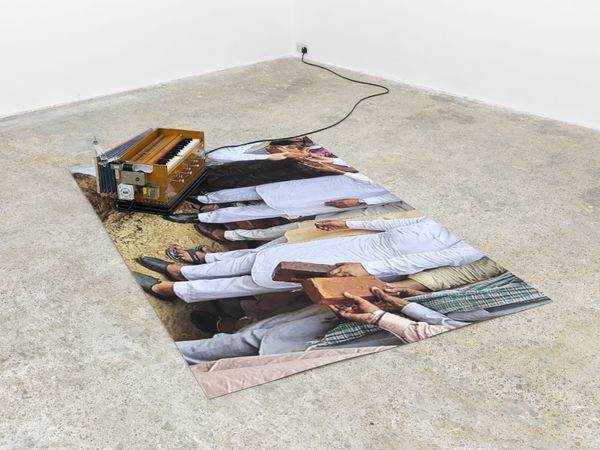
A key figure in Singapore’s contemporary art scene, Heman Chong works at the intersection of image, performance, and writing, weaving together conceptual precision with societal critique. Known for his sharp wit, Chong interrogates institutional infrastructures through a political lens to examine how, in a hyperconnected world, our everyday lives are subtly regulated by systems of power that define physical accessibility and social exclusion. This survey at the Singapore Art Museum charts the last two decades of his ever-evolving practice, bringing together works made in 2003 alongside new commissions that reflect his ongoing engagement with sociopolitical realities.
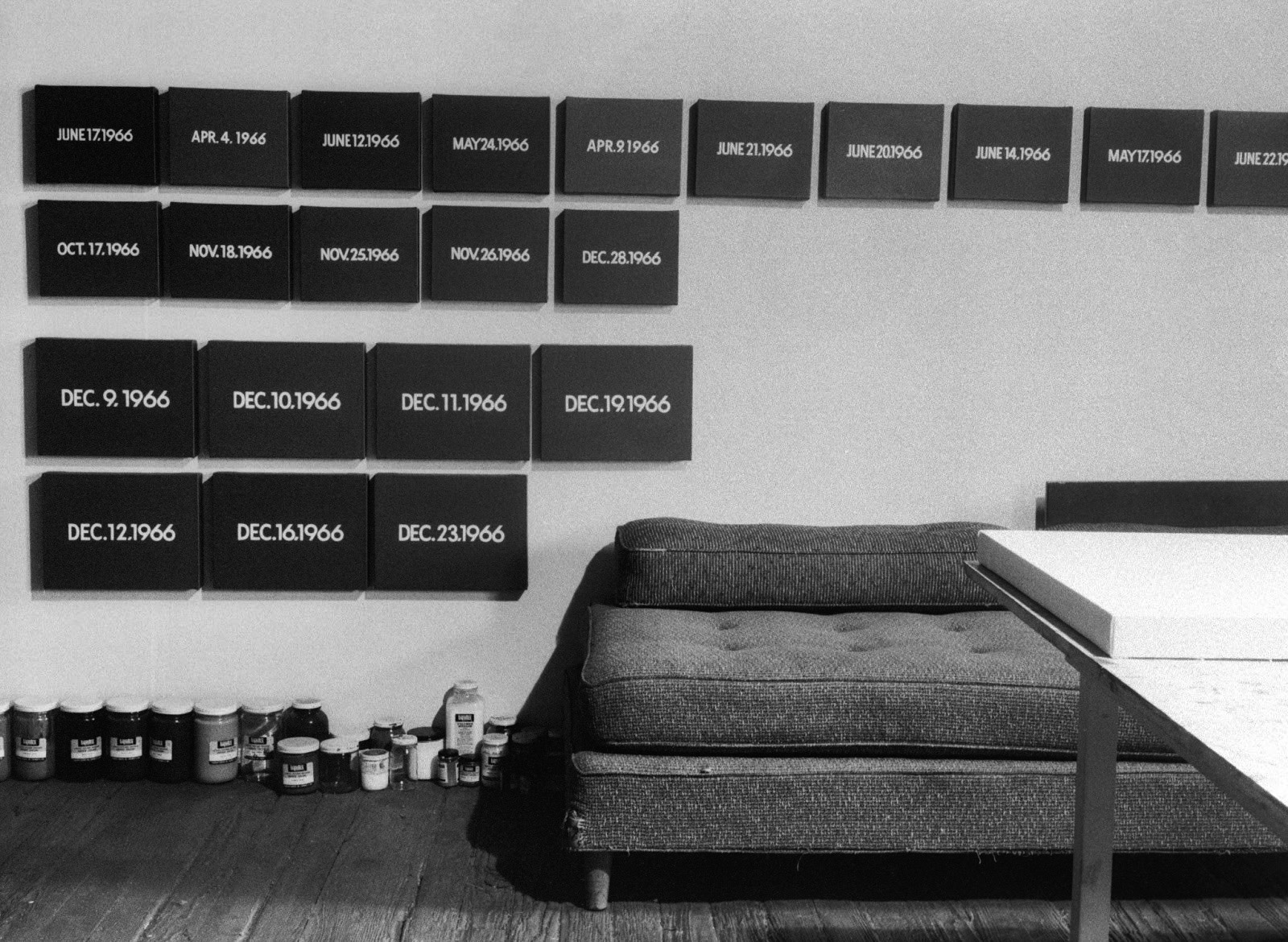
On Kawara
Rule of Freedom, Freedom of Rules
Tai Kwun Contemporary, Hong Kong
May 23–Aug 17
“Rule of Freedom, Freedom of Rules” at Hong Kong’s Tai Kwun Contemporary marks the first institutional solo exhibition in Asia for the late Japanese conceptual artist On Kawara. Co-curated by Hou Hanru and Ying Kwok, the show charts five decades of Kawara’s practice, focusing on his systematic approach to order and documentation. Alongside the artist’s signature date paintings from his Today series (1966–2013), various postcards, telegrams, CDs, and other archival materials highlight his days in Hong Kong and the city’s influence on his process of recording time, presence, and daily routines.
Man&Wah
Propagate/Germinate/Bloom
4A Centre for Contemporary Asian Art, Sydney
Jun 6–Aug 3
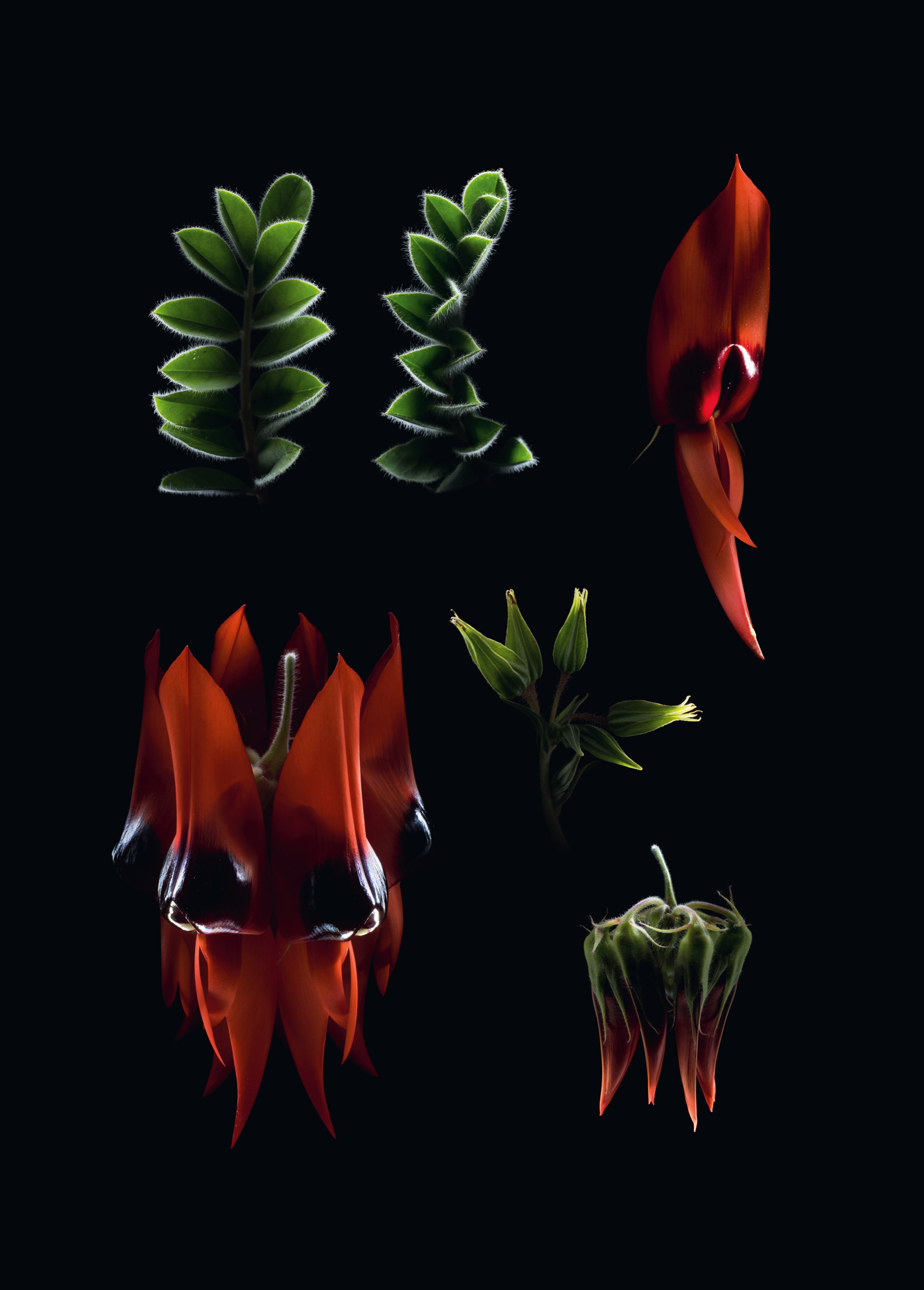
With “Propagate/Germinate/Bloom,” Sydney’s 4A Centre for Contemporary Asian Art continues to support Asian Australian dialogues, this time on an ecological theme. Compiling research on historical uses of botany in medicine, cuisine, and culture, the exhibition delves into plant migrations from Asia to Australia, providing grounds for a collective meditation on our co-existence with nature. Commissioned for the show, Brisbane-based artist duo Man&Wah present a series of immersive soundscapes, visual projections, hyperreal terrariums, and large-scale botanical installations, transforming the 4A space into an otherworldly environment.
Echoes Unveiled: Art by First Nations Women from Australia
Artizon Museum, Tokyo
Jun 24–Sep 21
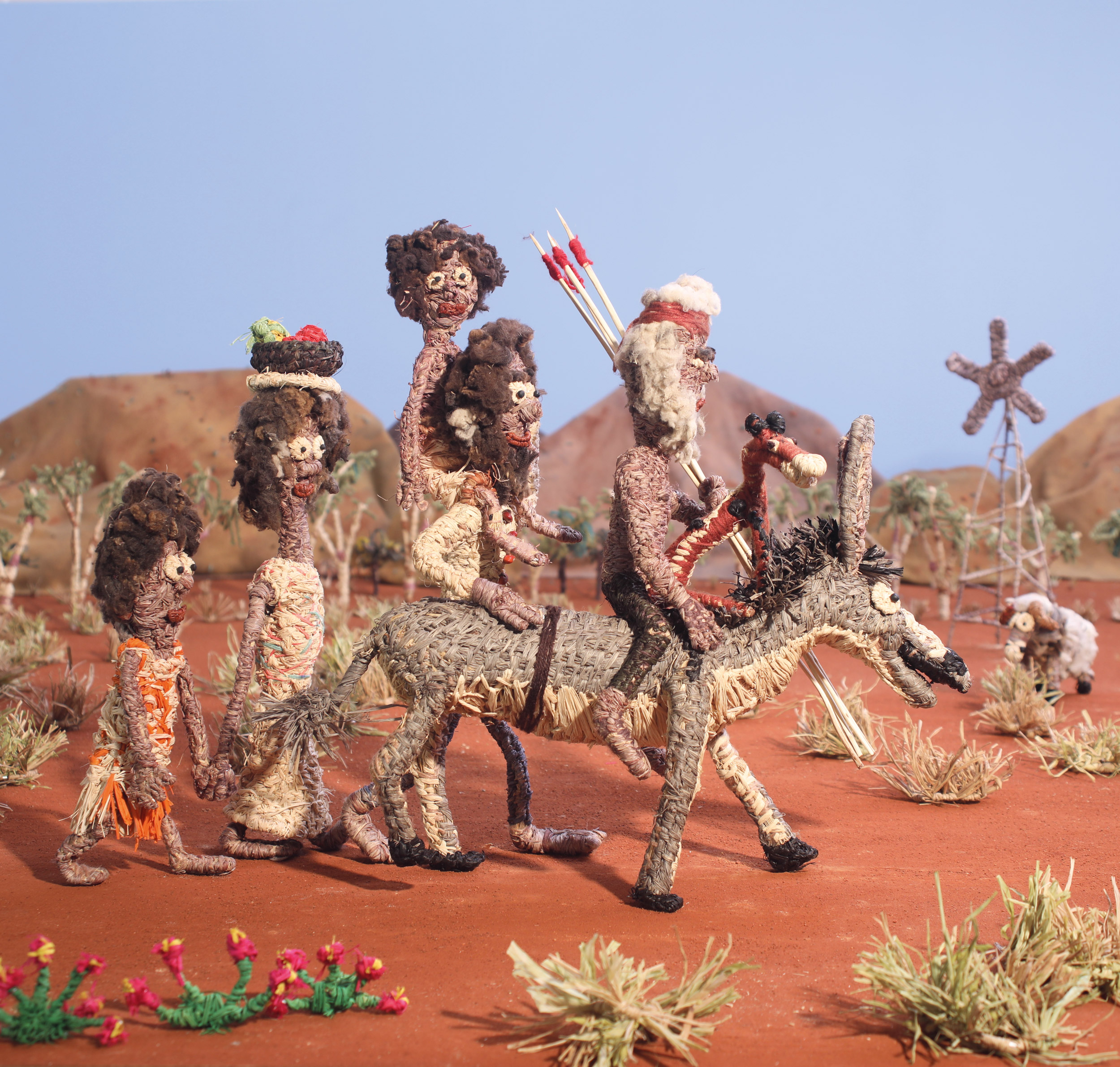
“Echoes Unveiled” is Artizon Museum’s first presentation of works by First Nations women artists. Highlighting the diversity of contemporary creative expressions—especially those deeply rooted in their regional context—“Echoes Unveiled” features projects by the Tjanpi Desert Weavers collective and seven Indigenous Australian artists, including the late painter Mirdidingkingathi Juwarnda Sally Gabori and glass artist Yhonnie Scarce. By situating these creatives and their works in a Japanese institution, Artizon aims to introduce First Nations art from Australia to a new Asian audience.