Market
Art Fair Report: A Fraying Monopoly
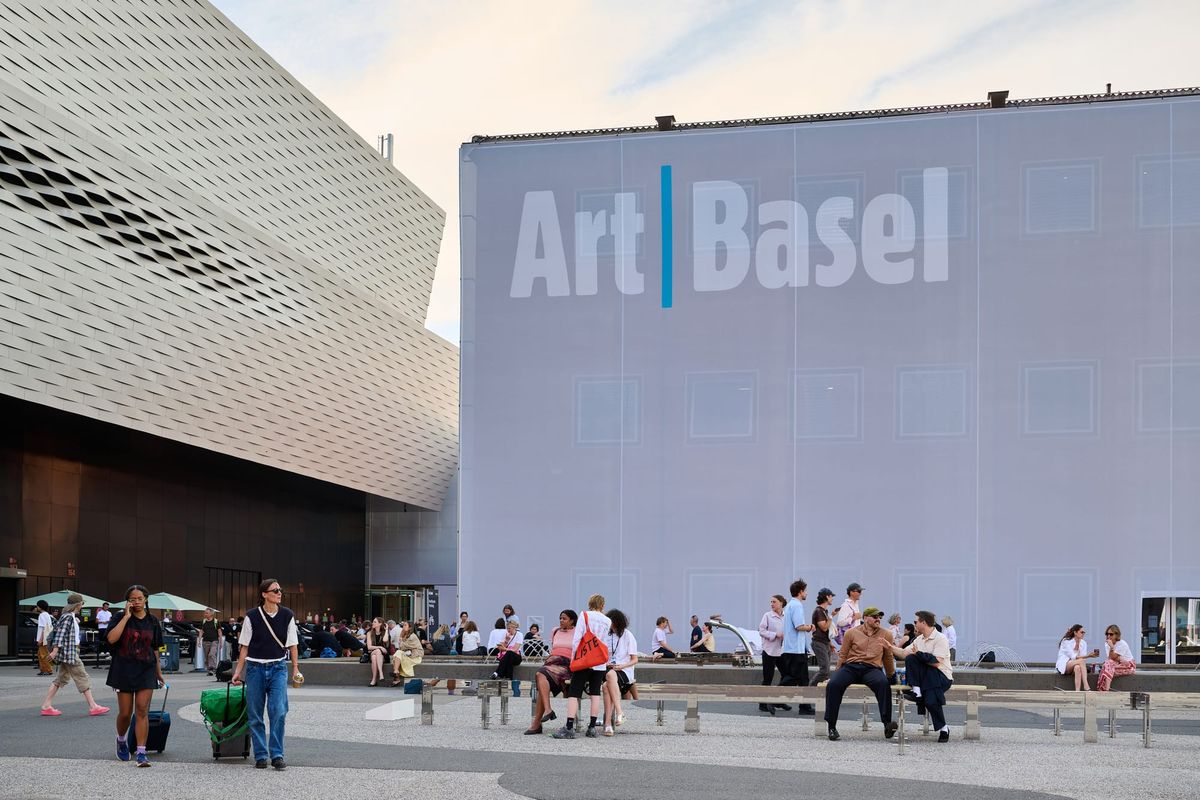
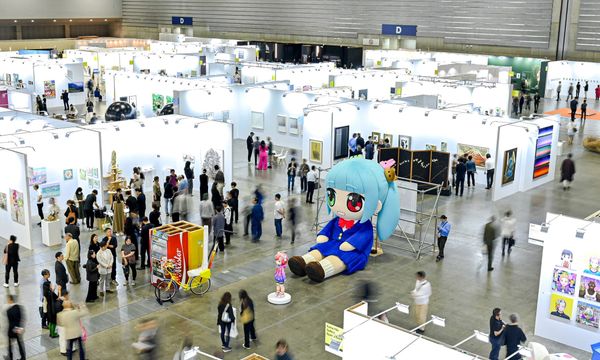
“Only one city does it all. Only one Basel.” This year’s slogan for Art Basel’s Swiss edition asserted a hierarchy, placing Basel at the top of the fair pyramid and offering a measure of reassurance to the small city on the Rhine, whose centrality is no longer self-evident. As the market’s centers have multiplied—Miami, Hong Kong, Paris, and now the Gulf—the original flagship’s claim to primacy has become something that requires renewed defense.
The proximate reason is Paris. Last year’s edition of Art Basel Paris was widely considered a success, and market insiders have said openly that the Swiss fair’s leading position has weakened. A growing share of the international collector base now finds an October trip to Paris more appealing than the annual obligatory June pilgrimage to the Messeplatz.
But a larger question loomed over the art world. During the week of the fair, Marc Spiegler, Art Basel’s former global director, published an article in The New York Times titled “Art Galleries Are Not OK,” arguing that mid-tier galleries are increasingly squeezed between rising costs and a fair circuit that no longer reliably pays for itself. Coming from a figure who once oversaw Art Basel’s international expansion, the piece lent added weight to a question already circulating in the trade: whether the art fair remains a viable format.