News
Yindjibarndi Awarded Australia’s Largest Native Title Compensation
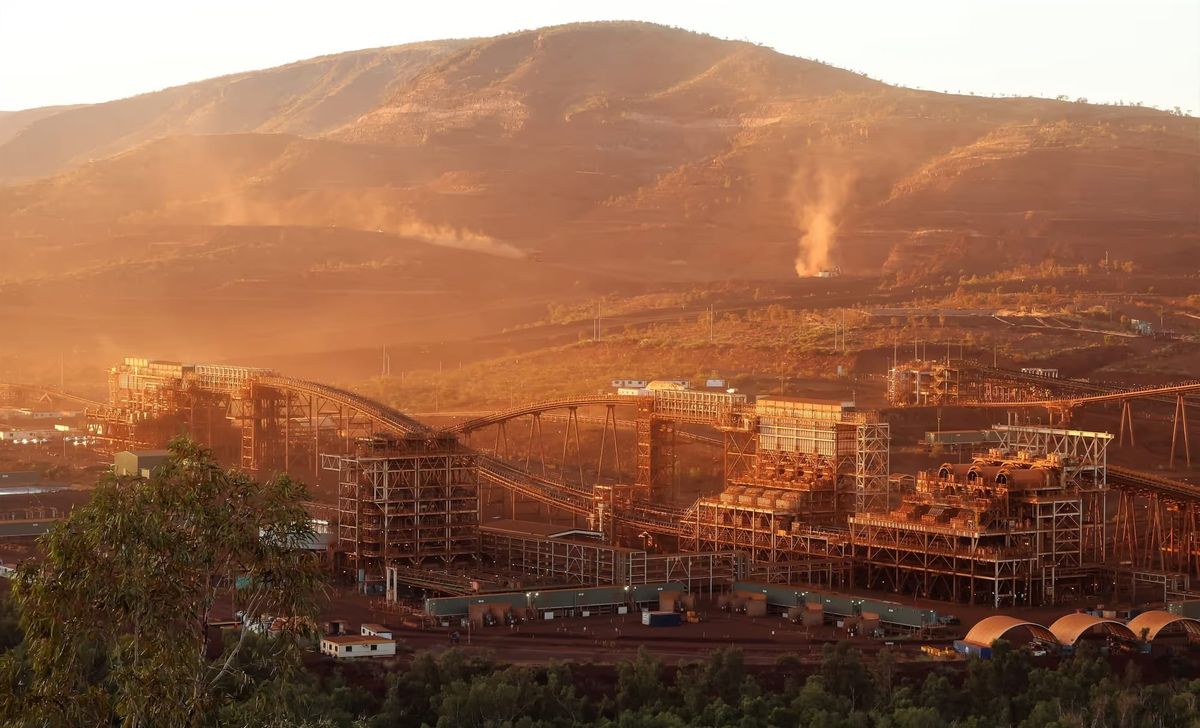
Iron ore giant Fortescue has been ordered by Australia’s Federal Court to pay AUD 150 million (USD 107 million) in compensation to the Yindjibarndi Ngurra Aboriginal Corporation (YNAC) for cultural losses caused by its mining operations on Yindjibarndi land in Western Australia’s Pilbara region. The award is reportedly the largest court-ordered native title compensation payout in Australian history.
The ruling, delivered by Justice Stephen Burley on Tuesday, found that Fortescue’s activities at its Solomon Hub iron ore mine had proceeded without the consent of traditional owners and caused serious harm to their culture and Country. The court assessed cultural losses at AUD 150 million (USD 107 million) and economic losses at AUD 100,000 (USD 72,000) plus interest.
In his judgment, Burley described the Yindjibarndi people’s connection to their land as “deep and visceral,” and concluded that “significant damage has been done to Yindjibarndi songlines and other areas of cultural heritage.” The compensation for cultural loss is intended to address the diminished ability of Yindjibarndi people to maintain spiritual connections to their land.
Since mining began at Solomon Hub in 2013, Fortescue has generated approximately AUD 80 billion (USD 57 billion) in revenue from iron ore extracted on Yindjibarndi land. The Yindjibarndi received no royalties, having declined to sign an agreement with the company; the project proceeded regardless.
According to the court, 240 sites that Fortescue itself had classified as “heritage sites” had artifacts removed and stored remotely, with the Yindjibarndi denied access. Burley found that 124 of those sites had been completely destroyed, and the mine’s footprint also placed more than 135 square kilometers of Yindjibarndi Country out of the community’s reach, fenced off as “too dangerous to enter” due to open-pit mines, rail infrastructure, tailings dams, and waste dumps.
The compensation order follows nearly two decades of legal conflict. The Yindjibarndi first asserted their native title over the area in 2003. In 2017, the Federal Court recognized that they hold exclusive rights to it, and Fortescue’s subsequent attempts to overturn that determination were dismissed in 2019.
In 2022, YNAC filed a native title compensation claim seeking around AUD 1.8 billion (USD 1.3 billion): AUD 1 billion (USD 717 million) for cultural damage, AUD 678 million (USD 486 million) for economic loss, AUD 112 million (USD 80 million) for social disharmony, and AUD 35 million (USD 25 million) for the destruction of sites. The final award falls well short of the sum YNAC sought, but is nearly three times the previous record native title payout, set in April in a case against Glencore’s McArthur River Mine in the Northern Territory.
In a statement two days after the ruling, YNAC chief executive Michael Woodley said the result had not met the community’s hopes, indicating the possibility of an appeal. “The headline amount that the court arrived at is unsatisfactory in the context of what has been lost,” he said.
Kalani Ko is an editorial intern at ArtAsiaPacific.