News
Raghu Rai, 1942–2026
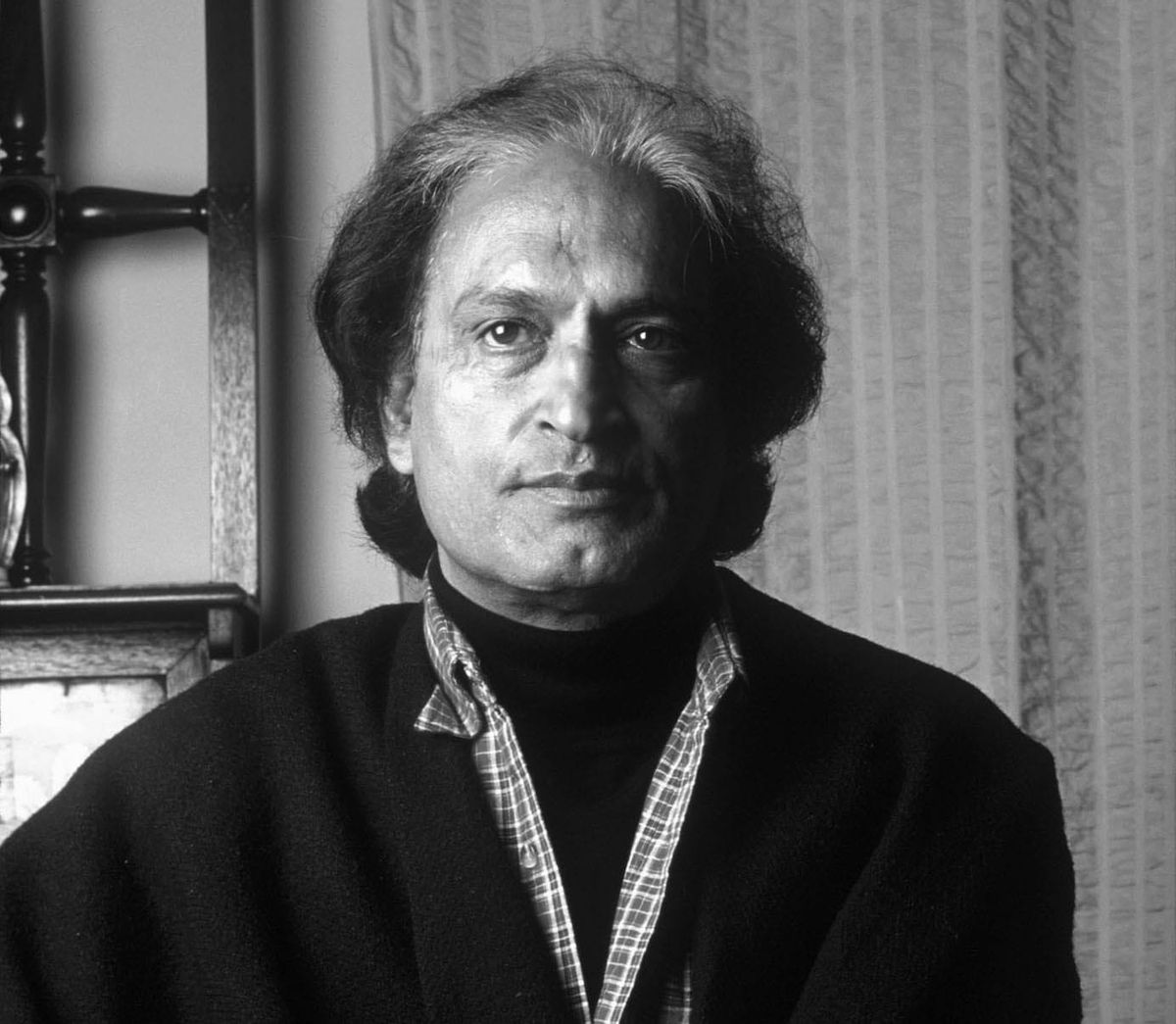
Indian photographer Raghu Rai died in New Delhi on April 26, aged 83, following a two-year battle with prostate cancer. Widely regarded as the country’s most celebrated photojournalist, Rai leaves behind a body of work that has shaped the landscape of Indian photography and influenced generations of practitioners.
Born in 1942 in Jhang, a village in British India that became part of Pakistan following the 1947 partition, Rai picked up photography in the early ’60s, inspired by his elder brother. After winning a weekly competition run by London’s The Times in 1965 with a photograph of a baby donkey, he moved to Delhi and served briefly at the Hindustan Times before joining The Statesman in 1966, where he spent more than a decade as chief photographer. He quickly gained recognition for his raw, intuitive, and empathetic approach: in 1968, he held his first solo at New Delhi’s Shridharani Gallery, followed by a major presentation at Gallery Delpire in Paris in 1972. Impressed by the Paris exhibition, Henri Cartier-Bresson nominated Rai to Magnum Photos, and he joined the agency as its first Indian member in 1977.
With a keen eye for both the monumental and the mundane, Rai continued to document India for the next five decades, capturing everything ranging from major political events, such as the 1971 Bangladesh Liberation War—his coverage of which earned him the Padma Shri, India’s fourth highest civilian award, in 1972—to intimate portrayals of daily life, such as Commuters at Churchgate Station (1995), which shows a man reading peacefully as hundreds of pedestrians rush past. He also photographed public figures including Mother Teresa, the Dalai Lama, and Indira Gandhi. One of his most significant bodies of work stems from his visual reportage for The Times of India of the fatal 1984 Bhopal disaster. Burial of an Unknown Child (1984), for example, depicts a young boy, dead and partially buried in debris, among the victims of a toxic chemical leak that claimed an estimated 25,000 lives and severely affected 500,000 people.
Rai’s work has been compiled into over 30 books and featured in major international outlets. In 2010, he founded the Raghu Rai Foundation for Arts and Photography in New Delhi to archive his oeuvre and support Indian photography through publications, workshops, and grants. He was awarded the Order of Arts and Letters by the French Ministry of Culture in 2009.
Following his passing, tributes have poured in from across the globe. Magnum Photos wrote in an obituary: “With a profound compassion and humanity, Rai dedicated his life to photographing the world around him and the elusive passage of time.” The agency concluded with a reflection from Rai delivered during a masterclass for National Geographic India last year: “Your response should come from your heart, because your heart is you. That is being original. And if your heart gets touched by a movement or a specific thing happening, it will touch other people’s hearts.”
Rai is survived by his wife, Gurmeet Rai, his son, Nitin Rai, also a photographer, and his daughters Lagan, Avani, and Purvai.
Emmanuelle Richter is an editorial intern at ArtAsiaPacific.