Issue
Inside Burger Collection: Drawing Connections: A Conversation with Olivia Shao and Monique Burger
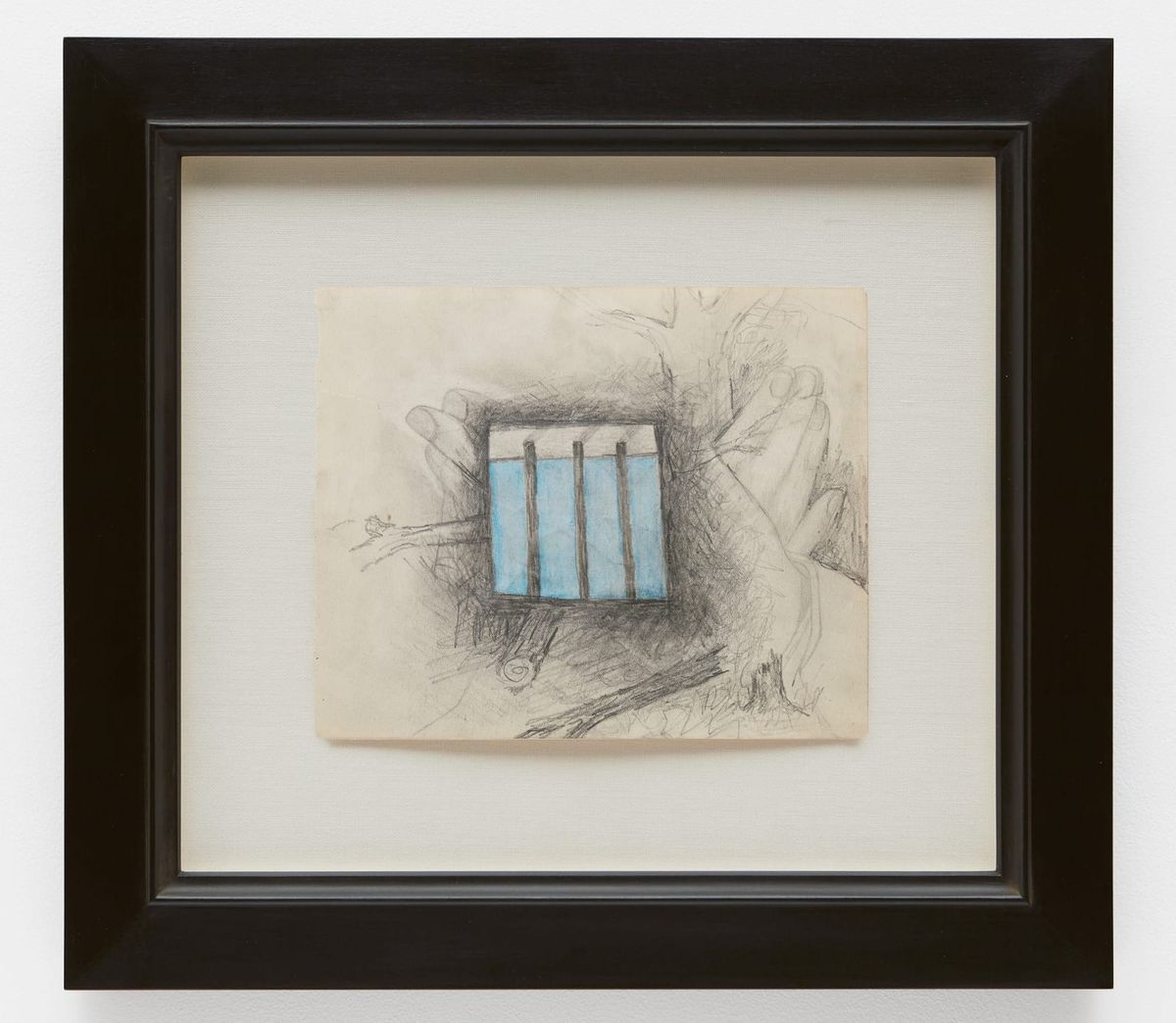
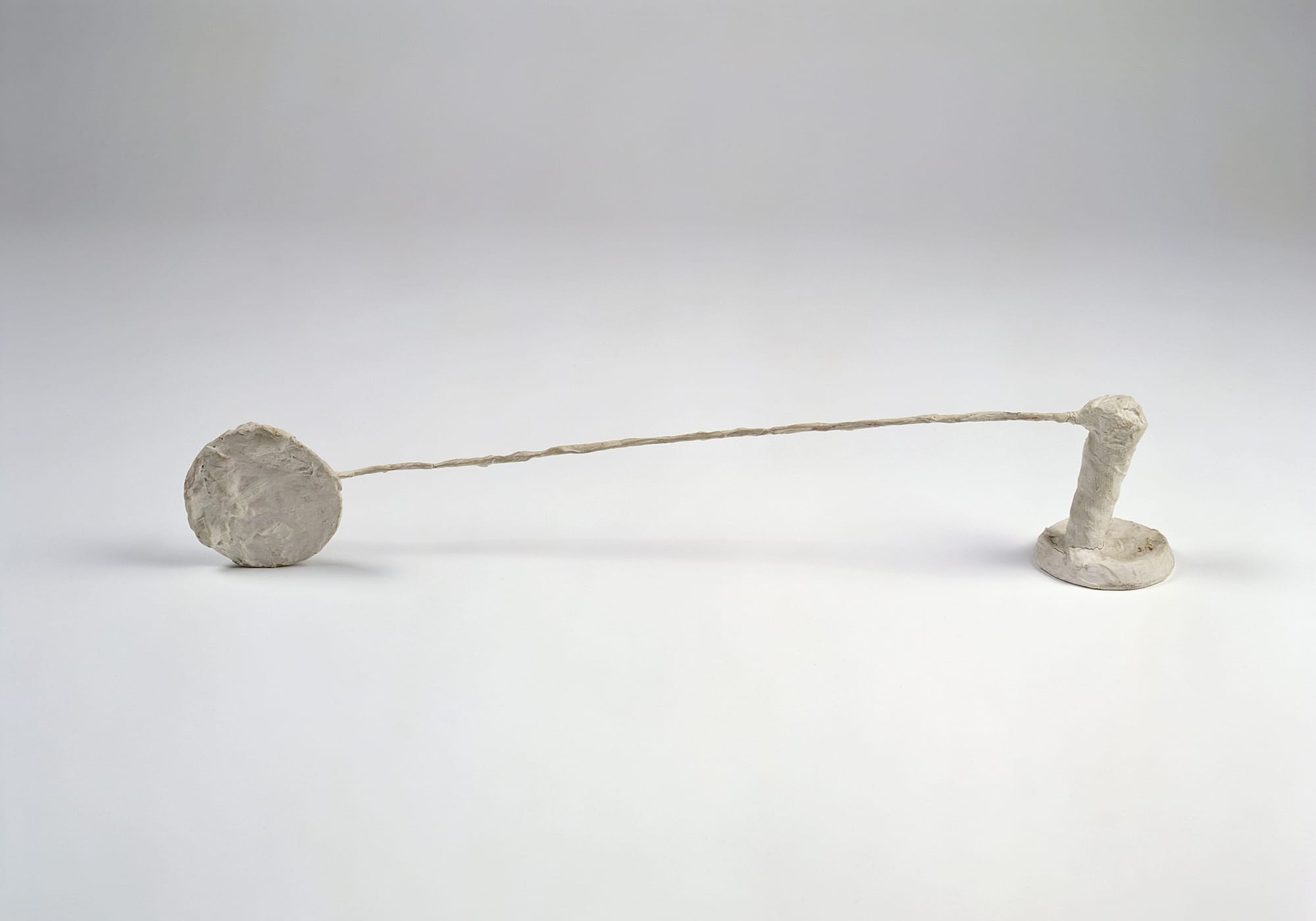
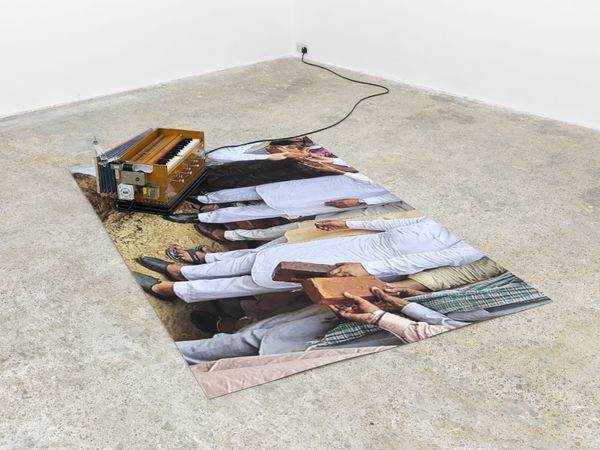
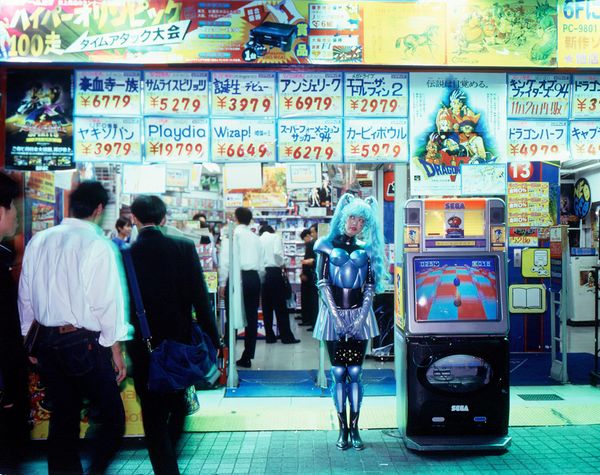
“Form, Shadow, Motion: Selections from the Burger Collection,” an exhibition featuring works from the 1960s to today, will open at The Drawing Center in New York in October before traveling to the Asia Society Hong Kong Center in March 2027. Making cross-cultural connections between artists from Asia, Europe, the Middle East, and the US, the show draws on themes of historical time, memory, and erasure, as well as diasporic displacement and exchange. In the following conversation, the exhibition’s curator Olivia Shao, and Monique Burger, co-founder of the Burger Collection, discuss “Form, Shadow, Motion” together with art historian Annie Ochmanek.
Annie Ochmanek: Olivia, what were some of the starting points for this exhibition? What ideas or throughlines shaped your selections?
Olivia Shao: It has been thrilling to delve into such a personal, inspiring collection. Monique and her team have been so supportive and generous throughout the entire process. It began with a close, comprehensive exploration of the collection—approaching each work with the idea that no stone would be left unturned. Several themes began to emerge between the artworks, and I started researching each of the artists’ practices and histories more deeply. It was also a privilege to spend time with Monique looking at the works in person in Zurich—it was like time travel, hearing her stories and memories connected to each piece, and what first drew her to them.
AO: The exhibition is drawn entirely from the Burger Collection. In that sense, this project combines both of your curatorial viewpoints and is a form of collaboration. Monique, what principles tend to guide your collecting approach?
Monique Burger: It’s mostly about falling in love with objects and ideas. Once that happens, I’m always keen to collect an artist’s work in depth and see how their practice evolves. There are a lot of connections between artists in the collection. Some of them happened naturally; others were carefully planned, in terms of conceptual or other kinds of links that you really only see if someone as thoughtful as Olivia is given the chance to work them out, establish new ties, and undo others. I want to keep our collection dynamic and open. That’s also why we have a website that functions like an archive.
AO: Olivia, your exhibitions have often drawn on literary or interdisciplinary sources for their conceptual basis. Are there any particular texts or concepts you have been thinking with recently?
OS: The exhibition explores Eastern thought and Western philosophy as a starting point, while also using Hong Kong and New York as points of reference and departure, and responding to the physical location of the exhibition spaces—The Drawing Center in New York and the Asia Society in Hong Kong.
I admire the writing of Yuk Hui, who compares so-called Eastern and Western philosophical approaches in relation to art, technology, and culture. His book Art and Cosmotechnics (2021) is a source of inspiration, as well as Heidegger’s televised 1963 interview with a Buddhist monk named Bhikku Maha Mani, which centers around the tensions, similarities, and differences between their modes of thinking. Heidegger’s writing has been of interest for years; he’s also one of the few Western philosophers who have acknowledged Eastern thought.