People
Ole Scheeren’s Róng Museum: From Tech‑City to Cultural Capital
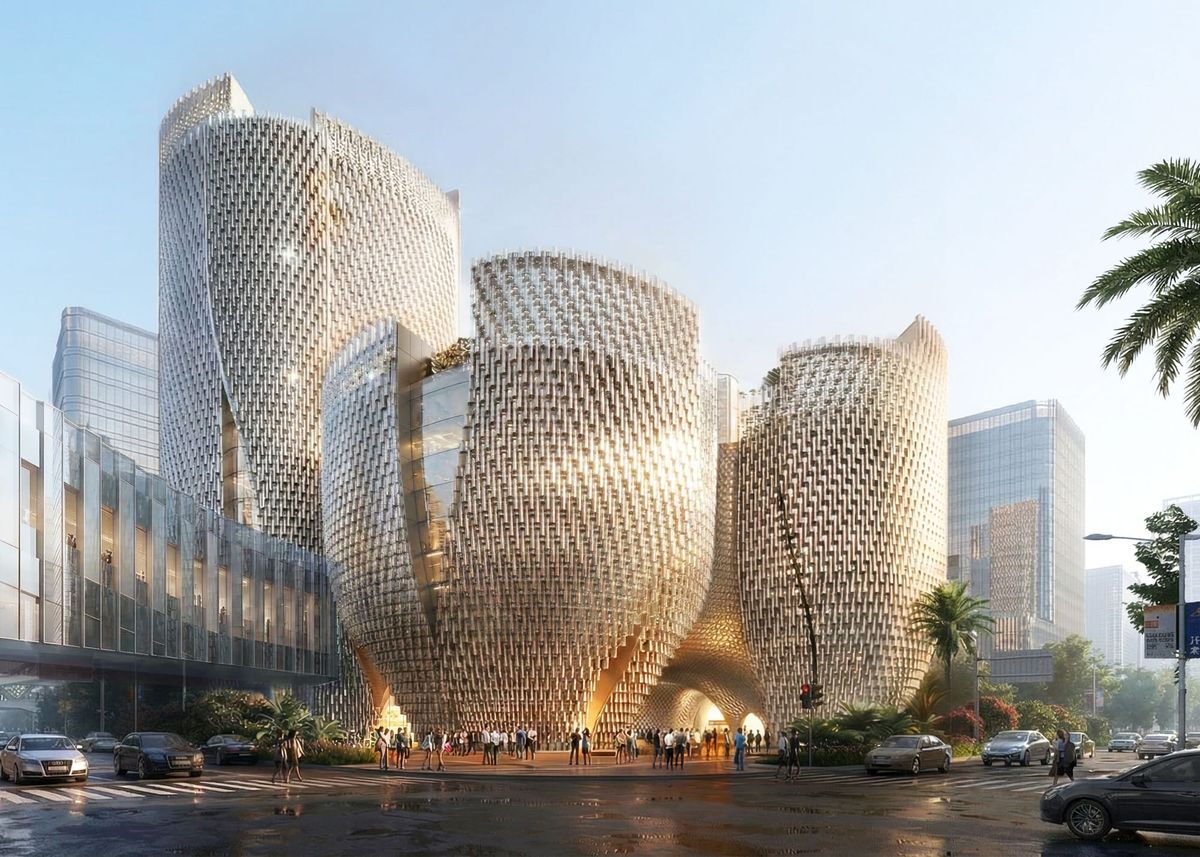
A mere two decades after breaking ground on the visionary design of Beijing’s awe-inspiring CCTV headquarters—a dizzying, Escher-esque marvel that captivated the world and sparked fierce local debate—trailblazing German architect Ole Scheeren has continued to reshape Asia’s skyline. His boundary-pushing creations seamlessly fuse bravura with social aspirations. The Róng Museum of Art, an intricate, beehive-like structure slated to open in 2027 within Shenzhen’s Houhai Hybrid Campus, heralds Scheeren’s latest cultural intervention in China’s technological nerve center. Yet it sits amid a broader portfolio of buildings that have gracefully evolved from provocative, monumental statements into more open, permeable, and community-embracing designs.
Scheeren’s breakthrough was CCTV (2012), a 234-meter loop of steel and glass in Beijing that defied vertical tower logic, earning both global acclaim and the irreverent nickname “big underpants.” In Bangkok, MahaNakhon (2016) reimagined the skyscraper as a pixelated spiral, its terraced voids slicing into Thailand’s tallest building and turning sheer height into a textured exchange with the city. Singapore’s The Interlace (2013) rejected the isolated tower, stacking 31 apartment blocks into a hexagonal “vertical village” centered on shared gardens and communal life. Beijing’s Guardian Art Center (2018), a perforated cube beside the Forbidden City, weaves museum, hotel, and auction house into a form that is both deferential and assertive. In Shanghai, The Axiom (2024) rises 280 meters as Yangpu’s tallest, refining the corporate skyscraper into a fluid silhouette.
In this interview, Büro Ole Scheeren’s founder discusses designing for a landscape of possibility, the growing importance of culture alongside code in China’s tech hubs, and the enduring lessons for cities found in the transformation.
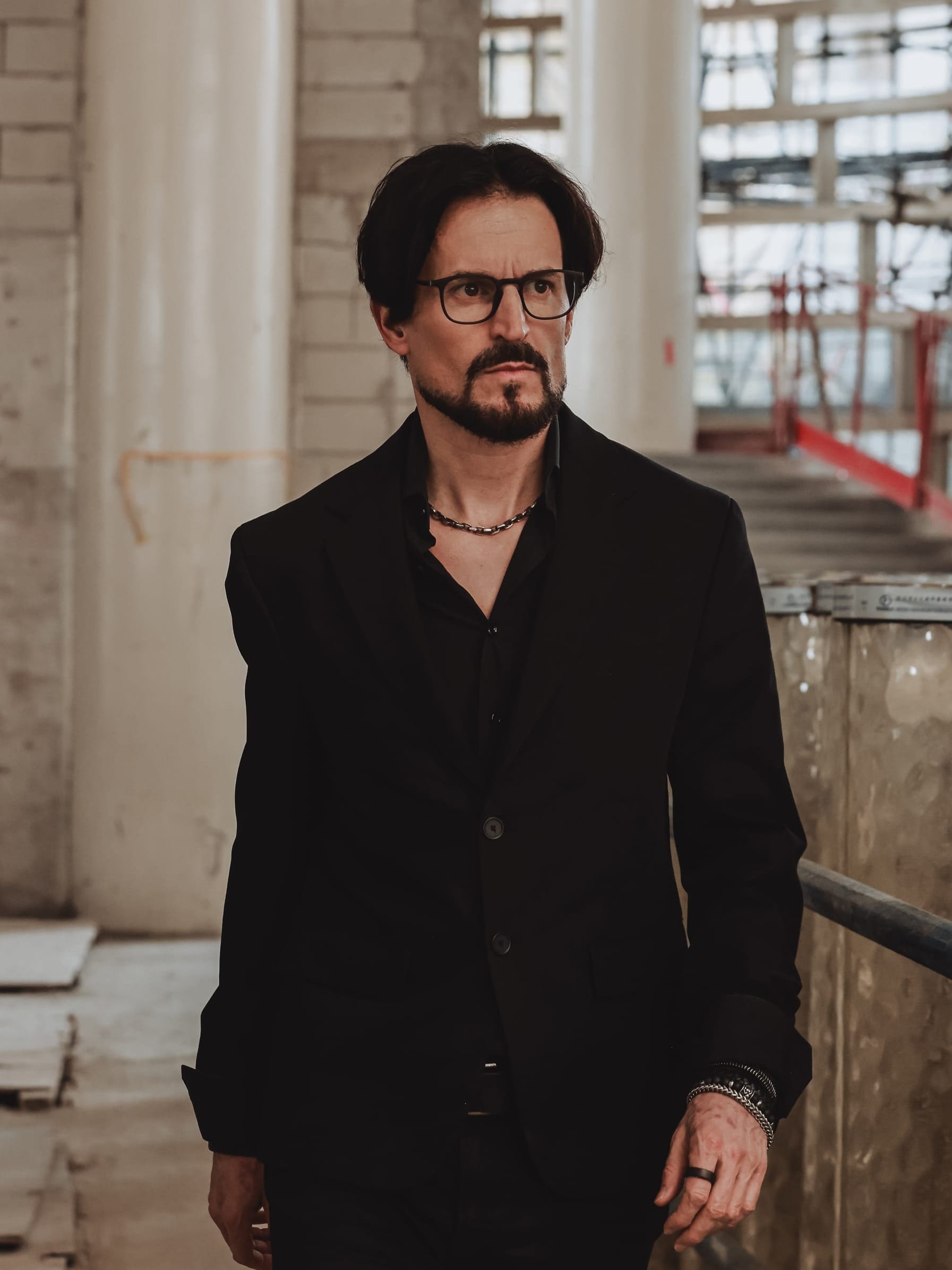
AAP: Your buildings have always treated the city as a living organism: pixelated, interlocking, almost biological. Now having seen the Róng Museum of Art in person, it feels closer to a hive, even though that comparison doesn’t quite capture it.
OS: It’s either a hive or a highly permeable substance, if you will. The core idea is that it can both attract and accommodate, letting in and absorbing the public, energizing them on many levels. This fosters interest, curiosity, and ultimately, engagement with culture across various dimensions. Therefore, I believe it would be a mistake to focus solely on a formal reading of it, as that isn’t truly at the heart of its mission.
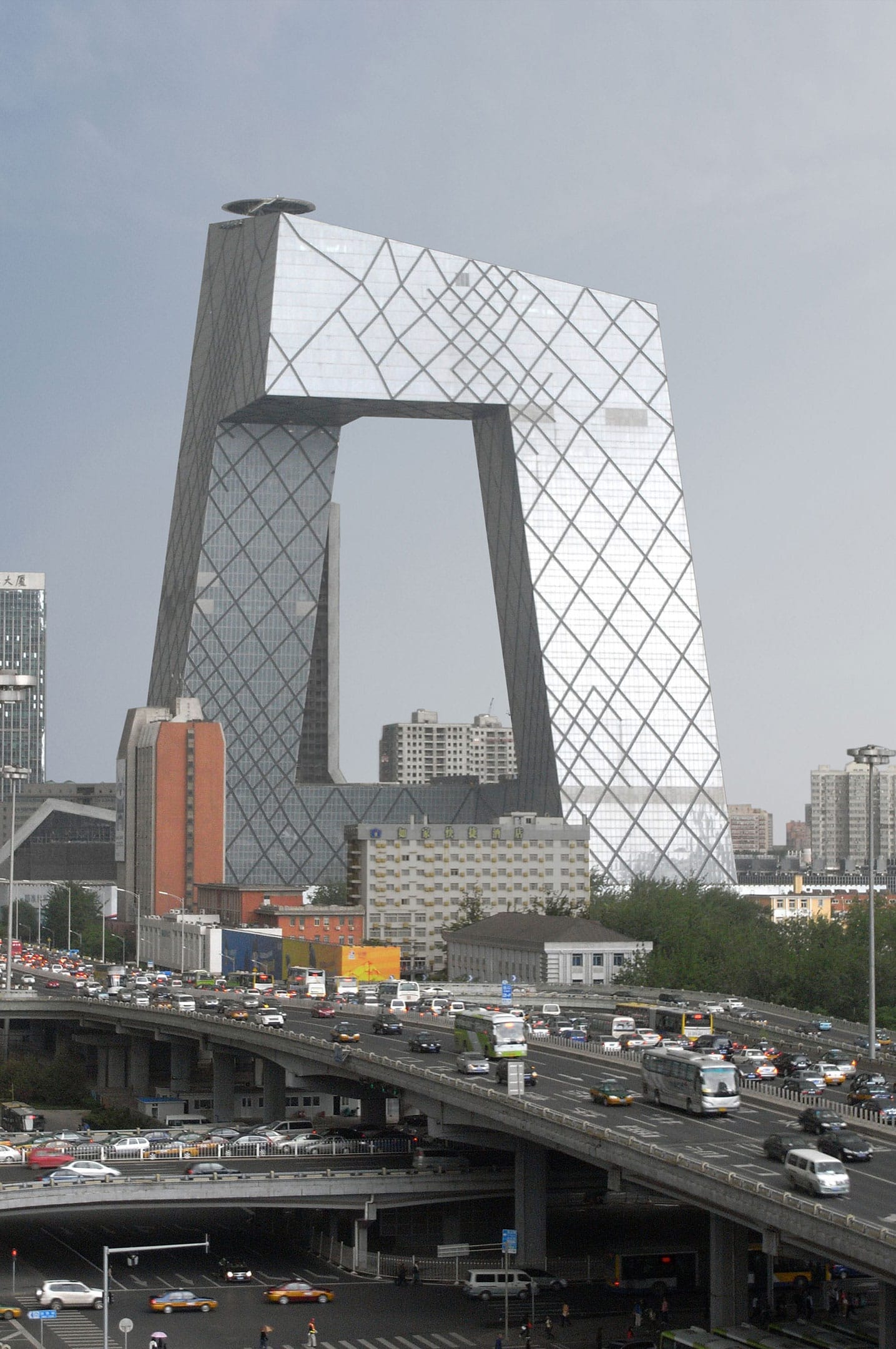
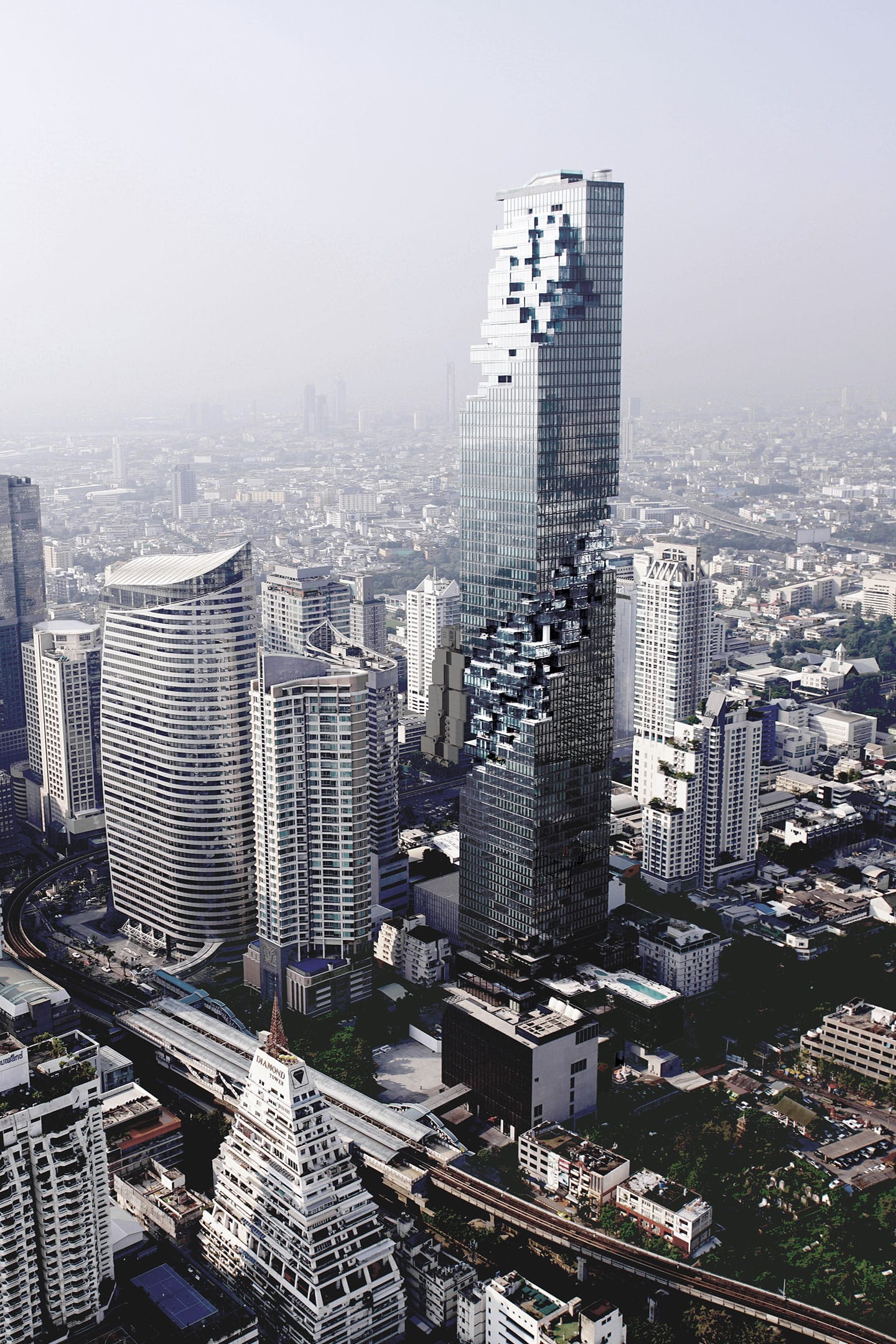
View of CCTV by REM KOOLHAAS and OLE SCHEEREN in Beijing. Copyright and courtesy OMA and Büro Ole Scheeren (left); and view of MahaNakhon by Büro Ole Scheeren in Bangkok. Photo by Wison Tungthunya. Copyright and courtesy Büro Ole Scheeren (right).
I think the issue is that when people write about something they haven’t seen, they feel compelled to be descriptive. What does this organic silhouette reveal about your understanding of Shenzhen itself: a city that grew from fishing village to tech megalopolis in a single generation, now seeking to bloom culturally beyond tech?
I think watching and, in some parts, participating in Shenzhen’s continuous self-reinvention is incredibly exciting. Perhaps more than any other city globally, Shenzhen has gone through extreme phases: from a fishing village to an emerging metropolis, and then to a sweatshop for not only the nation, but the whole planet. It moved from being a place where everything was manufactured to redefining itself as a center of design and creativity—focusing on the creative side of making, not just production. Then came another phase, positioning itself as China’s tech hub and, in some respects, a counterpart—though certainly not an equivalent—to Silicon Valley. That distinction is important. Because here, technology engages with the city in a broader way, through architecture, through shaping entire districts, and by taking on a civic responsibility that goes beyond simply producing the latest gadget or interface. It’s powerful and positive, making you wonder why this hasn’t happened in the West, despite its perceived sophistication and education. Here, however, we see that scenario unfolding, and I believe that the Róng Museum will be a leading and highly visible component of that development.
When you talk about the equivalents—these major tech companies, they have their impressive campuses in Stanford, the Bay Area, Seattle, but you rarely hear a word about community or culture—perhaps only for their own staff. But beyond that, there’s very little engagement.
Exactly—it’s all internal, self-focused, almost self-referential. What’s different here is that it opens up a more positive perspective. As these companies grow larger and more powerful, you must ask where that concentration of power leads. If it becomes increasingly isolated or isolationist, what does that ultimately mean? Here, though, you can see openings and interfaces beginning to emerge, and that’s genuinely exciting. For me, that’s the bigger picture behind the project. It’s not just about the project itself, but about its broader implications. That's what truly motivates me.
The museum’s name, “Róng,” meaning blending or convergence, feels almost architectural in itself. How did you translate that idea into physical space?
Interestingly, the architecture actually emerged before the name. But as the name suggests, the idea is symbiotic, and over time the name and the architecture have come to reflect and reinforce one another. For me, that reciprocity is one of the most compelling aspects of any creative process. It’s rarely a simple, linear chain of cause and effect; instead, different elements spark and reshape each other. Here, there’s a dynamic exchange between architecture, programming, naming, mission, and operation—and that interplay is where something truly exciting begins to happen.
But the intention was always a museum together?
Yes, the intention was always to create a museum—one with a serious, responsible public and cultural mission. That vision was gradually refined and, after Pi Li joined, became increasingly clear and articulate.
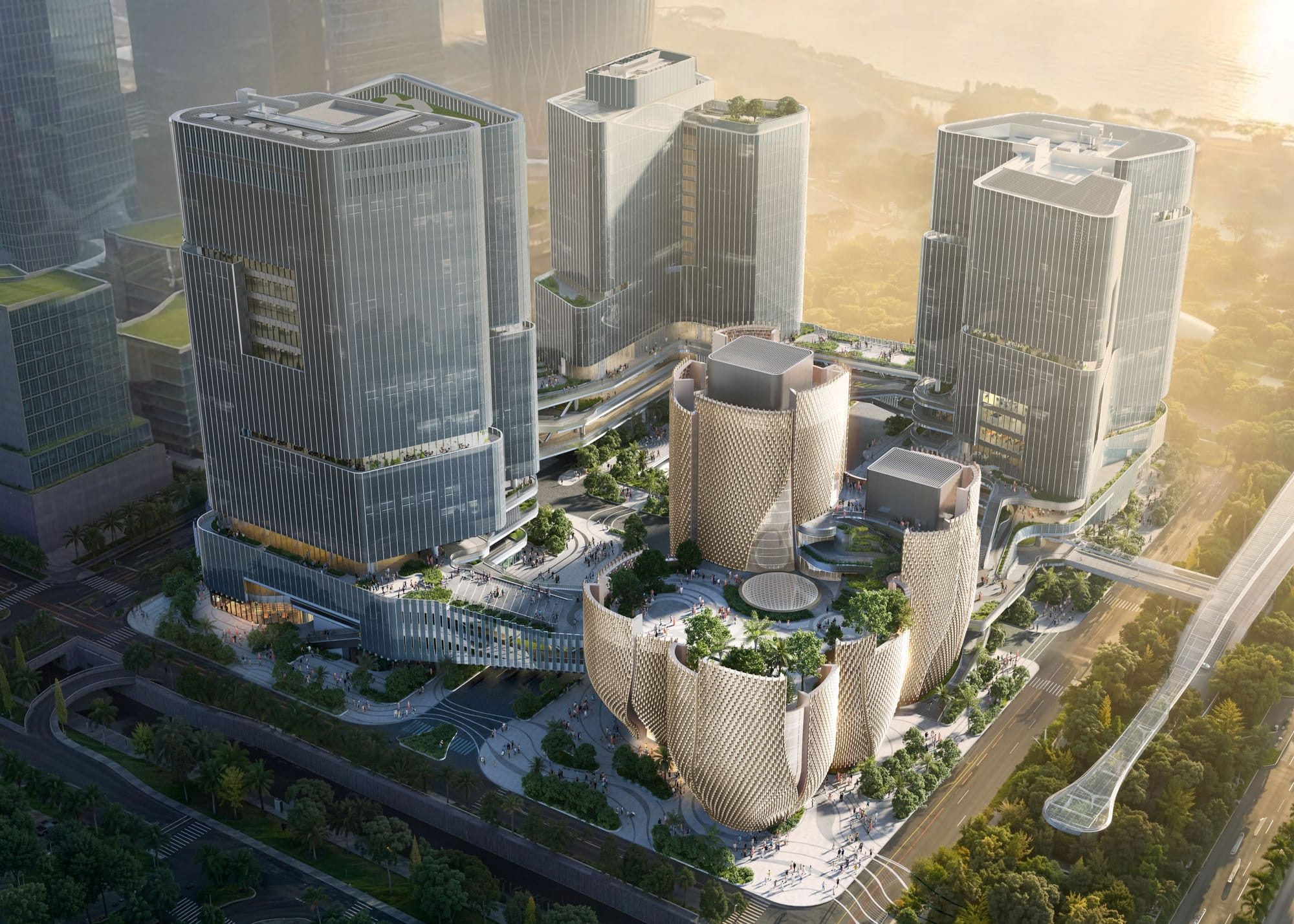
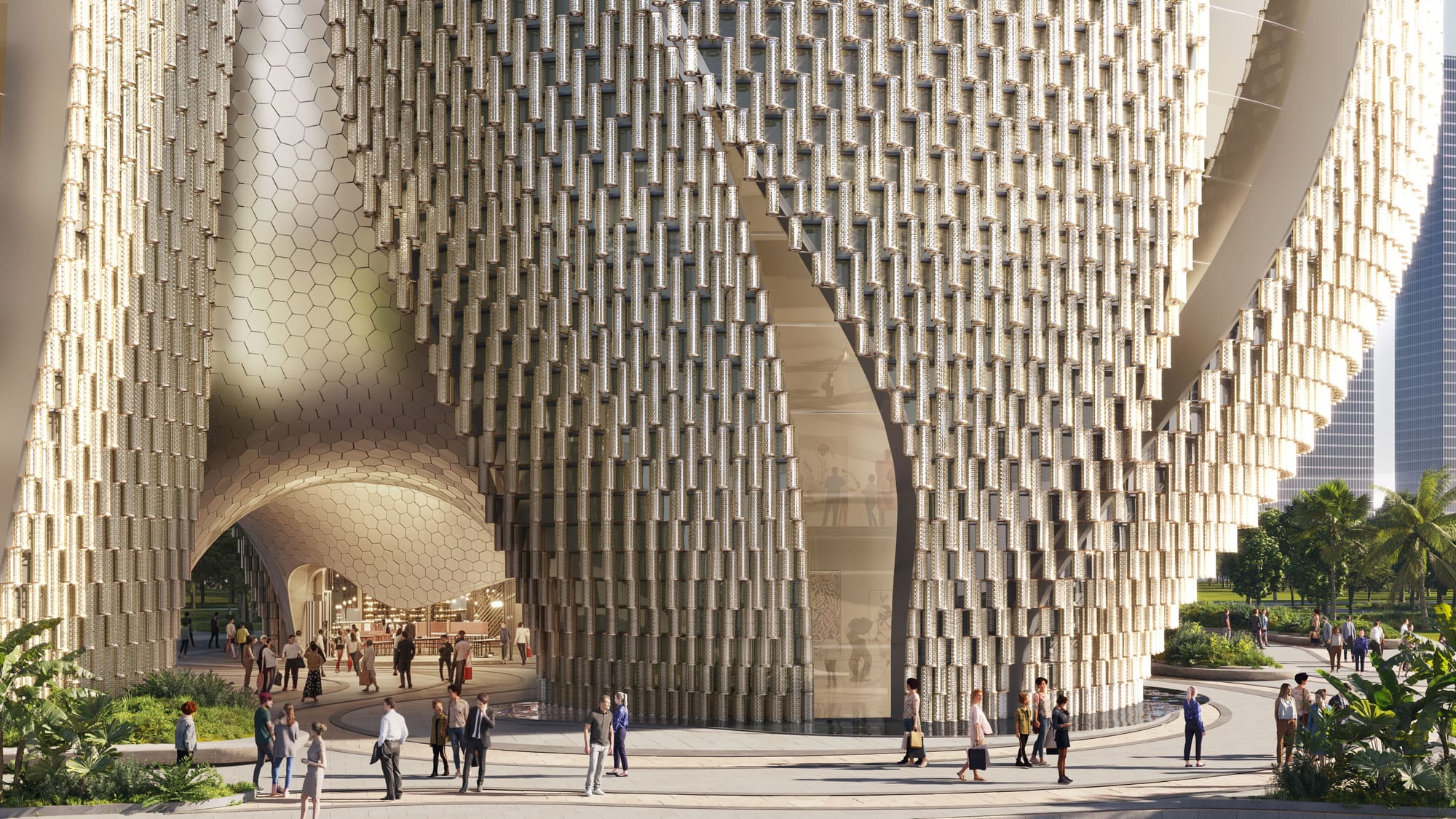
Speaking of Pi Li, he is leading Róng and came from Tai Kwun with its distinctive heritage-meets-contemporary sensibility. Although this project has been eight years in the making, long before his appointment, what role did he play in shaping your design?
We reviewed key stages along the way to discuss how the galleries could be organized and how certain elements might be developed. But the initial conception—the structural vision I described earlier—was something we had already shaped together with the client. We believed it was both right in principle and flexible enough to accommodate whatever might evolve over the following years, including the eventual solidification of the mission. The design itself wasn’t fully formed at the outset. As I mentioned, the role of this component within the broader Hybrid Campus became more and more crystallized over time. It emerged through ongoing dialogue. It wasn’t a case of one thing coming first and then the other; rather, the campus came first, and from it grew increasingly specific ideas about what needed to be included to fulfill its larger role and mission. That, to me, is one of the most compelling aspects of the project—it didn’t begin with a fixed brief and a predetermined answer.
It really developed in an organic, flexible way. In many respects, it mirrors what it’s like to work in China—or in Asia more broadly. As you’re saying this, I find myself wondering what it must have been like to be in his position, especially knowing how projects evolve here. Not everyone can handle that pace, because things can change constantly. It requires not only the patience to see a building through to completion, but also both architect and client to engage as active participants, willing to embrace the evolving process.
I’ve been here a long time. I’ve had an intense engagement with this part of the world, and I’ve been deeply committed to it. There’s a reason for that. I believe the possibilities here are real—possibilities to redirect growth, to do something that truly matters, and to contribute in a meaningful way to how the future takes shape and evolves. But being part of that also means learning a culture, continuously. I’ve been learning for 34 years, and it never stops. Even in the early days, when we began the CCTV headquarters, most Westerners were still firmly rooted at home, assuming they could simply tell China what to do. I thought that approach was completely wrong. With that attitude, we could never have built a project like that. Instead, we had to ask: how do we do this together? How do we define it together? The full story is longer, but I even wrote into the contract that the local design institute had to be involved from day one. They had to send 13 people to our office for a year, and then I would come to China with my team in return. I made collaboration a contractual condition. People asked, “What is this guy talking about?” I said, “I insist. I won’t do it otherwise.” It’s essential to the project’s success, because it can only succeed if we build it together. For me, that spirit of mutual learning—of achieving more together than we ever could alone or from a defensive position—has been the real journey.
Real knowledge sharing and generation on both sides.
It goes both ways, it really does. And when you’re creating something together, something shifts in the process. That’s what makes it so exciting.
Yes, a lot of Western companies would come to China and feel like, “Oh, they’re just stealing all our ideas.”
No one has ever stolen anything from me in China. That’s my answer—because we work collaboratively.
But you’ve heard this complaint all the time.
Of course, I still hear it—even now. It’s that old line: “There’s no copyright.” All I can say is, whatever the reason may be—and I’m sure there are reasons—we were never purely opportunistic. We were serious about the engagement, and I made it part of my life. I think that’s why, more than anything.
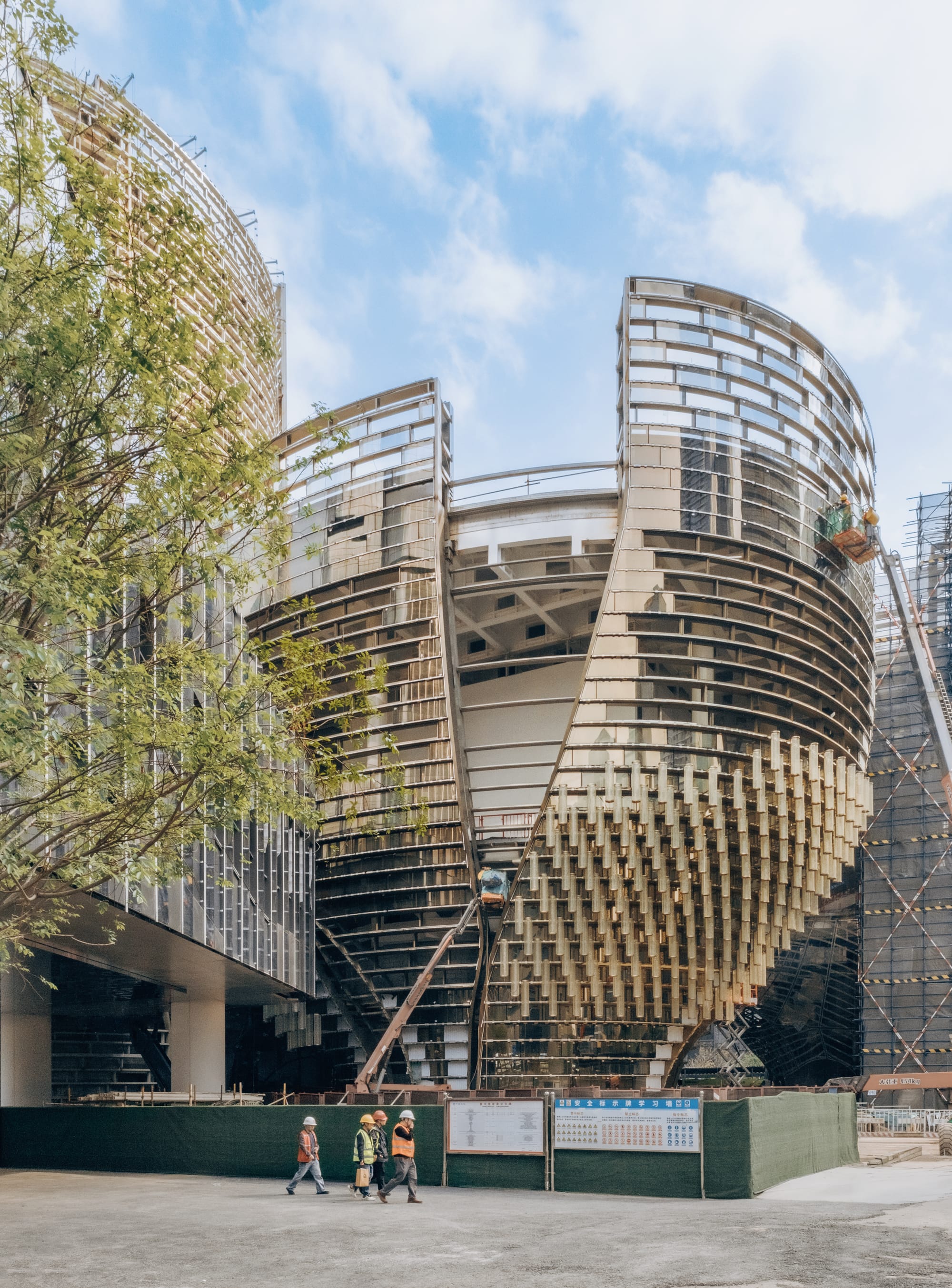
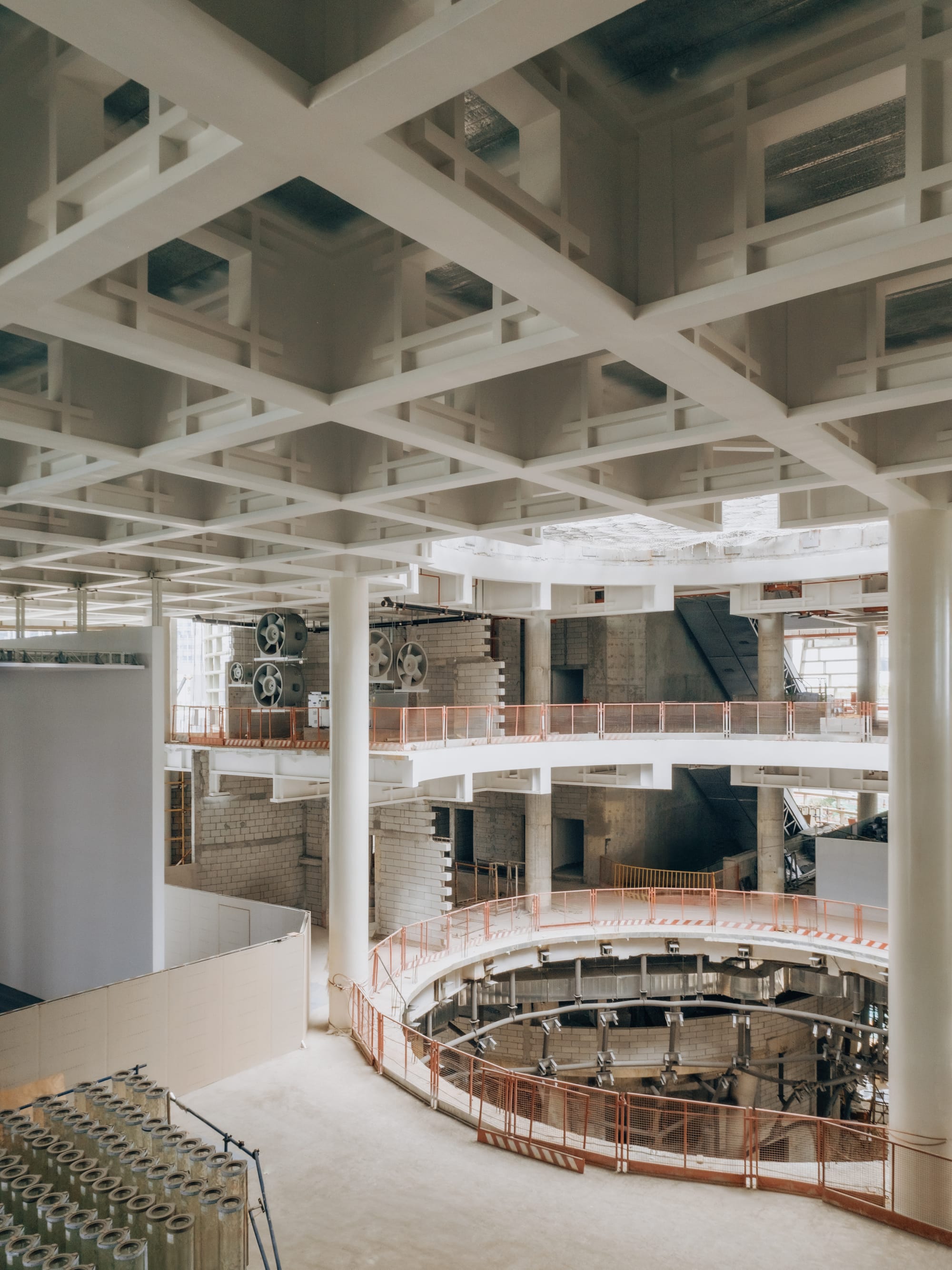
Views of the construction site of the Róng Museum of Art, Shenzhen. Photos by Zhu Yumeng. Copyright and courtesy Büro Ole Scheeren.
With its 4,500 square meters, Róng is intimate by museum standards, especially when compared to M+ in Hong Kong.
I mean, the whole building is over 10,000 square meters, but the pure museum functions—that’s the core of it. Then, as I mentioned, the pavilions on the ground are additional, as well as the museum tower above. You could include them in the total, but the museum itself is relatively intimate. It was never meant to compete with massive government projects. After all, it’s a private institution.
You mean it’s a private museum that’s open to the public for free?
No, I think it’s more than that. Many private museums exist mainly to showcase their own collections. This isn’t just about displaying something private. Its mission is closer to that of a public museum, even though it’s privately funded. That’s what makes it interesting: it’s not simply a private platform for a personal collection, but it’s not a state museum either. It occupies a distinct position somewhere in between, taking on a rather compelling role within that spectrum of possibilities.
Its mandate spans visual art, design, performance, moving image, digital media, and architecture across the 20th and 21st centuries. How do you envision a container for all of that—especially at such an intimate scale? And at what point does the architecture itself become part of the collection, rather than simply the container?
We didn’t want to retreat into a simple box as ”flexible” container. When I just gave you the site tour, we talked about the building taking on a more active role, generating curiosity and interest as an object of architecture in its own right. At the same time, it needs to intertwine with the city and the surrounding public space.
Given the complex context, the structural limitations, and all the constraints, we aimed to create something sculptural and visually engaging. Inside, though, the spaces had to be generous and adaptable enough to accommodate many different iterations and possibilities.
As you saw, the interior is quite fluid rather than segmented or rigid. It allows divisions and configurations to be introduced as needed, depending on what’s being shown. Meanwhile, the perimeter remains legible—somewhat organic—and acts as an interactive filter with the city, especially through the layer of glass tubes and the architectural strategies we developed around them. In that sense, it’s a layering of possibilities, with a highly flexible and programmable core at its center.
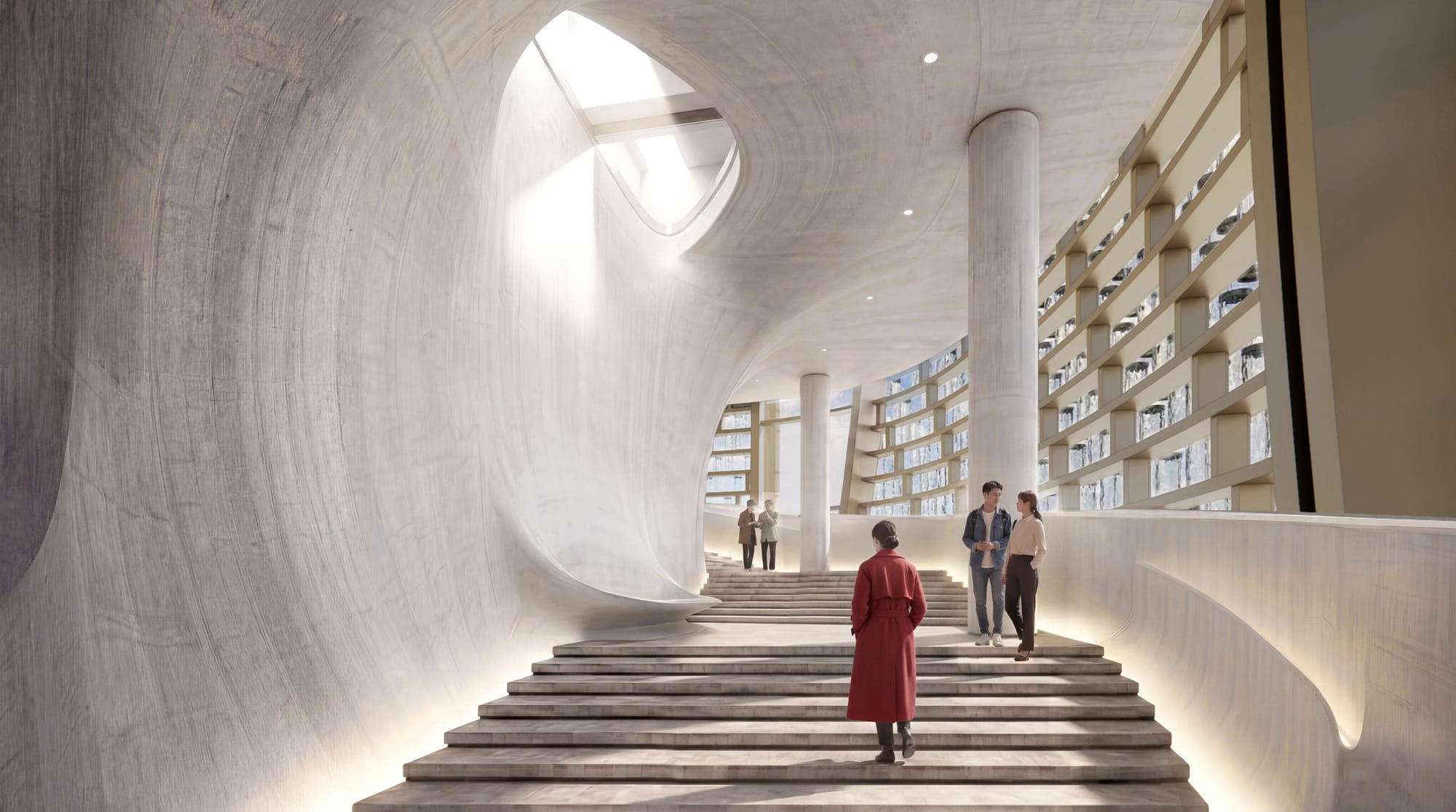
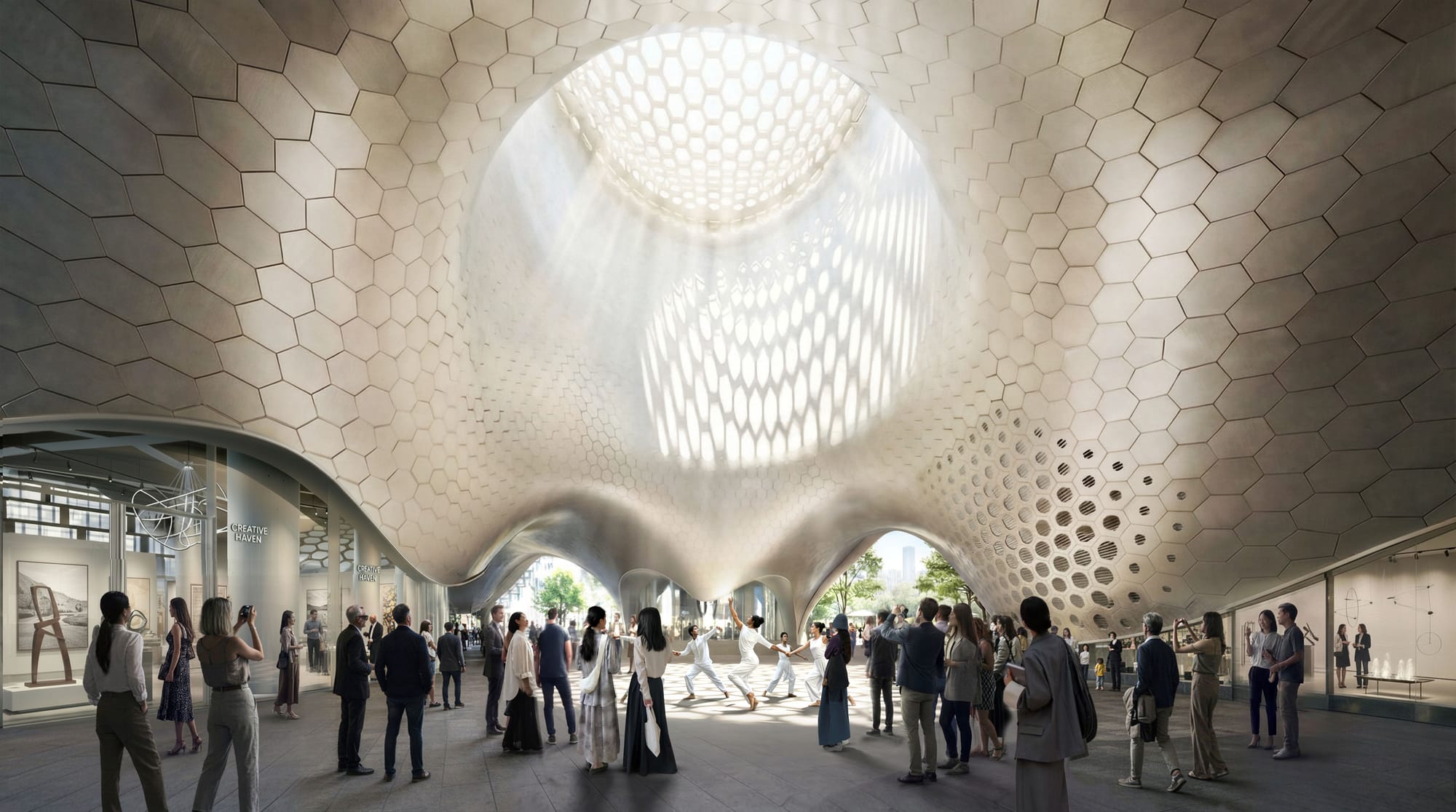
It is interesting that you came up with the idea, without knowing the kind of program that Róng would feature. For instance, in this situation it would be totally understandable if they said just digital art, no painting.
I think that’s partly a reflection of the very dynamic situation in China, where things don’t always happen in a fixed or predictable sequence. You have to work within that reality, designing in a way that’s flexible enough to respond as conditions evolve.
At the same time, you still need to make certain decisions along the way that ultimately shape the institution as a whole. In that sense, architecture can play an active role in forming what something becomes, not just accommodating it. It doesn’t only provide a literal framework; it helps define the character and direction of the institution itself. But we simply began thinking through and formulating several premises that now, I think, align very naturally with the more explicit mission.
At a time when cities often seem to prioritize spectacle over substance, how does the museum’s integration into this mixed-use campus ecosystem embody a quieter form of urban idealism—one in which culture, commerce, and daily life sustain rather than compete with one another? That’s something you’ve been interested in for years, correct?
I’m not sure one could declare the museum to be particularly quiet…
But it’s not a shopping mall or a casino, for instance.
No, if you mean it that way, then of course, it’s not about spectacle. Even if the building has a certain visual presence that serves a specific purpose, what matters more is this idea of the “hybrid campus,” as I’ve called it: the belief that different programs and activities can exist in a synergetic, even symbiotic relationship.
It’s not just a matter of assembling a bit of this and a bit of that. The intention is to create a genuinely integrated, holistic experience. I’ve always felt that way about my own work and life. People used to ask me, “You’re an architect, what are your hobbies?” And I would say, I don’t really need hobbies. A hobby is something you turn to when you dislike your job, when you need compensation. For me, life and work are intertwined. My friends are often collaborators; everything overlaps and forms a kind of seamless whole. I don’t feel the need to separate or polarize different parts of my life.
My vision of an urban structure is similar. It doesn’t have to be organized into rigid, exclusive boundaries, with functions set against one another. Of course, tension can be productive at times. But what interests me more is an overall sense of togetherness—different programs and ultimately different people, sharing a space of social interaction.
Across projects that may look entirely different, I don’t believe in a singular architectural style, whether in Dubai, Shenzhen, or Europe. There should be meaningful differences in how we respond to context. But underlying all of them is the same mission: to create environments where diverse elements come together in a productive way.
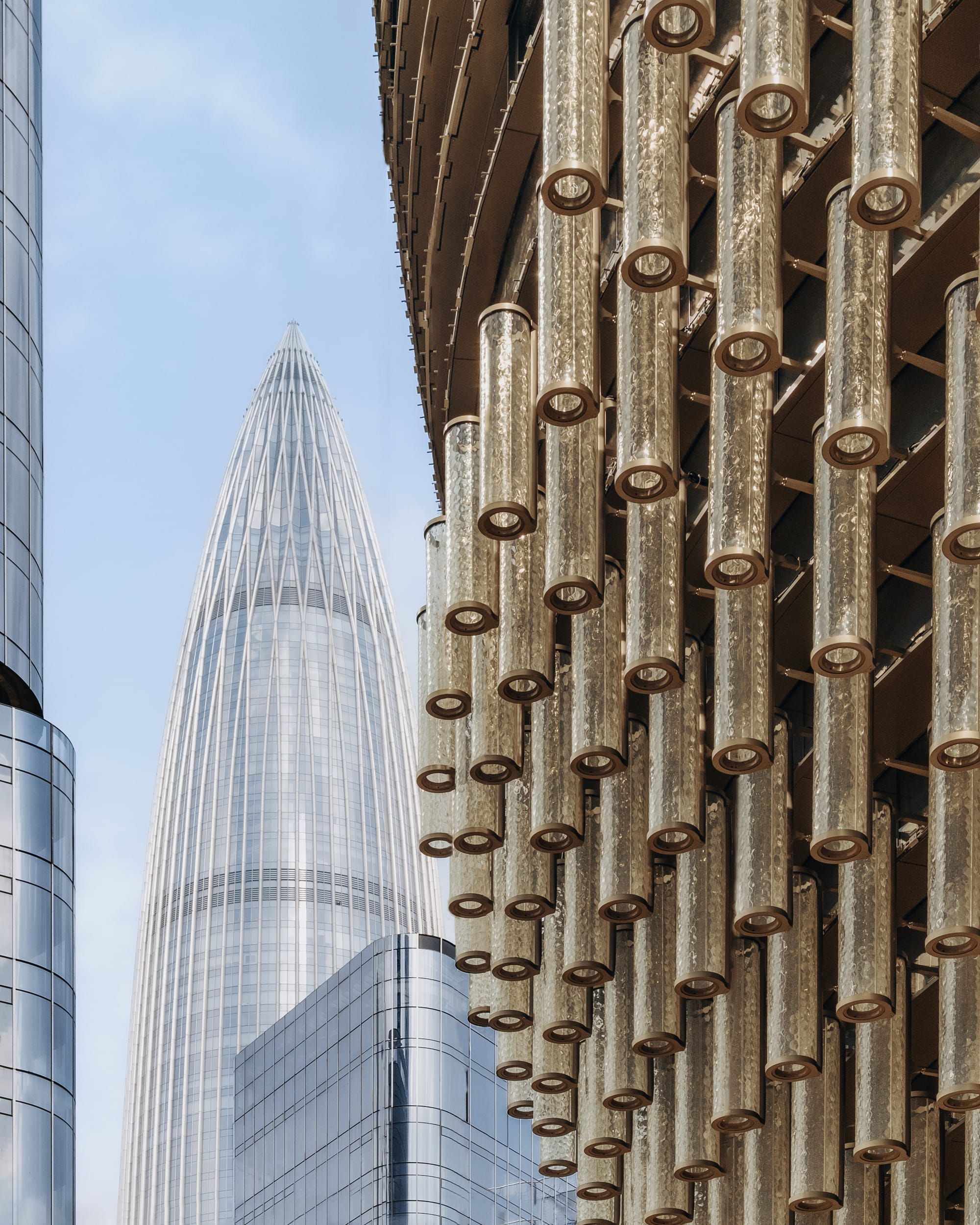
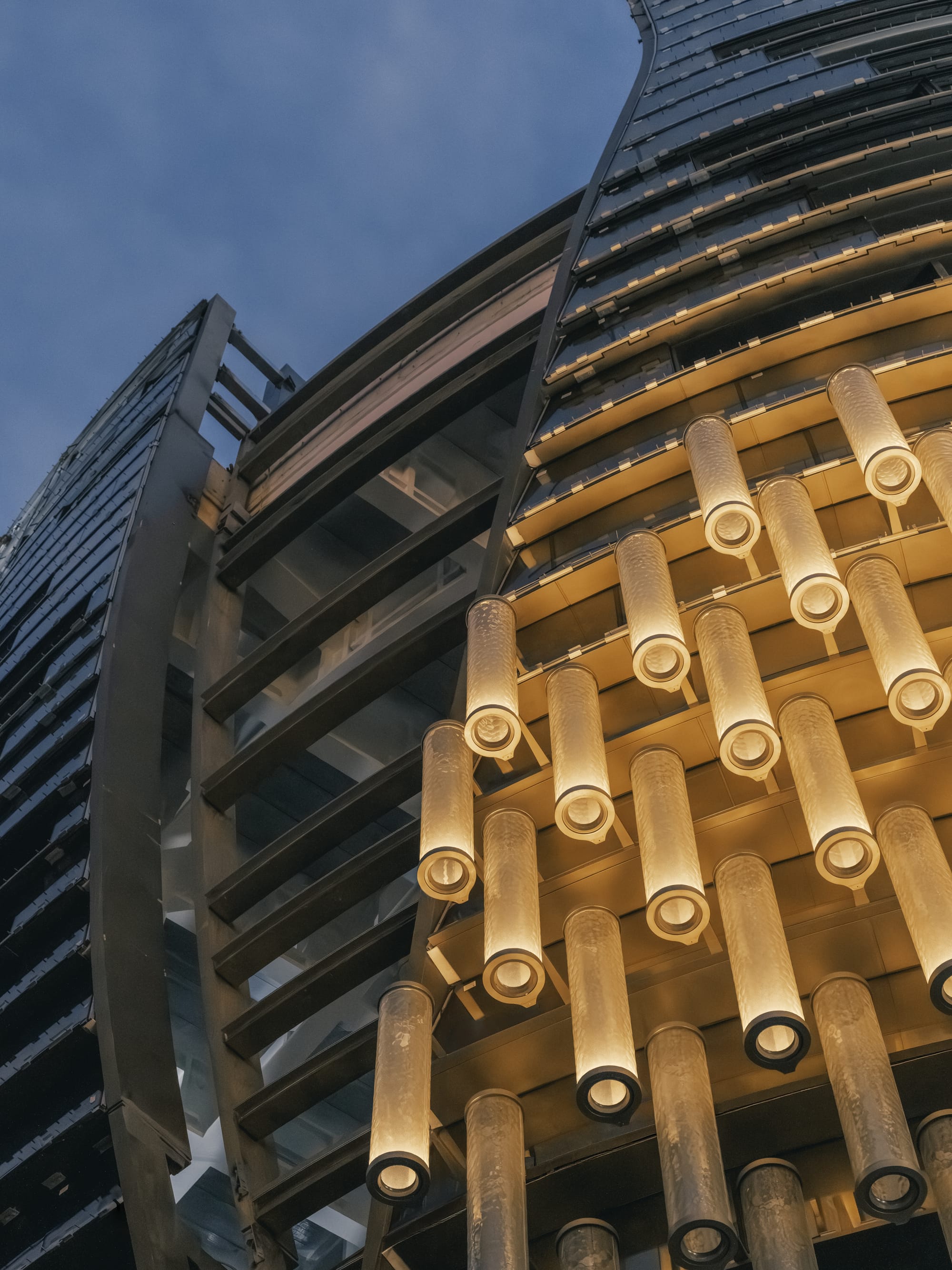
Exterior views of the Róng Museum of Art, Shenzhen. Photos by Zhu Yumeng. Copyright and courtesy Büro Ole Scheeren.
Take Abu Dhabi’s Saadiyat Island, for example. It’s largely composed of museums and luxury residential developments.
It’s really a collection of singular objects, each one standing on its own. There isn’t an overarching infrastructure that ties them together, or even much of a dialogue between them.
What I wanted to do here was different. Although the museum has a distinct visual presence, it is fully integrated into the broader campus—the hybrid campus. It’s not an isolated object, but part of a larger, interconnected system.
Shenzhen is a city that some might say grew too fast. From a fishing village to a server farm in a single generation. Here, museums might not feel necessarily about permanence. You look outside and everyone’s on their phone, multitasking while on the go—the city thrives on acceleration. The question becomes: how do you create architecture that doesn’t feel as though it’s trying to slow people down, when everything around it is moving at speed?
It’s an interesting question. In a way, you want both. You want to engage with the speed, because that speed is the prevailing reality. But at the same time, you want to offer moments, pockets where slowing down becomes possible within that condition.
That’s what I meant by allowing for a gradual form of engagement with the space, its contents, its meaning. Instead of a conventional threshold—where you move from the city’s speed, open a door, and are suddenly expected to be calm—we let the flow of public space continue into the building. In that sense, the architecture can absorb the speed of the city and its people. It lowers the resistance, the intimidation, the fear of entry. You can engage informally, almost casually.
Then, as you ascend through different layers of the building, you reach a core where deceleration can happen more naturally. And when it does, it feels earned, almost special. The experience of slowing down is connected to the notion of movement—it’s not imposed in opposition to it.
There’s a literal flow through the building at ground level. You can simply walk through, see what’s happening, and keep going. Or maybe you loop back another time from a different direction. You can head straight to the top or move gradually upward. These multiple paths create something that is playful and informal, yet capable of becoming more formal when needed.
For me, that ambiguity is important. It allows the space to connect to different conditions and different psychologies. Ambiguity is something Western culture often struggles with, but I think Chinese culture is much more comfortable with it. In that sense, the building also acknowledges a certain cultural reality—it doesn’t insist on one fixed way of using or understanding it.
This is a private museum that is public, with a public mission and tech money. Before it opens in 2027, everybody must be wondering if this another branded vanity project, or if it will actually do something wild, even radical?
The client expressed a very sincere—and I would say ambitious—desire for the project. They wanted it to be meaningful, serious, important, and truly relevant. And I think that’s precisely why it took time to define itself. It wasn’t a matter of quickly setting a brief—“Here it is, now deliver.” Instead, there was a long process of internal reflection and questioning about what they wanted this institution to be.
At the same time, we were developing the building and proposing possibilities. Through ongoing dialogue—with cultural figures and advisors as well—they gradually shaped a clearer vision.
What I appreciate most is that it went through this rigorous process. It wasn’t a quick decision to do something flashy and be done with it. There was a real commitment to substance. And I believe that seriousness forms the foundation for something with genuine long-term relevance.
Róng has a very different potential because of how closely it’s linked to the context here—the technology industry and the broader ecosystem around it. That makes it fundamentally different from a situation where you win a competition to design a large museum without anyone really knowing what it's meant to become. As I mentioned, there has been an ongoing process of questioning—of interrogating what the institution should and could be. That depth of engagement gives it a different foundation.
Continuing on the theme of private philanthropy and corporate ambition reshaping cultural patronage worldwide: as an architect who has worked across both public and private commissions, what kinds of safeguards—spatial or philosophical—did you build into the project to ensure it remains a platform for genuine inquiry, rather than simply an extension of the patron’s brand narrative?
Well, one very obvious thing—something I didn’t do, but they did—is that the museum isn’t named after Tencent. It deliberately keeps a certain distance from the company. They wanted it to have an independent, free-standing identity. That decision alone already creates an important safeguard.
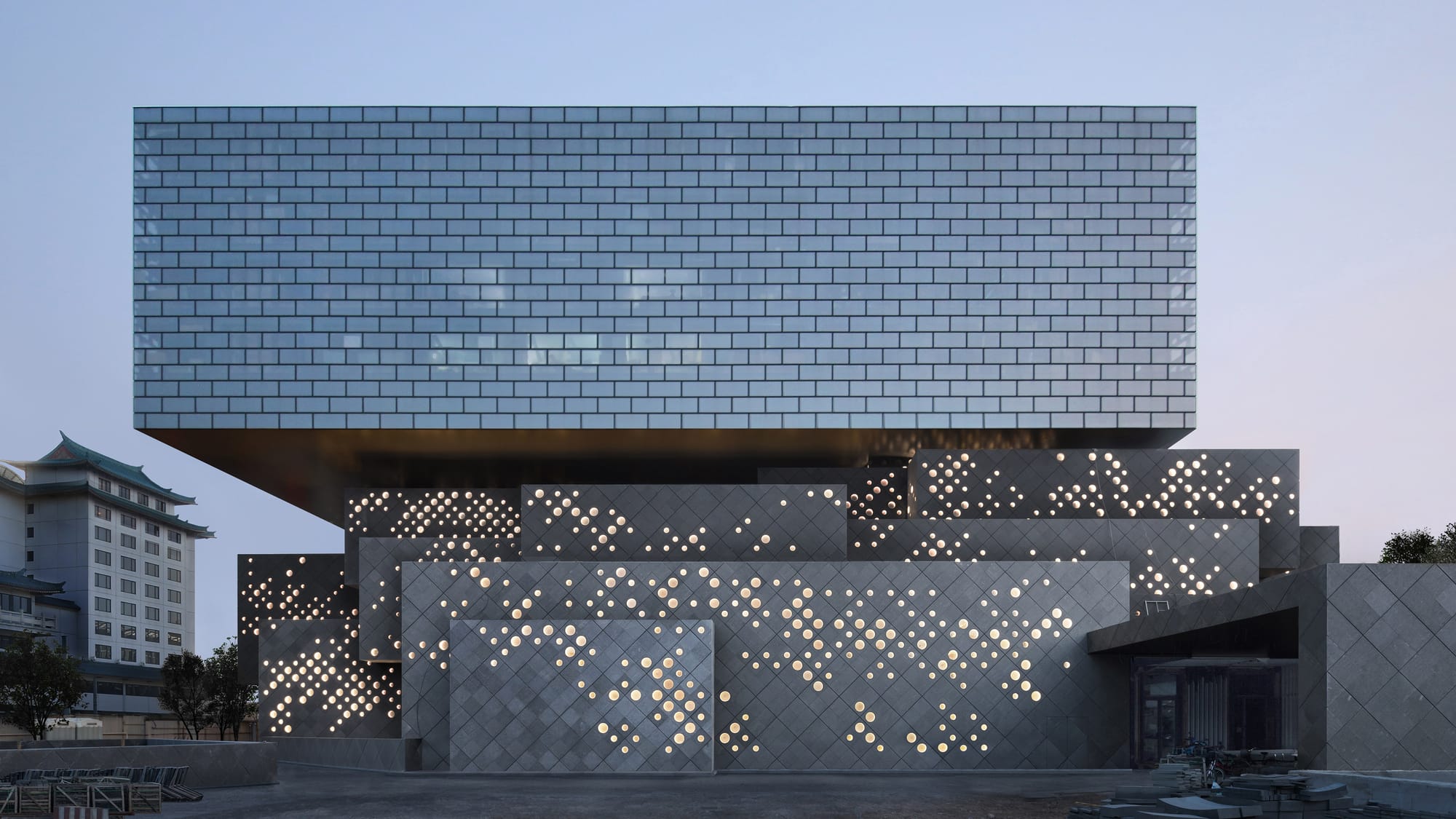
It’s not just brave, it’s admirable. In a moment when everything seems to revolve around branding, choosing not to foreground the corporate name is both principled and intelligent.
I actually just caught up with Chen Dongsheng, the owner of Guardian Auction House, last week in Beijing. We were chatting, and he told me there are many reasons he likes the building I designed for him, but one stands out. He said, “Look at this building, it will be here for a very, very long time. Companies come and go, but this building will remain.” He told me that’s precisely why it matters. And one day, the building could simply become a public museum. I found that a very striking perspective on the building we created together.
Imagine you’re giving a tour of the project to your 20-year-old self, still dreaming up wild things. Which part of the building would make him stop and think, “Wow, he actually pulled that off?” And which part might make him roll his eyes and say, “This is a bit too restrained, maybe even a little too polished?”
I think even back then there might have been the thought that pulling something like this off—realizing a commission of this scale—would be an achievement in itself. It’s still, in many ways, an ambitious and even radical project, technically and technologically. The systems are complex: the structural solutions, the microclimates, the environmental controls—it’s a highly integrated piece of work. Perhaps my younger self would have been surprised that it all came together. But then again, I haven’t quite given up on that ambition.
I probably would have said, you should never limit the exhibition space to just two floors. The entire building should function as the interface, an interactive container. It shouldn’t retreat into a purely formal, even “white wall” environment. Everything should be considered a potential site of interaction. And, as I said, I’m still holding on to that idea. I would argue that even downstairs, even in the interior spaces above, there are opportunities to activate and expand that experience. My hope is that the building won’t settle into strict or rigid boundaries, but instead begin to loosen them—to shake things up in unexpected ways. That, to me, would be the best possible outcome.
From the beginning, I was radically focused on content and interactivity; on meaning, and on how to break down boundaries. As a young architect, that was the driving force: imagining more radical forms of engagement, constantly questioning how far we could push it. And in a way, it's never enough. It should never be enough. We should always keep pushing forward.
But in many ways, you are now realizing the very thing you once set out to do.
I think I’m still deeply engaged in exactly that. Every project is an attempt in this direction. I try either to take on projects that already carry that potential, or to shape them into something that does, because that’s what keeps the energy alive.
If the form of Róng could speak to the wider world in 2027 and beyond, what single idea about the future of culture—in our interconnected, technology-saturated planet—would you want it to articulate? What do you hope this building says to the world?
I would say that engagement—social, cultural, and spatial—can be genuinely exciting. If a project manages to fuse or cross‑resonate those different dimensions, then it can become something powerful. It doesn't have to be fixed in a singular formal expression; it can take many shapes.