News
Japan Enacts Divisive Flag Desecration Law
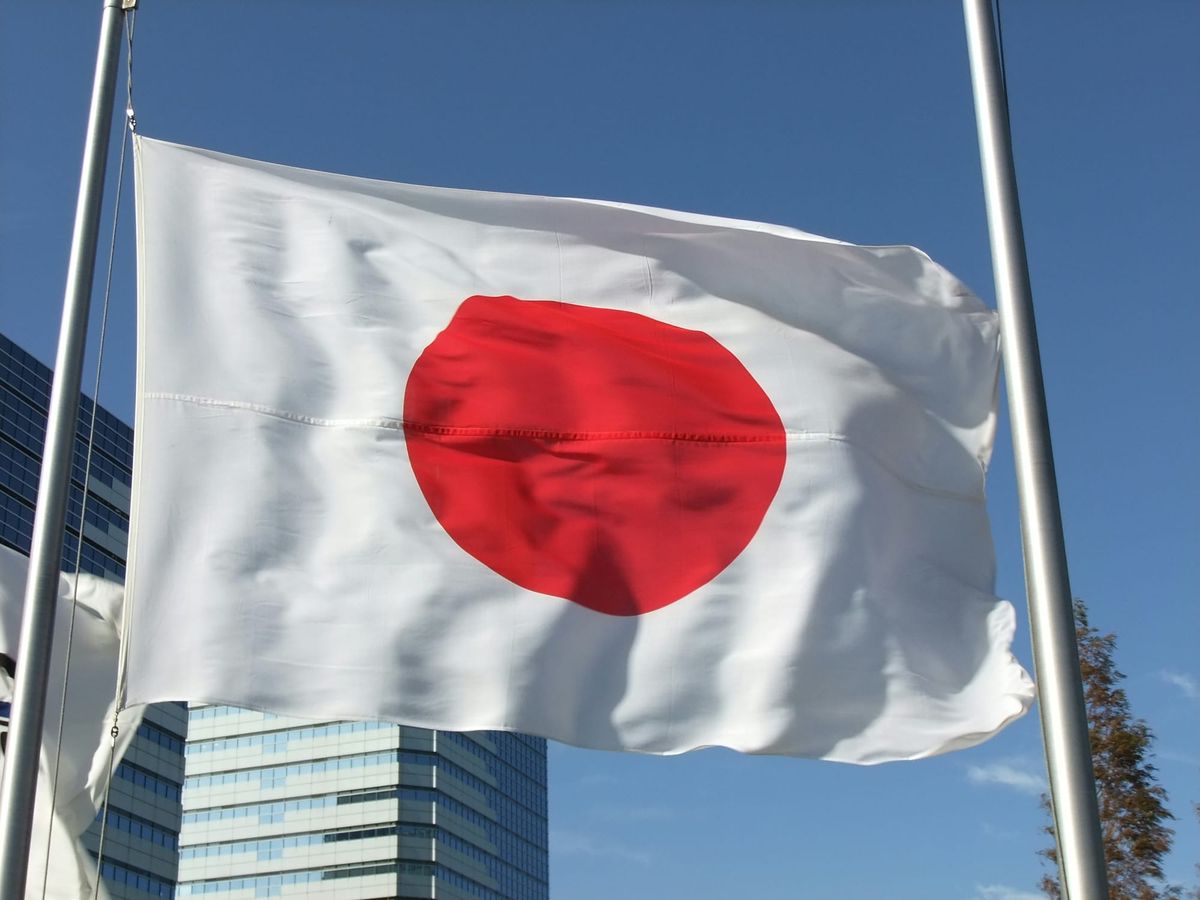
On July 17, Japan’s parliament passed a controversial bill criminalizing any form of vandalism of the national flag.
Titled “Bill Concerning Punishment of the Desecration of the National Flag and Related Acts,” or simply “Flag Desecration Bill,” the statute was jointly submitted on June 16 by legislators of the Liberal Democratic Party, Japan Innovation Party, Democratic Party for the People, and Sanseito, as part of prime minister Sanae Takaichi’s populist campaign. Intending to safeguard “public sentiment of reverence for the national flag,” it penalizes any acts of “publicly damaging, removing, or defacing” the banner in a way that “evokes significant discomfort or disgust in people,” including burning, tearing, trampling, and smirching with mud, urine, or excrement. The new measure also applies to livestreaming the destruction of the flag in a private setting, though a clause prohibiting the sharing of such content online was eventually dropped. Offenders could face up to two years in prison or a maximum fine of JPY 200,000 (USD 1,230), the same penalties imposed on anyone who profanes the national flag or emblem of a foreign state.
Prior to its approval, the bill had triggered backlash from several legal and political entities, as well as academic, cultural, and human rights organizations—among them Amnesty International Japan and the Japan Lawyers Association for Freedom—who deemed it unconstitutional. On July 9, the International Association of Art Critics Japanese Section (AICA Japan) issued a statement signed by more than 50 members denouncing the proposed ordinance, warning that it could stifle free speech, which is protected under Article 21 of the Constitution of Japan, enacted in 1947.
The flag has always been a prevalent motif in Japanese contemporary art, particularly in historic avant-garde pieces that interrogated postwar memory and identity. AICA Japan believes the bill might curtail the production and public circulation of such works. “Even a symbolic penal provision can exert a substantial chilling effect on artistic expression,” they remarked, adding that “artists may increasingly avoid using the national flag in their work, while artworks perceived to be critical of the state may be marginalized or excluded from exhibitions and other forums.” Lawmakers maintain that depicting the flag in drawings, paintings, and digital media—such as anime, manga, or video games—remains permitted.
Sabrina Hau is an editorial intern at ArtAsiaPacific.