News
Bhukhara Biennial 2027 Announces Theme and First Batch of Artists
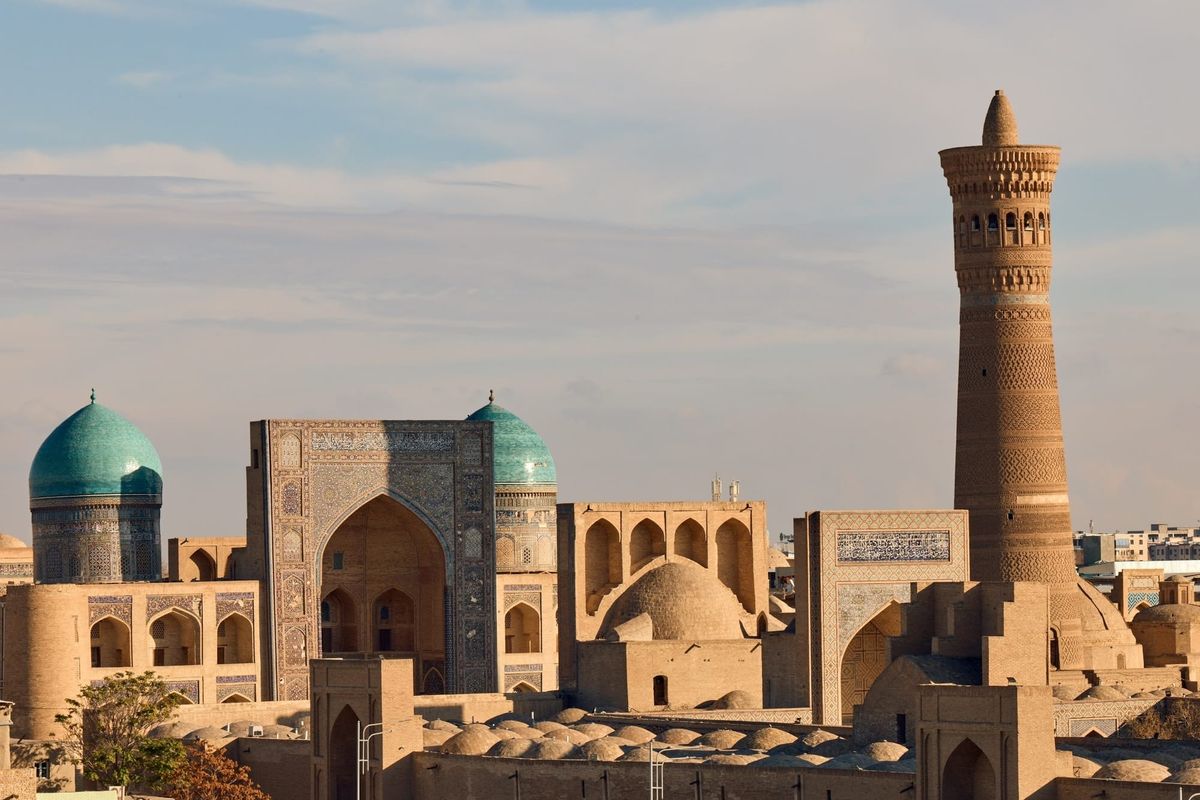
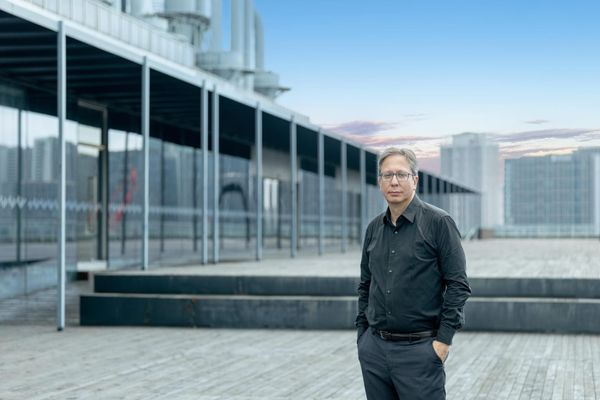
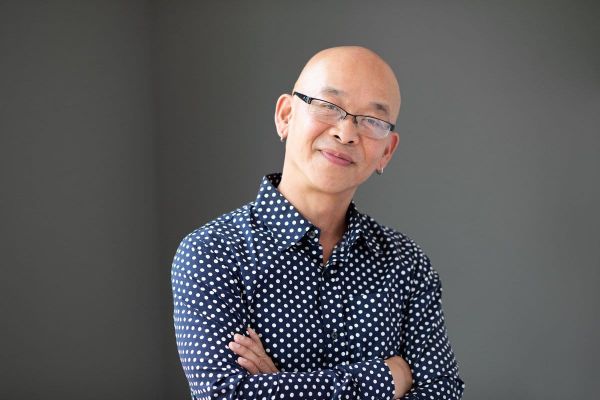
The Bukhara Biennial has revealed the preliminary artist lineup for its second edition, titled “The Long Welcome,” which is slated to run from September 3 to November 21, 2027. Directed by Thai architect and designer Kulapat Yantrasast, the exhibition will delve into the city’s historic role as a major Silk Road gateway, further drawing on Uzbek hospitality culture, which is rooted in reciprocity.
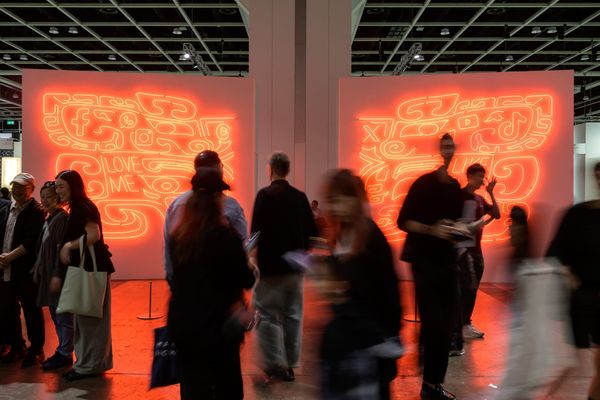
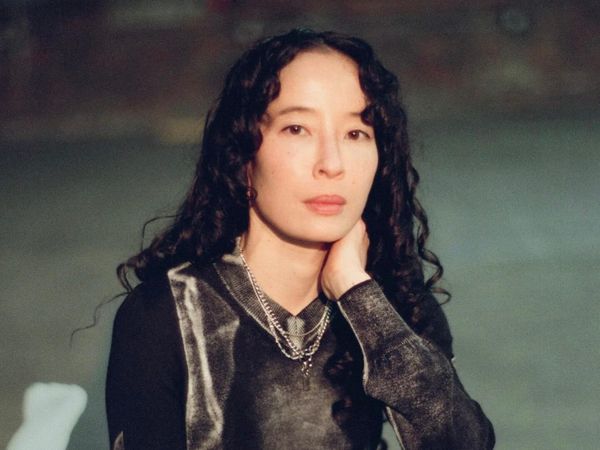
The biennial will feature a balanced selection of international and homegrown practitioners. The first confirmed cohort includes 13 artists: Anish Kapoor, Koo Jeong A, Sevara Haydarova Donazzan, Susan Philipsz, Nigina Mirzadzhanova, Precious Okoyomon, Ugo Rondinone, Vivian Suter, Joseph Arzoumanov, Oscar Tuazon, Maksim Vardanyan and Daima Rakhmanbekova, Huma Bhabha, and Bethan Laura Wood. In collaboration with local artisans, ecologists, historians, and musicians, each participant will produce a new commission in Uzbekistan, ranging from temporary installations and performances to permanent public works, such as artist-designed gardens, benches, streetlights, and fountains.
Moreover, “The Long Welcome” will be structured around four “pillars” based on Bukharan values: Local Hospitality, emphasizing community engagement; Co-Creation, continuing the inaugural edition’s model of pairing artists with Uzbek craftspeople; Resilience and Biodiversity, addressing ecological issues in the region through research-driven commissions; and Living Heritage, highlighting the preservation of cultural heritage.
In a press release, Yantrasast stated: “‘The Long Welcome’ celebrates the spirit of hospitality that made Bukhara worth crossing continents to reach, and worth returning to again and again. When people welcome you into their city, you want to give something back. My hope is that an artist who returns to Bukhara years from now will find that something they made with people here has become part of everyday life.”
Gayane Umerova of the Uzbekistan Art and Culture Development Foundation, who founded and commissioned the biennial, added: “For centuries, Bukhara welcomed travelers, craftspeople, and merchants from across the world, and that openness shaped its identity. Through the biennial, we want to carry this legacy forward through contemporary art, so that it becomes part of life in the city, creates opportunities for its residents and leaves a lasting cultural legacy.”
Eva Brank is an editorial intern at ArtAsiaPacific.