Shows
Hong Kong Art Month: Six Solo Gallery Shows to See
Jaffa Lam
Asteroid J-734
Axel Vervoordt
Mar 21–May 24, 2026
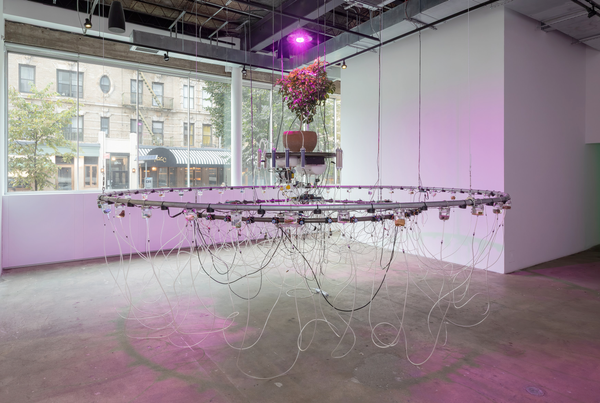
Hong Kong’s own Jaffa Lam (b. 1973) creates works that reward slow looking, foregrounding low-tech artmaking at a moment when so much leans on spectacle. “Asteroid J-734” brings together new works across a wide range of media—including ceramics developed during a year-long residency in Longquan, alongside umbrella-fabric and metal pieces—to assemble a constellation of forms that move between large, architectural structures and hand-scaled gestures. Taking its title from the asteroid home of the Little Prince, the exhibition casts Lam’s practice as a kind of traveling planet—one that now orbits institutional platforms such as M HKA Antwerp and Sea World Culture and Arts Center in Shenzhen—while remaining anchored in Hong Kong’s vernacular labor, griefs, and shared stories.
Dinh Q. Lê
Remembrance
10 Chancery Lane
Mar 20–May 16, 2026
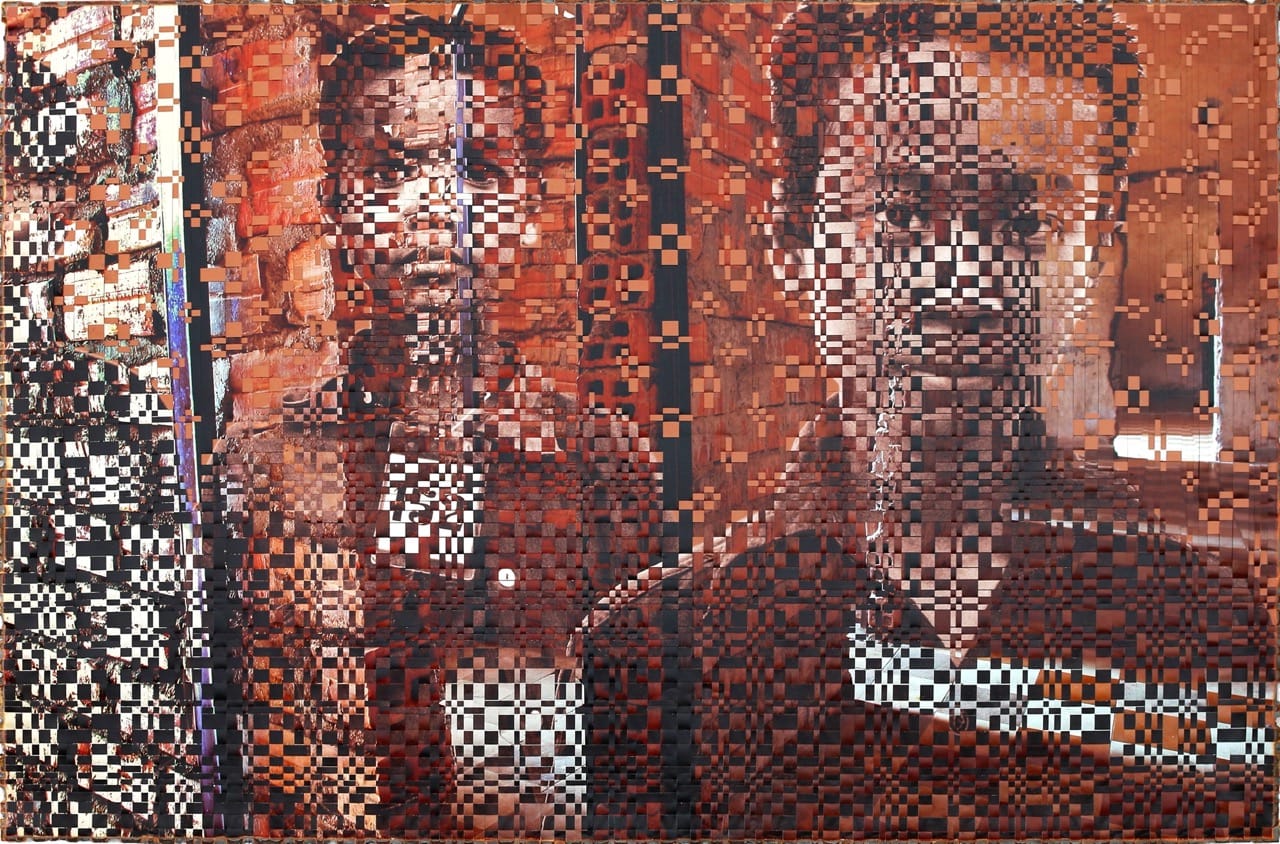
A foundational figure for a generation of artists in Vietnam, Dinh Q. Lê (1968–2024) turned the fragile work of remembering war, displacement, and propaganda into lifelong method. At 10 Chancery Lane, veteran curator and writer David Elliott stages “REMEMBRANCE: A Tribute to the Work of Dinh Q. Lê,” bringing together landmark photo-weavings, videos, and installations to show how Lê unraveled official images of the American war in Vietnam and its aftermath. The show underlines how he treated memory itself—its gaps, distortions, and repetitions—as a material to be worked, asking what kinds of histories are possible when the archive is already compromised.
El Anatsui
MivEvi
White Cube
Mar 25–May 9, 2026
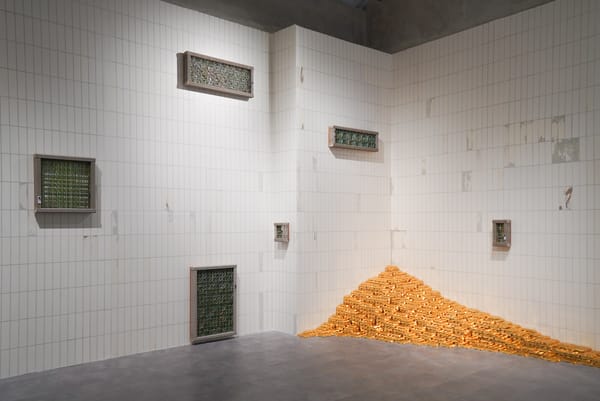
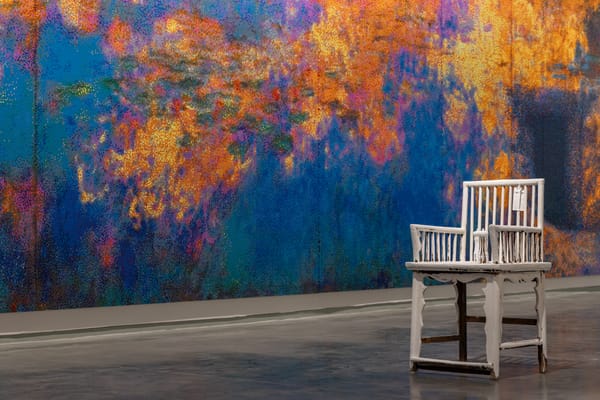
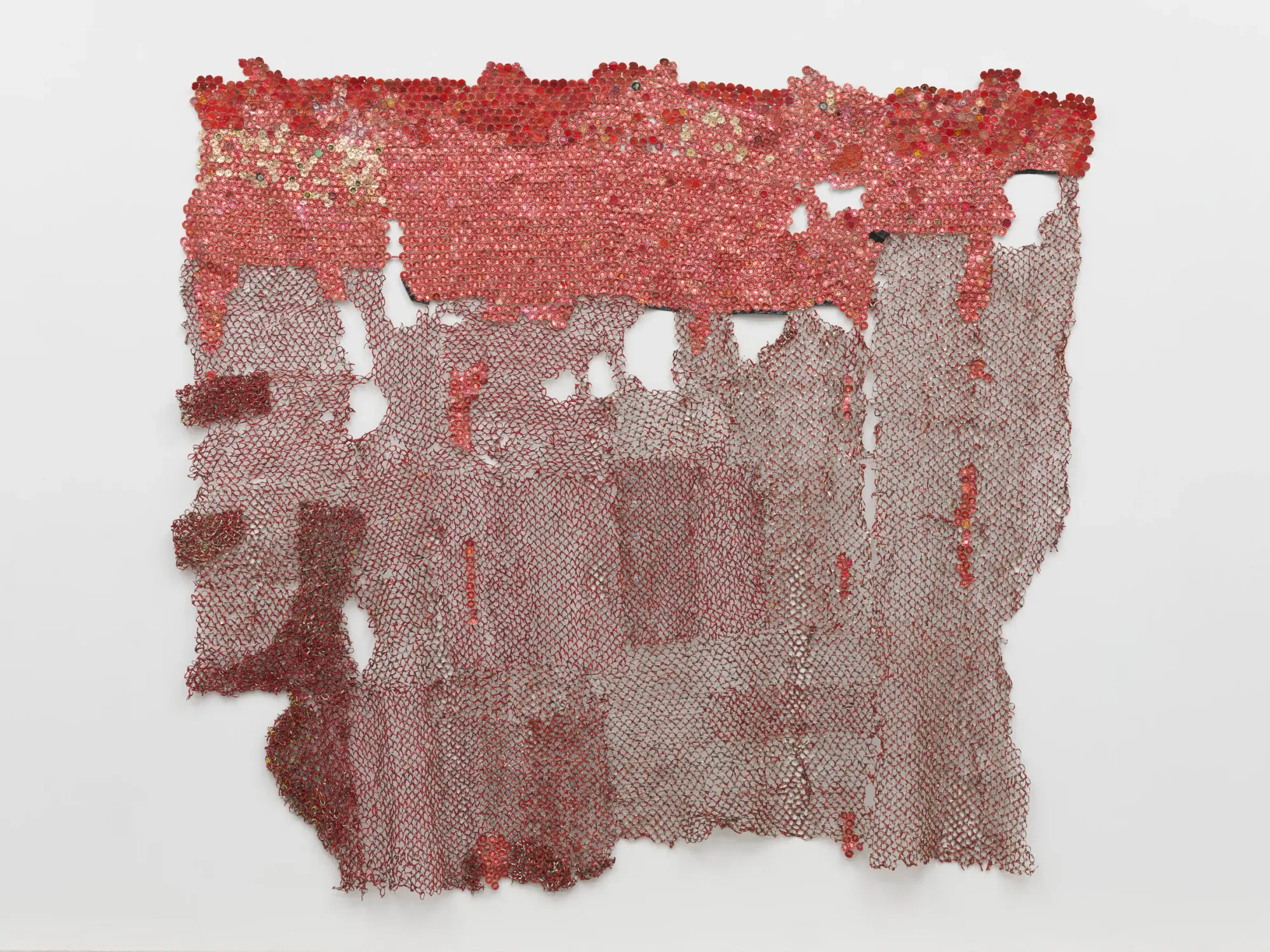
El Anatsui (b. 1944) has spent decades turning cast-off bottle caps into mutable “cloths” that have reset how museums think about extraction, circulation, and what it means to live among the leftovers of global trade. Fresh from his immersive installations After the Red Moon (2024–25) at the Museum of Art Pudong in Shanghai and Behind the Red Moon, the 2023–24 Hyundai Commission at Tate Modern’s Turbine Hall, his new presentation at White Cube Hong Kong shows a thoroughly canonized artist still restlessly rethinking his own language. Here, the metal tapestries are treated as fully three-dimensional objects—fronts and backs equally activated—so they read less like images than suspended terrains.
Slavs and Tartars
胡 ( هو / who) are you?
Rossi & Rossi
Mar 21–May 9, 2026
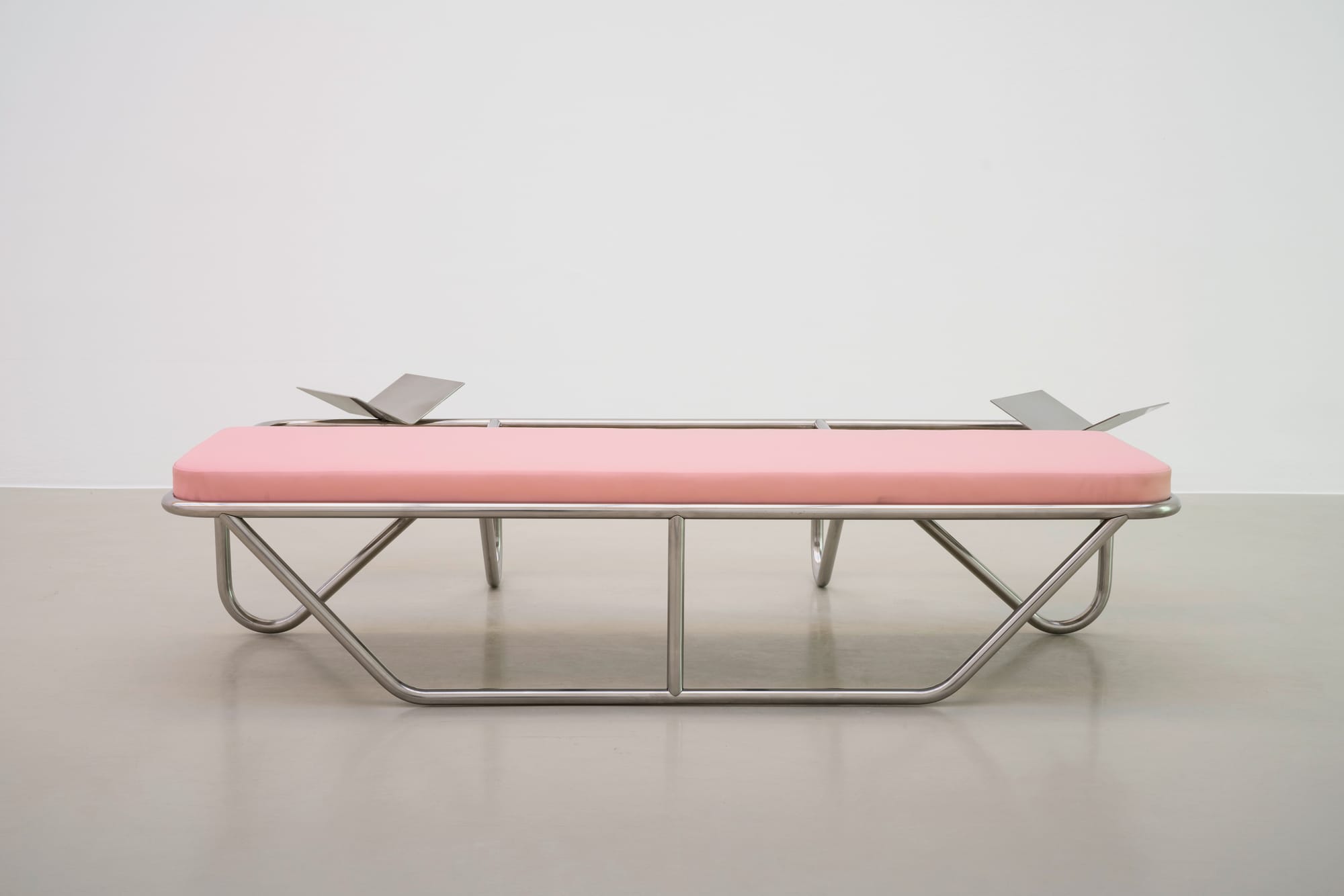
Slavs and Tartars, an influential, research-driven artist collective from the broader post-Soviet region, presents their first solo exhibition in Hong Kong at Rossi & Rossi. Splicing sculpture, installation, and graphic design with deadpan humor, the duo zeroes in on the fault lines between language, faith, and politics. Using mistranslation, transliteration, and wordplay as sharp tools, the conceptually rigorous work wears its intelligence lightly, mobilizing puns and road-sign aesthetics to prise big questions about belief, belonging, and who gets to speak.
Chow and Lin
The Poverty Line
SC Gallery
Mar 14–Apr 25, 2026
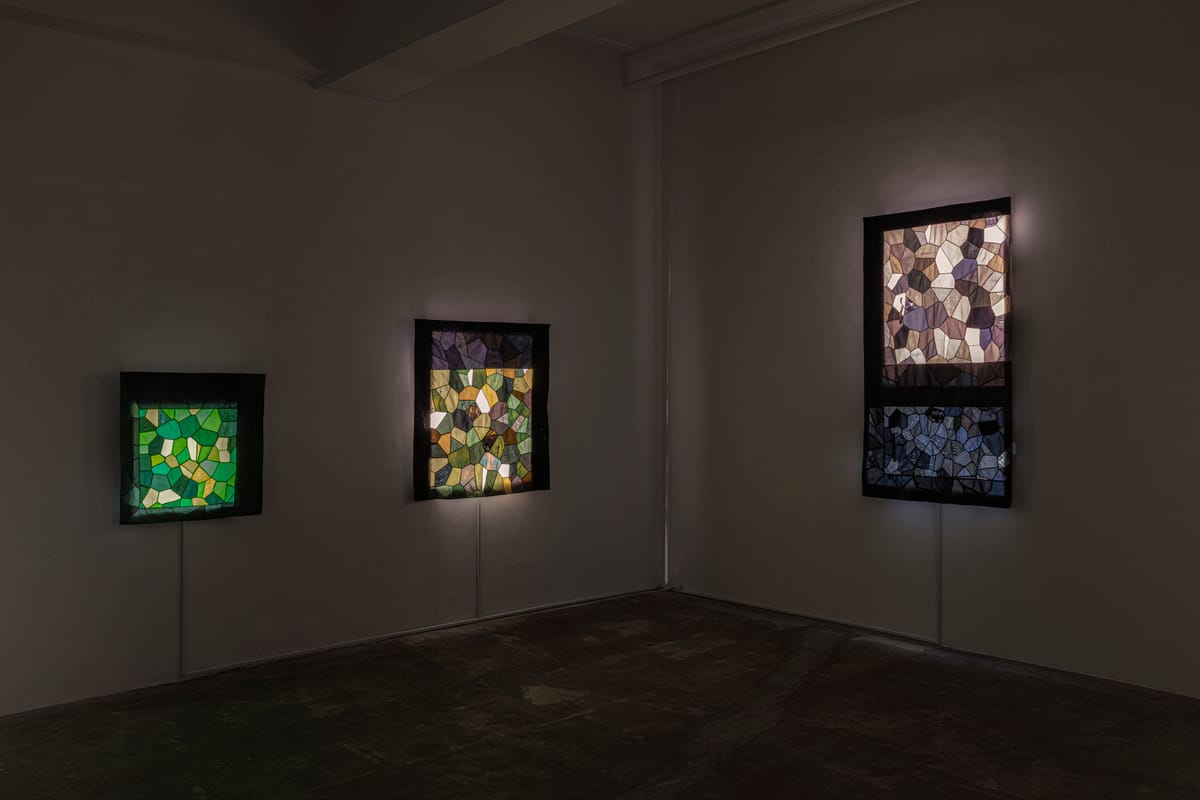
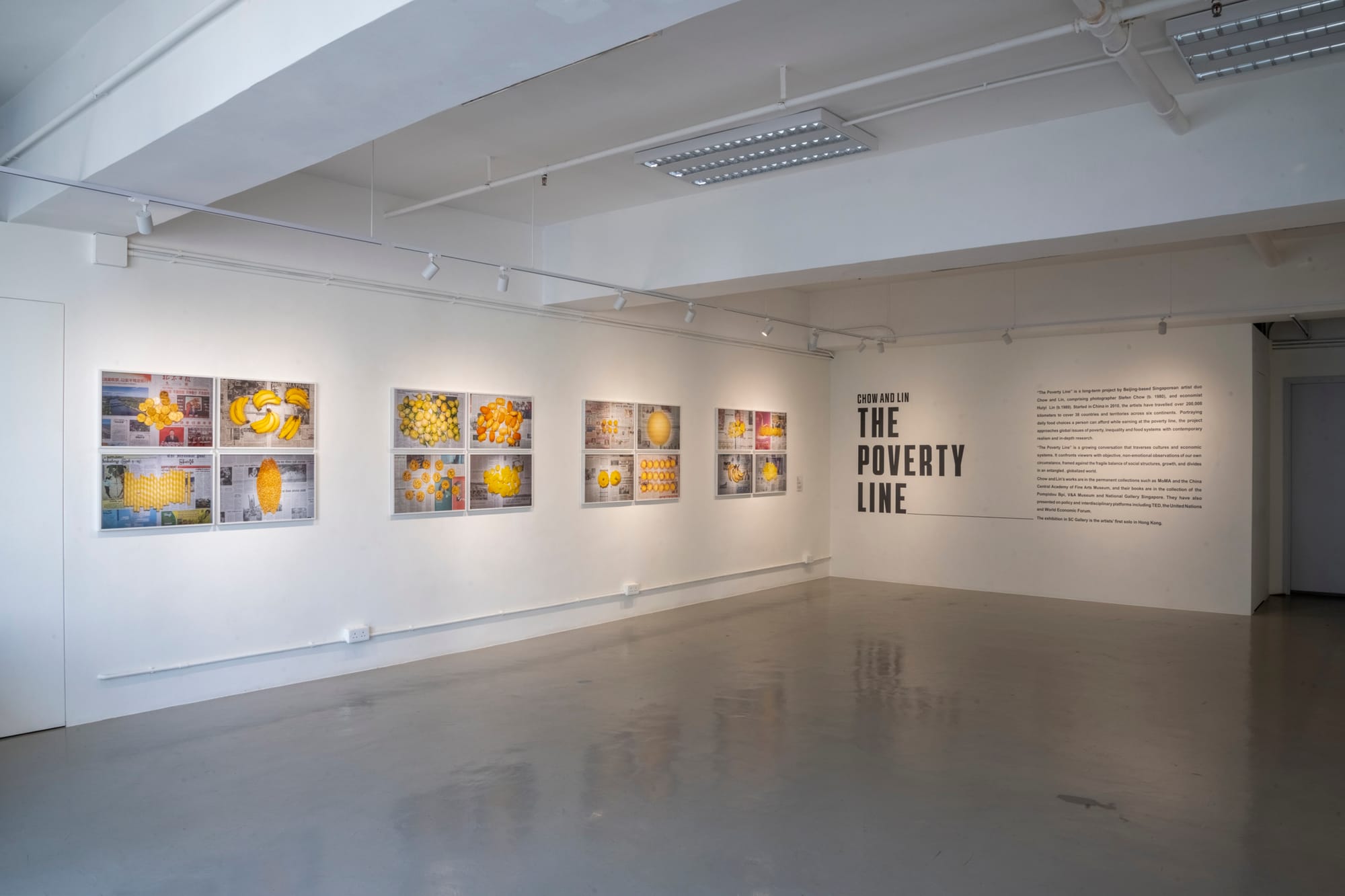
This month also marks the first solo presentation in Hong Kong for acclaimed Beijing-based Singaporean artist duo Chow and Lin, whose long-running project “The Poverty Line,” developed through case studies in more than 30 countries and territories, includes works acquired by the Museum of Modern Art in New York. Over more than a decade, they have honed a rigorously research-driven practice that translates statistics and fieldwork into stark images of what a day’s worth of food looks like at the poverty threshold. Quietly compelling, the work presses on questions of dignity, labor, and what counts as “enough.”
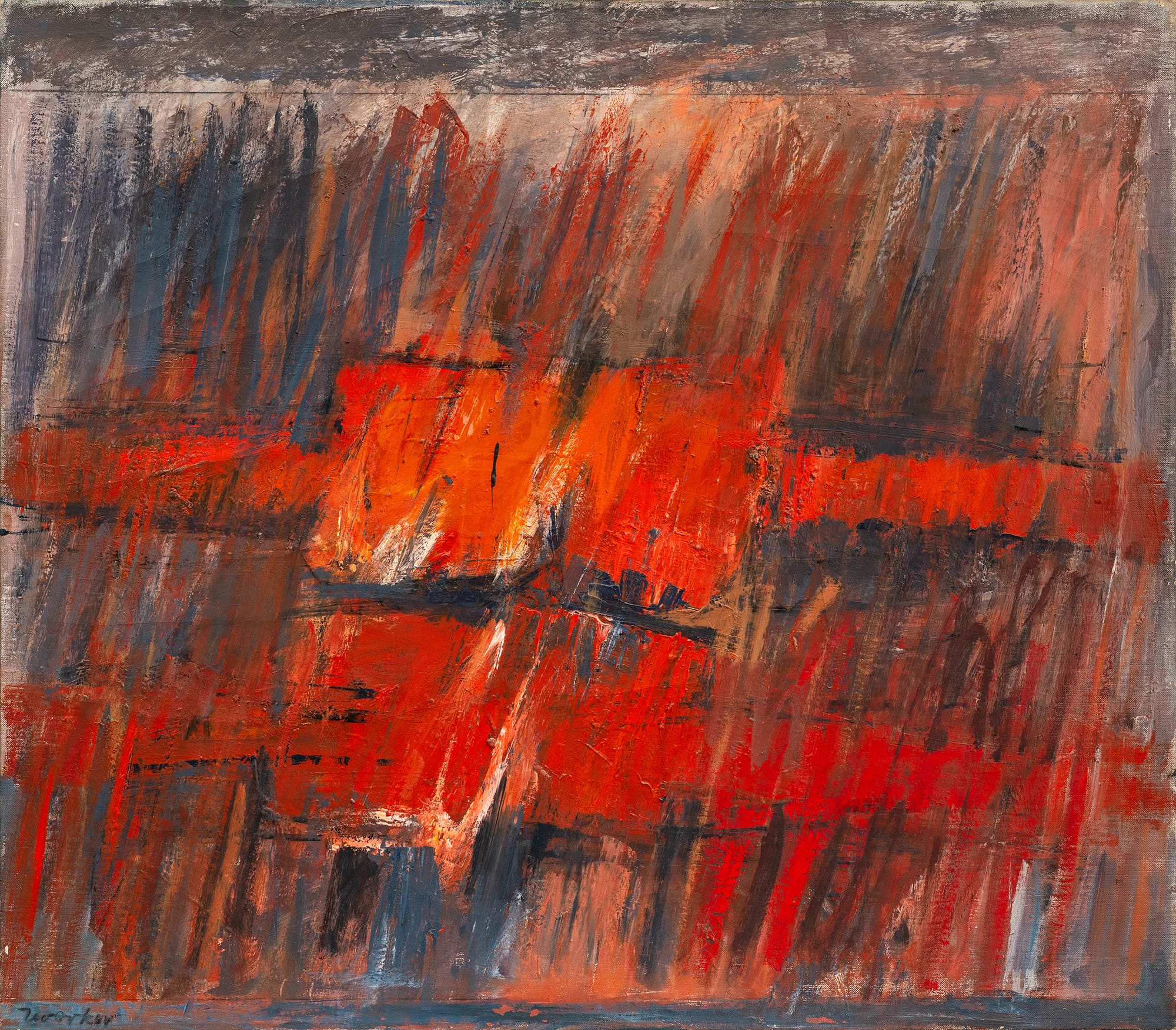
Jack Tworkov
Jack Tworkov 1900 – 1982
De Sarthe
Mar 21–May 9, 2026
Jack Tworkov, a central yet often undersung figure of postwar American painting, comes into sharp focus at De Sarthe in a focused survey that spans gestural abstraction through to his later, cooler geometric works. The show traces how he moved from the urgent brushwork of the New York School to structured compositions built from grids and plotted curves, without ever abandoning a felt sense of doubt and searching. Seen in Hong Kong, these paintings read less as canonical “Abstract Expressionism” and more as a long, disciplined experiment in how to keep painting uncertain, open, and ethical.