People
A Space to Breathe: Kulapat Yantrasast’s Dib Bangkok
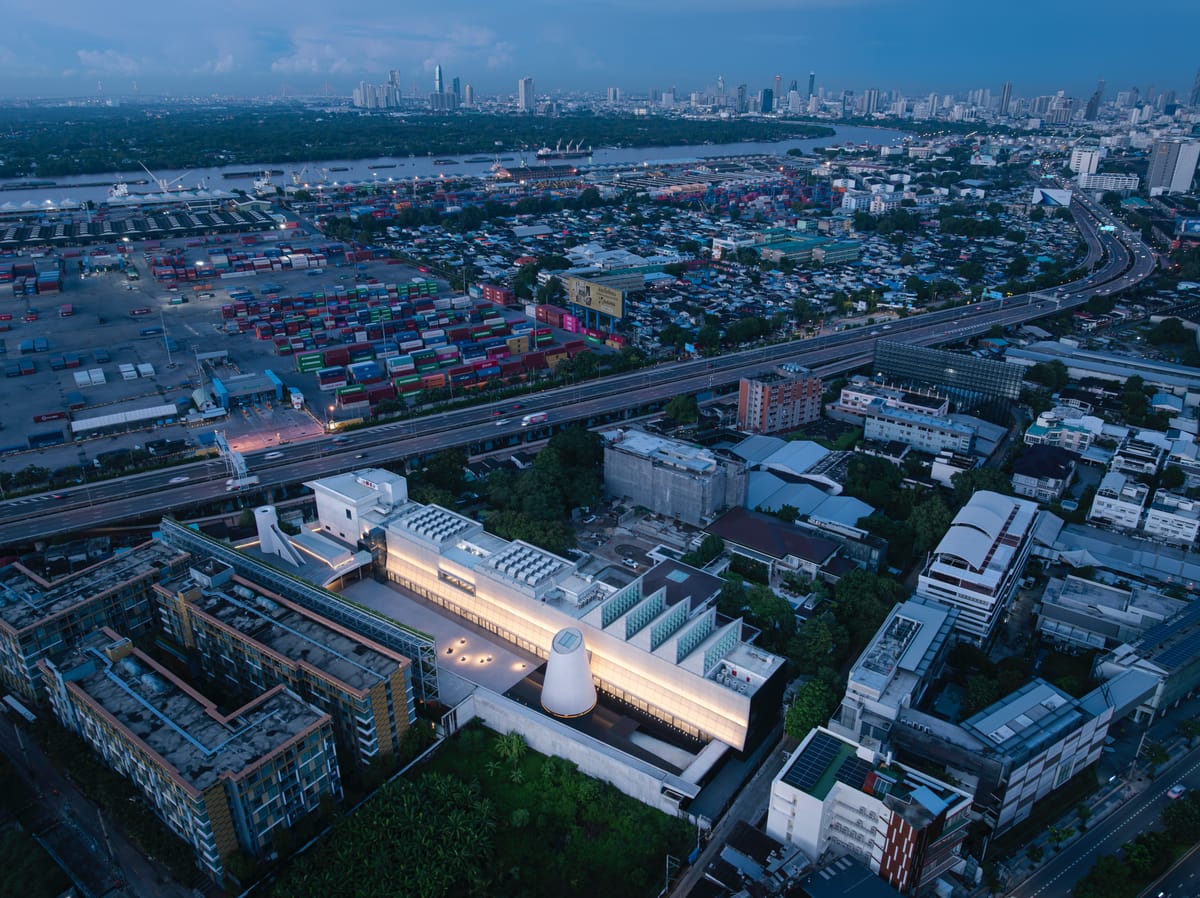
Just a stone’s throw from Bangkok’s main industrial port stands Thailand’s most ambitious private museum: Dib Bangkok. Opened in late December 2025, the 7,000-square-meter former steel factory has been transformed into a landmark of contemporary culture, housing the collection of the late Petch Osathanugrah. Within its cavernous halls are more than a thousand works by Thai masters, regional pioneers, and international blue-chip names.
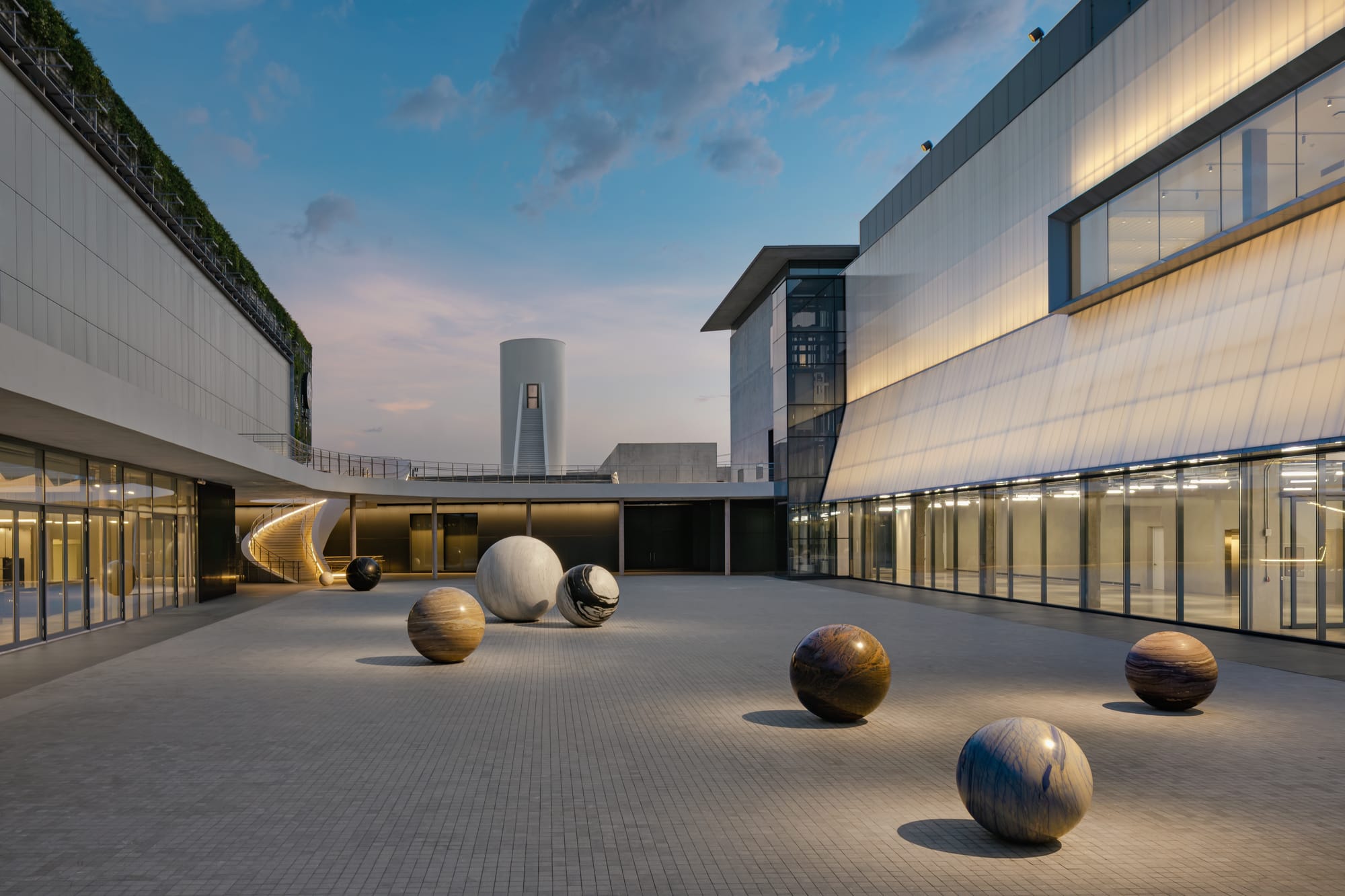
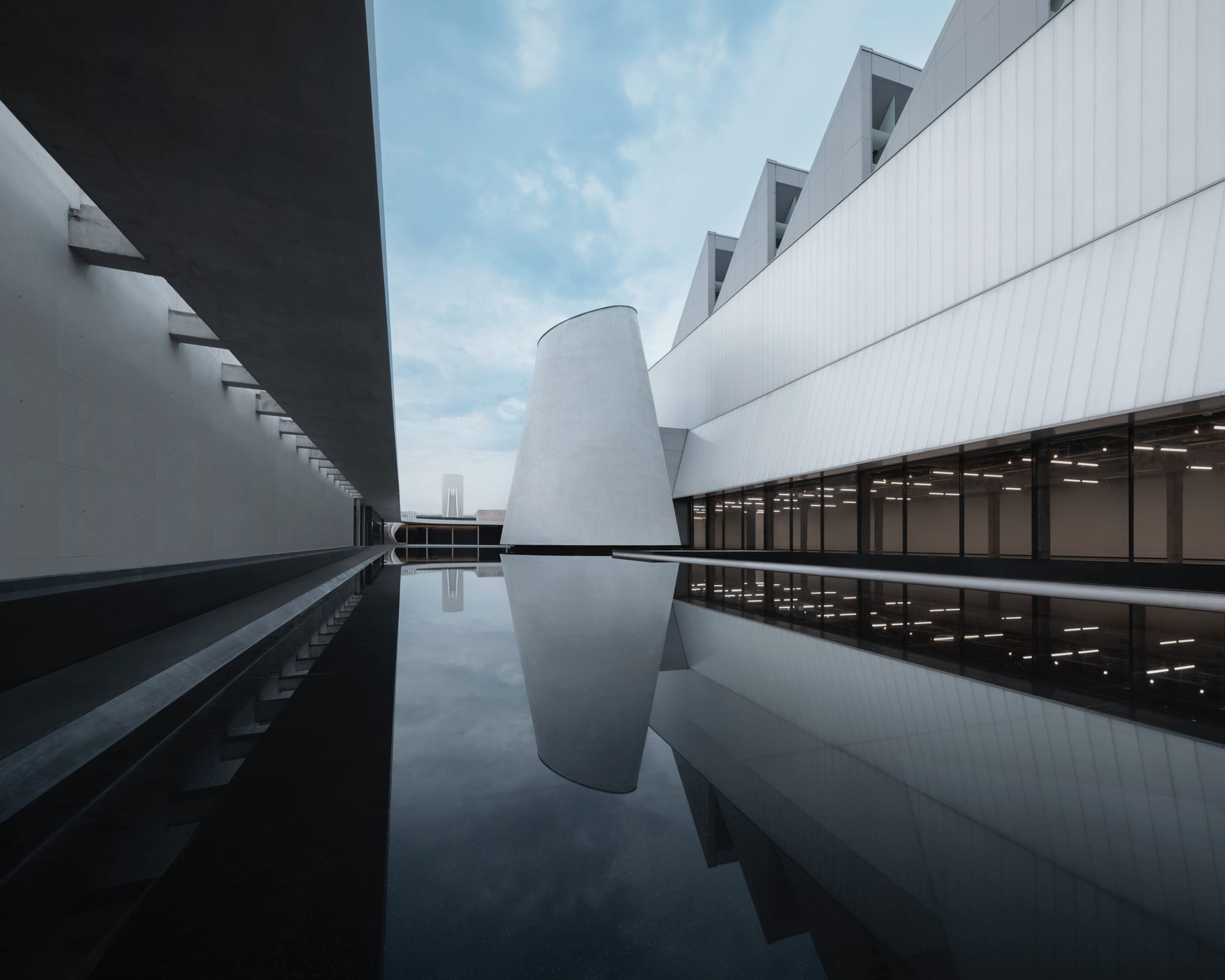
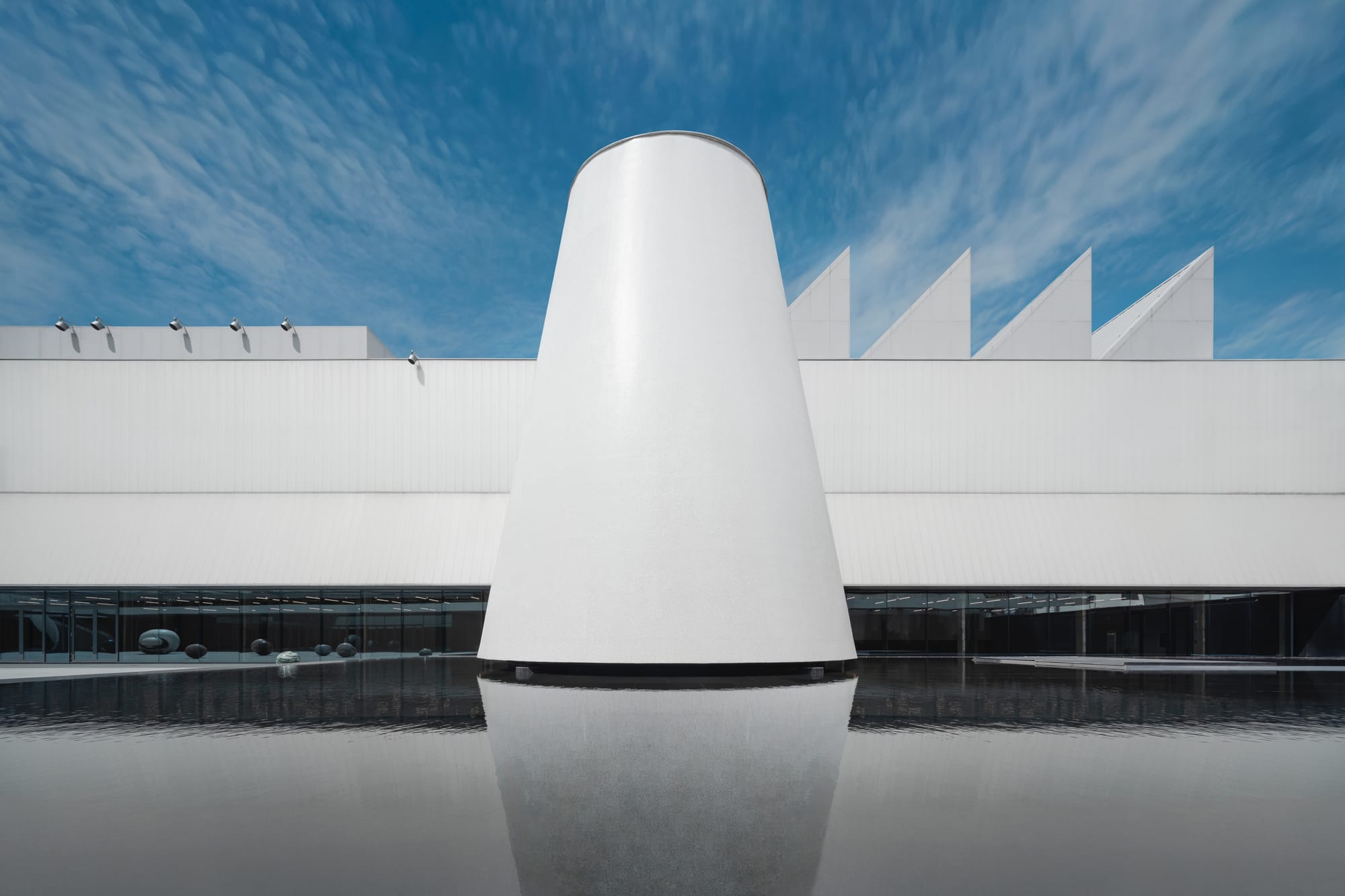
Helming the architectural reinvention is Kulapat Yantrasast, the Thai-born, Los Angeles-based principal of WHY Architecture, whose track record at institutions like the Metropolitan Museum of Art, Harvard Art Museums, and the Marciano Art Foundation has quietly but decisively reshaped how heritage can coexist with contemporary programming. At Dib Bangkok, he resists the urge to overpolish. Instead, the building’s raw concrete columns and Thai-Chinese window grilles hold their ground, layering in moments of restraint and pause: a generous central courtyard anchored by a reflecting pool; a mosaic-clad conical “Chapel” gallery; sawtooth skylights that soften the tropical glare; and a translucent polycarbonate facade that comes alive after dark. The result—what Yantrasast calls “cultural Pad Thai”—reads less as a gimmick than a working method, an interplay of industrial grit and spatial clarity. In a city defined by speed and saturation, Dib asks visitors to slow down, offering a space shaped by Buddhist ideas of mindfulness and impermanence without flattening them into cliche.
We spoke with Yantrasast about returning to design in his home country after years abroad, and how architecture can foster meaningful encounters between art, audience, and place.
AAP: What was the very first feeling that came up when you walked into that 1980s warehouse for the first time? When was it?
I visited with Petch and Chang [Osathanugrah] in 2019. It was a long, narrow building with a large parking lot out front. There wasn’t anything distinctive about it, but I liked its simple, functional structure.
The word “Dib” suggests rawness or authenticity. What does it mean to you personally?
“Dib” was coined by Khun Petch. For me, it doesn’t mean “raw” so much as “unfinished”—a sense of openness and continual becoming.
The galleries progress upward across three floors, with light intensifying as visitors ascend, echoing Buddhist ideas of enlightenment. Can you elaborate on how this journey supports the contemplative experience of viewing art?
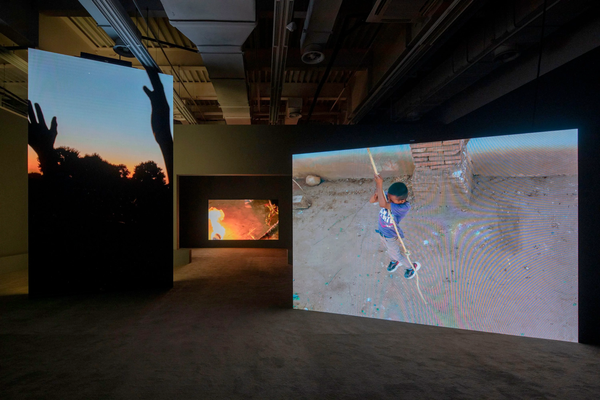
The three floors rise from the earth-bound courtyard toward the skylit upper level. Each room differs in scale, proportions, light qualities, and materials, inviting artists, artworks, and viewers to engage with the spaces in their own ways.
What inspired the courtyard pool—a pocket of calm amid Bangkok’s chaos?
It was important for me for the entire site to feel like the museum, not just the building. I expanded the long, L-shaped warehouse into a U-shaped compound, placing a courtyard at its heart. It acts as a welcoming, orienting, and flexible social space.
You have been quoted saying, “design the life, not the form.” What kind of life do you imagine unfolding inside this building?
In this case, life means the encounter between art and people—moments ignited by discovery, contemplation, and delight.
Dib Bangkok is your first major cultural project in your native Thailand after decades of working internationally. What personal resonances shaped your vision for the space?
It is a great honor to design and build this museum in my hometown. I feel that I understand how people here want to engage with art, and I wanted Dib to be a platform where international and local ideas flow together. I also hope it helps bring more Thai artists into broader international conversations.
Tell us about the conical Chapel gallery. What silence or presence were you seeking?
The Chapel complements the long, rectangular main volume. I love the shape of the space and the light within it, especially the reflections cast by the movement of water onto the walls. I hope it feels like a welcoming space with a sense of positive tension—a place that stirs an artist’s imagination and desire to install their work there.
Drawing from your work with institutions like the Met, Speed Art Museum, Pomona College, and the Institute of Contemporary Art, Los Angeles, what unique challenges and opportunities did repurposing this warehouse present in creating flexible, state-of-the-art galleries?
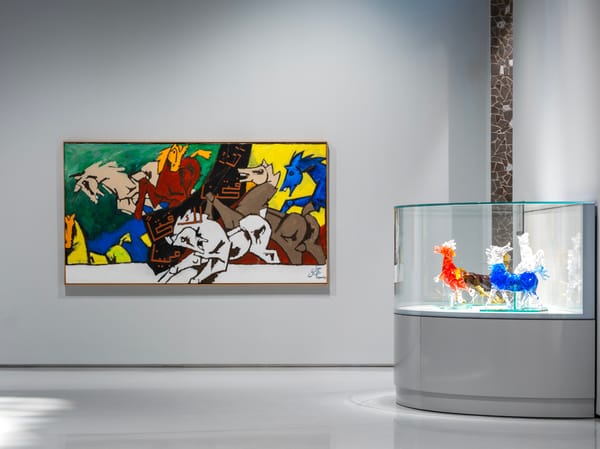
The existing warehouse was a fairly generic structure—nothing particularly unique—but I was drawn to its straightforward, functional form and features. I don’t believe that neutral white‑cube spaces are the ideal setting for art. On the contrary, I prefer spaces with character: varied proportions, materials, and qualities of light.
Still, the key is that museum architecture must be generous—accommodating and enabling the experiences that unfold within it. That generosity in design matters most.
What do you hope the museum’s architectural concept will inspire in visitors, artists, and the broader cultural landscape of Bangkok and beyond?
I hope the design of Dib helps clarify and strengthen a new language of contemporary Thai architecture. It is not a pastiche of traditional Thai roof forms or motifs, but an exploration of the Thai qualities that interest me most: a sense of openness, generosity, and playfulness; open spaces, flexibility, and a fluid indoor-outdoor continuum. Contemporary Thai architecture, to me, should embody the evolving character and psyche of Thai people.