News
Weekly News Roundup: April 16, 2026
Art Basel Signs Five-Year Agreement with Hong Kong
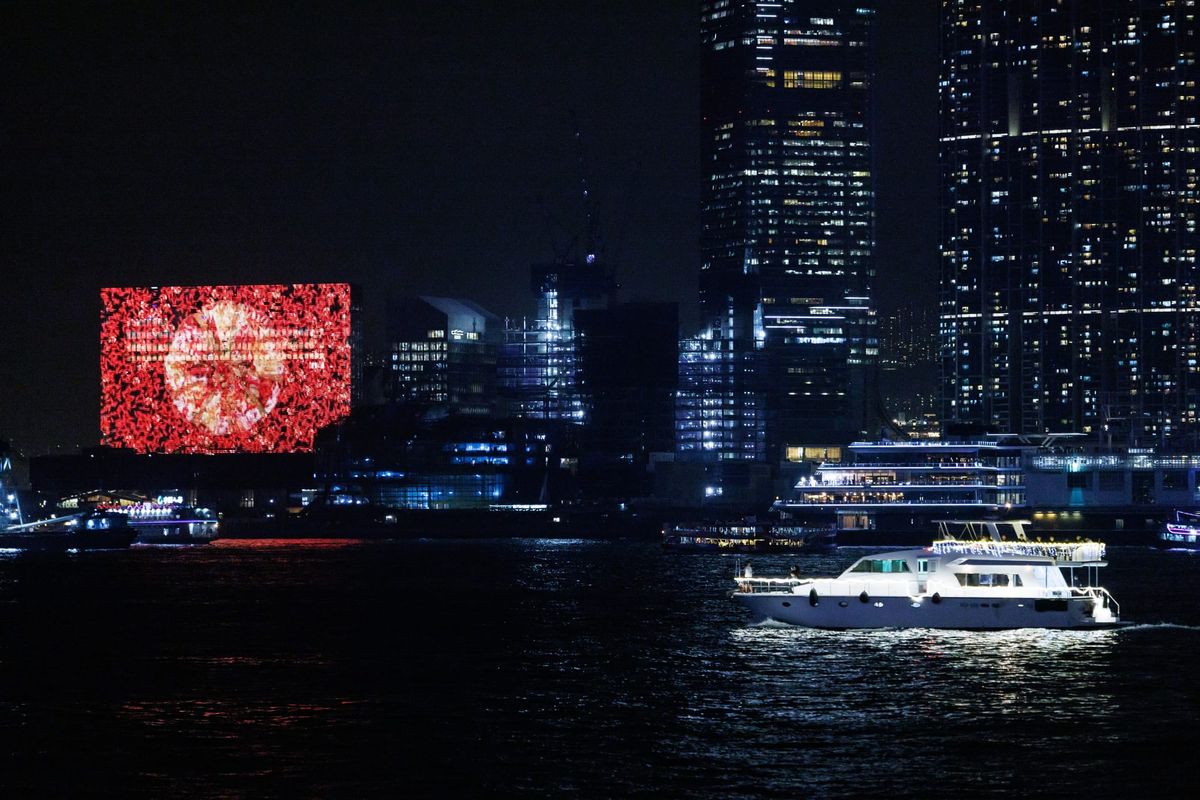
Hong Kong has renewed its partnership with Art Basel, securing the city’s position as the fair’s exclusive regional host for another five years. The Swiss flagship fair launched its Hong Kong edition in 2013 by absorbing the previous Art HK fair, and has since grown into one of Asia’s most significant art events. Secretary for culture, sports, and tourism Rosanna Law announced the renewal deal on March 25, outlining a commitment to grow both the fair’s size and its impact. Future editions will continue to take place at the Hong Kong Convention and Exhibition Centre, alongside satellite events or large-scale installations potentially extending to Kai Tak Sports Park. Law also signaled plans to build a wider cultural program around the fair, pairing it with performances and citywide events. “It doesn’t have to be only during the fair in March,” she said.
Kulapat Yantrasast to Design Forthcoming Kontempo in Manila
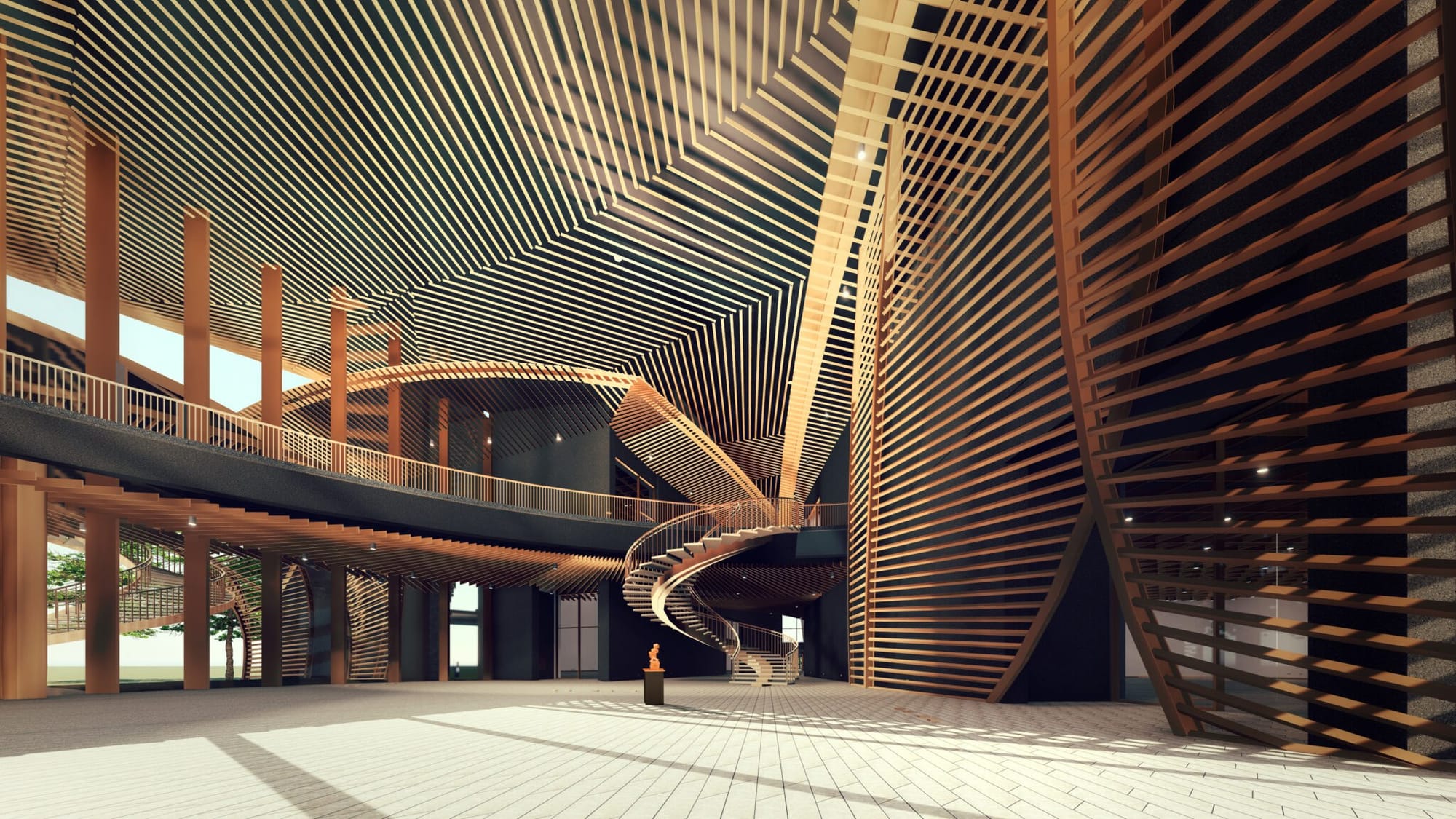
The Philippines-based Ayala Foundation has unveiled the architectural vision and early design details for the forthcoming Kontempo – Center for Contemporary Art in Manila, where Reuben Keehan will serve as artistic director. Designed by WHY Architecture’s Kulapat Yantrasast, architect of Thailand’s Dib Bangkok, in collaboration with local firm Lor Calma & Partners, the complex will include open-air spaces and shaded plazas that connect the museum to the city and the Pasig River, foregrounding sustainability and dialogue between art, people, and nature. According to Yantrasast, Kontempo is envisioned as “an act of devotion to the vitality of Circuit Makati, the spirit of Manila, and the quiet poetry of the Pasig River.” Ed Calma, principal architect and founder of Lor Calma & Partners, added that the building will respond to “Philippine climate, construction practice, and material conditions, ensuring “long-term environmental performance and occupant wellbeing.” Kontempo is slated to open in 2028.
Bose Krishnamachari Faces Sexual Harassment Allegations
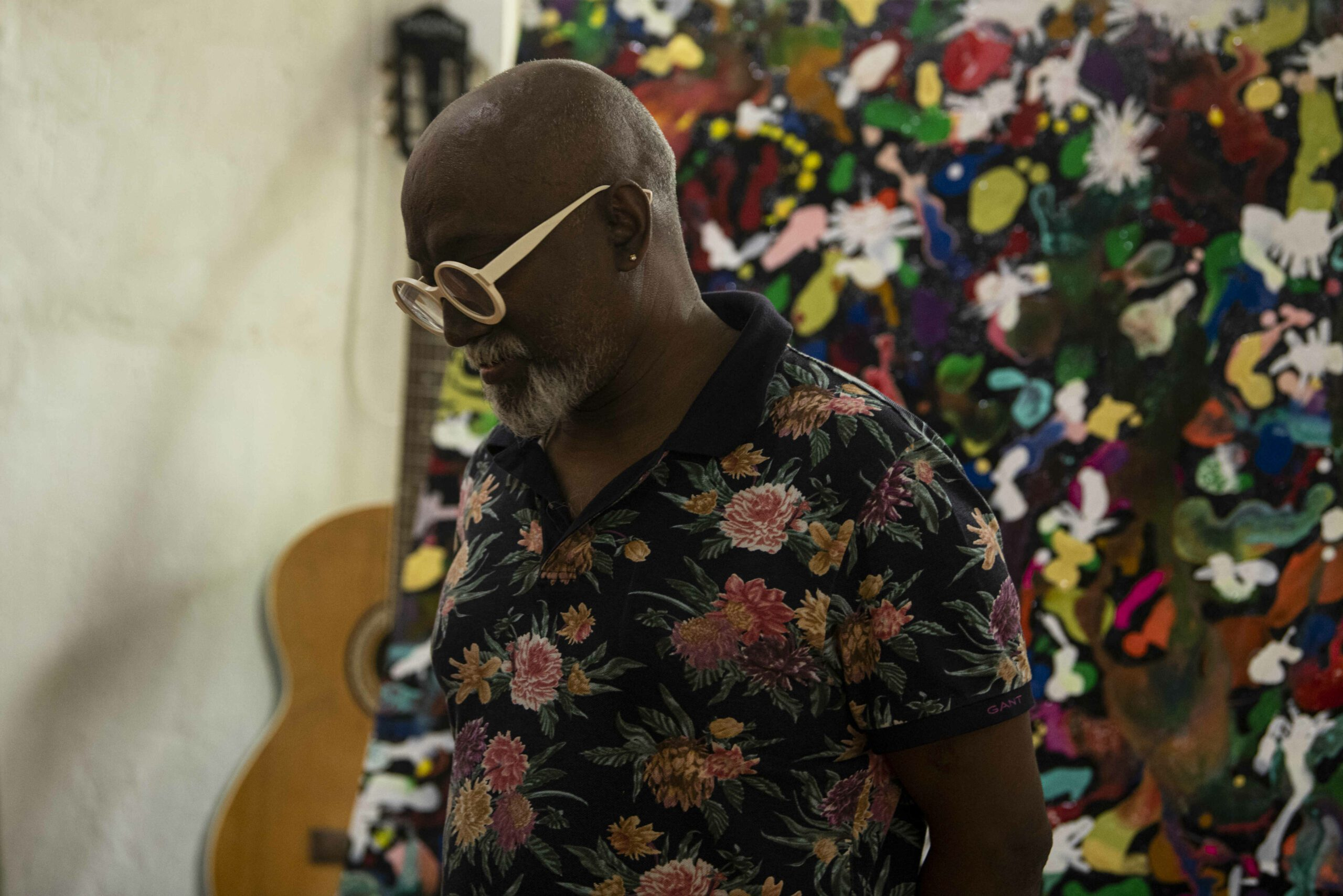
Bose Krishnamachari, the cofounder and former president of India’s Kochi-Muziris Biennale, has been accused of sexual harassment. Although he initially cited “pressing family reasons” for his departure in January, the Kochi Biennale Foundation (KBF)’s chair V. Venu told The Hindu in late March that Krishnamachari’s resignation “was connected with the complaint.” The allegation was submitted to KBF in December 2025 by a female employee, who claims that Krishnamachari invited her to his apartment for a work visit and made inappropriate sexual advances. According to a report by The Indian Express, Krishnamachari has denied the accusations, describing them as “misleading and unsubstantiated,” and that he has taken legal action. Following Krishnamachari’s exit, KBF has appointed Mumbai-based artist-curator Jitish Kallat as president of the Kochi-Muziris Biennale.
Centre Pompidou to Unveil Seoul Branch in June
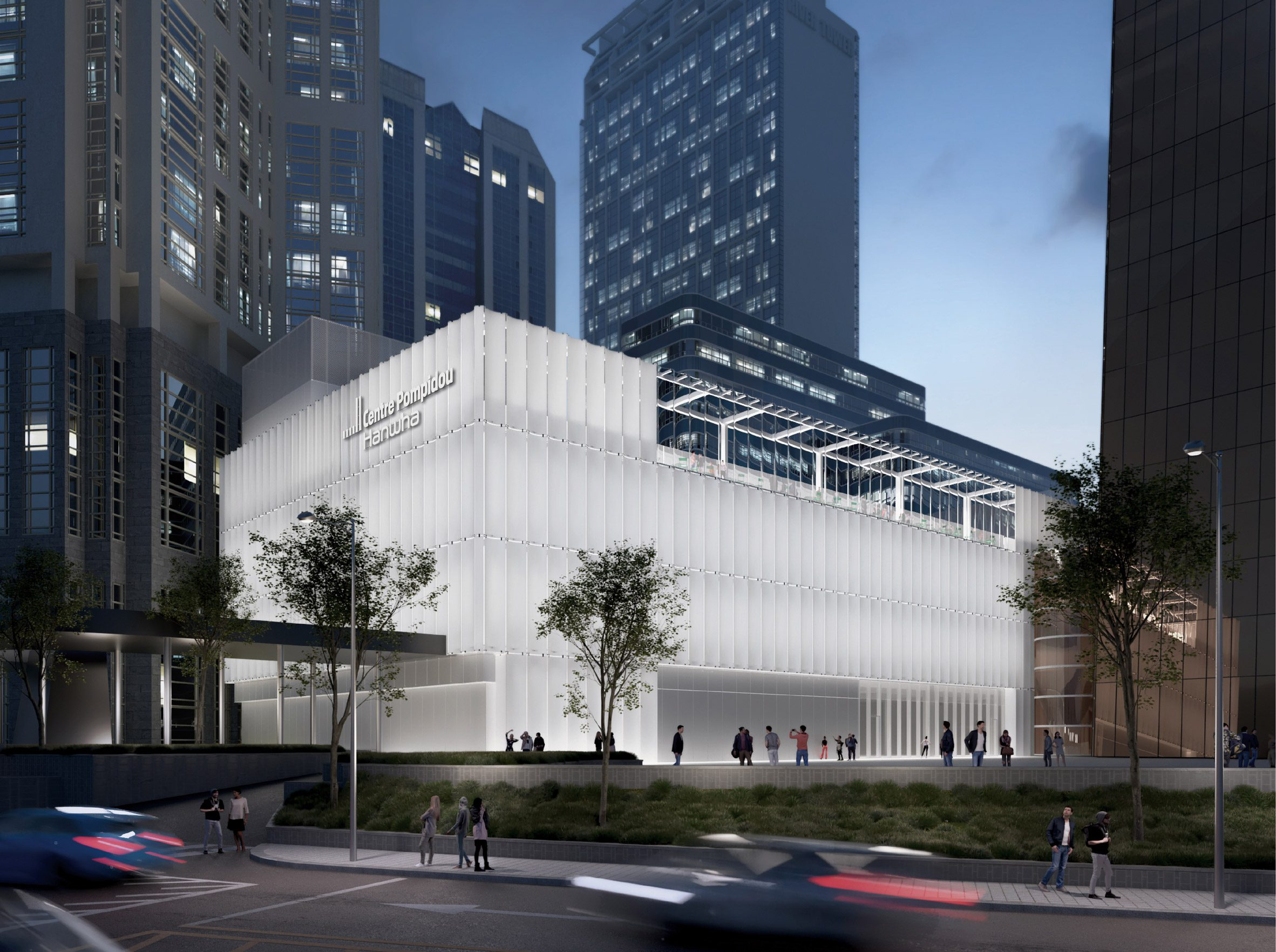
Paris’s Centre Pompidou will open its Seoul branch in June, dubbed Centre Pompidou Hanwha and codeveloped with Korea’s Hanwha Foundation of Culture. Spanning more than 10,000 square meters, the new museum will occupy four stories in Seoul’s iconic 63 Square building, redesigned by French architect Jean-Michel Wilmotte to feature a translucent façade inspired by traditional Korean roof tiles. The institution has outlined a four-year program, presenting two collection-based shows annually alongside exhibitions of contemporary Korean artists. Its inaugural show, “The Cubists: Inventing Modern Vision” will display works by Pablo Picasso and Georges Braque from Centre Pompidou’s collection, accompanied by a special section examining Cubism’s intersections with modern Korean art. Following events will continue to foreground early avant-garde art movements—including Fauvism, Surrealism, and abstraction—as well as early digital art. “The Cubists: Inventing Modern Vision” will run from June 4. Hanwha Group, which established the Hanwha Foundation of Culture in 2007 and is Korea’s seventh-largest conglomerate—faced backlash two years ago over its ties to Israeli defense companies.
Riyadh Unveils Black Gold Museum
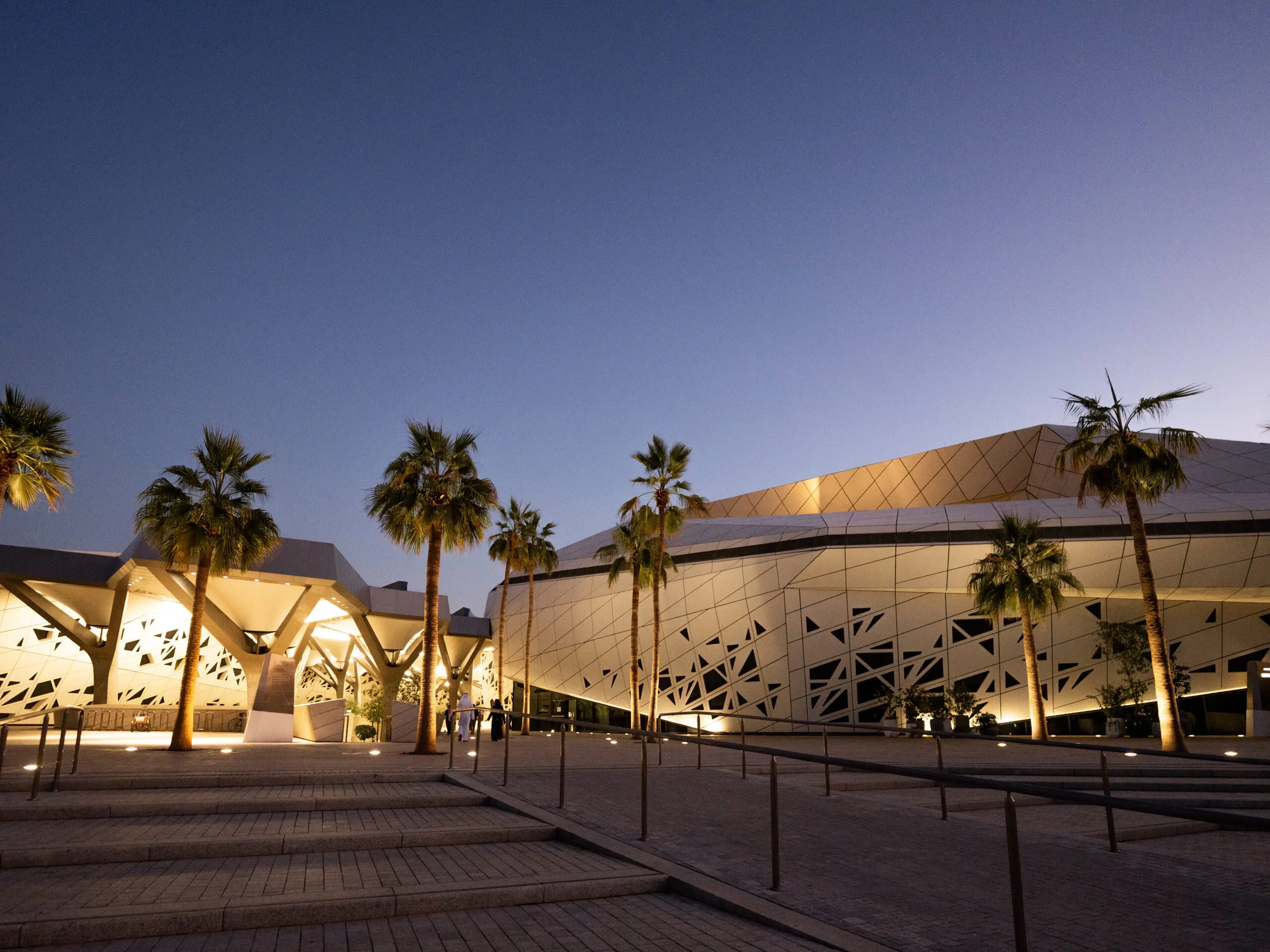
On April 6, the Black Gold Museum officially opened in Riyadh—developed as part of Saudi Arabia’s Vision 2030 initiative, established in partnership between the Ministry of Culture’s Museums Commission and KAPSARC, and supported by the Quality of Life Program. A former research library within the King Abdullah Petroleum Studies and Research Center—a five-building complex designed by Zaha Hadid Architects—the new institution has been revamped by London-based DaeWha Kang Design studio, spanning 6,800 square meters across four floors of exhibition and event spaces, and an outdoor garden. Dedicated to exploring the history of oil and its cultural and economic significance through contemporary art, the museum houses a permanent collection of more than 350 artworks by 170 artists from around the globe, drawn from the Saudi Arabian Ministry of Culture and organized into four thematic galleries: “Encounter,” “Dreams,” “Doubts,” and “Visions.” According to a press release, the works will collectively “pay tribute to this material that has profoundly shaped our lives,” while also offering “a critical reflection on oil’s impact and the complexities of global reliance on it.” Palestinian artist-curator Jack Persekian, founding director of the Sharjah Art Foundation in the UAE, was appointed as the new museum’s director in 2022.
Kengo Kuma and Associates to Helm London’s National Gallery Extension
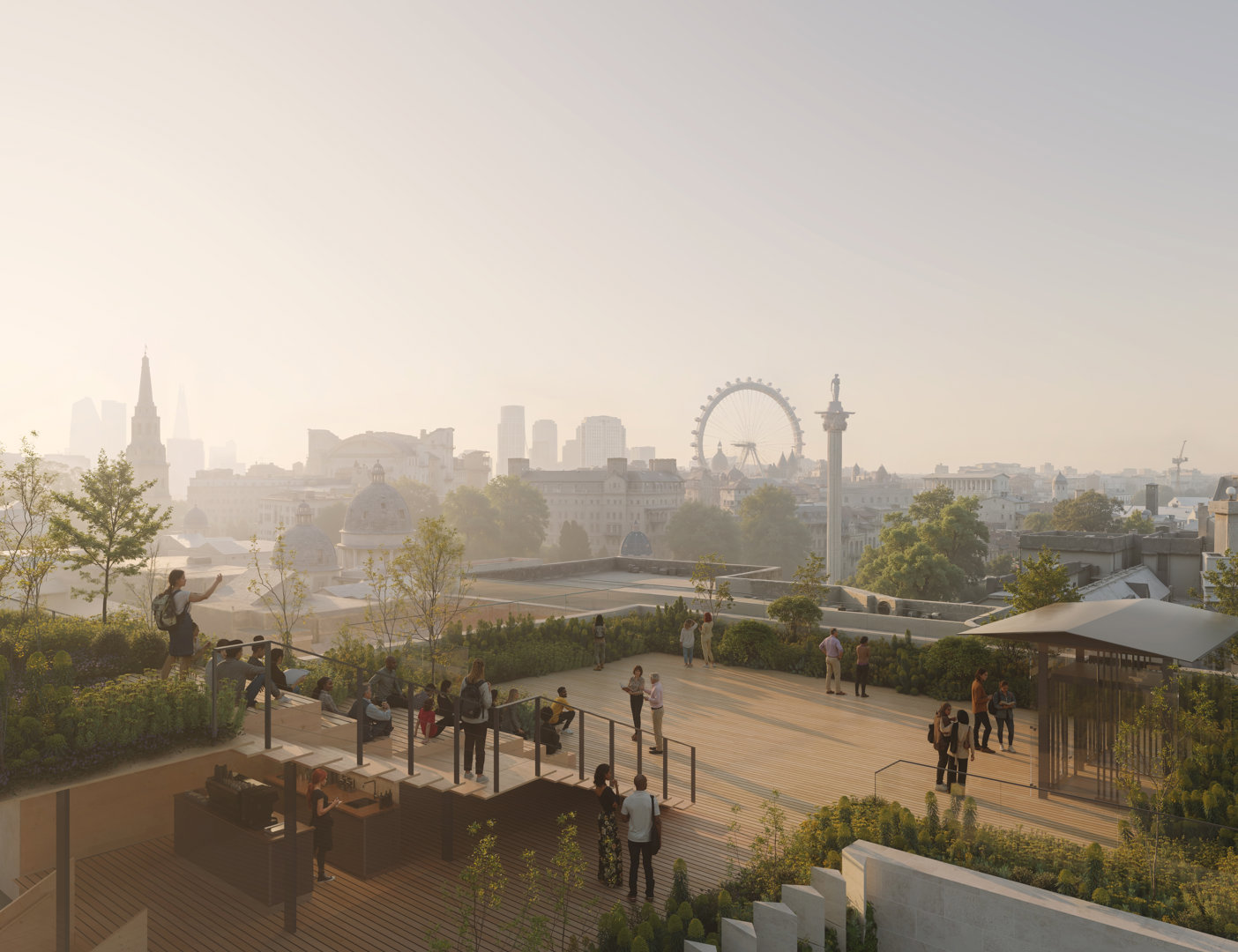
The National Gallery in London has chosen Tokyo-based firm Kengo Kuma and Associates to design its campus extension as part of Project Domani—the museum’s GBP 750 million (USD 995 million) expansion program—in collaboration with UK-based firms BDP and MICA. The new 15,000-square-meter wing—which will replace the existing St. Vincent House—is expected to cost approximately GBP 350 million (USD 464 million), with the remaining budget going toward an endowment fund to cover its operating costs, as well as acquisitions that will augment the institution’s collection to include 20th- and 21st-century art. Founded in 1990 by Japanese architect Kengo Kuma, the firm is known for its designs emphasizing natural materials, light, and a harmonious dialogue with the surrounding environment. Its notable projects include the Japan National Stadium for the Tokyo 2020 Olympics and the V&A Dundee in Scotland. Selected through an international architectural competition, the firm’s proposal features a new roof garden and pedestrian zones between Leicester and Trafalgar Squares. As noted by the jury, this vision stands out for its “sensitivity to the surrounding streets and allow[ing] natural light to be drawn into the building.” Following a standstill period that ended on April 16, the project has been subjected to ratification, with construction tentatively scheduled for completion in the early 2030s.