News
South Africa Cancels Venice Biennale Pavilion Over Gaza-Related Work
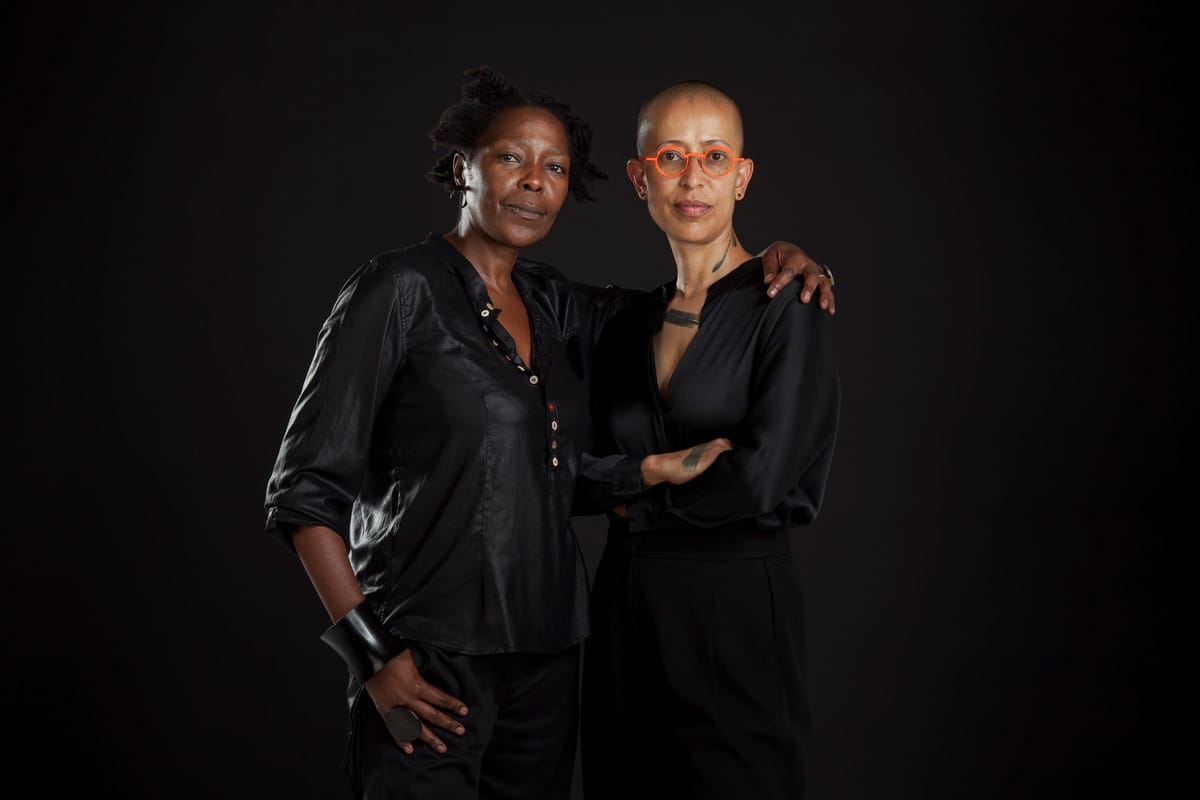
The South African government has canceled Gabrielle Goliath’s pavilion at the 2026 Venice Biennale, a project that was to include a performance commemorating the deaths of thousands of women and children in Gaza. Goliath’s Elegy series (2015– ), which combines video and performance, addresses femicide, the killing of members of the LGBTQ+ community in South Africa, and the 20th-century Herero and Nama massacre perpetrated by German colonial forces in present-day Namibia. The Venice iteration would have paid tribute to Palestinian poet Hiba Abu Nada, who was killed in Gaza during a 2023 Israeli airstrike. Gayton McKenzie, minister of Sports, Art, and Culture, demanded alterations to the work and threatened to pull government support, labeling the project “highly divisive” and “widely polarizing,” a position that conflicts with the country’s pro-Palestinian stance. After Goliath declined to make the requested changes, the Department of Sports, Art, and Culture terminated the pavilion on January 2.
On December 6, 2025, Goliath was selected unanimously by an independent panel to represent South Africa at the 2026 Venice Biennale. The termination occurred eight days before the January 10 submission deadlines for biennale pavilion proposals, throwing South Africa’s representation into uncertainty. In an open letter released on January 8, the South Africa pavilion selection committee condemned McKenzie’s decision, calling it “an abuse of executive authority” and publicly declared its “continued and unequivocal support” of Goliath and the pavilion’s curator, Ingrid Masondo.
McKenzie issued a statement on January 10, which asserted that Goliath intended to transfer ownership of the pavilion’s artwork to an unidentified foreign nation following the biennale, claiming that the pavilion was being hijacked to “endorse a geopolitical message about the actions of Israel in Gaza.”
Following McKenzie’s statement, Israeli news outlet Ynetnews published an article identifying Qatar as the foreign nation that has attempted to acquire Goliath’s work. On January 15, South African news publication Daily Maverick revealed that the interested party was Qatar Museums, a state-operated cultural institution, which had reportedly expressed interest in acquiring an edition of Elegy in November, before Goliath was chosen for the pavilion. Following news of the cancellation, a Qatar Museums representative allegedly wrote to the South Africa pavilion organizers, stating “given the climate in SA, it is good that we did not get involved.”
In a statement made to Daily Maverick, Goliath expressed that she had been “independently developing and conceptualizing this work, Elegy, for years,” rejecting claims of Qatari interference with her practice. She stated: “my work is not about violence, but rather foregrounds practices of mourning, survival and repair.” Reports from Hyperallergic indicate that Goliath and Masondo have submitted an appeal to South Africa’s president Cyril Ramaphosa and the Department of International Relations and Cooperation.
Aisha Traub Chan is an editorial intern at ArtAsiaPacific.