News
Gwangju Biennale Faces Censorship Accusations Over Pavilion Title
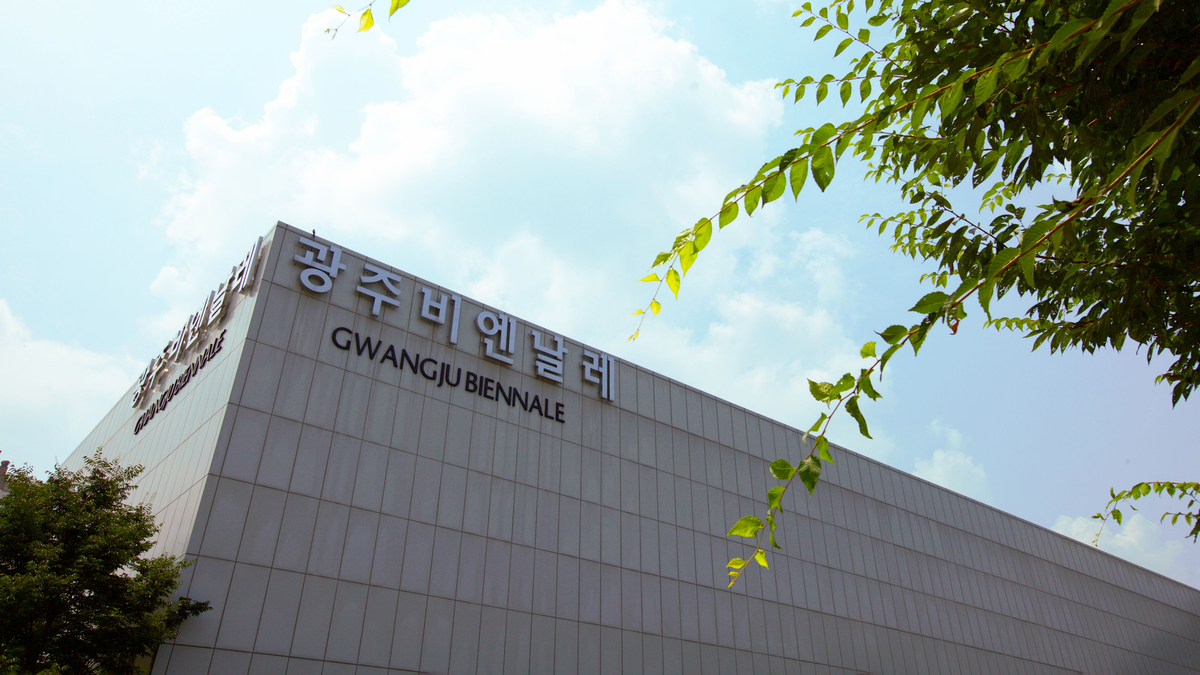
A dispute has arisen over the naming of Taiwan’s participation in the 16th Gwangju Biennale after the Biennale Foundation identified the project on official promotional materials as the “NTMoFA Pavilion,” using the acronym of its organizing institution, the National Taiwan Museum of Fine Arts (NTMoFA), rather than “Taiwan Pavilion.” The curator and artists involved, along with Taiwan’s Ministry of Culture, have condemned the change as “political censorship,” while the foundation has said the matter concerns “an administrative difference concerning participant classification and naming conventions.”
On August 15, ten curators and artists—Chang Wen-Hsuan, Chen Hsiang-Wen, Chen Wan-Yin, Cheng Hsien-Yu, Hsu Che-Yu, Li Yi-Fan, Lin Yu-Liang, Poyuan Juan, Su Hui-Yu, and Ting-Ting Cheng—issued a joint statement titled “The Censored Taiwan Pavilion,” claiming their proposal had been submitted and accepted under the name “Taiwan Pavilion” but was later renamed “without the consent of the participating team.” They wrote that a biennial “whose historical foundations are rooted in democracy, human rights, and the spirit of Gwangju” bears a responsibility to explain why participants’ right to name themselves should face restrictions, and said the foundation had disregarded “repeated objections and attempts at negotiation.”
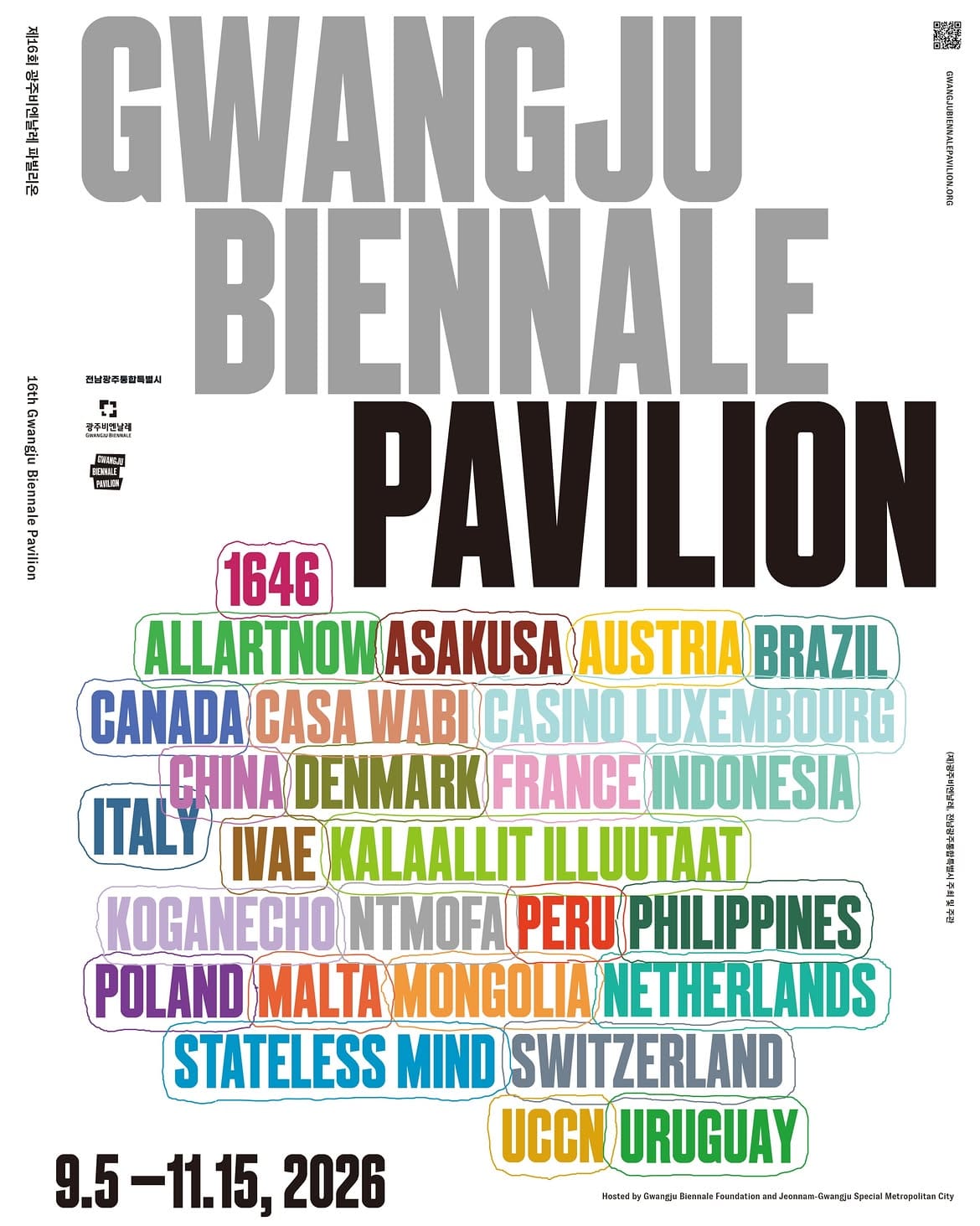
Separately, Taiwan’s Ministry of Culture first publicly objected to the renaming on August 9, calling on the biennale to reply and restore the pavilion’s original designation. After receiving no response, it published a follow-up statement on August 17, stating that NTMoFA had applied under the name “Taiwan Pavilion,” that the name passed evaluation on April 2, and that NTMoFA and the foundation signed an agreement on April 23, with subsequent correspondence between the two parties continuing to reference “Taiwan Pavilion” in discussions and arrangements. According to the ministry, the organizers only began referring to the project as the “NTMoFA Pavilion” from June. The ministry reiterated that “Taiwan will continue to seek participation under the name ‘Taiwan Pavilion’” and would take “necessary action” if the organizers failed to agree.
The Gwangju Biennale Foundation responded in an official statement on August 19, maintaining that the pavilion project categorizes participants as either national pavilions or institutional pavilions. It said that NTMoFA had registered as an institution, having entered into an exhibition agreement in that capacity on January 12, and that the pavilion was accordingly identified by its institutional name. The biennale also denied allegations of political censorship, stating that it “respects the freedom of artistic creation and the independent operation of every voluntarily participating pavilion, and does not intervene in or censor exhibition planning or content,” and that the matter “does not concern the content of an exhibition or freedom of expression.” The foundation said it hoped to discuss the issue with NTMoFA “in a constructive and collaborative manner, based on the facts.”