News
Gao Zhen Sentenced for Satirical Mao Sculptures
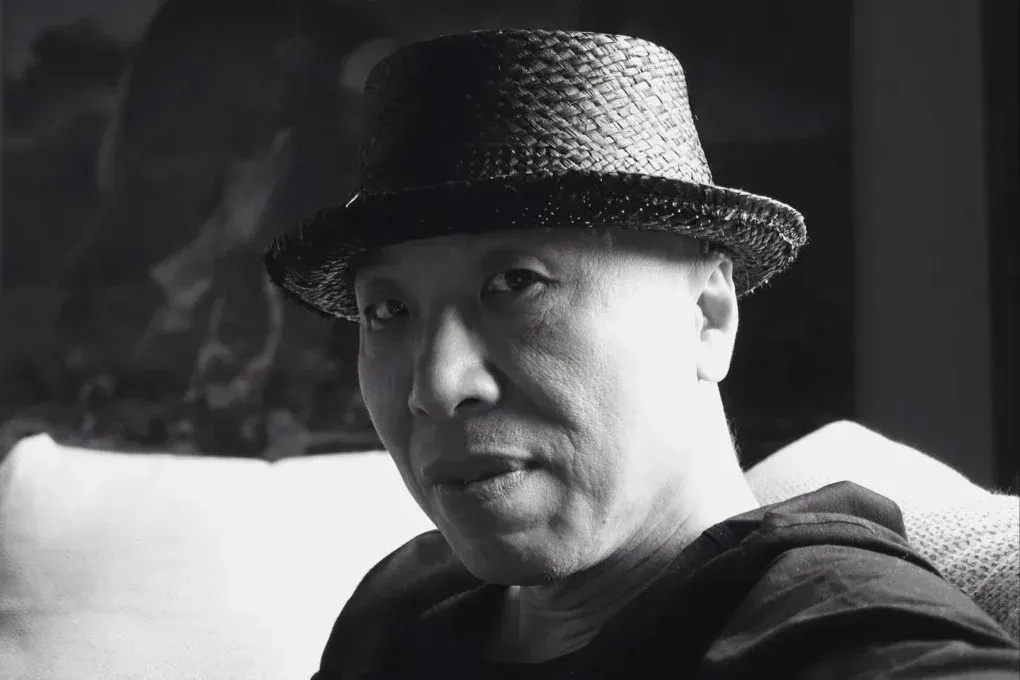
Chinese dissident artist Gao Zhen has been sentenced to three years in prison over sculptures of Mao Zedong, founder and former leader of the Chinese Communist Party (CCP). The verdict, delivered on August 25 at the Sanhe City People’s Court in Hebei Province, found Gao guilty of slandering CCP revolutionary figures, an offense under China’s Law on the Protection of Heroes and Martyrs.
Gao, who is 70 years old and currently a US permanent resident, had been held at a detention center for two years prior to the ruling. He was arrested in August 2024 while visiting family in China with his wife and son, having traveled from New York, where he had been based since the ’80s. He and his younger brother, Gao Qiang, make up the Gao Brothers, an artist duo known for satirical works criticizing Mao and the Cultural Revolution (1966–77), during which their father was killed.
According to multiple sources, including The New York Times and the Human Rights Foundation (HRF), prosecutors cited sculptures the Gao Brothers created some 15 to 20 years ago, including Mao’s Guilt (2009), a bronze statue of Mao kneeling in repentance; the Miss Mao series (2006–09), which gives the former CCP leader exaggerated, feminized features; and The Execution of Christ (2009), which depicts multiple Mao-like figures aiming guns at Jesus. Gao’s wife and son, who have been unable to leave China since his detention, were barred from attending the hearing.
The case has drawn condemnation from international artists and human rights organizations. In 2025, Ai Weiwei, who was also detained by Chinese authorities in 2011, published a letter from Gao Zhen on China News Digest. “I knew for years that I was on my way to prison,” Gao wrote, asking Ai for support.
Sarah Brooks, China director of Amnesty International, called the conviction an attempt to deter independent artistic expression. “No artist should face criminal punishment for creating work that challenges official narratives or encourages critical reflection on history,” she said. “This trial demonstrates how broadly worded and politically motivated laws are used.”
Gao’s three-year sentence takes into account the two years he already spent in detention; if upheld, his term would conclude in August 2027. Amnesty International said he plans to appeal the conviction.