Sponsored
Making in a Changing World—New Online Course on How Art Confronts the Environment in Southeast Asia
National Gallery Singapore’s free online course, part 3 featuring Art Labor, Sharon Chin, Sopheap Pich, and Robert Zhao Renhui. Enroll now!
In a time of growing environmental uncertainty, what does it mean to make art amid a changing world?
Developed by curators and educators from National Gallery Singapore, the final installment of the online course series Art and the Environment in Southeast Asia: Making in a Changing World investigates how artists from the region respond to environmental change through creative practices rooted in community and place. Learners can start the course anytime for free.
Over five weeks, learners explore how Southeast Asian artists respond to environmental change through practices grounded in community and place. Works by Art Labor (Vietnam), Sharon Chin (Malaysia), Sopheap Pich (Cambodia), and Robert Zhao Renhui (Singapore) demonstrate diverse approaches that connect material, place, and community. These practices reveal how art can illuminate, critique, and address urgent ecological issues.
The course provides opportunities for critical analysis, and discussion-based activities. Learners will engage with artworks, hear from artists in exclusive interviews, explore scholarly resources, and discuss how these practices resonate within and beyond Southeast Asia.
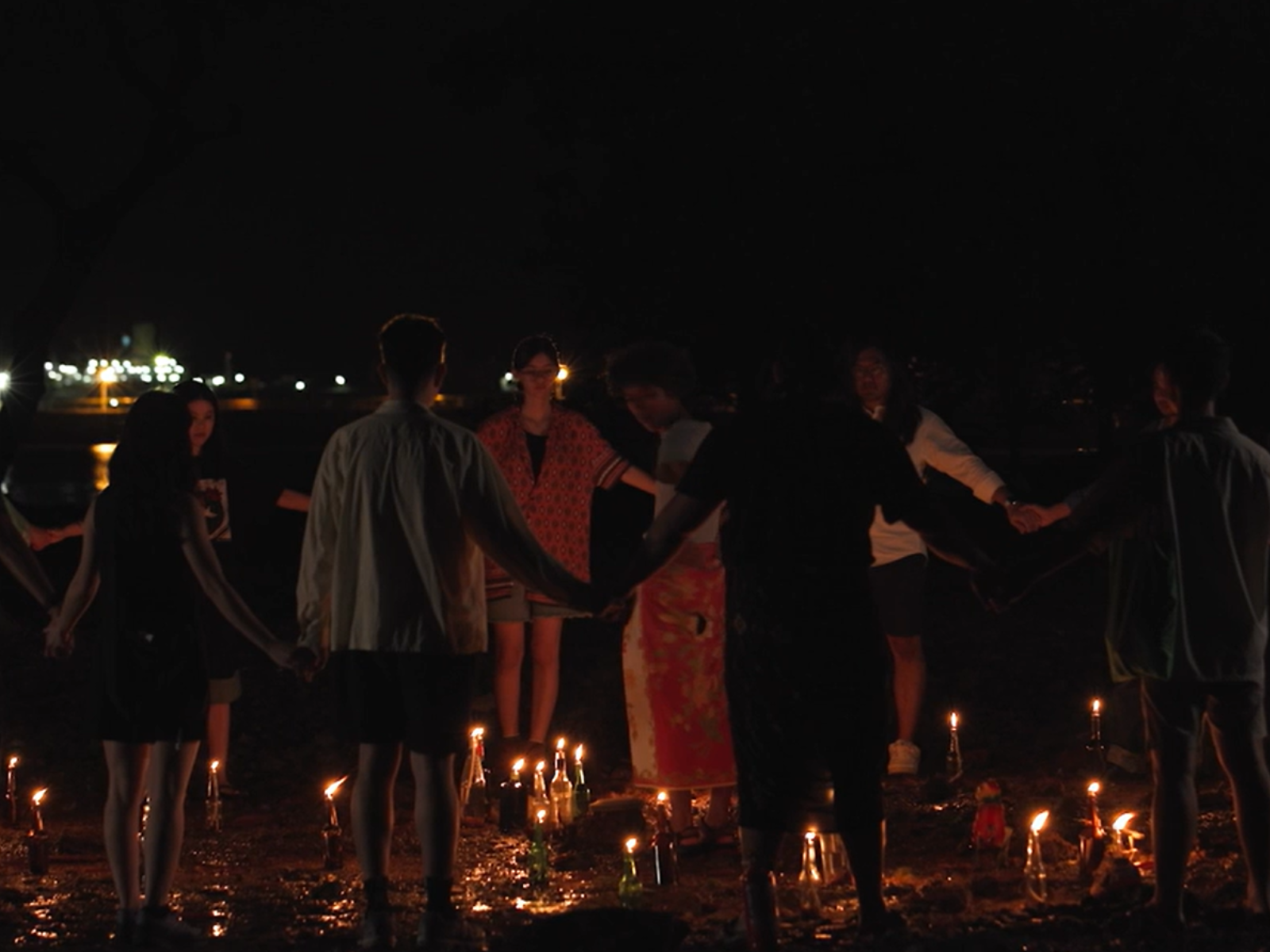
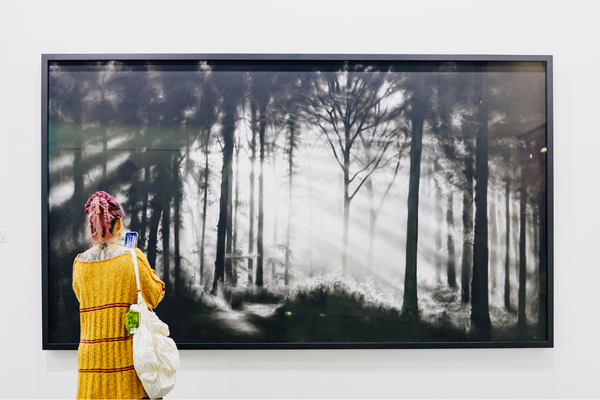
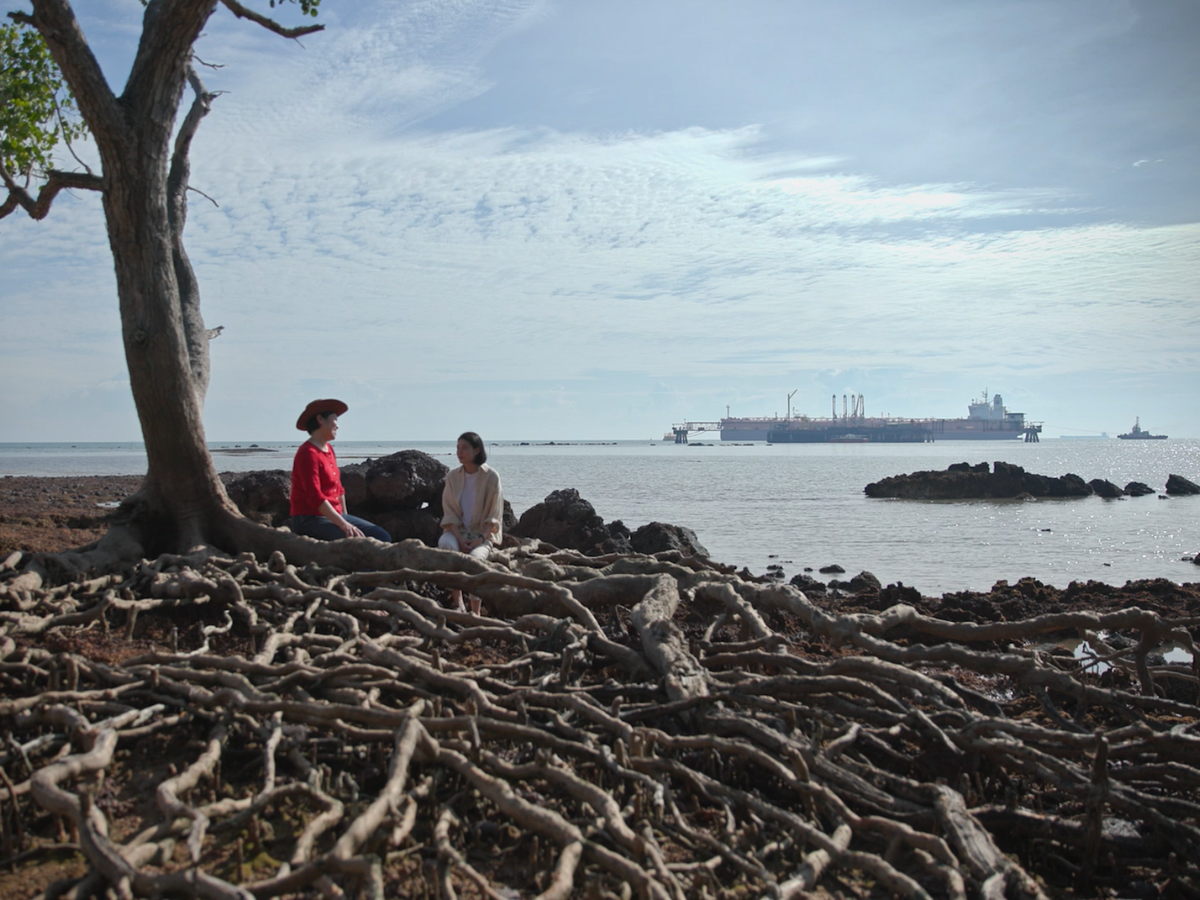
Guided by the voices of artists and their collaborators, learners engage with creative practices across the region. Artist Sharon Chin, together with her local collaborators, leads learners through a portal ceremony on the beaches of Port Dickson, inviting empathy and collective reflection on the loss of two mangrove trees. Robert Zhao Renhui’s Seeing Forest (2024), conceived for the Singapore Pavilion at the 60th Venice Biennale, examines Singapore’s secondary forests. Through immersive installations, photography, and archival materials, the work encourages learners to explore human relationships with forests, ecological change, and the tensions between conservation and exploitation.
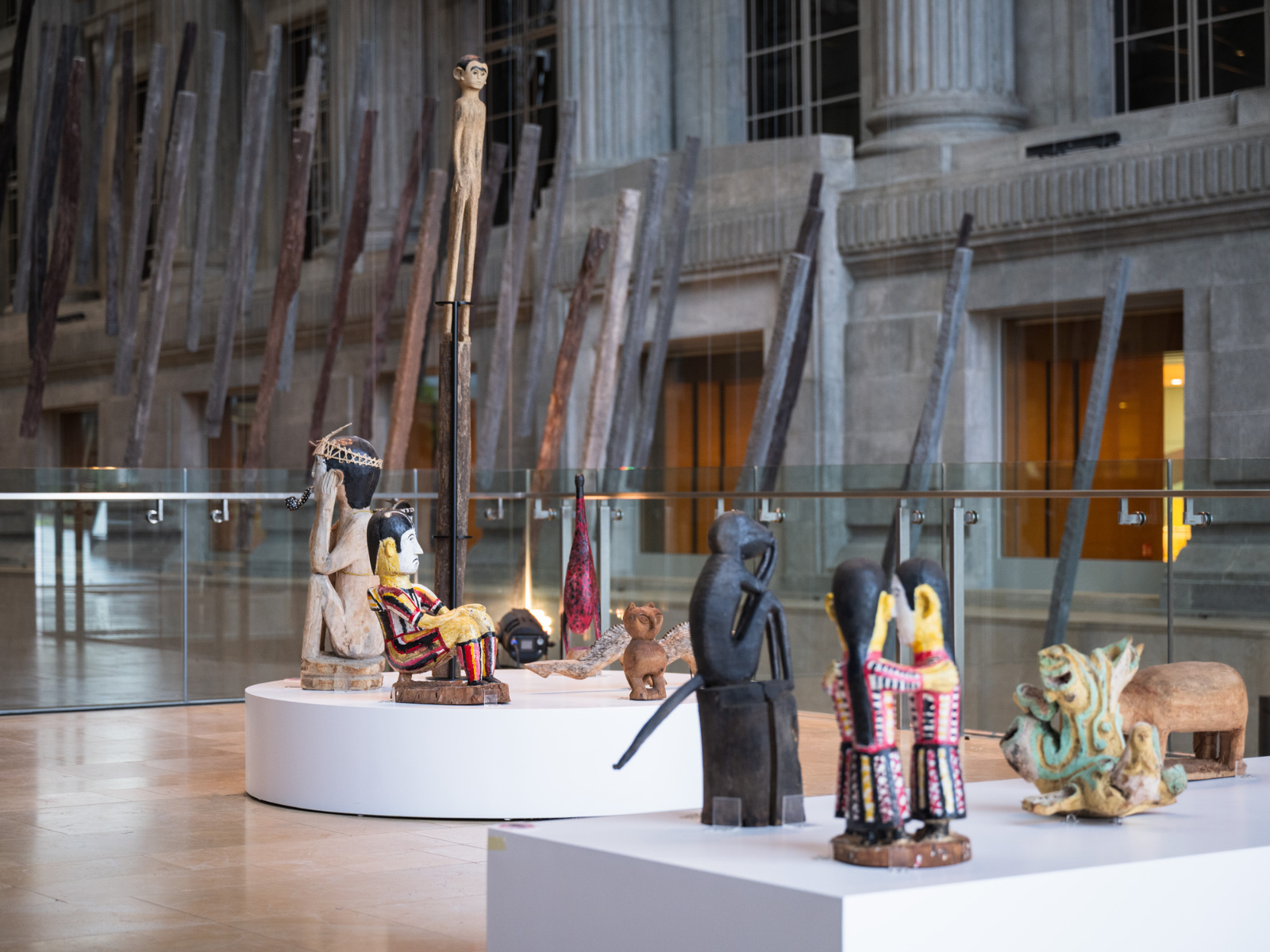
Art Labor’s Angin Cloud (2025) brings learners to the highlands of Central Vietnam. The large-scale, participatory installation features suspended pillars inspired by the industrialization of rural land, Jrai wood sculptures, and hammocks to recline in. As they engage with the work, learners encounter notions of change rooted in the Jrai community’s belief in metamorphosis, gaining a direct entry point into the complex dynamics of modernization that have reshaped both land and people.
Artist Sopheap Pich brings learners into his studio and backyard of natural and scrap materials in Cambodia. Transforming rattan, bamboo, and aluminium into artworks that reflect cultural values, personal stories, and the textures of everyday life, learners are invited to reflect upon impermanence, memory, ready-made objects, transformation, and the traces of history and time embedded within the materials.
Making in a Changing World, available online for free, completes the Art and the Environment in Southeast Asia course series. Sign up here to join a global community of learners and explore how contemporary art can inspire dialogue, reflection, and action around environmental change. To further your learning, explore Environment as Contested Space and Landscape as Ideology, Parts 1 and 2 of the Art and the Environment in Southeast Asia.
Featuring
Art Labor (Collective), Sharon Chin (Artist), Goh Sze Ying (Curator, National Gallery Singapore), Sopheap Pich (Artist), Teo Hui Min (Curator, National Gallery Singapore), Robert Zhao Renhui (Artist).
About Art and the Environment in Southeast Asia
Across historical and contemporary contexts in Southeast Asia, this three-part online course series examines how environments are shaped, contested, and reimagined—from critiques of development and extraction, expressions of colonial and nationalist frameworks, to practices grounded in material, process, and community. Drawing on artworks, archives, and conversations with artists, curators, and researchers, the series offers insight into how artistic practice in the region reshapes relationships between people, place, and the environment over time.
About National Gallery Singapore
National Gallery Singapore is a visual arts institution which oversees the world’s largest public collection of Singapore and Southeast Asian modern art. As part of our commitment to fostering global conversations around regional art, we are the first national arts institution in the region to offer online courses on Southeast Asian art.
For more information on National Gallery Singapore, visit https://www.nationalgallery.sg/.