Issue
Wong Ping on Shūji Terayama
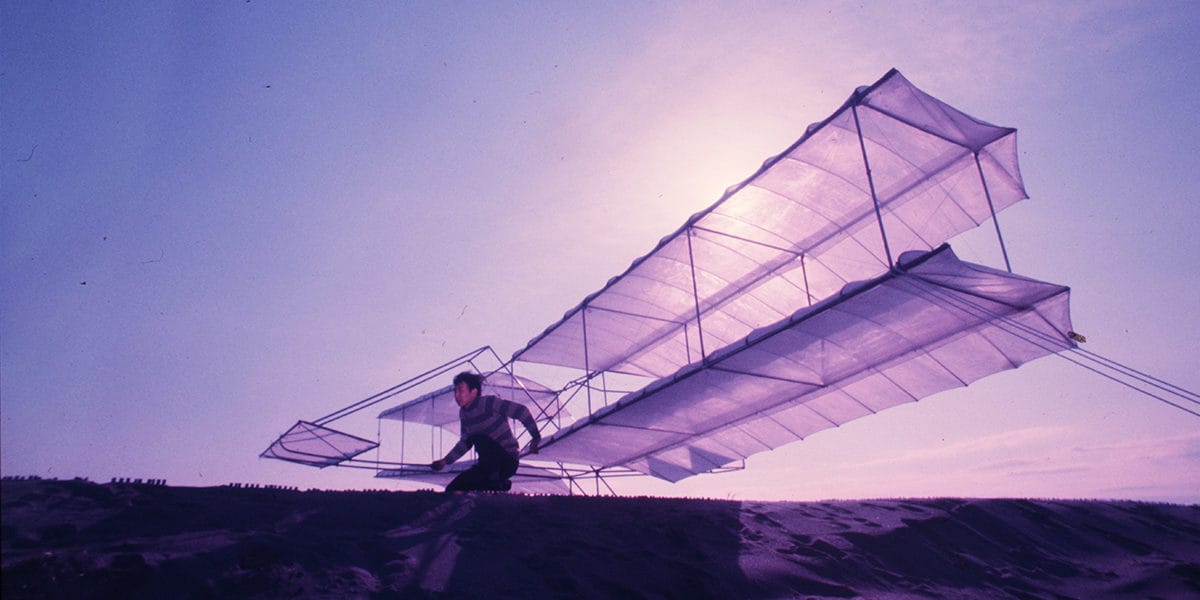
Traces of Shūji Terayama have appeared throughout different moments of my life. As a student, I stumbled across his experimental shorts, bewildered and not entirely sure what I was watching. Years later, working, I finally watched his films. Only recently, when new translations appeared, did I begin reading his poetry. Since Terayama spent his 20s primarily as a poet, I have essentially been moving through his life backward, encountering him in reverse. Born in 1930s Japan and having lived through World War II, “home” became one of the inescapable themes that haunted him throughout his life. He lied compulsively, publicly, insisting he was born on a train, a child without origins, without anywhere to return to.
He made his name early through poetry. Then came the cultural and political essays, the lyrics, the scripts, and the novels. He also showed up on television frequently as a commentator on horse racing and boxing. By the mid-60s, he moved into making installations, experimental shorts, underground theater, feature films, and photography books. He was probably the most radical figure of his generation. When asked to describe his profession, he simply said: “My profession is Shūji Terayama.”