Issue
Up Next: 2026
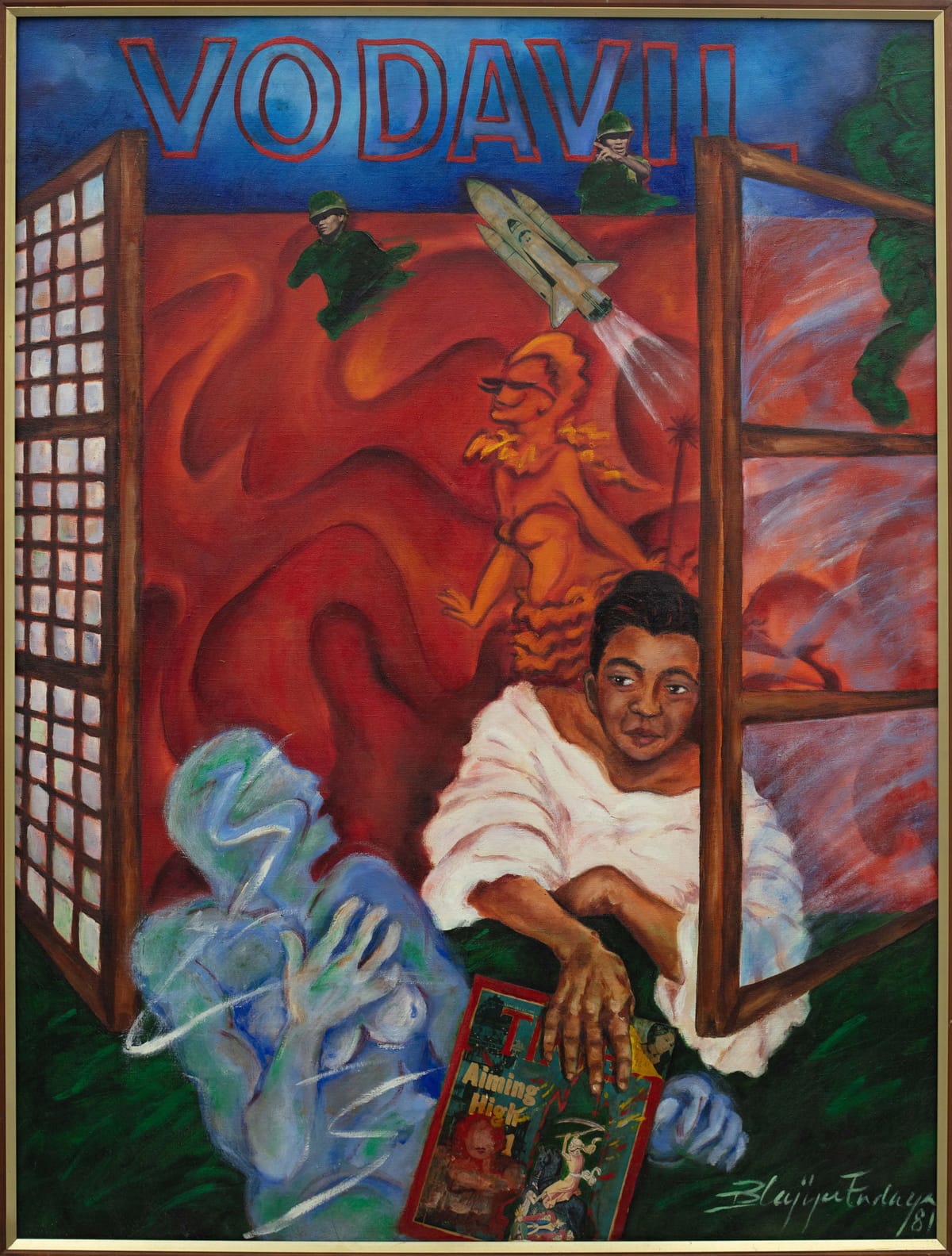
Fear No Power: Women Imagining Otherwise
National Gallery Singapore
Jan 9–Nov 15, 2026
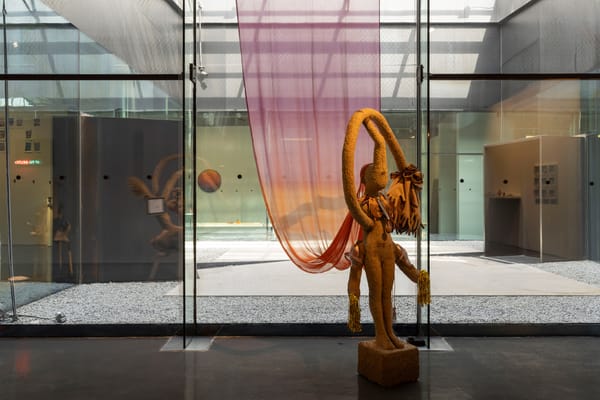
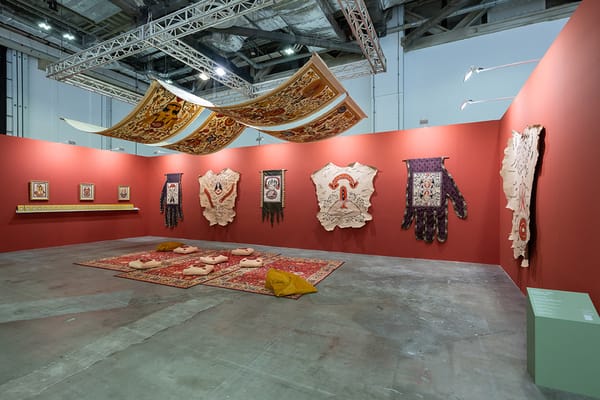
The exhibition spotlights five prominent Southeast Asian artists— Nirmala Dutt, Imelda Cajipe Endaya, Amanda Heng, Dolorosa Sinaga, and Phaptawan Suwannakudt—whose practices intertwine art, life, and community. Spanning the 1960s to the 2010s, their works engage with decolonization, Cold War tensions, and complex social change while tracing their own lived terrains.
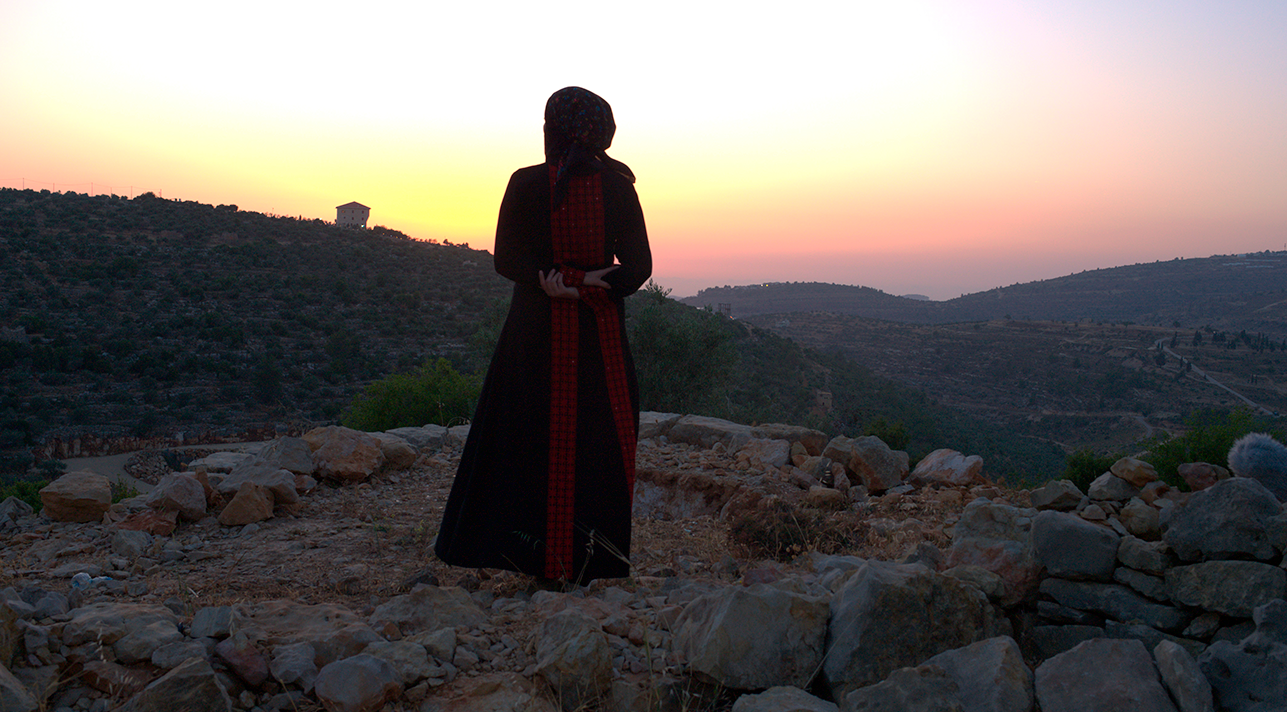
Basel Abbas and Ruanne Abou-Rahme
Museum of Contemporary Art Barcelona
Feb 13–Jun 28, 2026
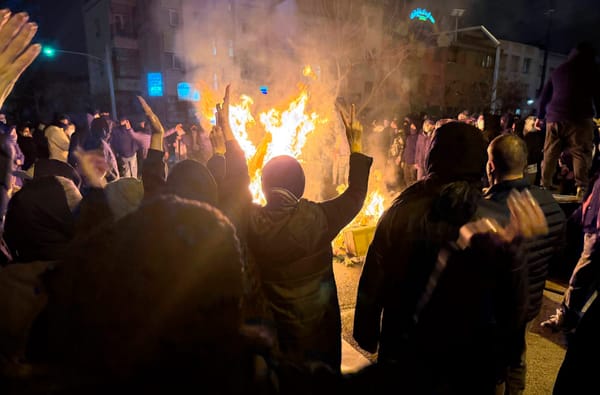
Based between New York and Ramallah, Palestinian artist duo Basel Abbas and Ruanne Abou-Rahme explores collective resilience in the face of oppression and dispossession through image, text, sound, and performance. Their first exhibition in Spain features earlier works and a new immersive audiovisual installation developed from songs, poems, and testimonies of prisoners, giving form to their yearning for liberation and their homeland.
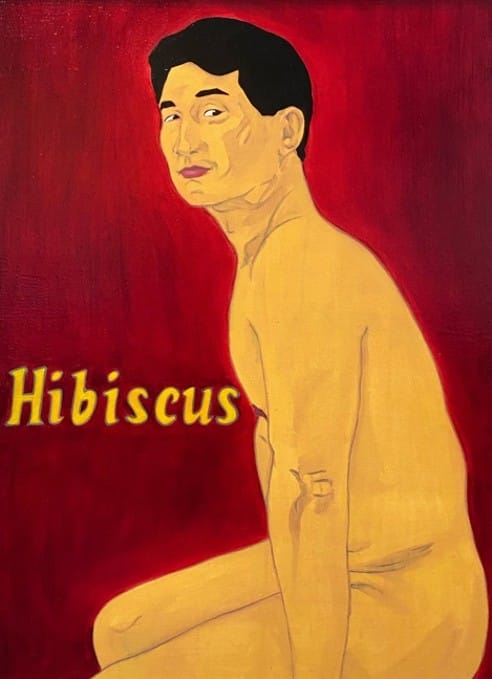
Spectrosynthesis Seoul
Art Sonje Center
Seoul
Mar 20–Jun 28, 2026
Co-organized with Hong Kong’s Sunpride Foundation, the fourth edition of “Spectrosynthesis,” an exhibition devoted to contemporary queer art and its histories, will be presented at Art Sonje Center in Seoul. New commissions by Korean and international artists juxtaposed with works from the foundation’s collection trace Korea’s queer exhibition history and the formations of LGBTQ+ communities in Asia.
Shilpa Gupta
Hamburger Bahnhof
Berlin
Mar 27, 2026–Jan 3, 2027
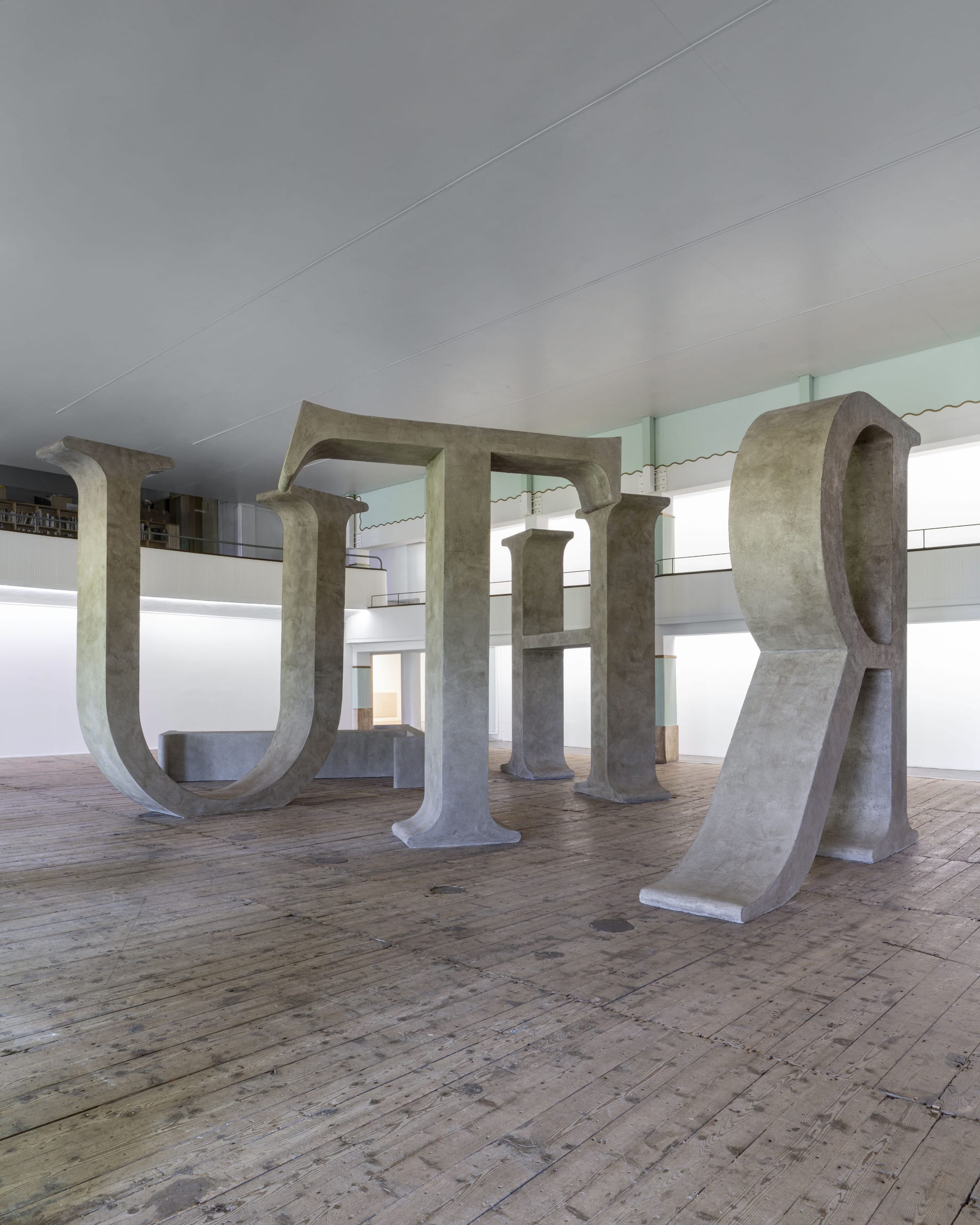
Shilpa Gupta often explores the dissemination and suppression of information and emotion, creating installations that engage written, spoken, and sung text as material. At Hamburger Bahnhof, her exhibition foregrounds this linguistic focus to probe the entanglement of language, borders, and power. Her practice is staged in conversation with works by Joseph Beuys, who likewise questioned how art can intervene in social structures.
Duan Jianyu
UCCA Center for Contemporary Art
Beijing
May 1–Aug 30, 2026
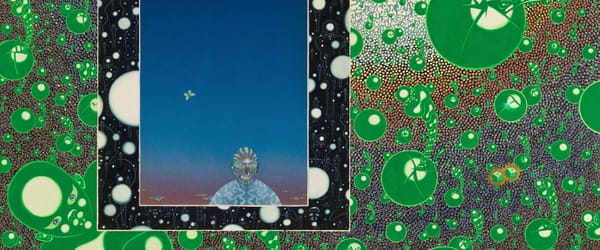
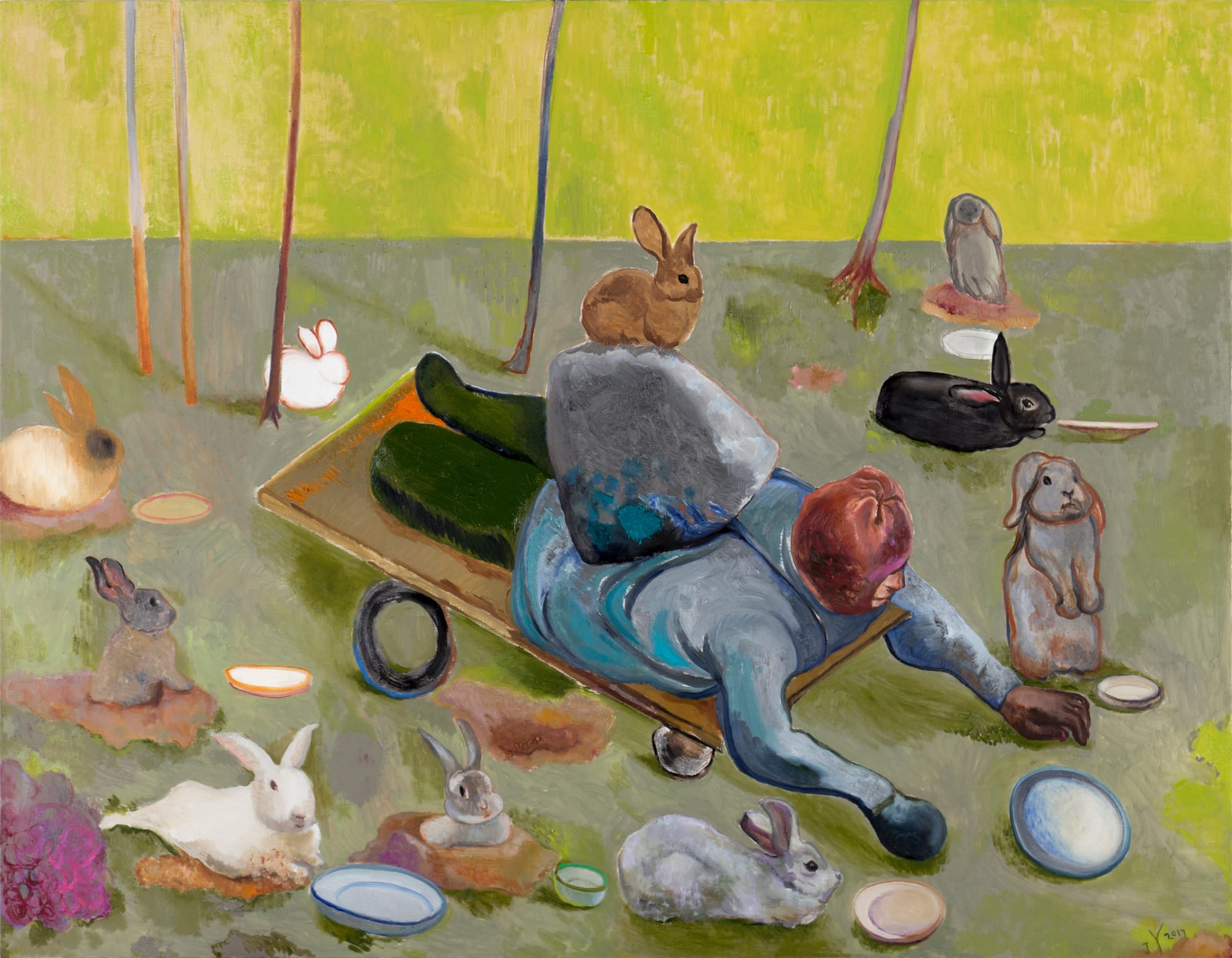
In Duan Jianyu’s artistic universe, wry humor and a quietly hopeful optimism filter through dense constellations of cultural references, activating collective memory while destabilizing underlying ideologies. This midcareer survey assembles several major bodies of work from the past decade, including Sharp, Sharp, Smart (2014–16), a series that signaled a pivotal shift in both her painterly vocabulary and conceptual concerns.
Ellen Pau
She Moves
SculptureCenter
New York
May 28–Aug 17, 2026
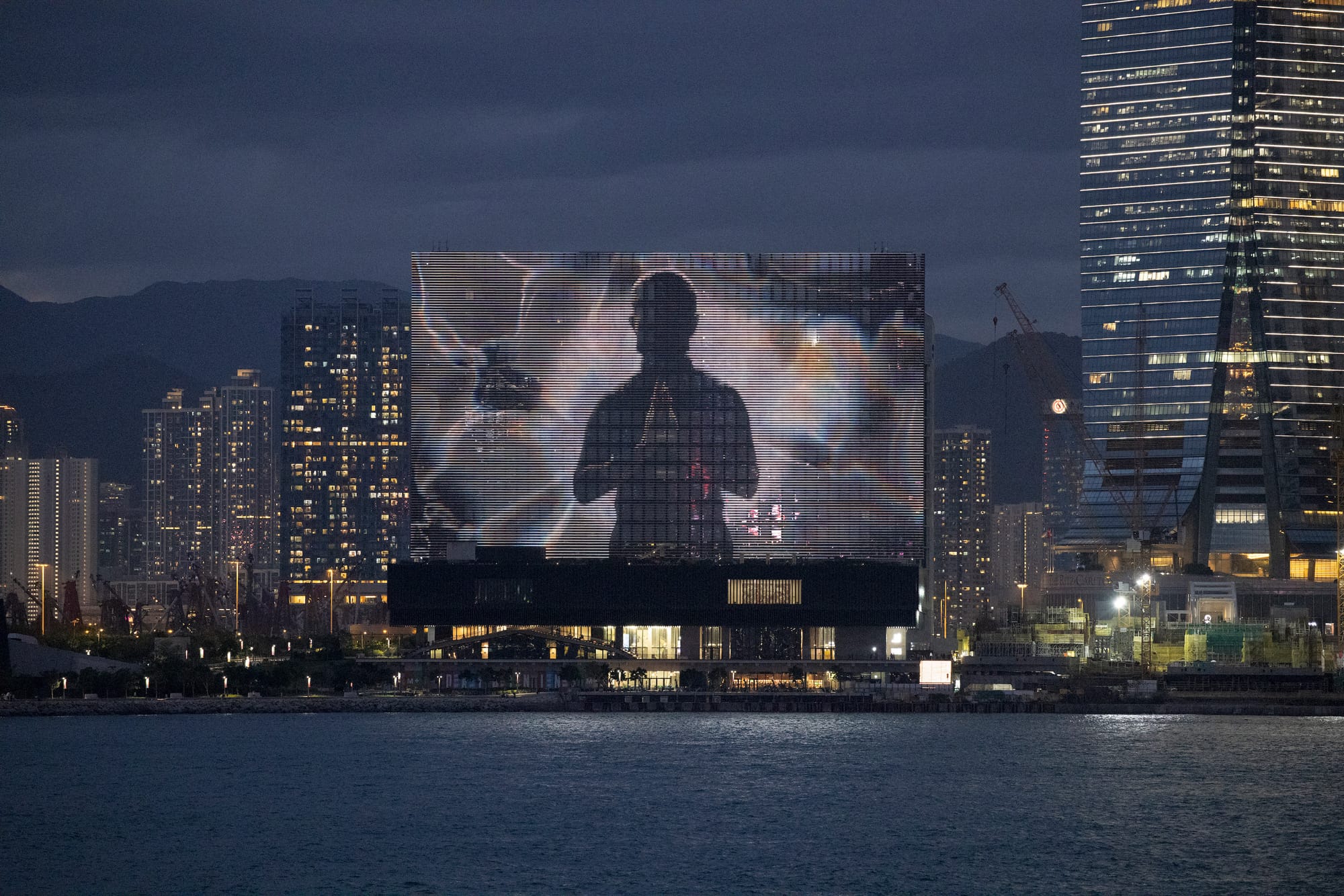
A trained diagnostic radiographer, Ellen Pau adapts medical and machine-based imaging into experimental video works that explore questions of gender, technology, and Hong Kong’s sociopolitical landscape. Her first US survey showcases key sculptures and video installations from the late 1980s to the present. Some landmark works are reconfigured to reflect the changing realities of Hong Kong public life.
Mire Lee
Secession
Vienna
Jun 12–Aug 30, 2026
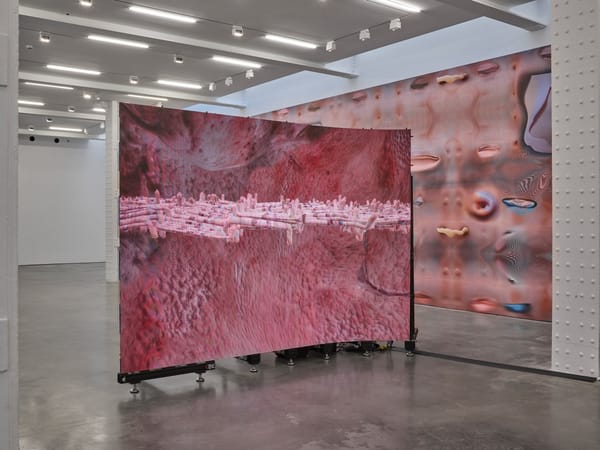
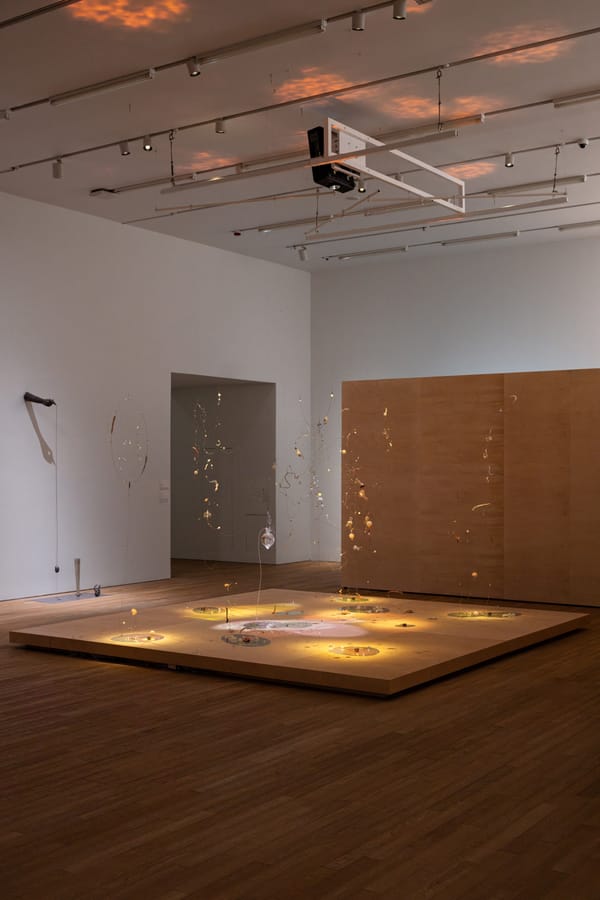
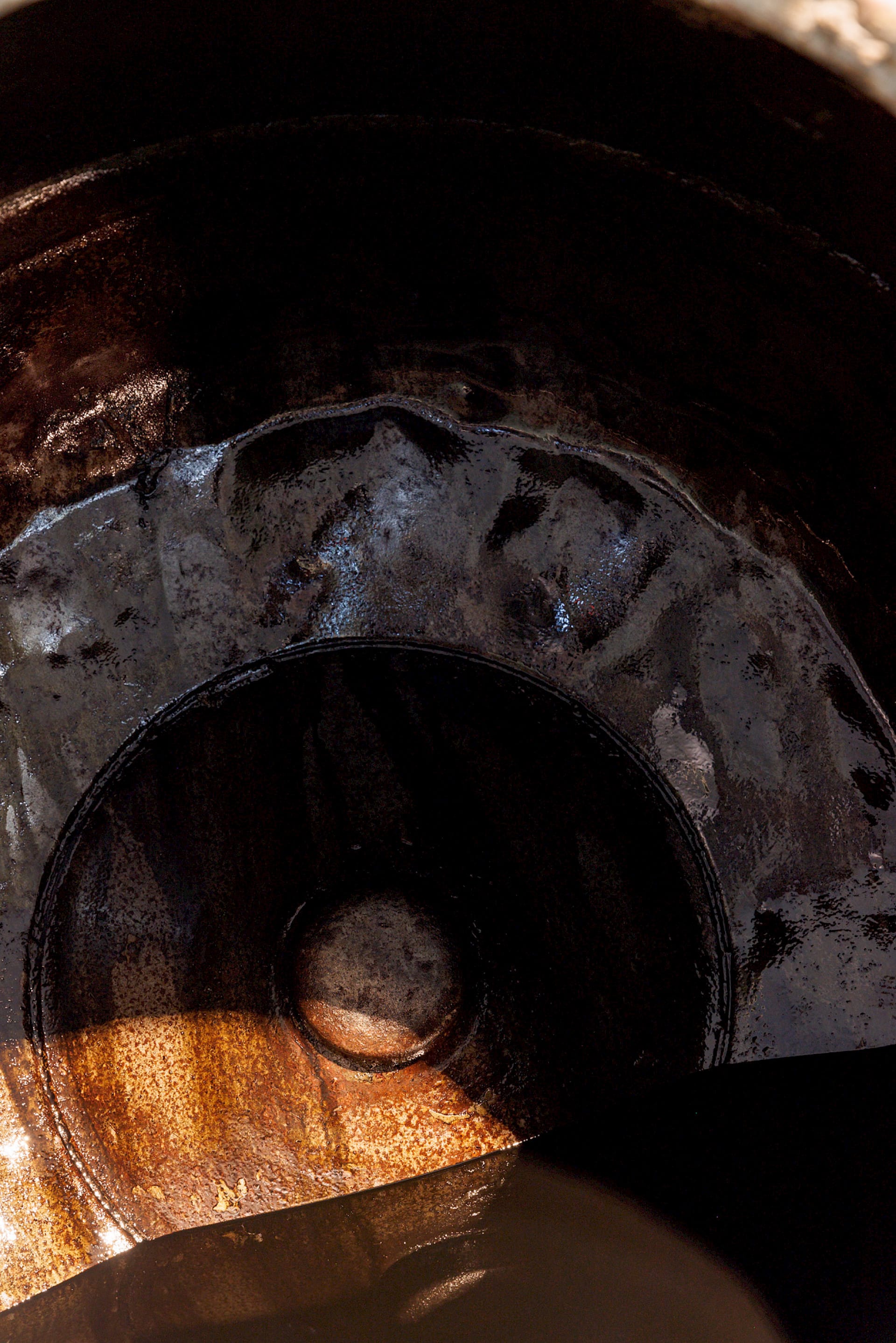
Mire Lee’s kinetic sculptural installations extend her ongoing inquiry of the body’s interior as a volatile environment, using motors, tubes, synthetic skins, and other substances to evoke quasi-organic systems. Their strained motions heighten viewers’ sense of flesh and fragility, drawing them into uneasy spaces where desire, anxiety, and dependence on machinery converge.
Amar Kanwar
Serpentine Galleries
London
Sep 23, 2026–Jan, 2027
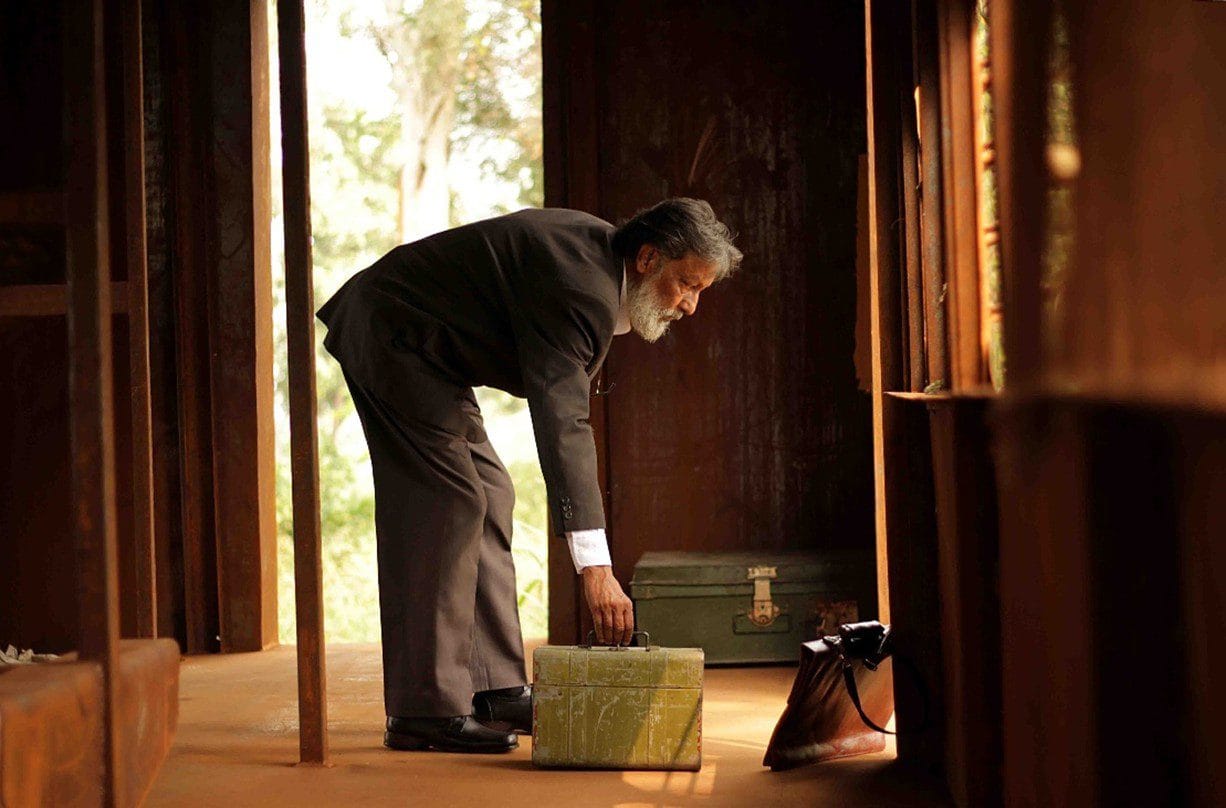
A longstanding collaborator with Serpentine Gallery, Indian artist and filmmaker Amar Kanwar creates lyrical films that move between documentary, travelogue, and visual essay to probe the social and political conditions of the Indian subcontinent. His upcoming exhibition threads together older and recent works, mining the legacies of partition, decolonization, and state repression.
Mariko Mori
Mori Art Museum
Tokyo
Oct 31, 2026–Mar 28, 2027
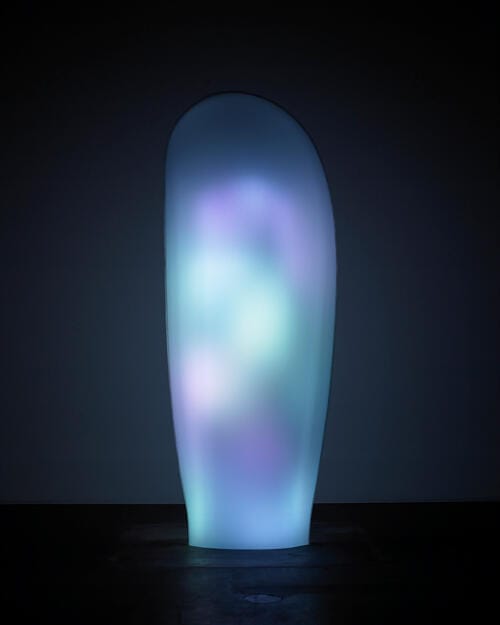
Since the 1990s, Mariko Mori has forged a distinctive fusion of futurist aesthetics, advanced technology, and ancient spiritual cosmologies, often drawing on Japanese myth and Buddhism. This major retrospective, her first exhibition in Japan since 2002, presents 80 works—interactive installations, videos, sculptures, photography, and archival materials—charting three decades of practice.