Issue
Tokyo: Living Memory: Interview with Yukie Kamiya
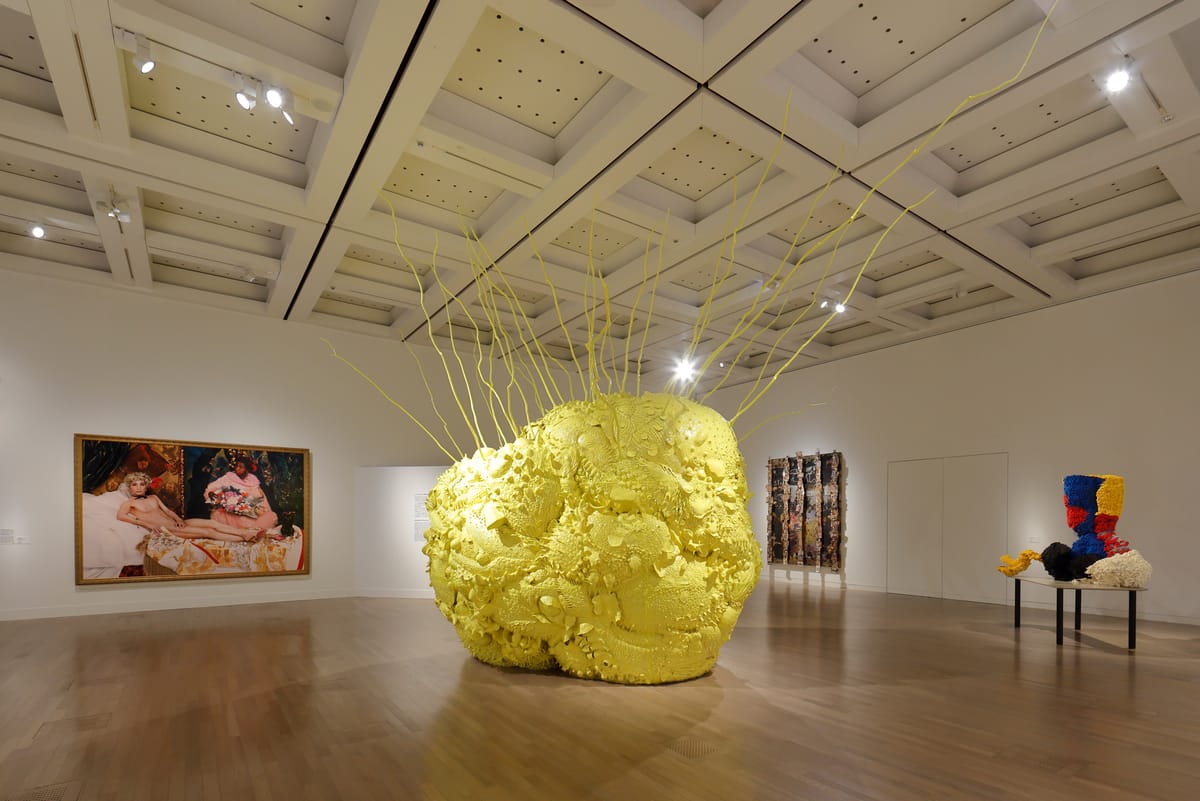
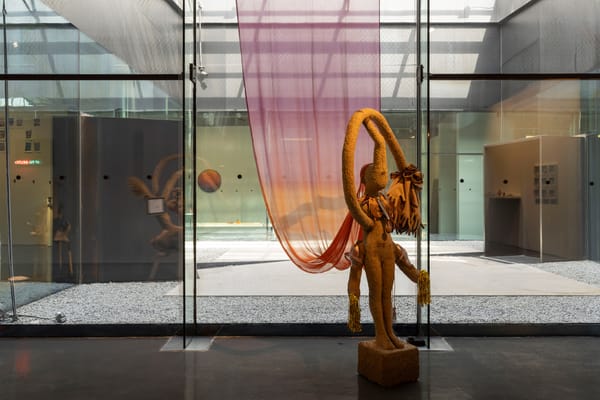
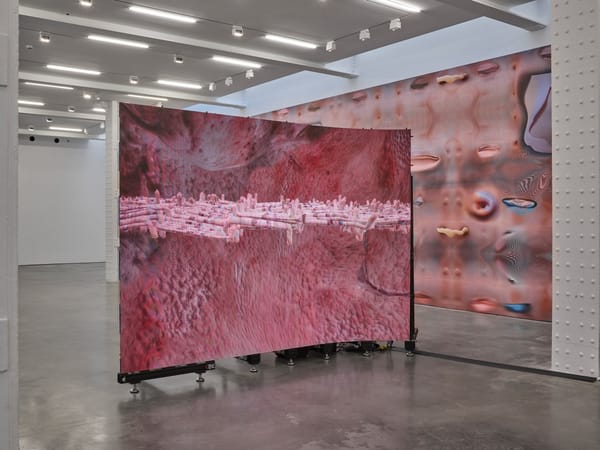
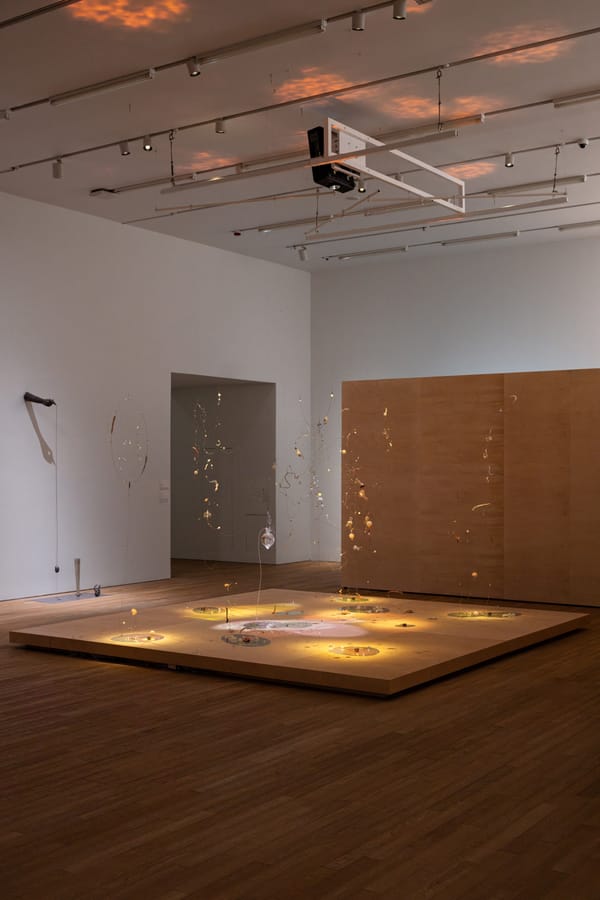
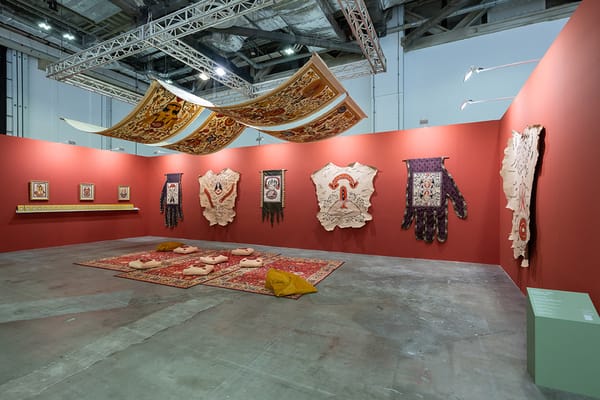
Few exhibitions have attempted to capture the transformative decades bridging the 20th and 21st centuries with the ambition of “Prism of the Real: Making Art in Japan 1989-2010.” Co-organized by the National Art Center, Tokyo (NACT) and Hong Kong’s M+, this expansive survey examined how over 50 artists refracted the sociocultural currents of Japan’s transition from the Showa (1926–1989) to Heisei (1989–2019) era. NACT’s Yukie Kamiya, who co-curated the show, talked about why this particular slice of history demands examination, and how the Tokyo-based institution is positioning itself within both regional Asian dialogues and global conversations.
I’m curious about the temporal framing of “Prism of the Real: Making Art in Japan 1989-2010”—why 1989 to 2010?
The year 1989 marked a crucial turning point for Japanese society. The Showa Emperor passed away, symbolically closing the war period and ushering in a new era. Globally, the fall of the Berlin Wall signaled the end of the Cold War. The entire world was moving toward something new. We chose 2010 as our end point, stopping just before the Tōhoku earthquake—another watershed moment. This period captures a fascinating transformation in society and geopolitics, when globalization essentially began to take shape.