Issue
Taipei: Open-Call Pageantry at the Precipice
This year, the global wave of populism reached Taiwan in the form of sweeping cultural funding cuts. A radical faction within the Kuomintang unexpectedly seized procedural control of the legislature, advancing a populist agenda that—under the banner of “fiscal discipline”—triggered unprecedented reductions in public funding. The Ministry of Culture’s USD 923 million annual budget saw a USD 35 million cut and a further USD 108 million frozen, despite a year of record tax revenues, while one pro-China legislator dismissed cultural subsidies as mere “begging,” recasting cultural labor as parasitic on the state.
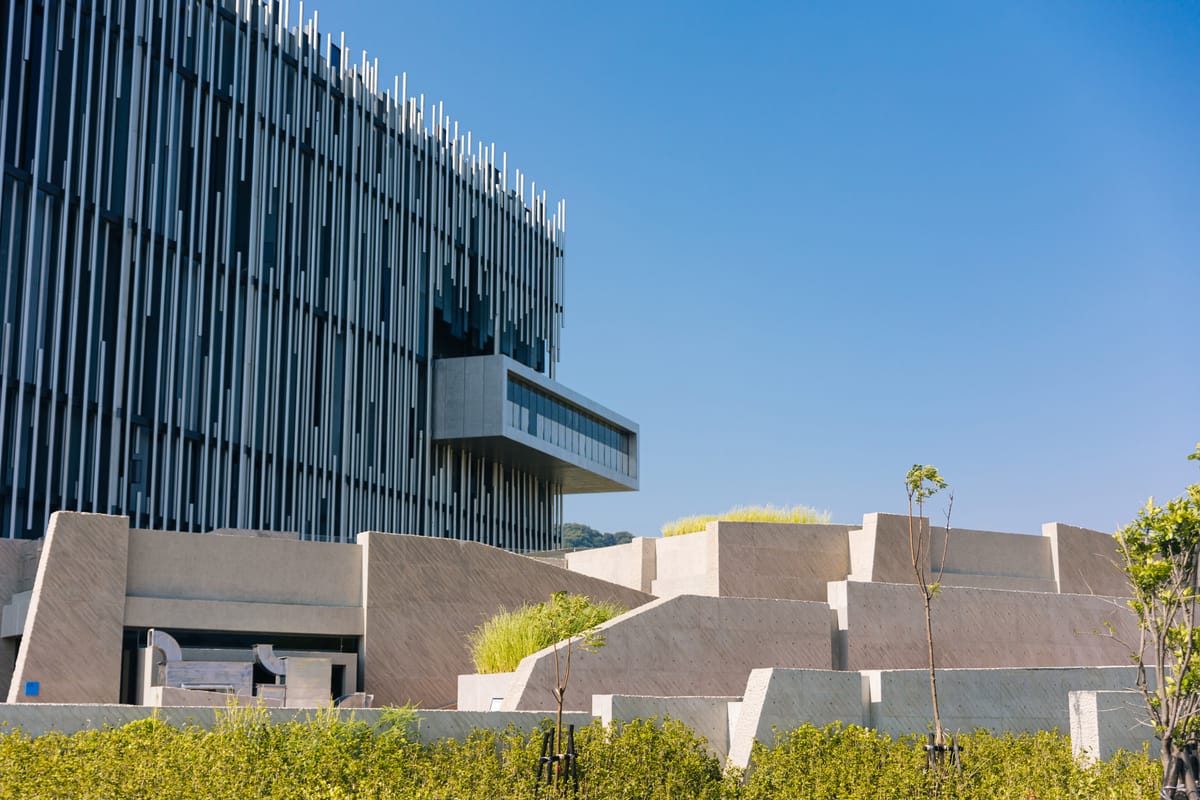
Despite much public outcry over the cuts, especially among artists dependent on government support, little analysis has situated this particular dispute within a wider pattern of global cultural institutions teetering on a populist precipice. A rare attempt—or at least an approximation—came at the New Taipei City Art Museum’s (NTCAM) inaugural forum on April 26, where international committee member and Chinese curator Hou Hanru drew on his former directorship at MAXXI and Italy’s far-right surge to reflect on the contradictions facing Western public museums. What appears as a democratic push for visitor numbers, he warned, risks devolving into populism by reducing complex issues to digestible narratives ripe for political manipulation, market pressures, and intellectual conformity. The opening of NTCAM coincided with the impending closure of IT Park, which is not an information tech hub, but a touchstone of Taiwan’s experimental art scene since 1988. This passing of the baton—from artist-run autonomy to municipal authority—signaled a paradigm shift islandwide, lending Hou’s remarks added urgency and underscoring how local exhibition production is increasingly vulnerable to who wields power and nationalist undercurrents.