Issue
Seoul: Beyond the K-Wave: An Art World at Crossroads
In the global art imagination, Seoul has become synonymous with energy and ambition—a “new art capital to watch.” Once considered an emerging hub, the city has transformed rapidly over the past five years, fueled by the postpandemic art-market boom, the arrival of Frieze Seoul, and an influx of international galleries seeking a foothold in Korea. Yet beyond the spectacle of fairs and the rhetoric of the “Korean Wave” (also known as Hallyu or the “K-wave”), deeper questions surface about sustainability as well as the long-term impacts of cultural diplomacy and a nationalized “K-Art” brand. The proliferation of spaces and institutional enthusiasm has made Korea a closely watched scene in East Asia and abroad, but in 2025 the atmosphere felt different. If last year cast Korean art as “the thing of the moment,” this year prompted a more reflective question: can the momentum last?
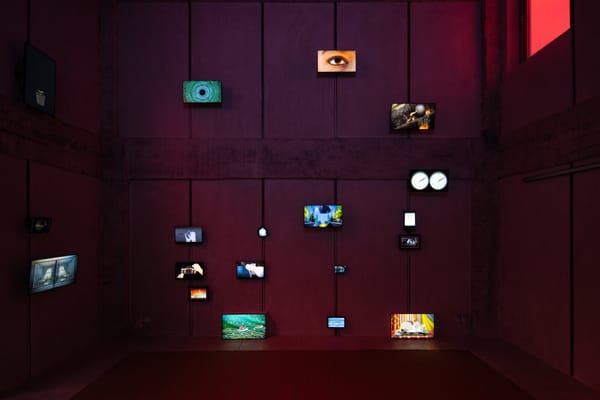
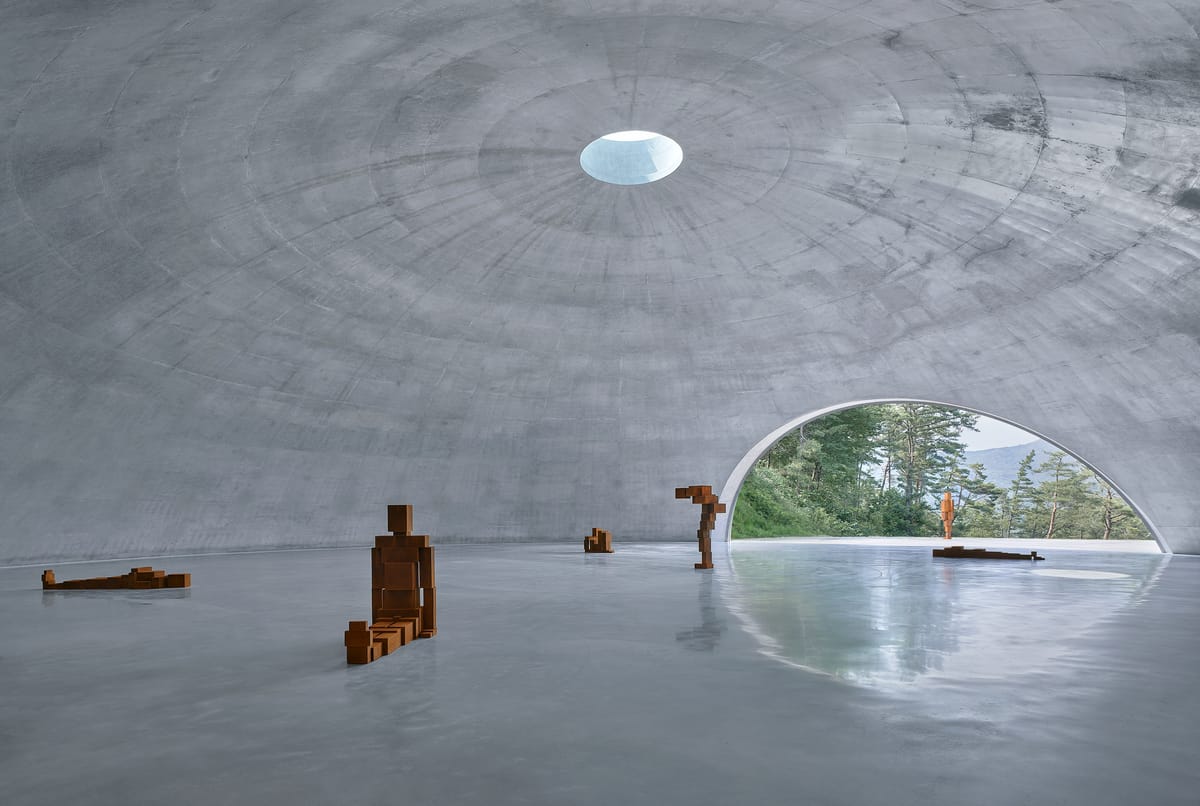
Seoul remains an extraordinary center for contemporary art, upheld by a potent combination of state-led cultural policy, dynamic public and private institutions, and powerful corporate patrons. Together, these forces continue to generate a dense calendar of exhibitions and events that secure the country’s position on the international art map. Among this year’s highlights were Antony Gormley’s blocky humanoid sculptures at Museum SAN’s new Tadao Ando-designed permanent pavilion; Mark Bradford’s retrospective, “Keep Walking,” at Amorepacific Museum of Art; the Seoul Mediacity Biennale’s thoughtful engagement with the intersection of the spiritual and the technological; and Leeum’s landmark survey of Lee Bul, which traced her work from 1998 to the present day. The fair and festival ecosystem remained relatively vibrant, with Frieze Seoul’s more measured fourth edition; the new Korean branch of Loop Barcelona, Loop Lab Busan; and a series of satellite initiatives extending the conversation beyond the capital.