Issue
Kanazawa: SIDE CORE Living road, Living space
SIDE CORE
Living road, Living space
21st Century Museum of Contemporary Art, Kanazawa
The history of artist collectives in Japan reflects a sustained tradition of collaborative experimentation shaped by postwar reconstruction, social upheaval, and a homegrown desire to redefine art’s relationship to society. From the Gutai Art Association’s radical experiments with materiality and performative action to Dumb Type’s multimedia investigations of alienation, consumer excess, and the impact of emerging technologies in late 20th century Japan, this lineage of cooperation-based practice endures. Elsewhere in Asia, artist groups have foregrounded resource-sharing and alternative infrastructures in response to sociopolitical or environmental pressures.
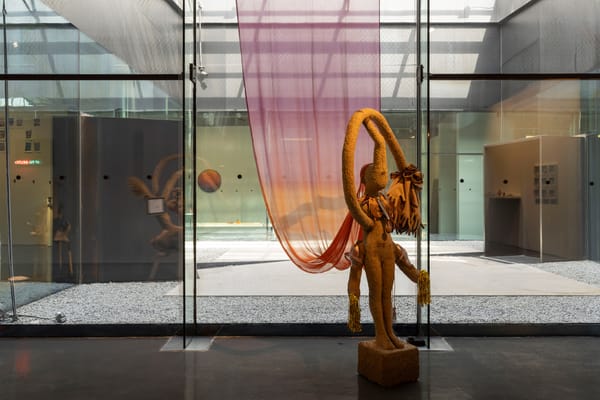
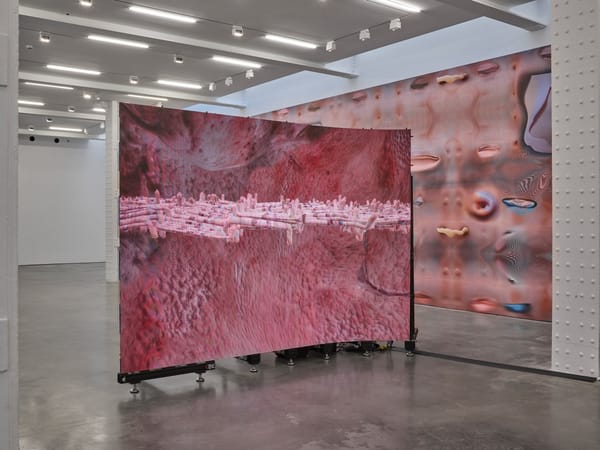
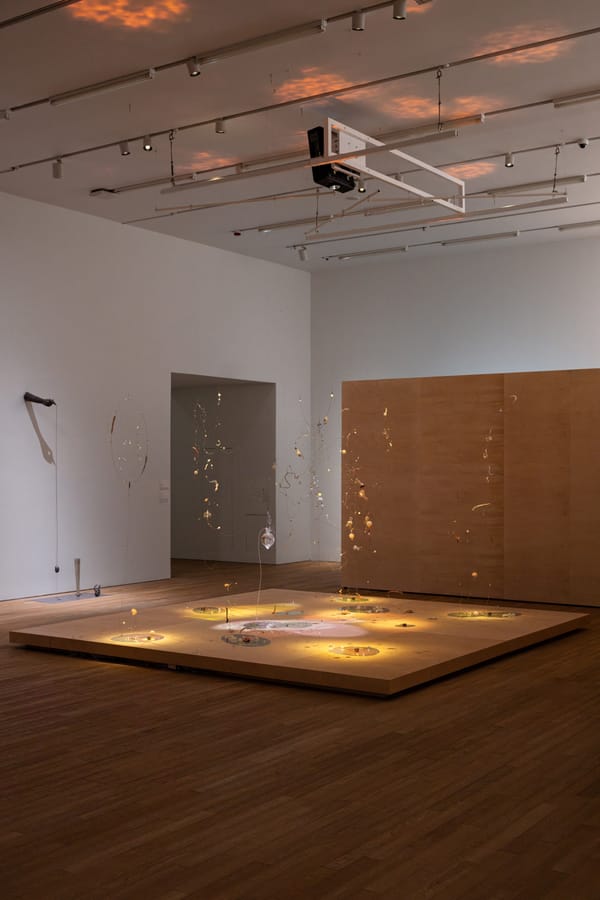
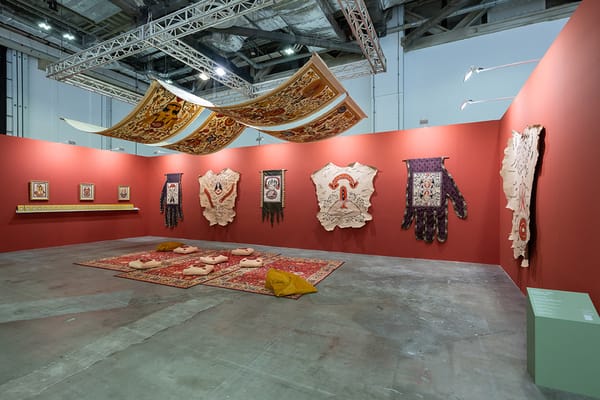
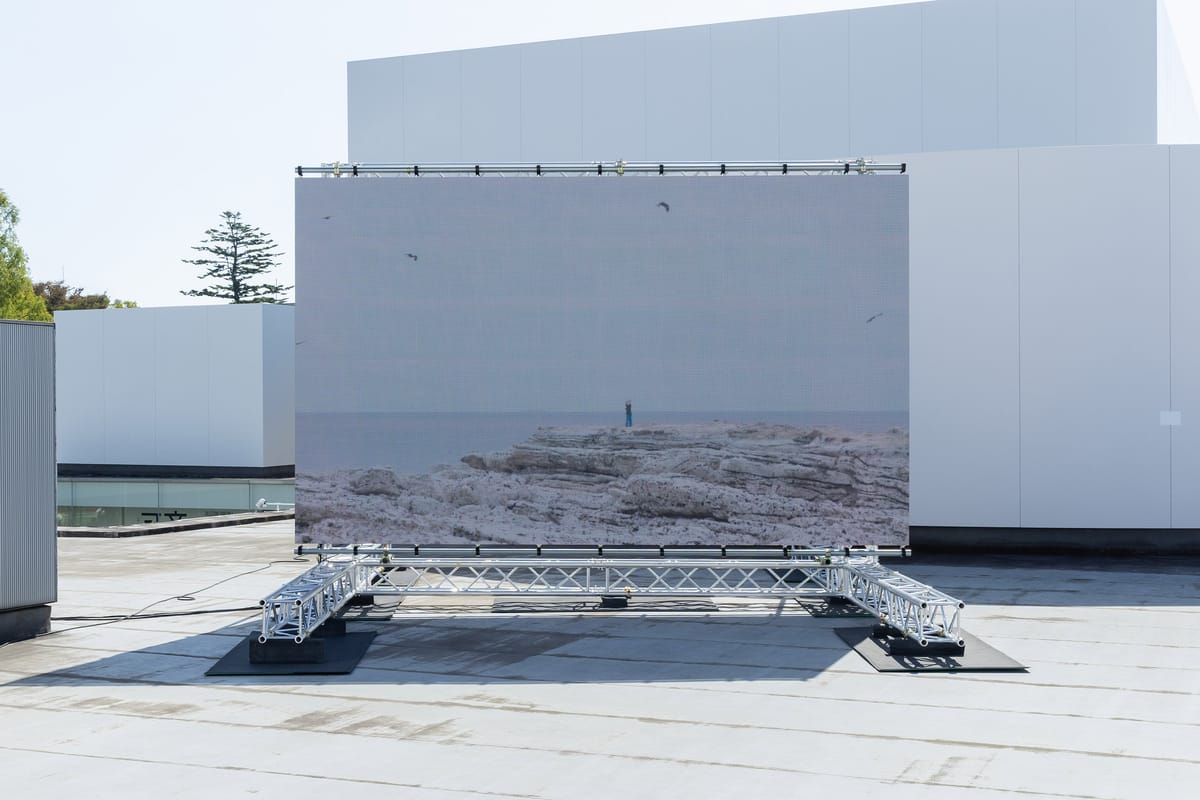
SIDE CORE’s exhibition “Living road, Living space” at the 21st Century Museum of Contemporary Art, Kanazawa, extended this genealogy with a present-day inflection. Founded in Tokyo in 2012 by Sakie Takasu, Tohru Matsushita, and Taishi Nishihiro, along with Kazunori Harimoto as video director, the group emerged from reflections on the 2011 Great East Japan Earthquake. Drawing on their collaborations with graffiti artists and skateboarders, they reimagined subculture rebellion toward something broader, connecting metropolitan centers with places marked by catastrophe, distance, and economic disparity.