Issue
Almaty: Kazakhstan’s Cinema Reborn: Interview with Jamilya Nurkalieva

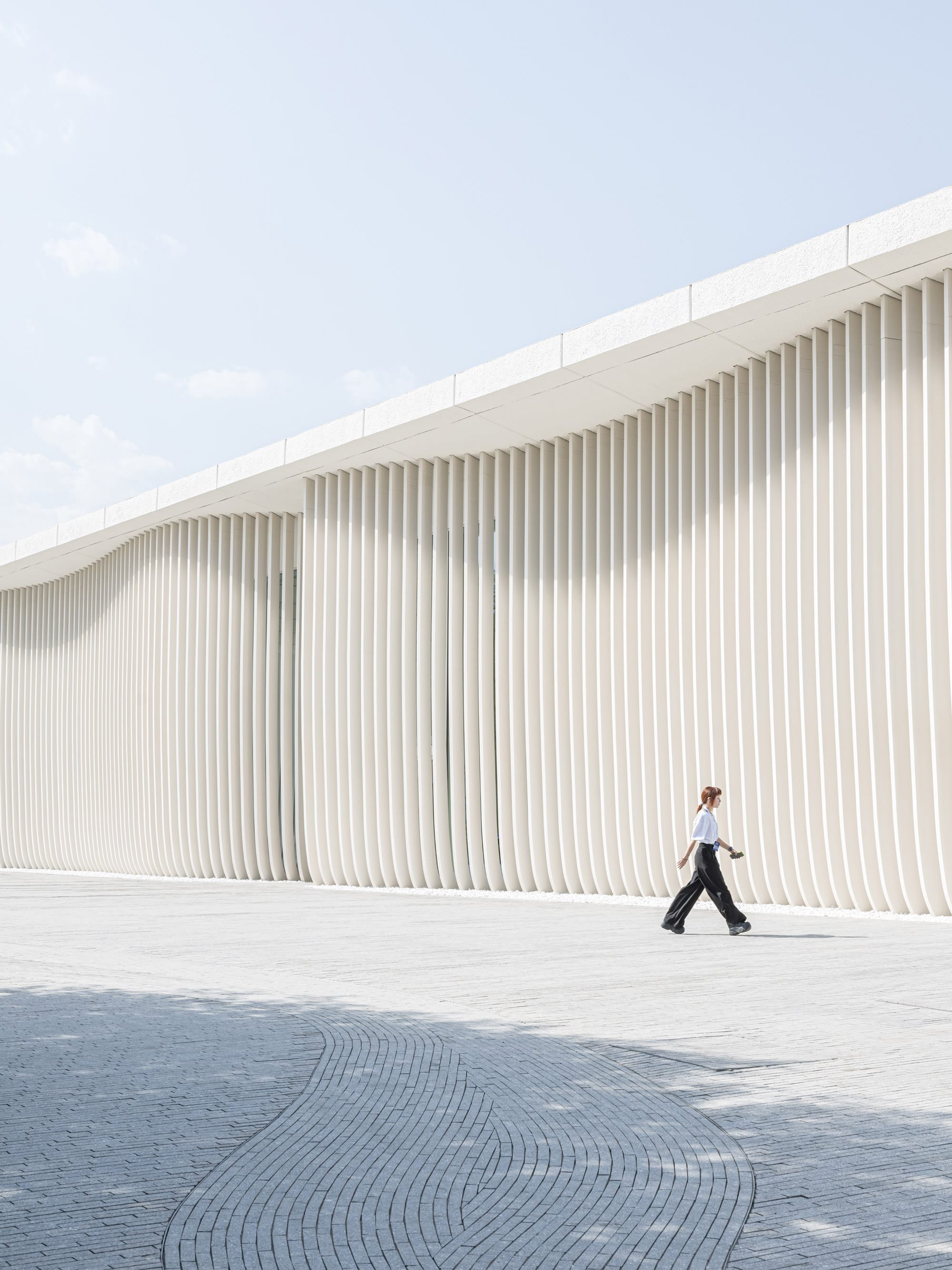
Founded in 2018, Kazakhstan’s first private, independent kunsthalle-style institution, the Tselinny Center of Contemporary Culture, officially opened its doors this past September. Historically, the site was one of the largest Soviet cinemas in Central Asia. Today, through the architectural vision of Asif Khan and Zaure Aitayeva, it has been transformed into a sprawling Brutalist complex that stages ambitious exhibitions, film screenings, performances, and public programs that interlace local urgencies with global discourse.
At its helm is director Jamilya Nurkalieva whose vision anchors the institution. The day after its inauguration, Nurkalieva discussed Tselinny’s mission to be a catalyst in a burgeoning ecosystem where Kazakhstan’s artists are empowered to risk, fail, and redefine the possible.
In what ways does the Tselinny Center of Contemporary Culture navigate the tensions between Kazakhstan’s post-Soviet legacy and the global expectations, ensuring that local voices aren’t overshadowed by international trends?
Our work here is distinctly international, not in mimicking trends, but in tackling profoundly original and important issues. As a former Soviet republic and a close partner of Russia, Kazakhstan has also been a vast laboratory for political experimentation in the past. We inherited Soviet legacies like the Semipalatinsk Polygon, the Baikonur Cosmodrome, the Aral Sea ecological disaster zone, and the Virgin Lands Campaign. These initiatives, while significant, have led us to face environmental catastrophes, widespread soil erosion, and the dwindling of water resources. The issue of water scarcity is not merely local to Central Asia; it is deeply felt both regionally and globally.