Ideas
In Search of a New Image: On Bi Gan’s “Resurrection”
Life is digital: in recent years, we have lived through the first global elections in which generative AI tools manipulate images and create deepfakes while catering highly convincing propaganda to targeted audiences and communities. In visual culture, we are experiencing a profound impact on image production, one that implicates art history, film, photography, and media theory. Deep learning algorithms transform the ways in which images are fabricated and seen. Indeed we are witnessing the formulation of a new indexical bond to reality. What Roland Barthes had identified as the photograph’s relationship with the past—ça a été (that-has-been)—can no longer define the ontology of the image. In the contemporary visual regime, Barthes’s formulation stands as a theoretical legacy of the past. Instead, text has replaced the centrality of the image—at least in its agency—and has become itself a key factor in visual culture: pictures are generated by text-to-image models, making them direct products of what is “sayable.”
How AI is impacting the concepts of vision, imitation, original versus copy, and index versus indexing remains understudied by art historians and artists alike. The connection between word and picture could be completely redefined given that, technically, in order to be processed as data by an AI, images must be reduced to a grid. (For example, I have yet to read a deconstruction of 1985 book The Originality of the Avant-Garde and Other Modernist Myths!) Impeded by a lack of scientific approach or accurate knowledge and distracted by a moralizing agenda, very few curators, filmmakers, artists, and architects engage deeply with the medium, let alone its philosophical implications. Perhaps with the exception of Alice Bucknell, Xin Liu, Laura Tripaldi, and Ayoung Kim—who beautifully remind us of the necessary and natural relationship between humans and technology—or the pioneering Bas Smets and Philippe Parreno, whose works forge new relations to AI, much of today’s discourse focuses on the moralistic discrimination and legislation rather than attempting to actively shape the technology.
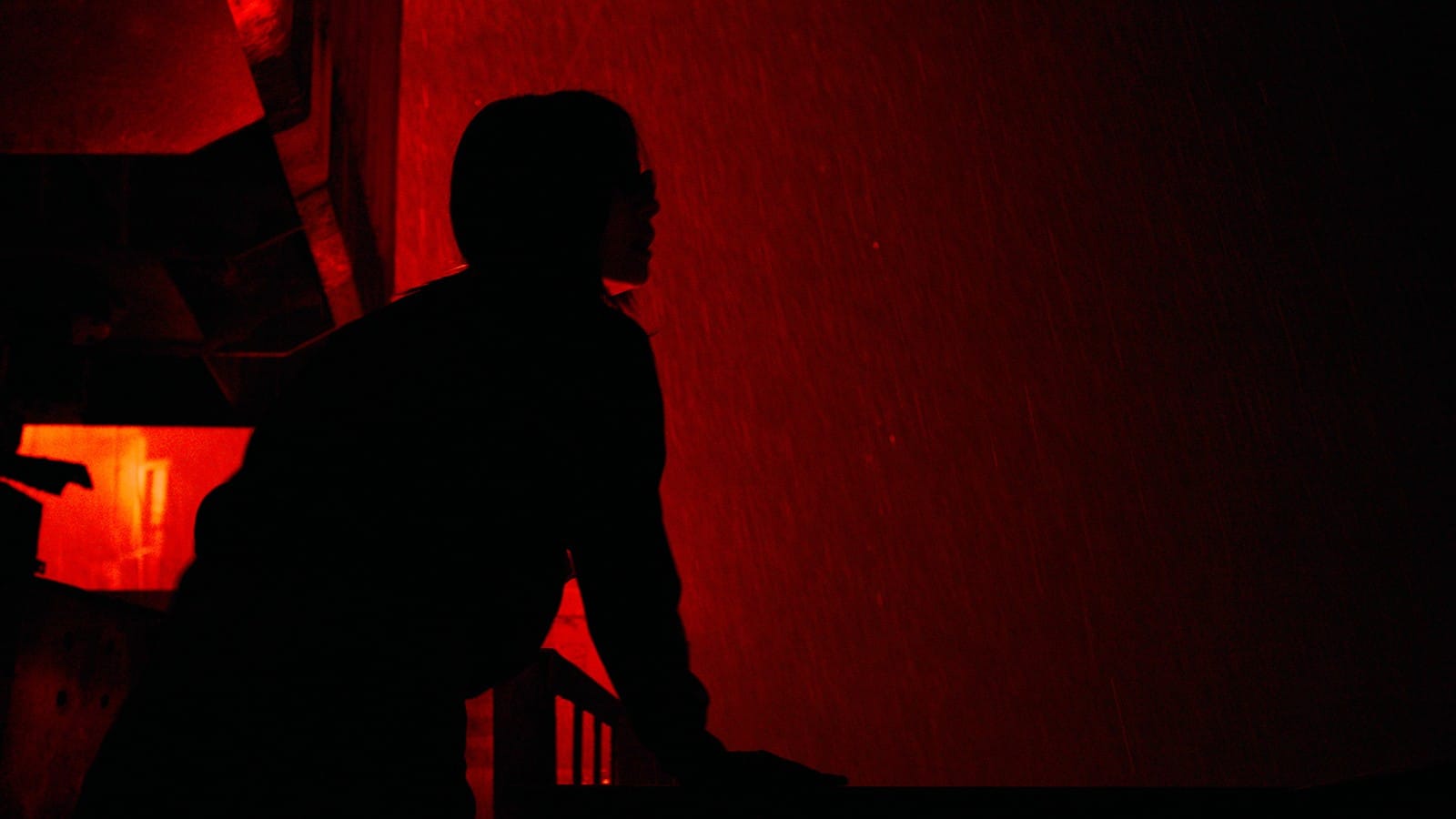
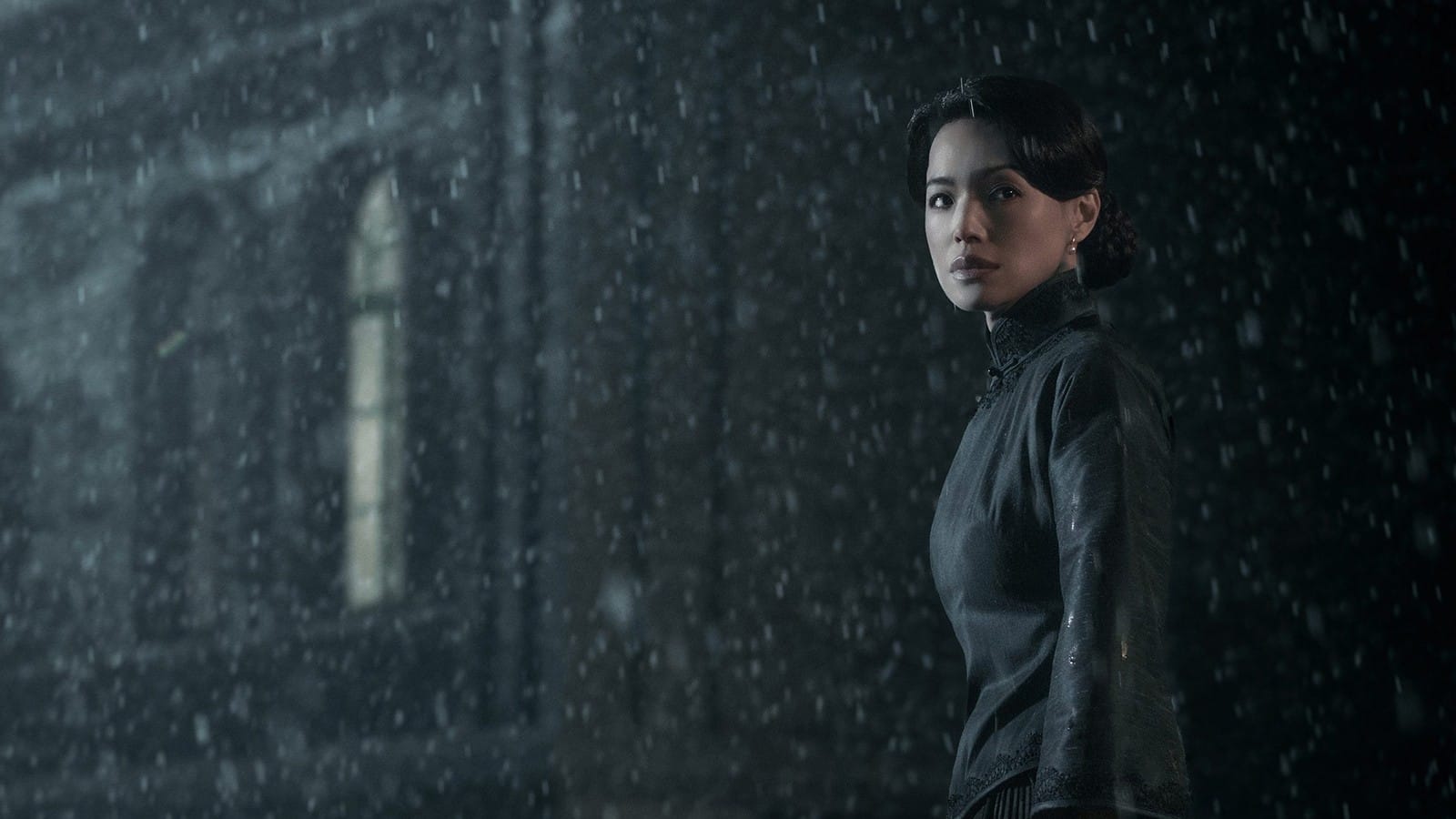
A new film by Bi Gan addresses the current state of our culture. Titled Resurrection, the film premiered at Cannes in 2025 and was released in cinemas in Europe and the US over Christmas. The protagonist of the film is cinema itself, personified as an androgynous Frankenstein-type monster who navigates dreamlike episodes from one decade to the next across the 20th century. The opening scenes set the tone: Taiwanese actress Shu Qi plays a silent film-era actress who dissects the creature, revealing a 19th-century camera apparatus at its core.
Throughout the narrative, the beast takes on various guises as con, victim, child, or vampire in what amounts to a veritable masterclass on 20th-century film genres. We recognize some of the otherworldly atmospheres of Bi’s earlier works such a Kaili Blues (2015) and Long Day’s Journey Into Night (2018), which themselves echo the opacity and mystery of David Lynch’s style. The seemingly impossible construction of certain shots composes a radically contemporary aesthetic. For the second and third stories within the film, instead of filming in the studio, the crew selected an abandoned industrial train track and shot on-site—forging an indexical relationship with real props and settings. Special effects also play an important role: instead of digitally altering the image, some of the most important scenes are created with natural light, such as the sunset at the end of a long take in the final story. The precision of this analog craft raises doubts about digital revisions more broadly and provokes a poignant commentary on the possible future manipulation of historical archives. Bi created a contemporary film that deliberately evokes 20th-century cinema, but did so through painstakingly analog means, resulting in a document that looks historical yet carries proof of its authenticity. The encyclopedic references are impressive: in about two hours, we encounter everything from Hong Kong kung fu to early Russian Dracula films: a love letter to the vocabulary of the cinema. Resurrection can be read as a metaphor for film today: if there is no way to envision the medium's future, given the advent of AI, perhaps the only way to make contemporary film is by looking back at its history. Bi stitches together the bygone age of 20th-century cinema and conjures a cultural declaration of its obsolescence.
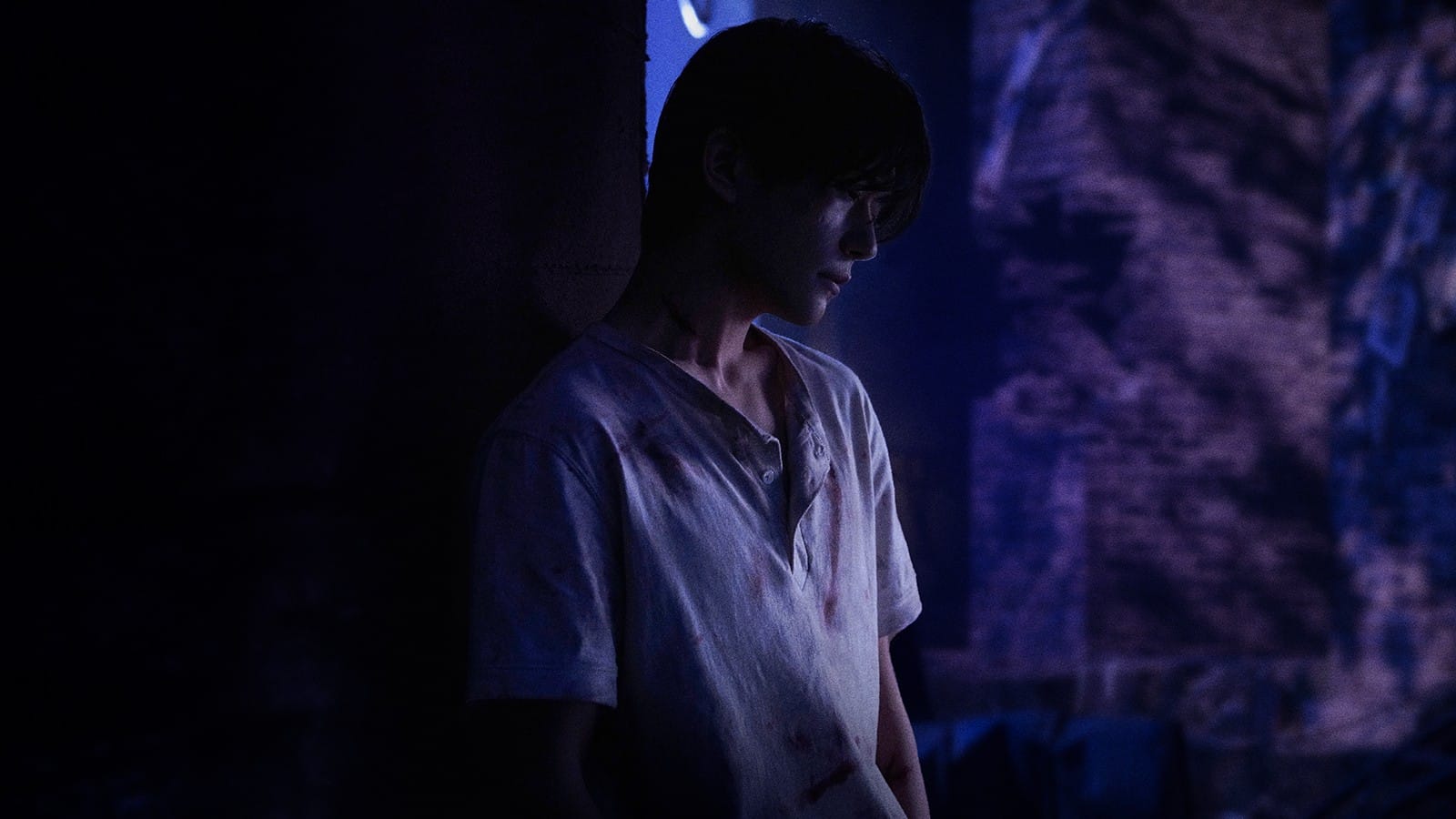
What distinguishes Bi from mere nostalgia amid this current moment of transformation is his insistence on materiality—his commitment to create “real” cinema, whether that involves orchestrating a long shot at the crack of dawn over a month or meticulously drawing visual effects by hand, as in a Charlie Chaplin film. In doing so, and in the absence of a firm answer for the future of the medium in this undetermined state, we cannot help but be convinced by the compelling demonstration of our agency in crafting the typology of image that we want to see in the future.
In the biblical sense, the definition of “resurrection” is the temporary return to life of a divine figure that has been martyred. What cinema’s new life will be in an era of ontological redefinition remains unknown. Resurrection is a handcrafted meditation on cinema’s history that attempts to imagine its continuation. The ambiguous ending—a sequence set at the dawn of the new millennium—symbolizes a moment in which the conclusion of the previous century has not quite been drawn, and suggests that we still cling to cinema’s past in the absence of certainty over its future. What is clear is that its past form is dead, and its reincarnation will be unrecognizable.
Béatrice Grenier is a curator, editor, and writer based in Paris. She is the director of international programs at the Fondation Cartier pour l'art contemporain and ArtAsiaPacific’s Paris desk editor.