Shows
New Temples of Culture: Museums to Visit in 2026
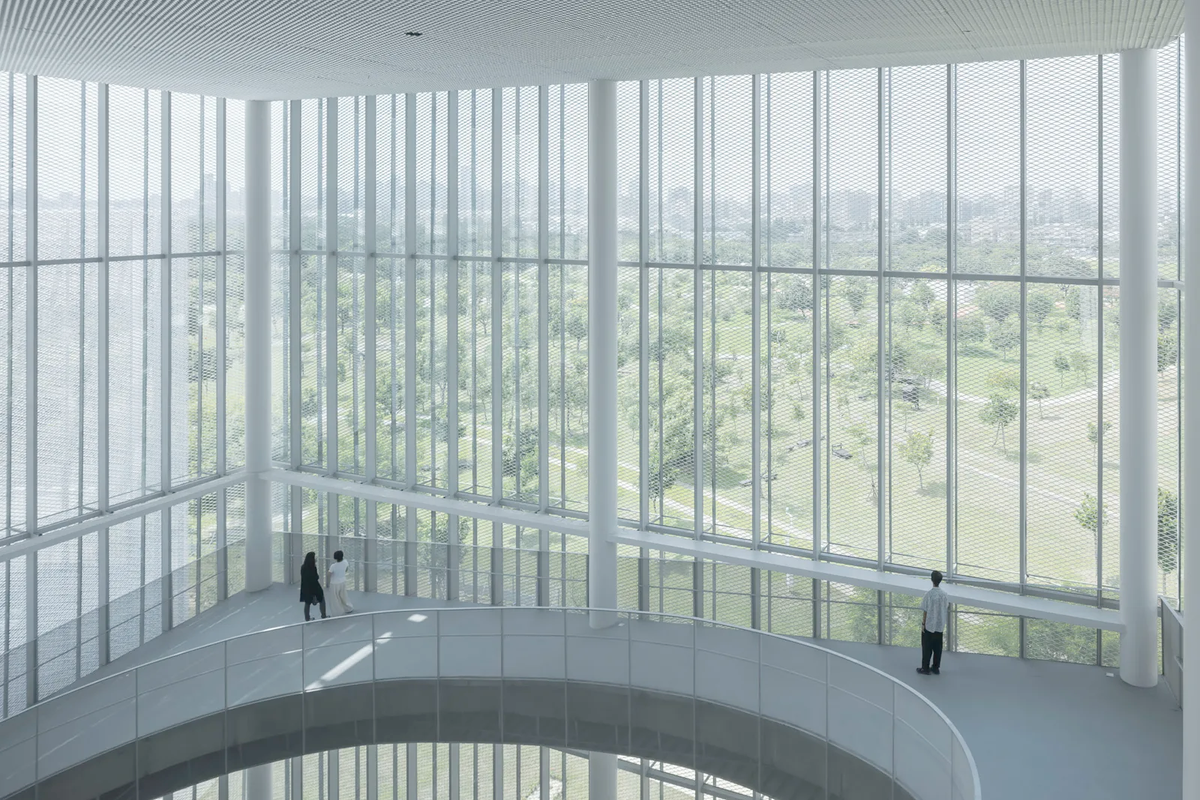
A year ago, I sat down for drinks in Hong Kong with a prominent collector who asked me, pointedly, if Taiwan and other regions in Asia needed all these museums that were due to crop up in the not so distant future. It seemed to be a burden, he thought, and his biggest concern was about who would fund it all. Fast forward to today: having visited numerous new institutions championing contemporary art this past year—including the New Taipei City Art Museum in June and Taichung’s Green Museumbrary in December—his question lingers. While 2025 saw relentless museum openings across Asia—think Naoshima’s New Museum of Art, the Almaty Museum of Arts in Kazakhstan, and Doha’s tribute to the late Bombay Progressive artist MF Husain—these impressive milestones also bring into sharper focus a persistent imbalance. Asian collectors are undeniably reshaping international art trends, dominating auctions and art fair VVIP lists, and propelling regional artists onto the world stage. Yet, with all this market flexing, Asia continues to play catch-up when it comes to adequate spaces to showcase its art.
Asia’s contemporary art scene is vibrant, diverse, and globally influential. While artists from Southeast Asia create introspective installations addressing ecological crises on the ground, those in Central and South Asia boldly explore questions of identity and migration, their work resonating far beyond geographical confines. The proliferation of collectors, commercial galleries, and biennials is undeniable. However, compared to Europe or North America, dedicated public and private museums for contemporary art remain strikingly scarce (though Japan, with its estimated 5,000-plus institutions, remains a notable exception). This leaves many countries in the region dependent on temporary exhibitions, commercial venues, or heritage-focused institutions, leaving contemporary artists, their practices, and their potential audiences, underserved.
Museums are essential for several reasons. Firstly, they offer enduring platforms for knowledge creation and critical dialogue. This allows curators to develop exhibitions and assemble collections that genuinely reflect Asia’s complex histories and present realities, unburdened by commercial pressures—whether in a gallery or an art fair. Institutions like Dib Bangkok and the Tselinny Center of Contemporary Culture are vital for fostering long-term research, education initiatives, and archival preservation, which nurture emerging talent and safeguard artistic legacies for the future. Secondly, museums democratize access by engaging local audiences who might otherwise only encounter Asian contemporary art decontextualized through a digital glimpse or a Western filter. In this era of profound change, contemporary art provides much-needed spaces for reflection and dialogue.
As we begin to map out our travel adventures for 2026, here is a curated list of 10 brand-new museums that are not just worth a single visit, but deserve a spot on your cultural itinerary for multiple explorations this year.
New Taipei City Art Museum
No. 300, Guanqian Rd., Yingge District, New Taipei City, Taiwan
https://ntcart.museum/en/index.aspx
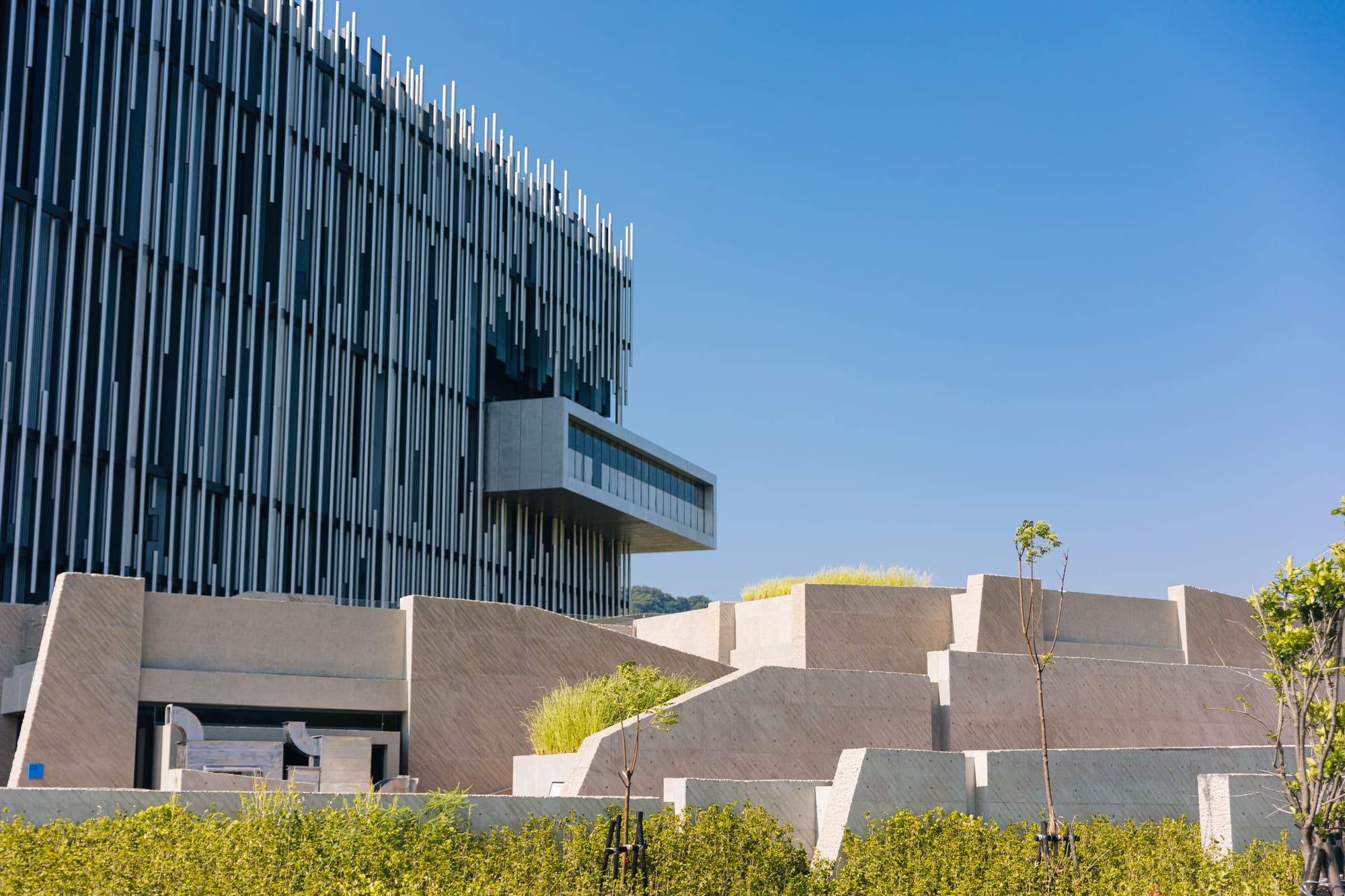
New Taipei City, the heartland of Taiwan’s ceramics heritage and its thriving artistic community, witnessed the opening of its first municipal contemporary art institution in late April 2025. Designed by Taiwanese-born, Shanghai-based architect Kris Yao, the monumental building shimmers on the horizon with its vertical silver cladding meant to resemble water reeds, swaying over a “village” of pathways, terraces, cafes, and small exhibition spaces. Channeling New Taipei’s grassroots ethos, the museum emphasizes community and local narratives—offering exhibitions that range from emerging Taiwanese voices to established, international artists.
Naoshima New Museum of Art
3299-73, Naoshima-cho, Kagawa-gun, Kagawa 761-3110, Japan
https://benesse-artsite.jp/en/nnmoa/
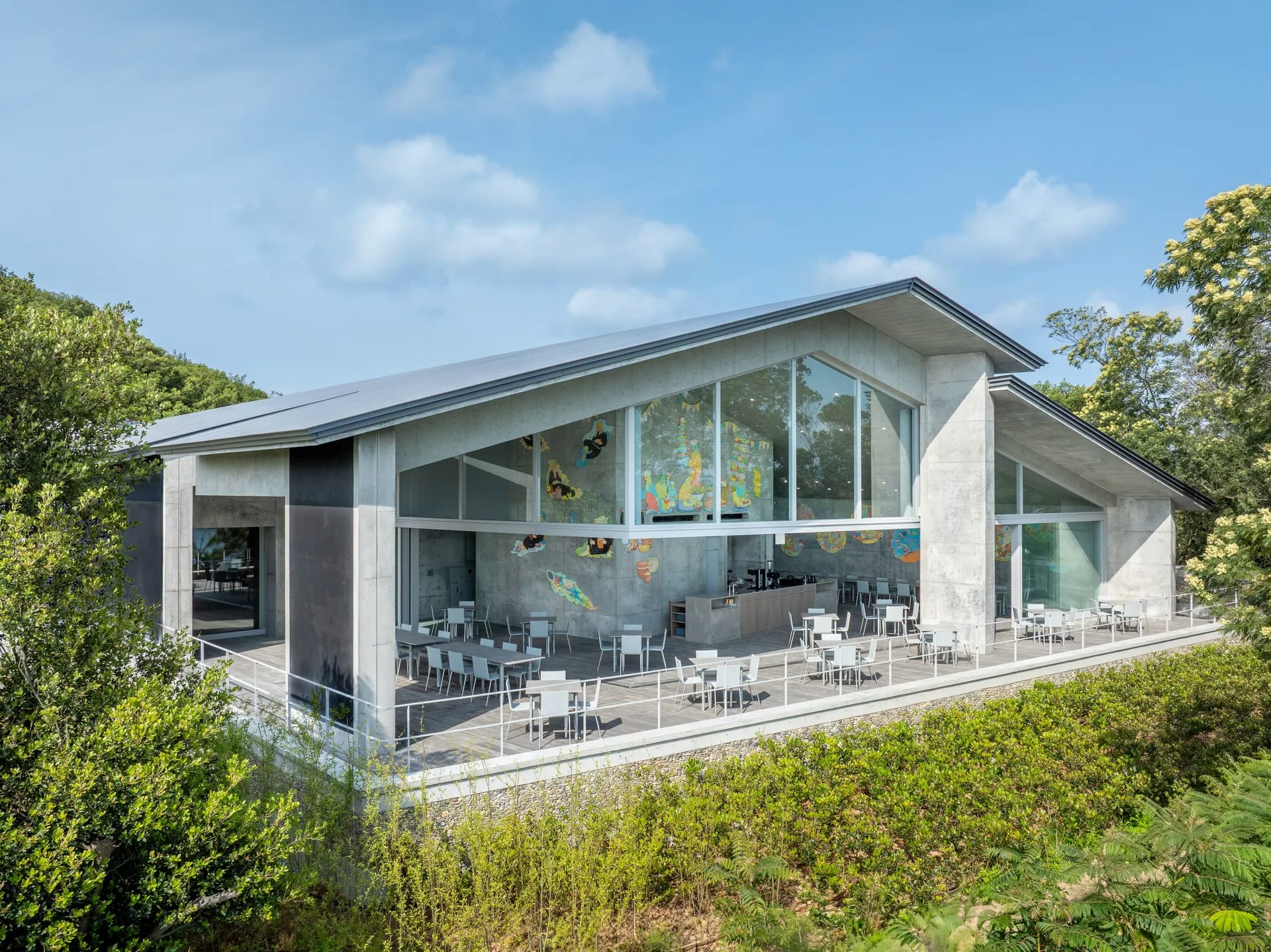
On Japan’s art island of Naoshima overlooking the serene Seto Inland Sea, the Naoshima New Museum of Art quietly opened in May 2025 as a contemplative sanctuary of concrete, light, and shadow. Departing from the site’s focus on permanent installations, this intimate venue echoes its tranquil surroundings and privileges slow art—long running exhibitions centered on creative voices from the region, as well as fostering unhurried encounters between Asian contemporary art, the architecture, and the legacy of the island. A perfect antidote to our era of fleeting attention.
Photography Seoul Museum of Art
68 Madel-Ro 13-Gil, Dobong-gu, Seoul, Korea
https://sema.seoul.go.kr/en/visit/photosema
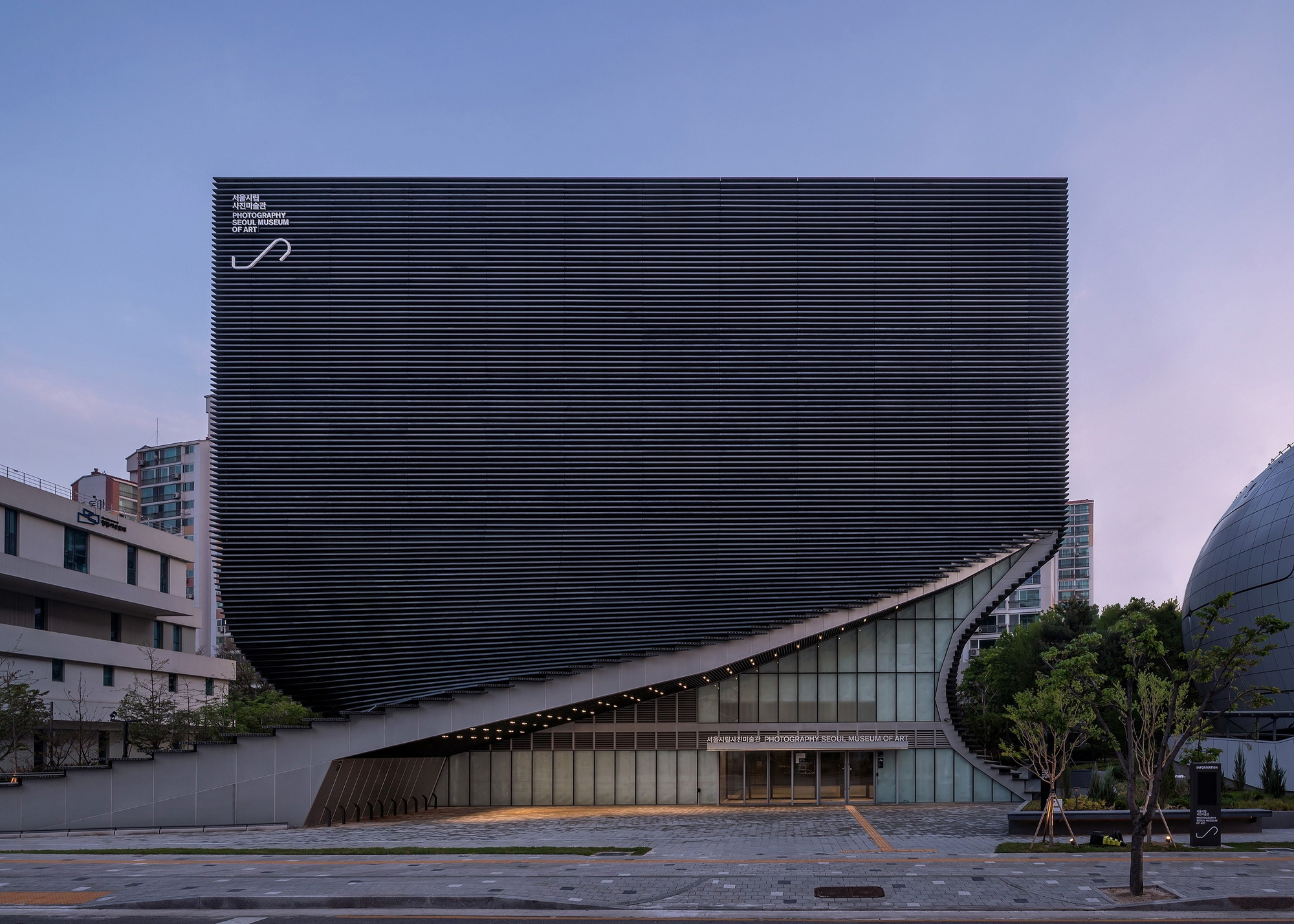
In Seoul’s lesser-known district of Dobong, the Photography Seoul Museum of Art was finally unveiled in May 2025 after a decade of planning. As part of the Korean capital’s network of museums, including the Seoul Museum of Art, it is the country’s first public institution dedicated to the lens-based practice. The building—designed by Jadric Architektur and 1990uao—mimics photography’s interplay with light, shadow, and time. In addition to its exhibition galleries, it has a learning studio, darkrooms, and an archive of over 20,000 works that traces the history of Korean photography.
Tselinny Center of Contemporary Culture
59 Masanchi St., Almaty, Kazakhstan
https://www.tselinny.org/en
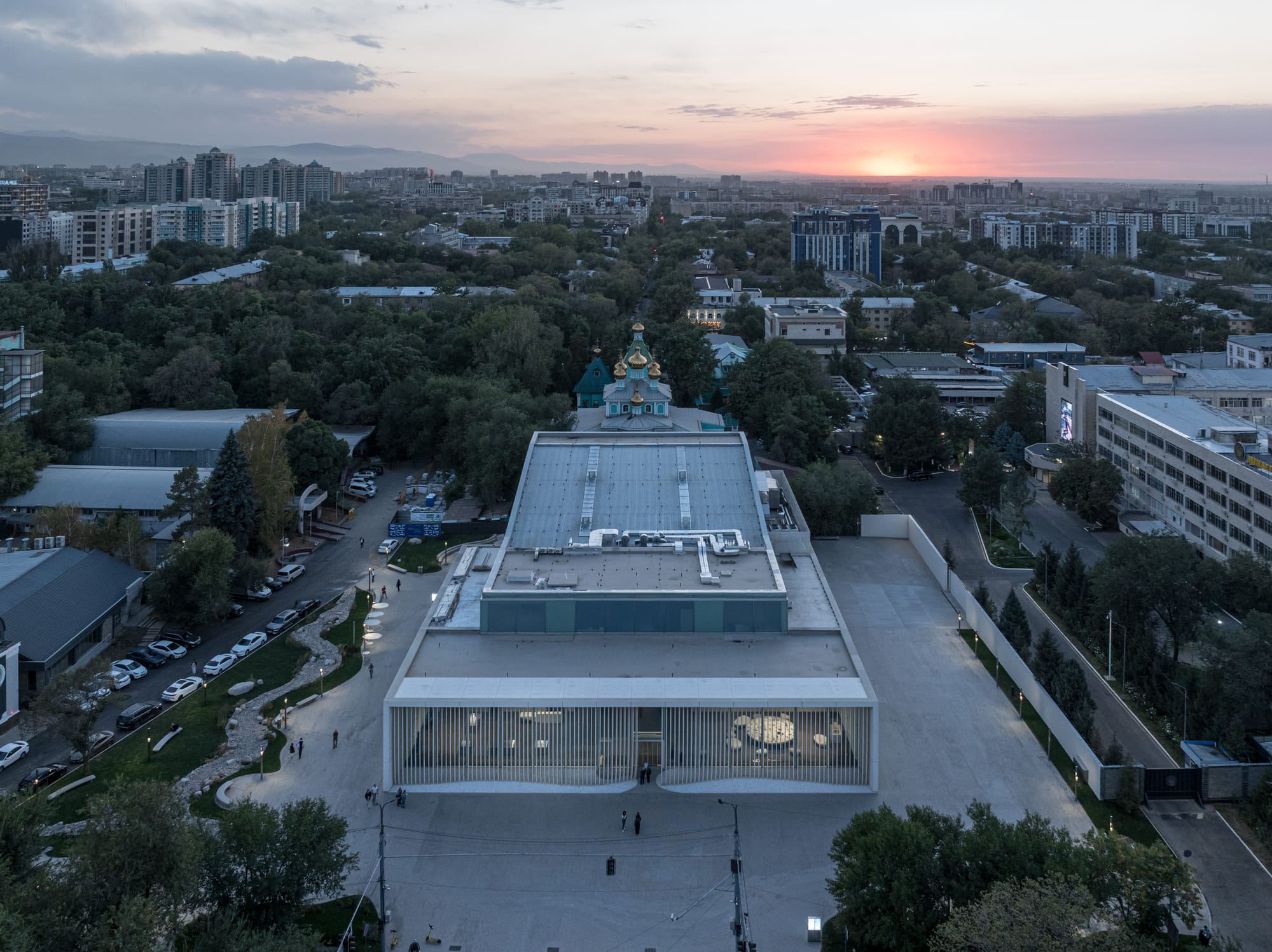
Founded in 2018, Kazakhstan’s first private, independent kunsthalle-style institution, the Tselinny Center of Contemporary Culture, officially opened its doors this past September. Historically, it was the site of one of the largest Soviet cinemas in Central Asia. Today, through the architectural vision of Asif Khan and Zaure Aitayeva, it has been transformed into a sprawling Brutalist complex that stages ambitious exhibitions, film screenings, performances, and public programs that interlace local urgencies with global discourse.
Almaty Museum of Arts
28 Al-Farabi, Almaty, Kazakhstan
https://www.almaty.art/
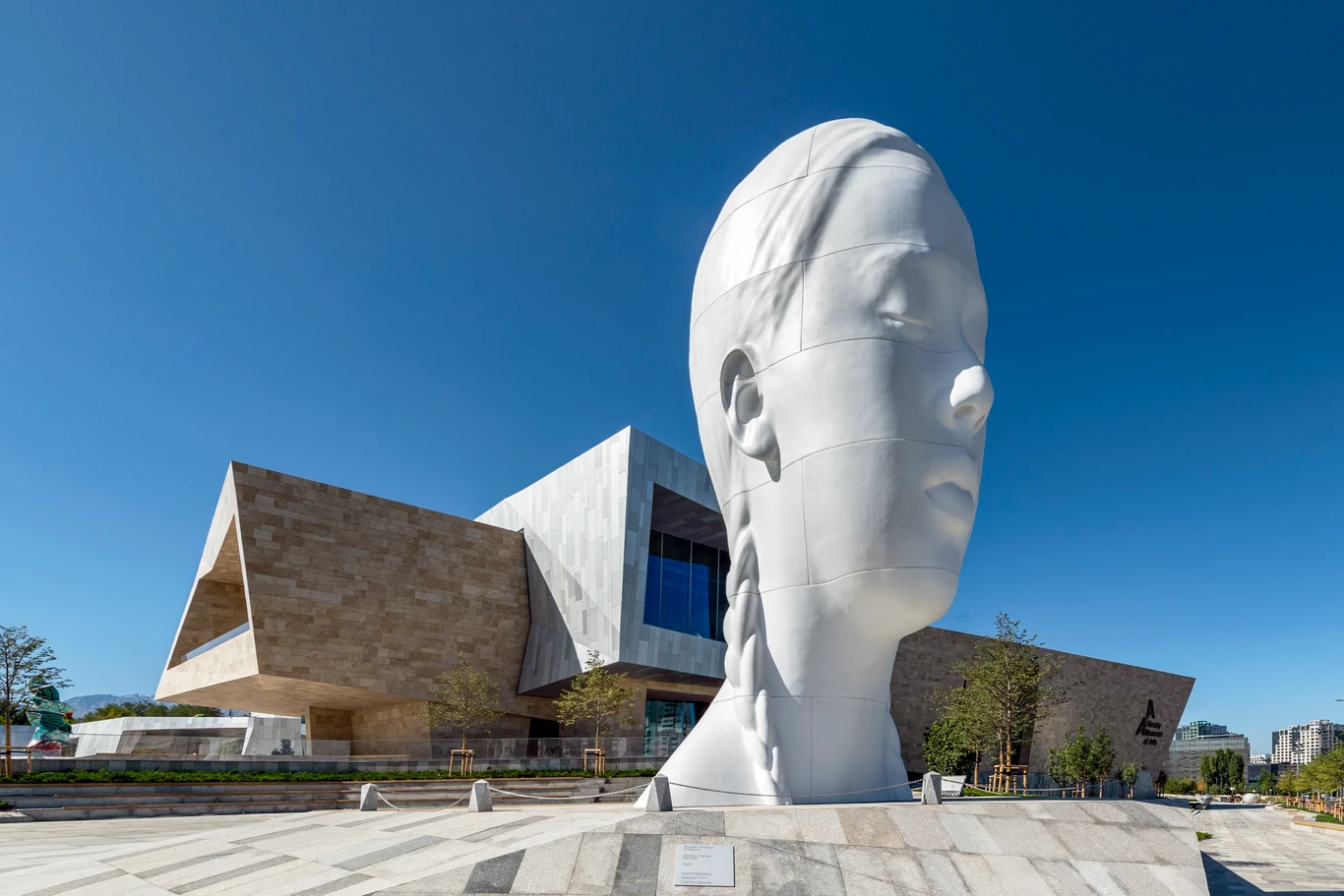
Commissioned and founded by Nurlan Smagulov, the Almaty Museum of the Arts is nestled among Kazakhstan’s swankiest malls. Unveiled in September 2025, this newly built 10,000-square-meter building clad in aluminum and limestone is the work of Chapman Taylor—known for their large-scale projects including the design and delivery of New Scotland Yard, as well as the Mall of Qatar and Western Sydney International Airport. As Central Asia’s first private institution dedicated to its founder’s vast collection—from blue-chip trophies like Yayoi Kusama and Richard Serra to important figures from Central Asia’s modern art history—it is aiming to position itself as a destination for the jet-setting art fair tribe.
Lawh Wa Qalam: M. F. Husain Museum
Education City, Doha, Qatar,
https://lawhwaqalam.org.qa/
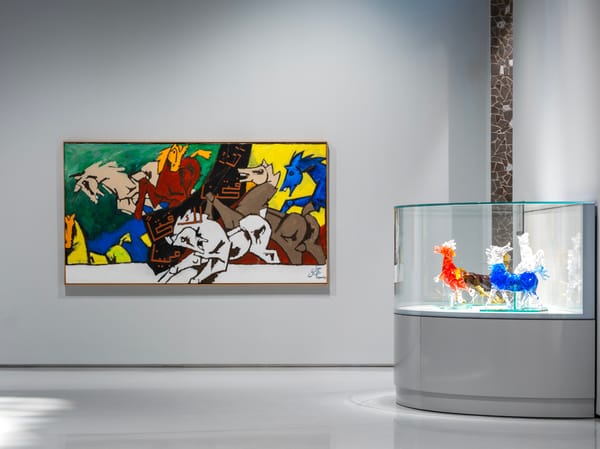
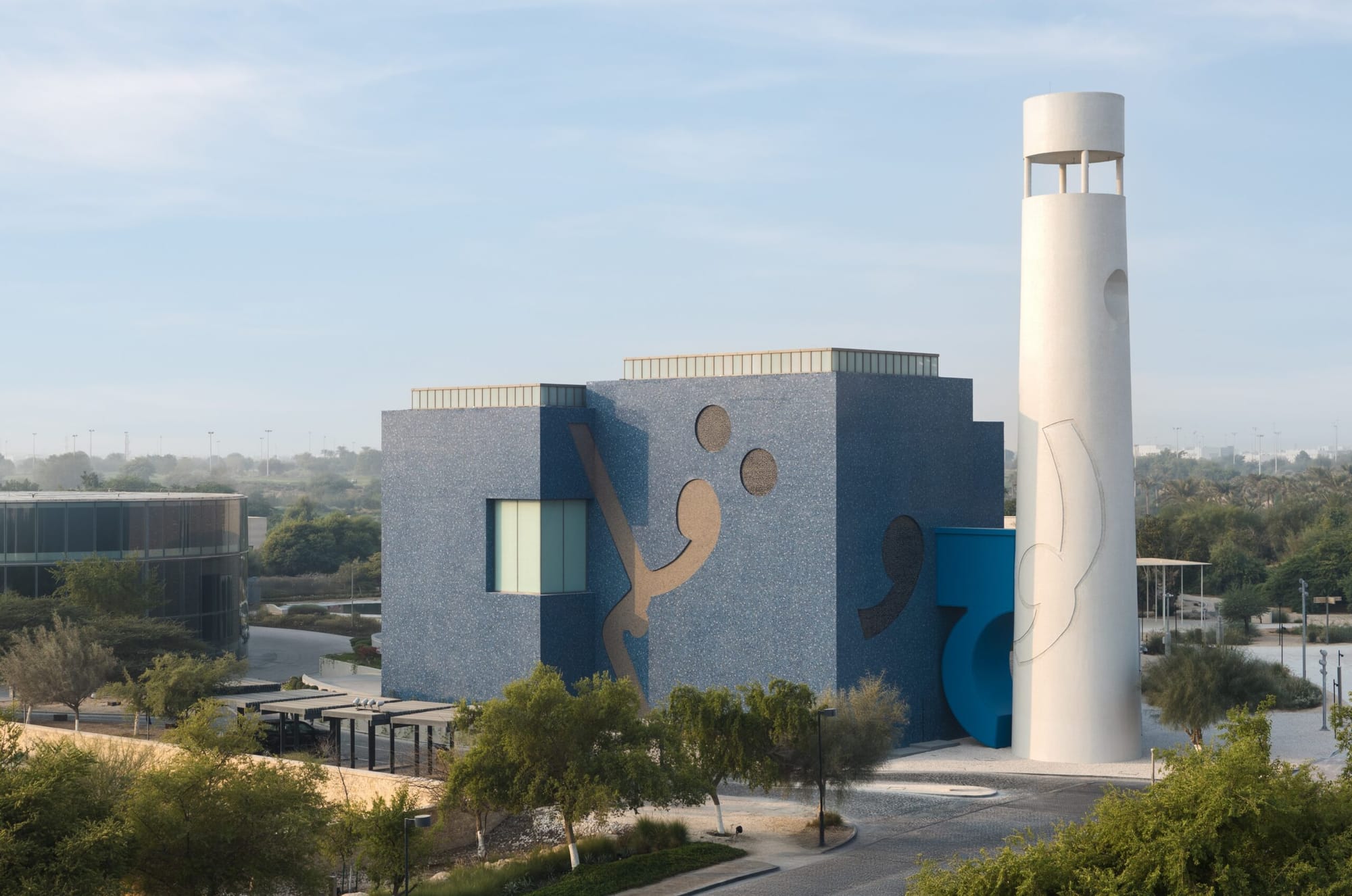
Boasting over 3,000 square meters, Lawh Wa Qalam: M. F. Husain Museum opened in November 2025 as the world’s first institution dedicated to the prolific and bold Indian modernist Maqbool Fida Husain. The playful design by New Delhi-based Martand Khosla is situated in the Qatar Foundation’s Education City in Doha and was based on a 2008 sketch by the artist—featuring geometric volumes drenched in vivid blue with colorful touches of Arabic script. Visitors are immersed in a vast selection of Husain’s work, which spans six decades of his career and includes his iconic paintings of horses, tapestries of mythical figures, and films on Arab civilization—a poignant testament to the exiled artist and his boundless vision.
Aranya Art Center Guangzhou
Buildings 2 to 5, No.17 Weilan Garden, No. 23 Jiulonghu Road, Huadu District, Guangzhou, Guangdong Province, China
https://www.aranyaartcenter.com/
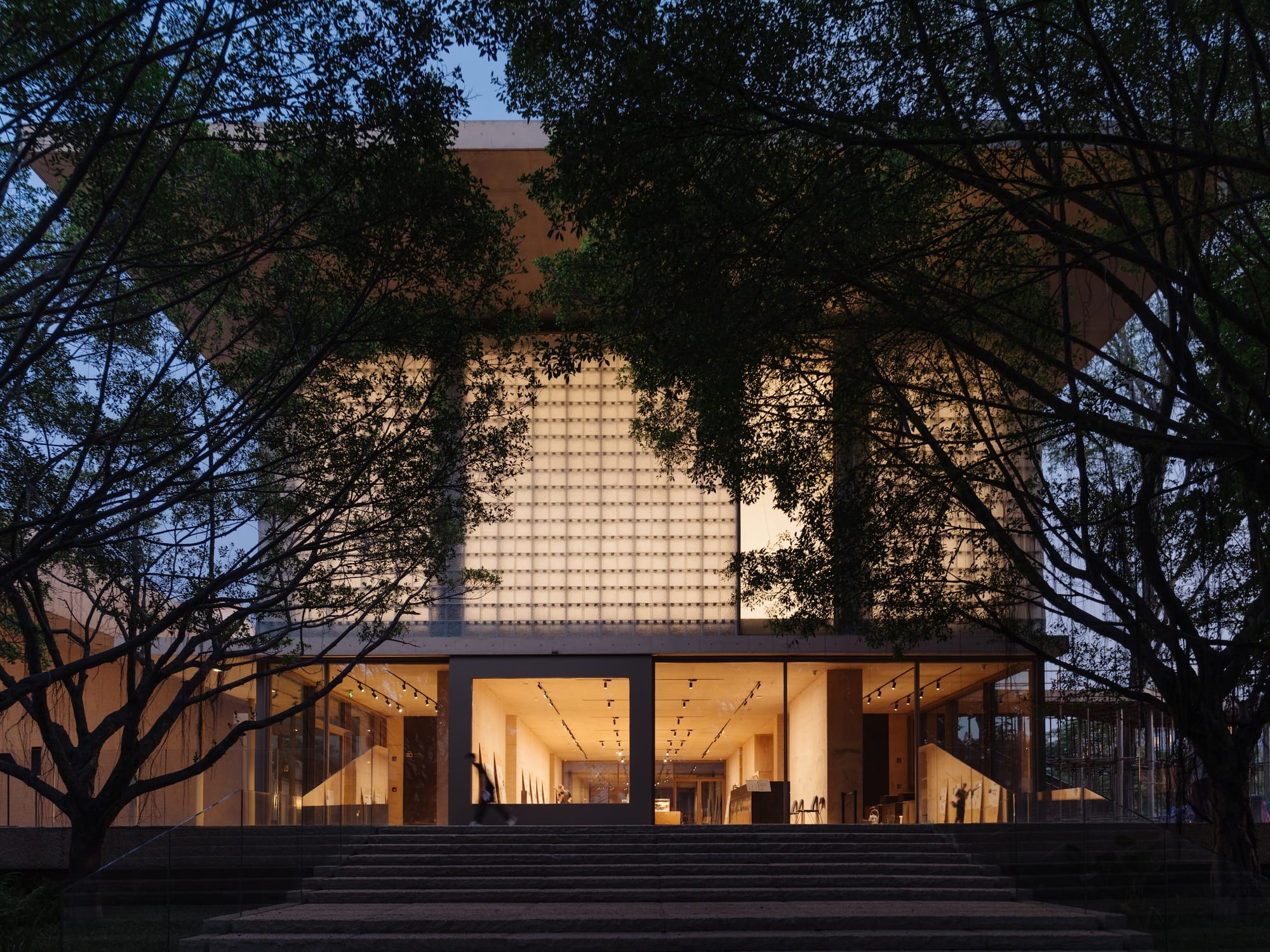
The latest addition to the vibrant Pearl River Delta (PRD) is Aranya Art Center Guangzhou. Opened in late 2025, the center is located in the Jiulonghu neighborhood and is the Aranya group’s first outpost in southern China. Designed by up-and-coming Chinese architect Dong Gong of Vector Architects, the building, with its clean-lined volumes, naturally embeds itself along the riverside with welcoming pathways and pensive interiors. Envisioned to be a locus for exhibitions, events, and local engagement, it is creating sustainable encounters with contemporary visual culture amid the PRD’s dynamic growth.
Red Sea Museum
Al-Balad, Al Balad District, Jeddah, Saudi Arabia
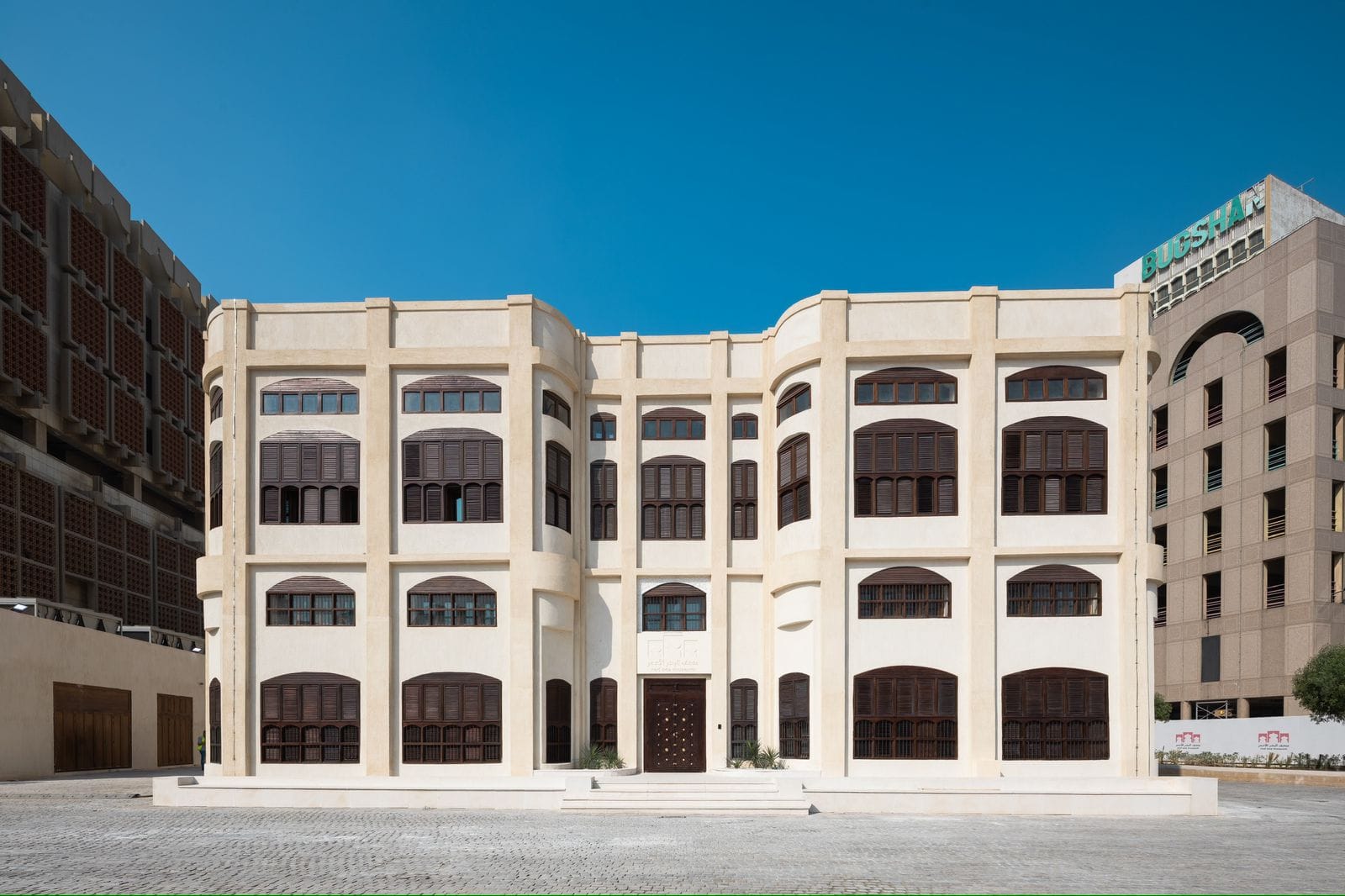
In Jeddah’s UNESCO-listed Al-Balad district, the Red Sea Museum opened in December 2025 within the tastefully restored 19th-century Bab Al-Bunt building, which was once the city’s maritime gateway for traders and pilgrims. With its revived coral stone canopies and a roof terrace commissioned teak facade by Saudi artist Ahmad Angawi, who revived Jeddah’s traditional latticework and mother-of-pearl inlay, the museum is a testament to sustainable contemporary interventions. The permanent galleries feature over 1,000 artifacts and artworks—from Chinese ceramics and ancient navigational tools to contemporary works by artists such as Manal Al Dowayan and Reem Al Faisal.
Taichung Green Museumbrary
No. 2201, Zhongke Rd., Xitun District, Taichung City, Taiwan
https://tgm.taichung.gov.tw/en
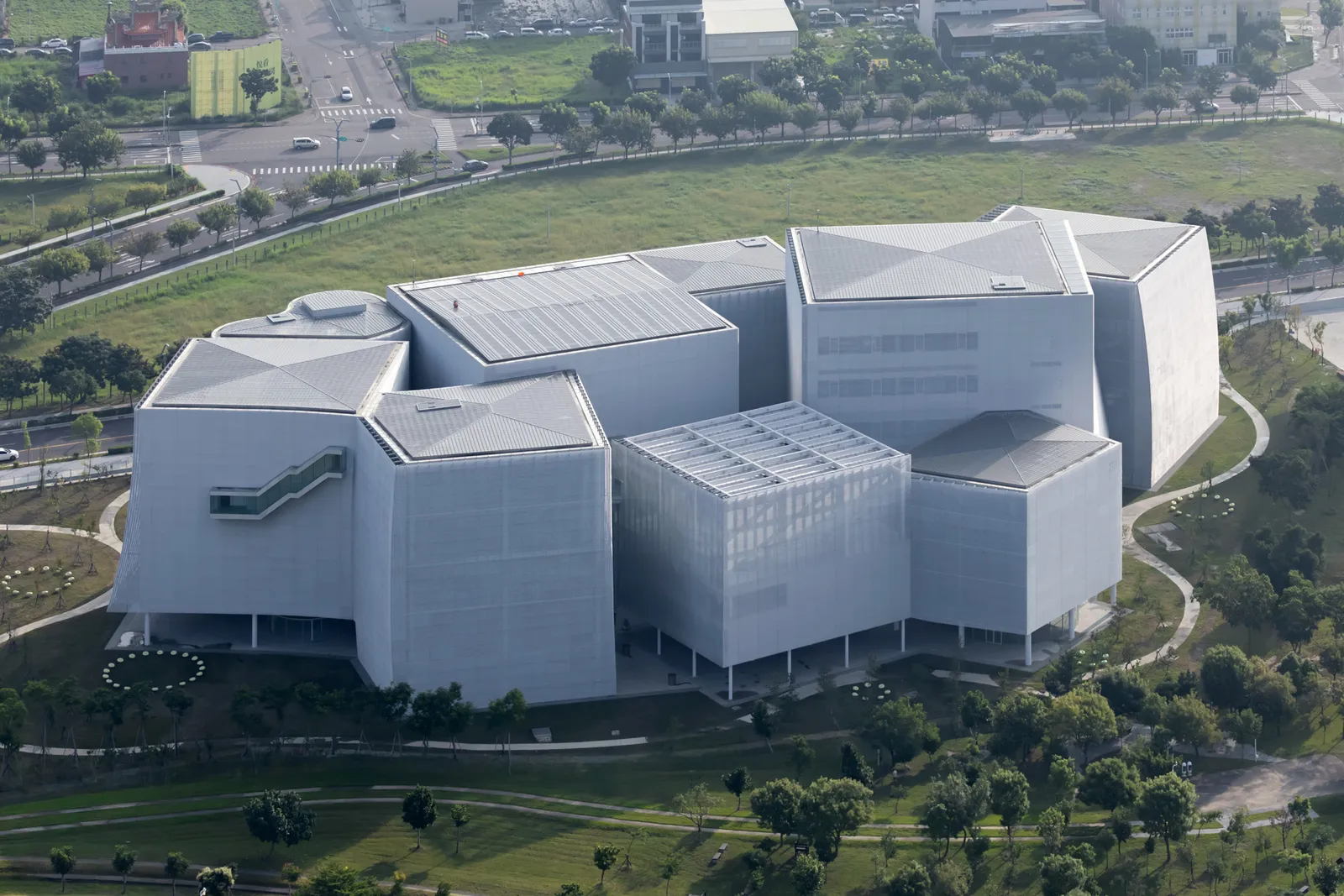
In Taichung’s sprawling 67-hectare Central Park stands Japan’s SANAA’s Taichung Green Museumbrary—an ambitious hybrid of municipal contemporary art museum and central public library. In typical SANAA fashion, the eight interconnected volumes are sheathed in metal mesh which allows delicate, dappled light to permeate the glass cubes as if they were a trove of wrapped birthday gifts from a minimalist devotee. Over a decade in the making, Museumbrary is conceived as a “library in a park and an art museum in a forest.” SANAA—worshipped by museum directors and its boards—encourages embracing the serendipitous discovery of knowledge and imagination. Don’t be on a tight schedule—you are certain to get lost, so enjoy the wander.
Dib Bangkok
111 Soi Sukhumvit 40, Phra Khanong, Khlong Toei, Bangkok, Thailand
https://dibbangkok.org/
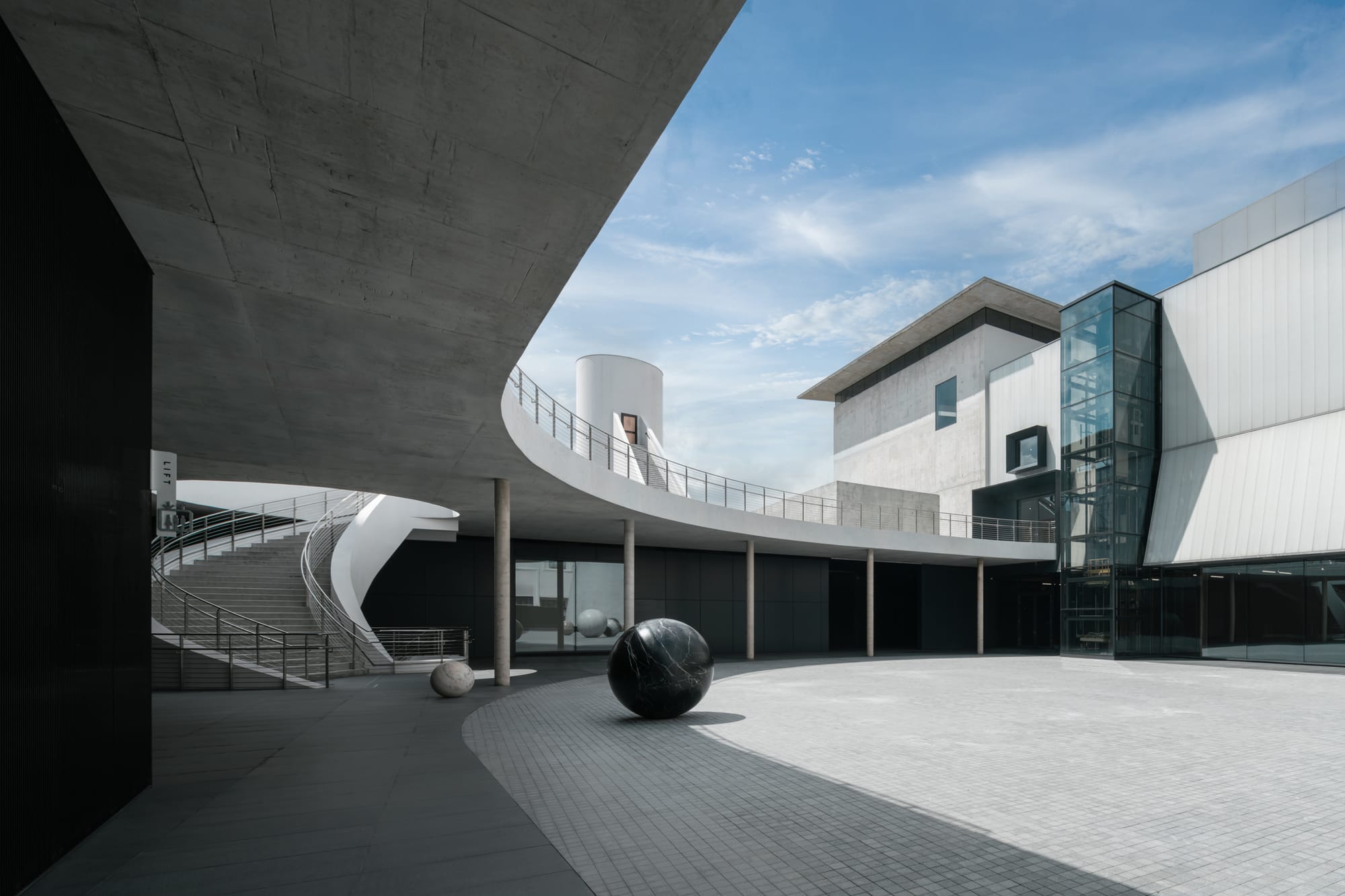
Bangkok’s bustling Khlong Toei district is now home to Dib Bangkok, a former steel factory transformed into one of Thailand’s latest and largest private museums. The expansive, white modernist complex is designed by Los Angeles-based Thai architecture studio WHY. The museum name, Dib, is the Thai word for “raw” or the “authentic state” in Buddhism. It is a 6,600-square-meter 1980s warehouse, gutted and reborn by architect Kulapat Yantrasast, who has exposed its concrete bones now draped in light-flooded spaces that suggestively whisper transformation.